The San Francisco 49ers share their fiercest and most storied rivalries with the Dallas Cowboys, Green Bay Packers, and Seattle Seahawks, driven by decades of postseason collisions, legendary playoff moments, and intense divisional battles that have shaped the landscape of modern professional football.
Evaluating the competitive landscape of the National Football League (NFL) reveals few franchises with a history as rich and fiercely contested as the San Francisco 49ers. To truly understand why certain games carry immense weight for players, coaches, and millions of fans worldwide, it is necessary to examine the historical context, geographical proximity, and postseason implications that forge these enduring football rivalries. From the glory days of the 1980s and 1990s to contemporary playoff showdowns, the 49ers have engaged in legendary battles that define the sport's ultimate competitive drama.
The Historical Foundation of 49ers Rivalries
The magnitude of the San Francisco 49ers' most significant matchups cannot be understood without looking back at the franchise's historical rise to prominence. Founded in 1946 as part of the All-America Football Conference (AAFC) before joining the NFL in 1950, the franchise transformed into a global powerhouse under the stewardship of owner Edward J. DeBartolo Jr., head coach Bill Walsh, and legendary quarterbacks like Joe Montana and Steve Young.
During this era, the West Coast offense revolutionized professional football, establishing a standard of excellence that inevitably placed San Francisco on a collision course with other elite organizations. Rivalries in the NFL are rarely manufactured by league scheduling; instead, they are forged in the crucible of high-stakes playoff elimination games, heated divisional races, and contrasting organizational cultures. Whether battling for supremacy in the National Football Conference (NFC) or fighting for crucial positioning within the NFC West, the 49ers have consistently found themselves at the center of the league's most compelling narratives.
Dallas Cowboys: The Historic Clash of NFL Titans
For generations of football fans, the rivalry between the San Francisco 49ers and the Dallas Cowboys represents the absolute gold standard of cross-conference competition. While teams from the same division play each other twice annually, the 49ers and Cowboys built their legendary animosity through a staggering succession of high-stakes playoff meetings that frequently decided who would represent the NFC in the Super Bowl.
The 1970s Foundation and The Catch
The rivalry initially took root during the 1970s when Tom Landry’s Cowboys repeatedly blocked San Francisco's path to the championship. However, the defining moment of the entire series occurred on January 10, 1982, during the NFC Championship Game. Trailing late in the fourth quarter, 49ers quarterback Joe Montana orchestrated a legendary drive, culminating in a scrambling, leaping touchdown pass to wide receiver Dwight Clark in the back of the end zone. Immortalized simply as "The Catch," this singular play signaled the end of Dallas's dominant era and the birth of the 49ers' 1980s dynasty.
The 1990s Torch Passing
The rivalry reached another fever pitch in the early 1990s. Between 1992 and 1994, the 49ers and Cowboys met in three consecutive NFC Championship Games. The winner of these titanic battles invariably went on to dismantle the American Football Conference (AFC) opponent in the Super Bowl. Dallas won the first two meetings in this trilogy, while San Francisco reclaimed glory in the 1994 matchup. Even in the modern era, games between these two historic franchises capture national attention, drawing massive television audiences and serving as a measuring stick for championship aspirations.
Green Bay Packers: Postseason Heartbreak and Triumph
Few rivalries carry the deep playoff pedigree and dramatic weight of the matchups between the San Francisco 49ers and the Green Bay Packers. This inter-conference showdown has delivered some of the most memorable, weather-defying, and heart-stopping moments in NFL postseason history.
The Brett Favre Era and the 1990s Hex
In the mid-to-late 1990s, the Green Bay Packers, led by Hall of Fame quarterback Brett Favre and head coach Mike Holmgren (a former 49ers assistant under Bill Walsh), became a formidable obstacle for San Francisco. Despite fielding exceptionally talented rosters, the 49ers suffered a string of painful postseason defeats against Green Bay, including divisional playoff losses in 1995, 1996, and 1997. These games established a fierce competitive friction rooted in tactical familiarity and contrasting styles—California passing precision versus rugged, cold-weather resilience.
The Modern Playoff Chapter
The rivalry evolved dramatically in the 2020s, featuring multiple postseason encounters between 49ers head coach Kyle Shanahan's squad and Green Bay led by quarterbacks Aaron Rodgers and later Jordan Love. Notable games include San Francisco's dramatic blocked-punt victory in the snowy divisional round of the 2021 postseason and a thrilling fourth-quarter comeback in the 2023 divisional playoffs. These recent chapters prove that the historical animosity between these two storied franchises remains as vibrant and volatile as ever.
Seattle Seahawks: The Modern NFC West Blood Feud
While the Cowboys and Packers represent classic historical and postseason adversaries, the Seattle Seahawks embody the intense, physical, and divisional warfare that defines the modern era of the NFL. Since Seattle realigned into the NFC West in 2002, the two franchises have played each other twice every regular season, fostering a profound regional and competitive hatred.
The Pete Carroll and Jim Harbaugh Era
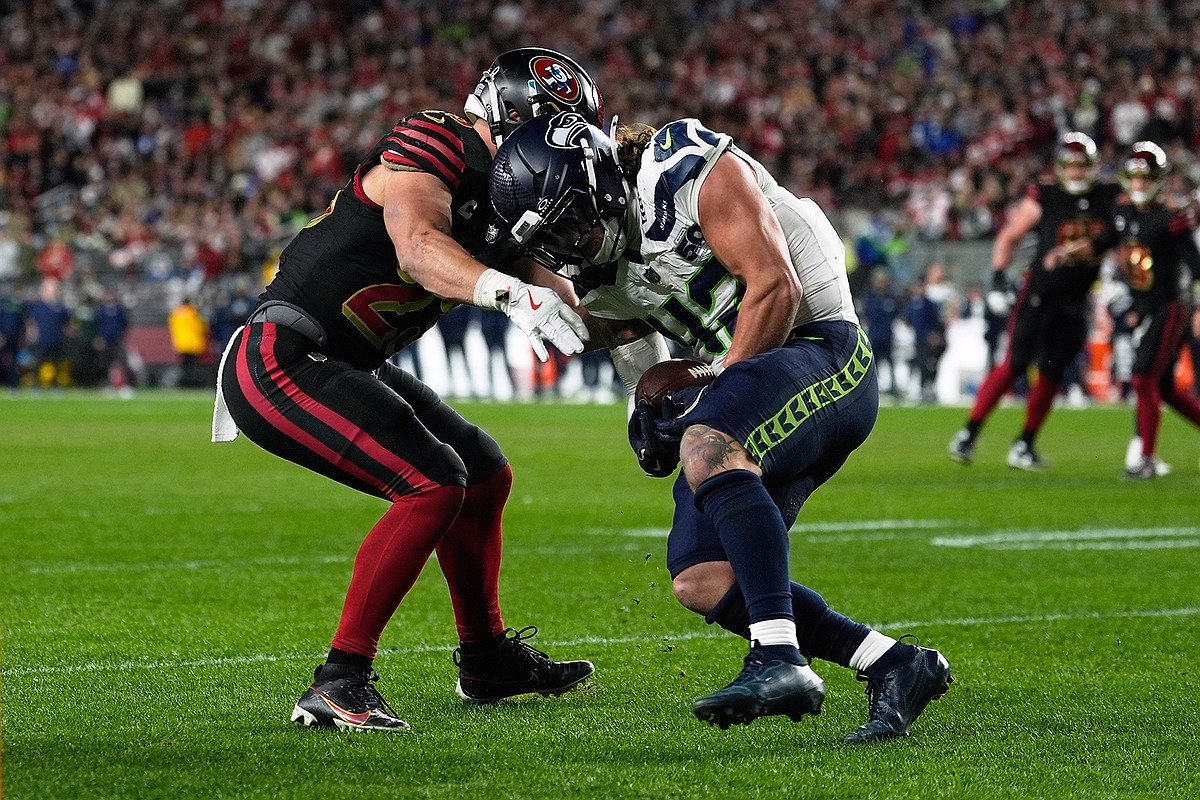
The rivalry reached unprecedented toxicity and national prominence during the early 2010s, when Jim Harbaugh coached the 49ers and Pete Carroll led the Seahawks. Both teams boasted ultra-competitive rosters, elite defenses, and visionary head coaches. The rivalry peaked during the 2013 NFC Championship Game at CenturyLink Field in Seattle. In a brutally physical contest, the Seahawks edged out the 49ers on a game-sealing defensive interception in the end zone, subsequently winning Super Bowl XLVIII.
Division Supremacy and Physicality
Games between San Francisco and Seattle are characterized by extreme physicality, trash talk, and high-stakes implications for the NFC West crown. Even as coaching staffs and player rosters evolve, contests in this matchup consistently feature hard-hitting defensive play and intense fan engagement, making it one of the most anticipated fixtures on the annual NFL calendar.
Comparing Major 49ers Rivalries
| Rivalry Opponent | Primary Rivalry Catalyst | Notable Historic Moment | Geographic / Conference Factor |
|---|---|---|---|
| Dallas Cowboys | 1970s–1990s NFC Championship dominance | "The Catch" in the 1981 NFC Championship | Cross-conference historical giants |
| Green Bay Packers | 1990s playoff elimination games & modern matchups | Snow game postseason comebacks in the 2020s | Historic NFC powerhouse collision |
| Seattle Seahawks | NFC West divisional battles & 2010s coaching friction | 2013 NFC Championship Game thriller | Divisional neighbors (NFC West) |
| Los Angeles Rams | Original divisional rivalry & 2021 NFC Championship | 2021 NFC Championship win en route to Super Bowl | Geographic proximity (California rivals) |
The Los Angeles Rams: California Co-Inhabitants
No overview of the 49ers' primary rivals is complete without examining the Los Angeles Rams. As the oldest geographic and divisional rival in San Francisco's history, the Rams share a deep historical connection rooted in Southern and Northern California sports culture.
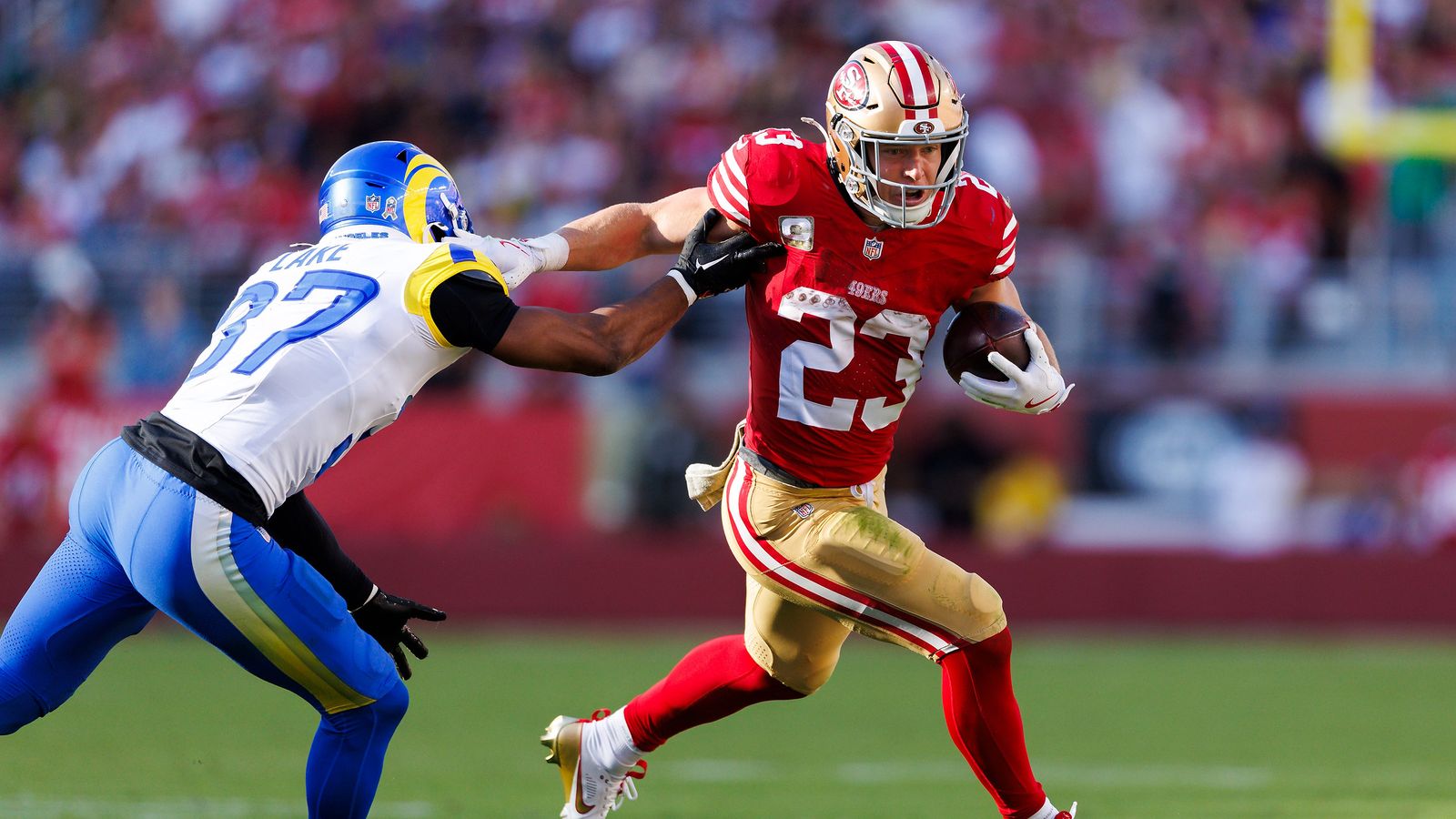
The rivalry intensified dramatically during the 2021 NFL season when the two teams squared off in the NFC Championship Game at SoFi Stadium. With a Super Bowl berth on the line, the Rams narrowly defeated the 49ers before winning Super Bowl LVI. The annual battles between San Francisco and Los Angeles carry immense regional pride, drawing massive crowds of traveling 49ers fans to opposing stadiums and ensuring that every meeting is heavily contested.
Frequently Asked Questions
Who are the San Francisco 49ers' biggest historical rivals?
The 49ers' biggest historical rivals are the Dallas Cowboys and the Green Bay Packers. These rivalries were built on a foundation of legendary postseason clashes during the 1970s, 1980s, and 1990s that frequently decided the NFC representative in the Super Bowl.
Why is the rivalry between the 49ers and Cowboys so intense?
The intensity stems from numerous high-stakes playoff meetings where both franchises competed for national supremacy. Iconic plays such as "The Catch" in 1982 and the fierce NFC Championship battles of the early 1990s cemented a deep competitive hatred between the two organizations.
How did the Seattle Seahawks become a major 49ers rival?
The Seahawks became a primary rival following Seattle's move to the NFC West in 2002. The rivalry exploded in intensity during the early 2010s under head coaches Jim Harbaugh and Pete Carroll, culminating in the physical 2013 NFC Championship Game.
Do the 49ers have any active divisional rivals?
Yes, the San Francisco 49ers play in the NFC West, competing annually against the Seattle Seahawks, Los Angeles Rams, and Arizona Cardinals. Games against the Rams and Seahawks carry significant weight due to historical playoff encounters and divisional championship implications.
Where can fans watch historical footage of these classic rivalries?
Comprehensive historical highlights, classic full-game broadcasts, and documentary features covering the 49ers' biggest rivalries can be accessed through official league platforms such as NFL+ and the NFL's authorized archives.
Conclusion and Next Actions
For fans and analysts tracking the National Football League, following the San Francisco 49ers means staying tuned to the rich historical context and dynamic unfolding of these key matchups. To deepen your understanding of the upcoming NFL season, review the official league schedule to identify when the 49ers face the Dallas Cowboys, Green Bay Packers, Seattle Seahawks, and Los Angeles Rams. Analyzing early-season injury reports, roster adjustments, and coaching strategies will provide vital context for predicting the outcomes of these perennial football blockbusters.