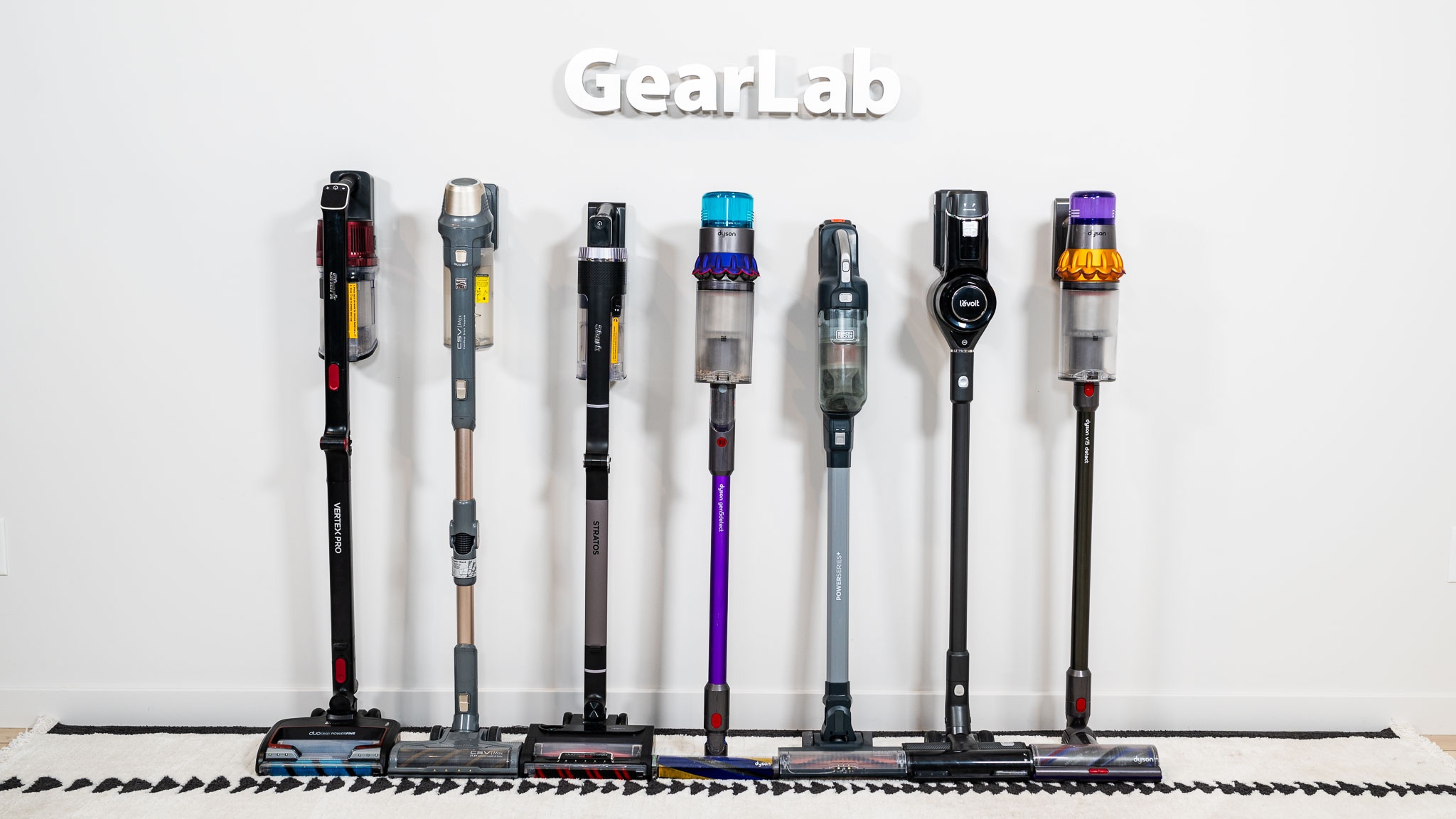
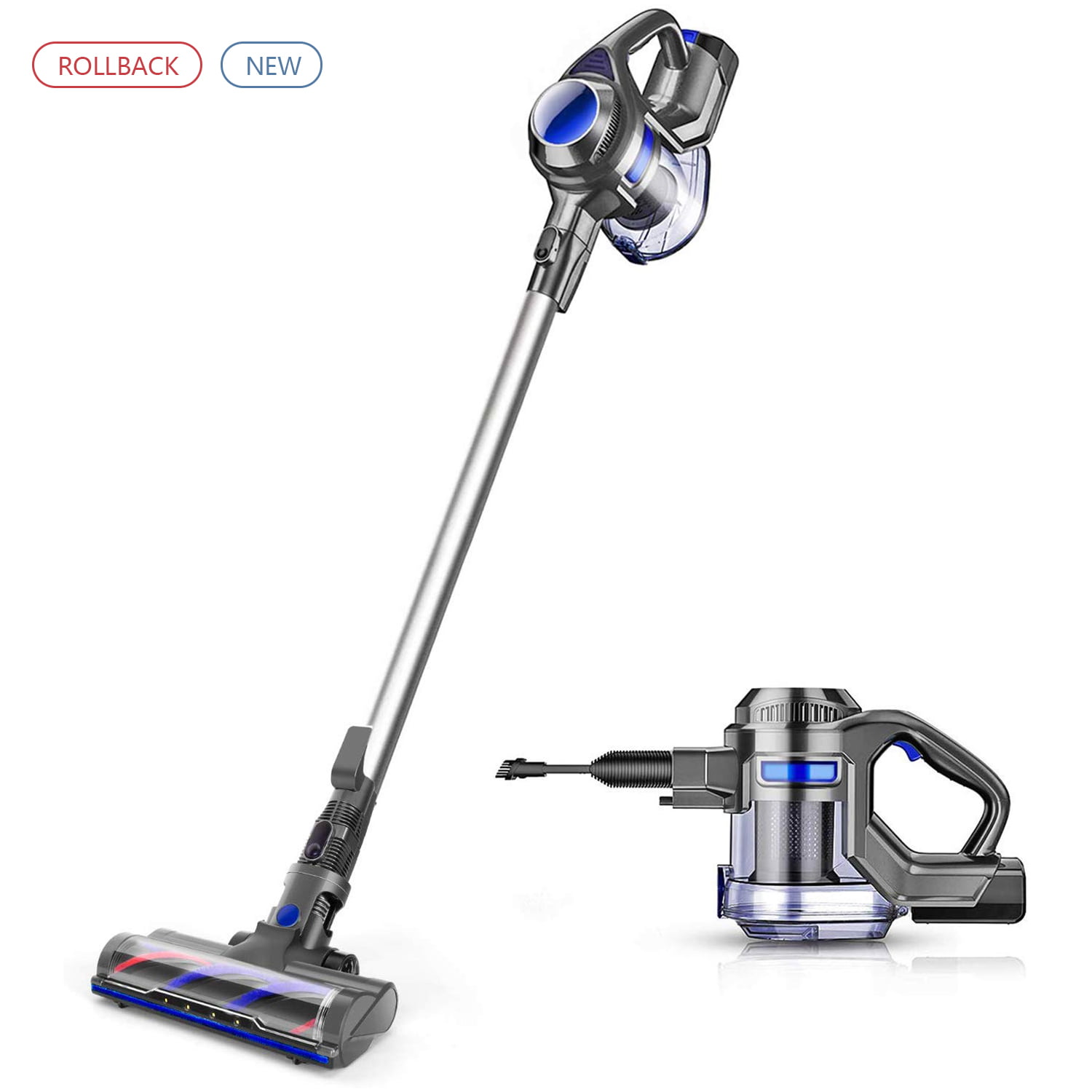
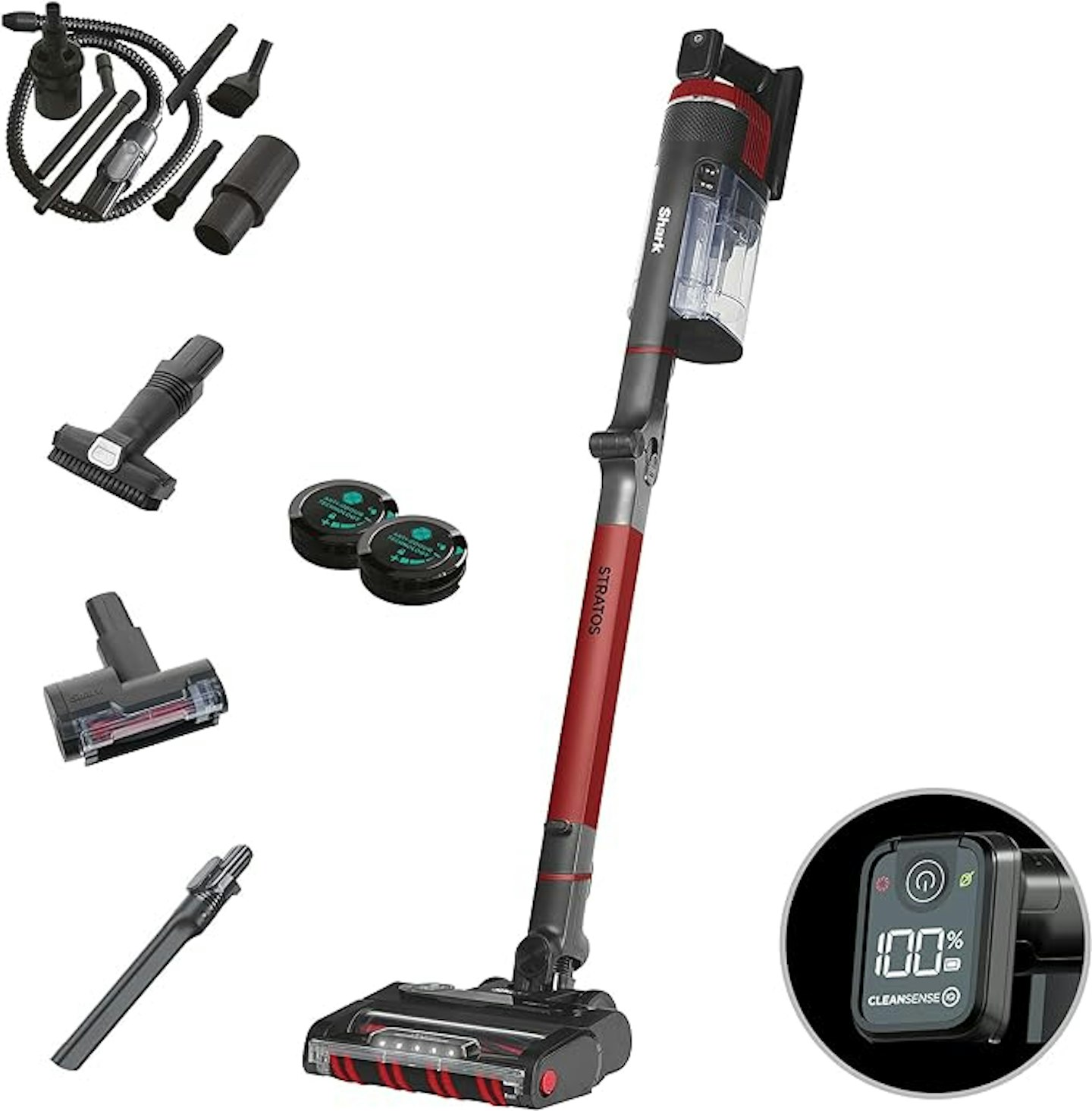
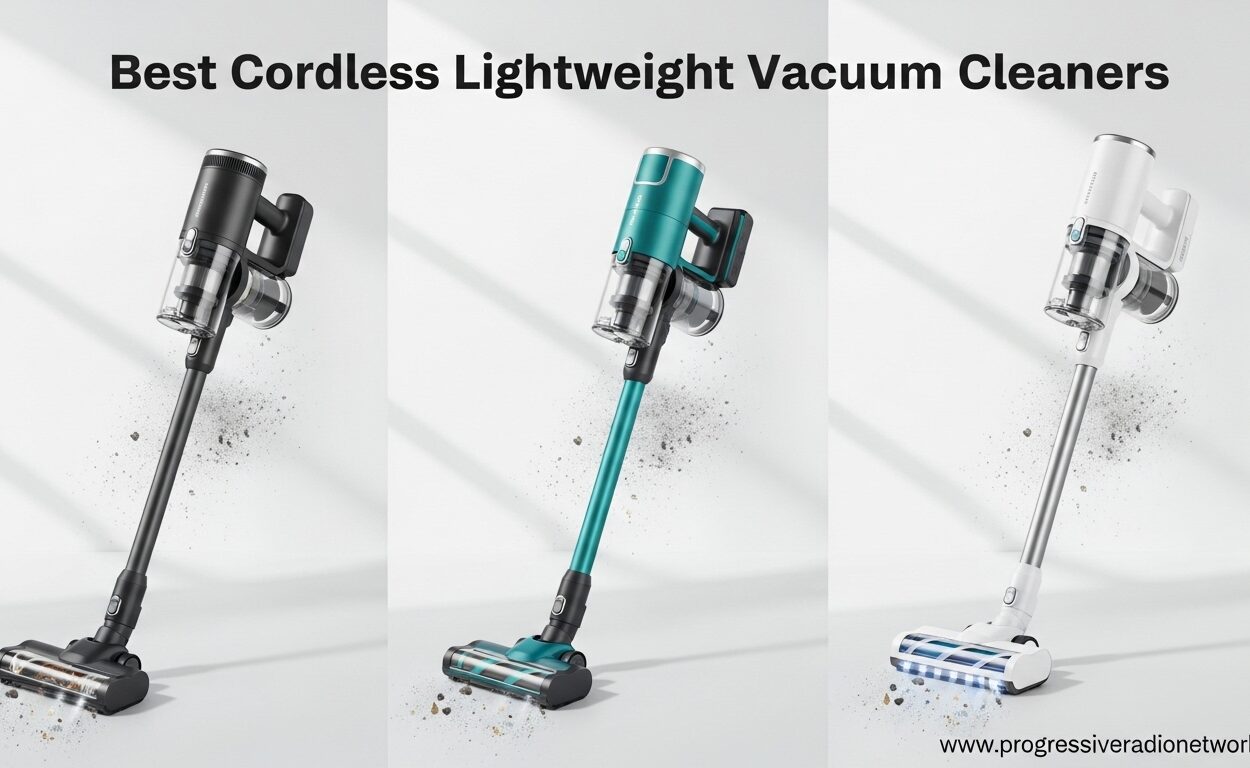
Finding the right cordless stick vacuum involves balancing featherlight maneuverability, reliable suction power, and battery runtime to handle quick daily cleanups without the hassle of a cord.
The modern household cleaning routine has shifted dramatically away from heavy, tethered upright vacuums toward agile, multi-purpose cleaning tools. Among these, lightweight cordless stick vacuums have emerged as the definitive choice for quick pickups, multi-level homes, tight spaces, and hard-to-reach areas like stairs and ceiling corners. However, the market is saturated with options varying wildly in battery longevity, suction dynamics, filtration quality, and price. Identifying the right model requires cutting through marketing noise to evaluate real-world performance metrics—specifically battery chemistry, motor efficiency, bin capacity, and floor-type adaptability.
Evaluating lightweight stick vacuums demands an understanding of how physical engineering compromises impact cleaning outcomes. A vacuum weighing under six pounds inherently limits battery size and dustbin volume, making motor optimization and filtration design critical. This guide examines four of the top-performing lightweight cordless stick vacuums on the market, analyzing their core mechanics, engineering trade-offs, operational capabilities, and ideal user profiles to help you select the right tool for your home.
Understanding the Anatomy of a Lightweight Cordless Stick Vacuum
Before evaluating specific models, it is essential to understand what defines a "lightweight stick vacuum" and how these parameters affect daily performance. Generally, a stick vacuum is considered lightweight if the main body—inclusive of the motor, battery, and dust canister—weighs between three and six pounds. Total weight increases slightly when attachments or motorized floor heads are attached, but staying within this threshold ensures minimal strain on the wrist and shoulder during prolonged or overhead cleaning sessions.
The architecture of these machines relies on a top-heavy design where the motor and battery sit directly above the handle. This configuration shifts the center of gravity closer to the user's hand, enhancing maneuverability and allowing the vacuum to easily transition from floors to high walls or furniture.
However, this design also concentrates weight in the hand rather than distributing it on the floor, which can cause fatigue during extended deep-cleaning sessions. Understanding this trade-off is the first step toward aligning your cleaning habits with the right appliance.
| Metric | Optimal Range / Standard |
|---|---|
| Total Weight | 3.0 to 6.0 lbs (Main body + stick) |
| Suction Power | 100 to 150+ Air Watts (AW) |
| Battery Runtime | 20 to 60 minutes (Varies by power mode) |
| Bin Capacity | 0.3 to 0.7 liters |
| Filtration Type | Multi-stage cyclone + HEPA or fully sealed |
The 4 Best Lightweight Cordless Stick Vacuums Compared
To provide a comprehensive view of the current market landscape, we have selected four standout models that represent different tiers of engineering, feature sets, and price points. Each model excels in specific scenarios, from homes with heavy pet shedding to minimalist apartments requiring stealthy, compact storage.
1. Dyson V12 Detect Slim: Precision Engineering and Microscopic Dust Detection
The Dyson V12 Detect Slim occupies the upper tier of the lightweight cordless market, striking a balance between high-end suction performance and a remarkably compact frame. Weighing in at approximately 5.2 pounds, it is significantly lighter and more streamlined than its heavier sibling, the Dyson V15 Detect, making it an ideal choice for users who want heavy-duty cleaning power without the physical strain of a bulky machine.
A defining technological feature of the V12 Detect Slim is its integrated laser-illuminated cleaner head. By projecting a precisely angled green laser beam across hard flooring, the device highlights microscopic dust particles and fine debris that are invisible to the naked eye under standard ambient lighting.
Furthermore, a built-in piezoelectric acoustic sensor continuously sizes and counts dust particles, automatically scaling motor suction power when higher concentrations of debris are detected. This intelligent power management optimizes the lithium-ion battery, preserving runtime during light maintenance while ramping up performance for high-traffic zones.
- Weight: ~5.2 lbs
- Filtration: Fully sealed, multi-stage HEPA filtration system
- Key Advantage: Laser dust illumination and dynamic auto-suction adjustment
- Limitation: Premium price point and smaller dustbin capacity requiring frequent emptying in large homes
2. Shark Cordless Detect Pro: Intelligent Automation and Auto-Empty Convenience
The Shark Cordless Detect Pro addresses one of the most common user complaints regarding stick vacuums: the messy, frequent task of manually emptying the dust cup. Weighing approximately 6.1 pounds with the wand attached, it sits slightly heavier than the Dyson V12, but it compensates with an optional auto-empty charging dock that automatically extracts debris into a bagless base station after every cleaning cycle.
The Detect Pro incorporates four distinct deep-cleaning technologies driven by floor sensors: DirtDetect (increases suction on hidden debris), EdgeDetect (directs suction power toward edges and corners), FloorDetect (auto-adjusts brushroll speed for carpets versus hard floors), and LightDetect (illuminates dark zones).
This sensor suite removes the guesswork from cleaning, allowing the machine to modulate its power delivery autonomously. For users seeking a largely hands-off maintenance routine, the combination of sensor-driven cleaning and an auto-empty base makes the Shark Cordless Detect Pro a formidable contender.
- Weight: ~6.1 lbs
- Filtration: Anti-Allergen Complete Seal with HEPA filtration
- Key Advantage: Auto-empty charging dock and four-way sensor intelligence
- Limitation: Bulkier storage footprint due to the charging base and slightly heavier overall feel
3. Tineco Pure One S11 Tango: Value, Versatility, and Smart Display Feedback
For buyers seeking advanced technological features without investing in ultra-premium brands, the Tineco Pure One S11 Tango offers a compelling feature set. Weighing roughly 5.5 pounds, the S11 utilizes Tineco’s proprietary iLoop Smart Sensor technology, which detects hidden dirt and dust particles in real-time, displaying the cleaning progress via an intuitive LED ring on the main body.
The "Tango" designation refers to its dual-brushroll system, which includes a soft-roller power brush optimized for hard floors and a multi-tasker power brush designed to dig deep into carpet fibers. This dual-head inclusion ensures that users do not need to purchase separate accessories to transition between different flooring types.
Additionally, the Tineco app integration allows users to monitor battery performance, adjust suction sensitivity, and receive maintenance reminders directly on their smartphones, bringing a high degree of personalization to household cleaning.
- Weight: ~5.5 lbs
- Filtration: 4-stage fully sealed HEPA filtration
- Key Advantage: Real-time iLoop LED dust sensor and dual-brushroll versatility
- Limitation: App connectivity can occasionally be finicky, and maximum suction drains battery life rapidly
4. Dyson Omni-glide: Maximum Agility for Hard-Floor Environments
For urban dwellers, studio apartments, or homes dominated entirely by hard floors (such as hardwood, tile, and laminate), the Dyson Omni-glide approaches stick vacuum design from an entirely different structural angle. Weighing a mere 4.18 pounds, it is one of the lightest and most maneuverable cordless vacuums available.
Unlike traditional stick vacuums that move strictly forward and backward, the Omni-glide features an omnidirectional Fluffy cleaner head powered by two motorized roller brushes rotating in opposite directions. This allows the vacuum to glide effortlessly in any direction—sideways, diagonally, and around tight furniture legs—without requiring awkward wrist twists.
Its symmetrical, slim format can also lay completely flat to reach deep underneath low-profile sofas, beds, and cabinetry. While its narrow cleaner head and lower bin capacity make it ill-suited for large, deep-pile carpeted homes, it remains unmatched for quick, agile hard-floor maintenance.
- Weight: ~4.18 lbs
- Filtration: Advanced whole-machine filtration
- Key Advantage: Omnidirectional floating head and ultra-low profile capability
- Limitation: Not recommended for medium-to-high pile carpets; smaller dustbin capacity
Technical Comparison Matrix
To assist in evaluating these four models side-by-side, the following matrix breaks down their core specifications, features, and ideal use cases:
| Model Name | Weight | Primary Filtration | Standout Feature | Best Suited For |
|---|---|---|---|---|
| Dyson V12 Detect Slim | 5.2 lbs | Fully Sealed HEPA | Laser dust detection & piezo sensor | Mixed flooring and allergy sufferers |
| Shark Cordless Detect Pro | 6.1 lbs | HEPA Anti-Allergen | Auto-empty base & 4-way sensors | Hands-off maintenance & multi-surface homes |
| Tineco Pure One S11 Tango | 5.5 lbs | 4-Stage HEPA | iLoop smart ring & dual brushrolls | Budget-conscious tech enthusiasts |
| Dyson Omni-glide | 4.18 lbs | Whole-Machine | Omnidirectional roller head | Hard-floor apartments and tight spaces |
Key Factors to Consider Before Buying
Choosing the correct lightweight stick vacuum requires balancing several competing specifications. Focusing solely on marketing claims regarding suction power or battery runtime can lead to buyer's remorse if the machine does not match your specific living environment.
1. Flooring Composition
Analyze the primary flooring materials in your home. If your home features wall-to-wall carpeting, prioritize vacuums with high air-watt output and motorized deep-cleaning brushrolls, such as the Dyson V12 or Shark Detect Pro. Conversely, if your home consists mostly of hard floors, an omnidirectional model like the Omni-glide or a dual-brush system like the Tineco S11 will provide superior pickup without scattering debris.
2. Battery Chemistry and Runtime Management
Almost all modern cordless stick vacuums utilize lithium-ion battery packs. While these batteries provide consistent power output, their runtime drops dramatically when operating on maximum suction mode.
- Eco/Auto Mode: Typically yields 30 to 60 minutes of runtime, suitable for light surface dust and routine maintenance.
- Boost/Max Mode: Often drains the battery in 5 to 10 minutes, reserved exclusively for stubborn embedded dirt or localized spills.
Look for models offering click-in, interchangeable batteries if you live in a larger home and require uninterrupted cleaning sessions exceeding 30 minutes.
3. Filtration Quality and Allergies
For households with allergy sufferers, asthmatic residents, or pets, filtration is just as important as suction. Standard cyclone separation traps large debris, but microscopic allergens—such as pollen, dust mite feces, and pet dander—can escape through exhaust vents if the system is not properly sealed. Ensure the vacuum features a fully sealed HEPA filtration system that captures 99.97% of particles down to 0.3 microns, preventing expelled air from recirculating allergens back into your living space.
Frequently Asked Questions
Can a lightweight cordless stick vacuum completely replace a traditional corded upright vacuum?
For many modern homes, yes. Premium cordless models now offer suction power that rivals older corded uprights. However, if you have thick, high-pile wall-to-wall carpeting throughout a large multi-story home, a cordless vacuum’s limited battery runtime in max-suction mode may still require a corded machine for deep, heavy-duty seasonal cleaning.
How often do filters need to be washed or replaced in cordless stick vacuums?
Most modern stick vacuums feature washable filters that should be rinsed under cold water every month to maintain optimal airflow and suction efficiency. Filters must be completely air-dried for at least 24 hours before reinsertion. HEPA cartridges or secondary post-motor filters typically last between 1 to 3 years depending on usage frequency.
What causes a cordless stick vacuum to lose suction over time?
Loss of suction is almost always caused by one of three issues: a full dustbin exceeding its maximum fill line, a clogged filter restricting airflow, or tangled hair and debris wrapped around the brushroll preventing proper rotation. Regular maintenance—emptying the bin after each use, washing filters monthly, and clearing the brushroll—will keep the machine performing at peak efficiency.
Are replacement batteries readily available when the original battery degrades?
Yes, reputable brands such as Dyson, Shark, and Tineco offer replacement batteries directly through their websites or authorized retailers. Lithium-ion batteries naturally degrade over several years of charge cycles; models featuring tool-free, click-in replacement batteries offer significantly better long-term appliance longevity.
Conclusion and Final Recommendation
Selecting the ideal lightweight cordless stick vacuum depends entirely on your home's unique layout, flooring types, and maintenance preferences. If you prioritize cutting-edge particulate detection and effortless allergy control, the Dyson V12 Detect Slim delivers exceptional performance. For users seeking automated convenience and a hands-off debris disposal process, the Shark Cordless Detect Pro with its auto-empty dock is an outstanding choice. Budget-conscious buyers will find incredible versatility in the Tineco Pure One S11 Tango, while urban residents with hard-floor environments will benefit most from the unmatched agility of the Dyson Omni-glide. Assess your specific cleaning challenges, match them against these verified capabilities, and invest in a tool that transforms daily maintenance from a chore into a seamless routine.