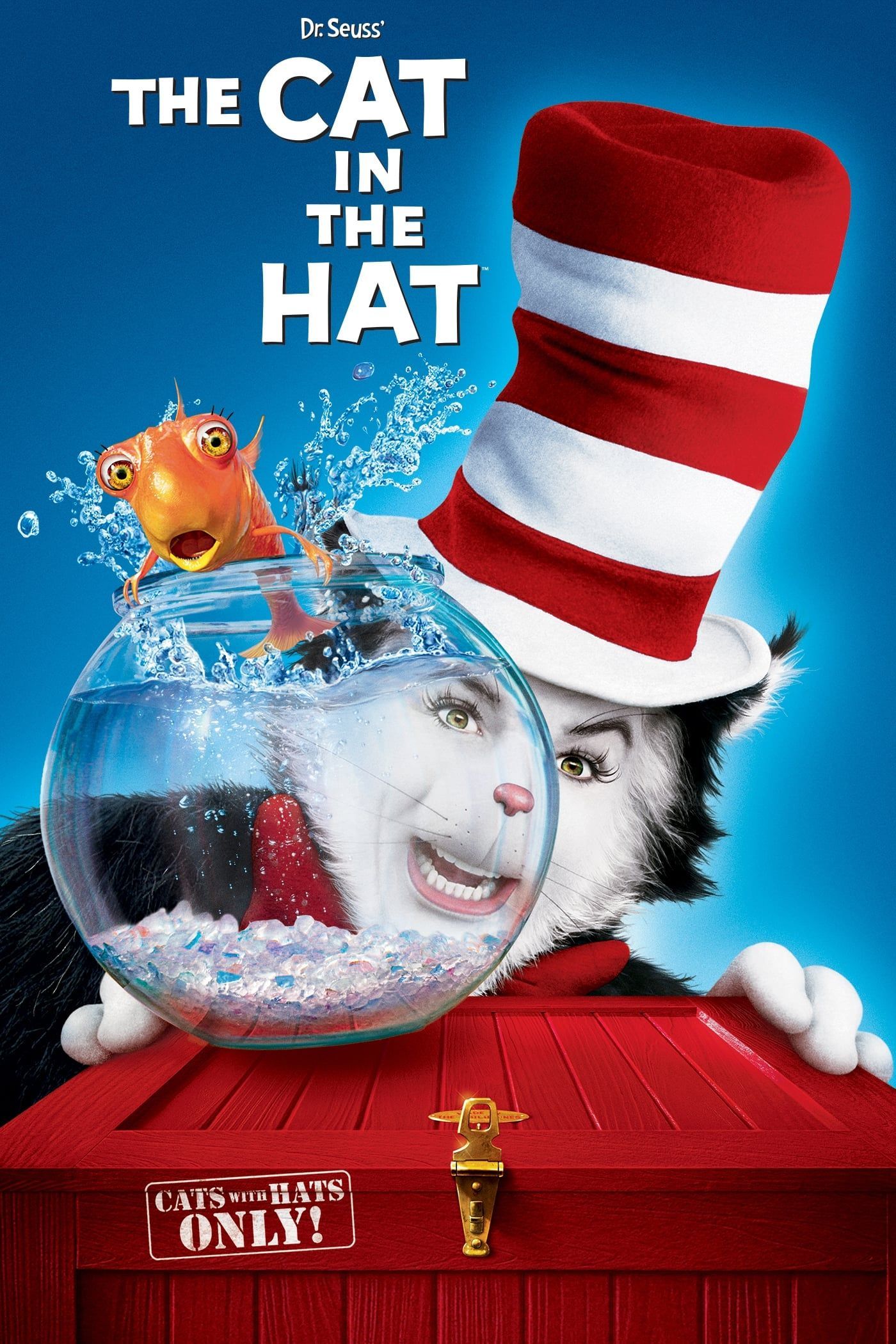
The 2026 Dr. Seuss movie, The Cat in the Hat, is scheduled for theatrical release on March 6, 2026. This animated feature marks the end of a 27-year development cycle for the modern Seuss cinematic era, starring Bill Hader as the voice of the titular character in a fresh partnership between Warner Bros. Pictures Animation and Dr. Seuss Enterprises.
The arrival of the 2026 film is not merely another entry in a franchise; it represents a pivotal moment for the legacy of Theodor Geisel. After decades of fluctuating adaptation quality and shifts in medium—from the divisive live-action experiments of the early 2000s to the more successful illumination-led era—this film serves as the foundational pillar for a new Dr. Seuss Cinematic Universe. Fans and critics alike have noted that the 27-year wait, stretching back to the initial 1999 surge in high-profile Seuss licensing, has finally culminated in a production that promises to balance anarchic comedy with the author’s original aesthetic.
The Significance of the 27-Year Wait (1999–2026)
To understand why 2026 is such a landmark year for Dr. Seuss fans, one must look back to 1999. This was the year that Hollywood's relationship with Dr. Seuss's library changed forever. Following the massive hype surrounding the production of How the Grinch Stole Christmas (released in 2000), 1999 marked the point where the Dr. Seuss estate began aggressively negotiating the future of its most prized assets for the big screen.
The "27-year wait" refers to the journey from that initial 1999 licensing boom to the 2026 release of the first definitive, high-budget animated The Cat in the Hat. During this period, the property went through several distinct phases:
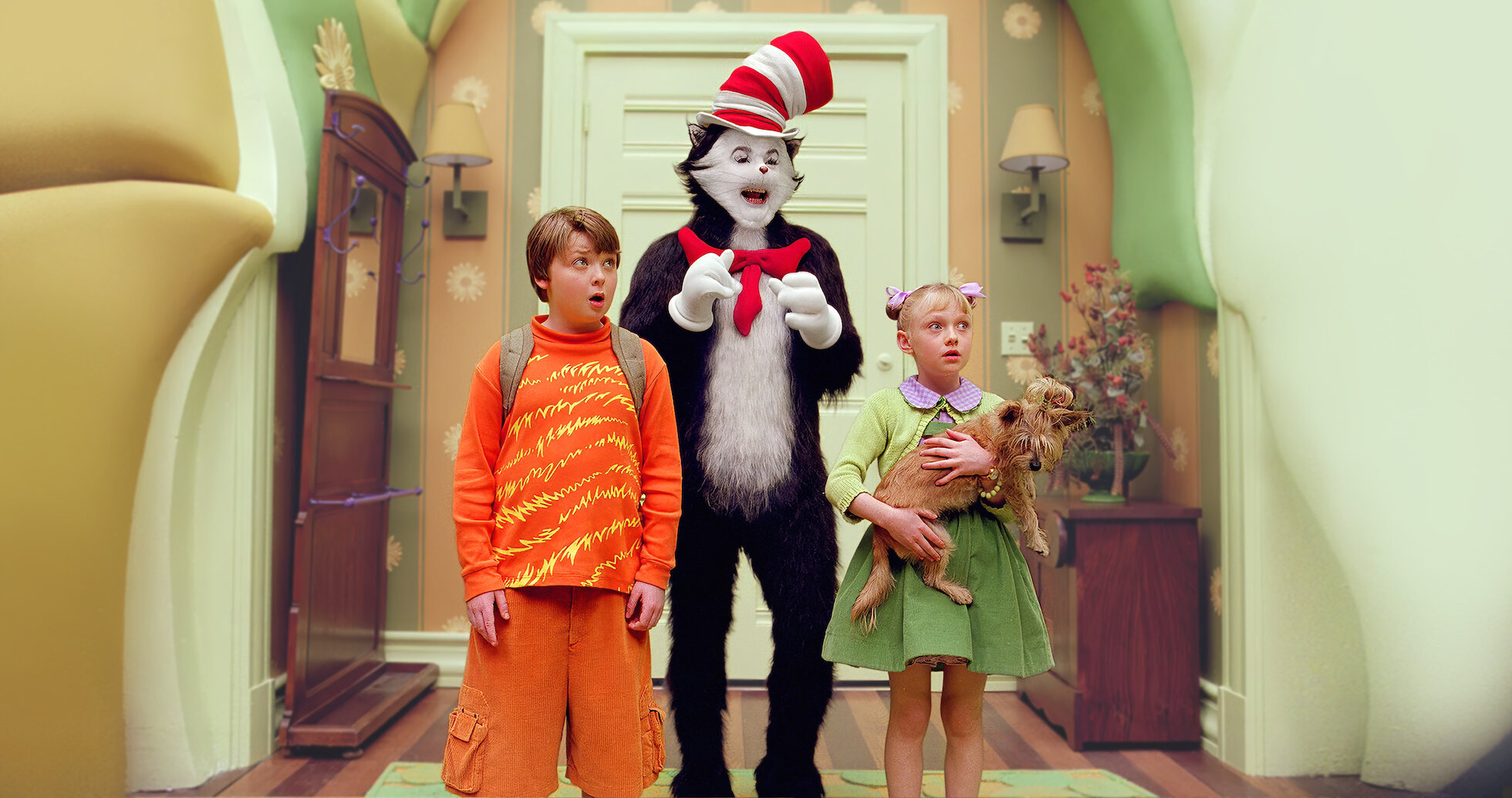
- The Live-Action Era (2000–2003): This period began with optimism but ended abruptly after the 2003 The Cat in the Hat live-action film. The film’s reception was so controversial that Audrey Geisel, the author’s widow, famously restricted any further live-action adaptations of her husband’s books.
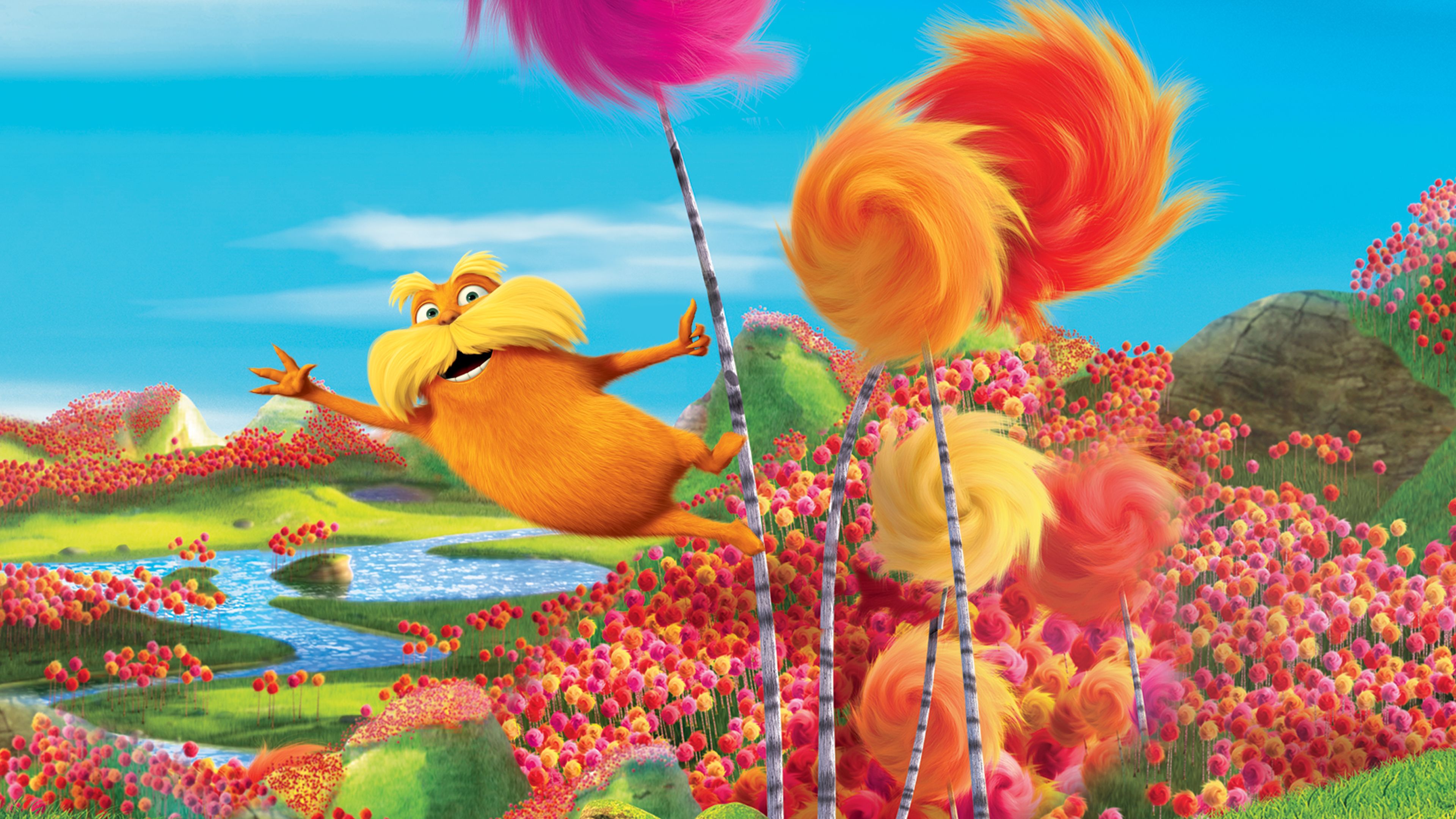
- The Animation Transition (2008–2018): Following the live-action ban, the estate pivoted to animation with Horton Hears a Who! (2008), The Lorax (2012), and The Grinch (2018). While financially successful, these films were produced by different studios (Blue Sky and Illumination), leading to a fragmented brand identity.
- The Warner Bros. Era (2020–2026): In 2020, a new deal was solidified with Warner Bros. Pictures Animation to create a cohesive, visually distinct universe. The 2026 film is the first fruit of this long-term strategy, making it the most anticipated Seuss project since the 1999 deals were first struck.
Creative Direction and Voice Cast
One of the primary reasons for the heightened interest in the 2026 movie is its creative leadership. Unlike previous iterations that often leaned too heavily into pop-culture references or slapstick, the 2026 project is led by directors Erica Rivinoja and Alessandro Carloni. Rivinoja, known for her sharp comedic writing, and Carloni, a veteran of the Kung Fu Panda franchise, bring a blend of narrative discipline and visual kineticism that suits the Cat's character.
Bill Hader as the Cat
The casting of Bill Hader as the voice of the Cat is perhaps the most significant update for the 2026 production. Hader’s ability to pivot between manic energy and dry wit is seen as a perfect match for a character that is supposed to be both a "bringer of chaos" and a sophisticated observer. Early production notes suggest that this version of the Cat will lean closer to the book’s "refined trickster" persona rather than the broader, more aggressive portrayals seen in the past.
Supporting Cast and Narrative
While the core plot remains faithful to the 1957 book—a mysterious anthropomorphic cat arriving at a house to entertain two children on a rainy day—the 2026 film expands the scope. The movie explores the Cat’s origins as a "bringer of joy" to a world that has become overly structured. The voice cast is bolstered by a diverse range of talent, including:
- Quinta Brunson
- Bowen Yang
- Xochitl Gomez
- Matt Berry
- Paula Pell
This ensemble suggests a comedic tone that is contemporary yet respectful of the source material's timeless nature.
Production Technology and Visual Style
The 2026 film distinguishes itself by utilizing a "2.5D" animation style. Following the success of films like Spider-Man: Into the Spider-Verse and The Bad Guys, Warner Bros. has opted for a look that mimics the specific pen-and-ink linework of Theodor Geisel.
In previous decades, CGI Seuss characters often looked "rubbery" or overly polished. The 2026 production uses custom shaders to preserve the sketchy, hand-drawn quality of the original illustrations. This technical choice is a direct response to fan requests for a movie that looks like the book come to life, rather than a generic digital recreation.
Key Production Milestones
| Milestone | Year | Significance |
|---|---|---|
| Initial Rights Licensing | 1999 | The beginning of the modern Seuss film era. |
| WB Partnership Announced | 2020 | Warner Bros. takes over the "Seuss Cinematic Universe." |
| Casting of Bill Hader | 2024 | Confirmed the direction of the film's tone. |
| Theatrical Release | 2026 | The culmination of the 27-year strategic cycle. |
The "Seuss Cinematic Universe" (SCU)
The 2026 The Cat in the Hat is not a standalone effort; it is the "Iron Man" of what Warner Bros. is calling the Seuss Cinematic Universe. By establishing a consistent art style and tone in 2026, the studio plans to launch a series of interconnected films.
Future projects already in development include:
- Thing One and Thing Two: An animated spin-off focusing on the Cat’s chaotic helpers.
- Oh, the Places You'll Go!: A feature-length musical adaptation slated for 2027/2028, which was also part of the long-term planning that began in the late 90s.
This strategic depth explains why the 2026 movie has been handled with such care. The studio is not just making a movie; they are repairing a brand that has been through several identity crises over the last quarter-century.
Comparing the 2026 Film to Previous Adaptations
To appreciate the 2026 version, it is helpful to contrast it with the 2003 live-action film. The 2003 version, while a box office success, was widely criticized for its "adult" humor and prosthetic makeup that many children found unsettling.
Why the 2026 Version is Different:
- Medium: By sticking to animation, the 2026 film avoids the "uncanny valley" effect of a human in a cat suit.
- Tone: The 2026 script focuses on the "whimsical anarchy" of the original poem rather than trying to compete with modern live-action comedies.
- Legacy: The involvement of Dr. Seuss Enterprises has been much more "hands-on" to ensure the core values of the Geisel estate are preserved.
Challenges in the 2026 Landscape
Despite the excitement, the 2026 movie faces the challenge of a crowded animation market. With competitors like Disney and Illumination also releasing major titles, The Cat in the Hat must prove that its brand of "structured chaos" is still relevant to a generation of children raised on fast-paced YouTube content.
The 27-year wait has built significant nostalgia among parents (who grew up during the 1999–2003 era), but the film’s ultimate success will depend on its ability to capture the imaginations of "Gen Alpha." The marketing strategy for 2026 has focused heavily on the film's "visual uniqueness," positioning it as an art-house quality film for a mainstream audience.
Frequently Asked Questions
When exactly is the 2026 Dr. Seuss movie released?
The movie, titled The Cat in the Hat, is scheduled to hit theaters on March 6, 2026. This date was selected to capitalize on the spring break corridor and the proximity to Dr. Seuss’s birthday (March 2nd), which is traditionally celebrated as "Read Across America Day."
Why do people say there has been a 27-year wait?
The "27-year wait" highlights the period between 1999—when Hollywood first secured the massive rights to adapt Seuss’s core library for the modern era—and 2026, the year of the first definitive animated "Universe" film. It represents the time it took for the estate to find the "perfect" studio and medium to translate the Cat's character correctly.
Who is in the cast of the 2026 Cat in the Hat movie?
The film features Bill Hader as the Cat. He is joined by an impressive supporting cast including Quinta Brunson, Bowen Yang, Xochitl Gomez, Matt Berry, and Paula Pell. This cast reflects a shift toward contemporary comedic voices.
Is the 2026 movie live-action or animated?
The 2026 film is fully animated. Specifically, it uses a stylized 3D technique designed to look like 2D illustrations. This follows the 2003 ban on live-action adaptations of Dr. Seuss books.
How does the 2026 movie fit into other Dr. Seuss films?
It is the first film in the new Warner Bros. Pictures Animation series. It is not connected to the Illumination films (like the 2018 Grinch) or the older Universal live-action films. It is intended to be the start of a new, cohesive cinematic universe.
Final Recommendation for Fans
For those who have followed the development of Dr. Seuss properties since the late 1990s, the 2026 release of The Cat in the Hat is a "must-watch" event. The film appears to have successfully navigated the pitfalls of previous adaptations by choosing a voice lead (Bill Hader) who understands the character's mischievous roots and an animation style that honors the original artwork.
If you are planning to see the film, it is recommended to revisit the original 1957 book first. The 2026 movie contains numerous visual "Easter eggs" that reference Theodor Geisel's specific drawing style and earlier, lesser-known works. As the March 6th release date approaches, keep an eye out for special "Read Across America" screenings, which are expected to offer exclusive behind-the-scenes content regarding the 27-year journey of the film’s production.