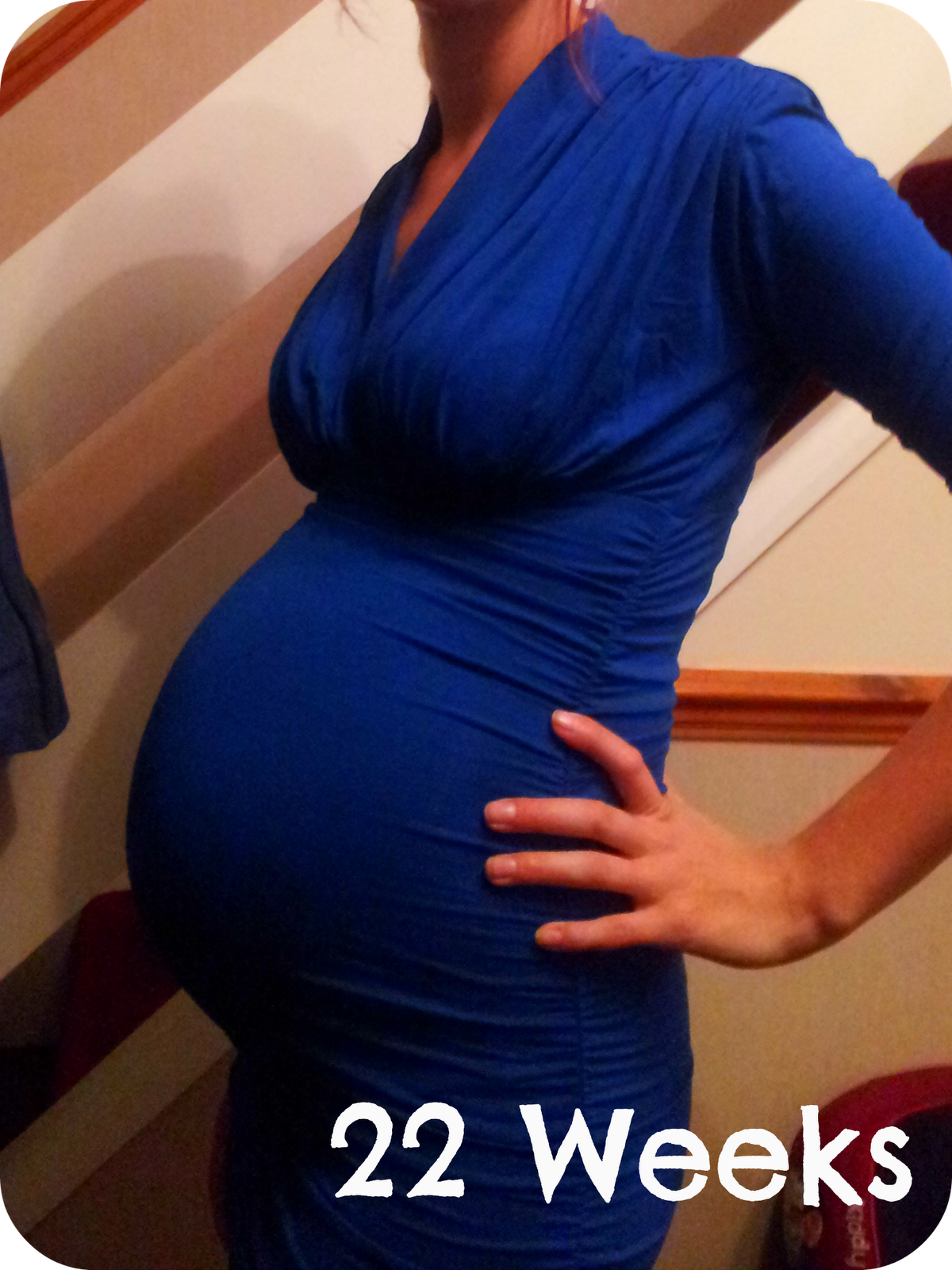
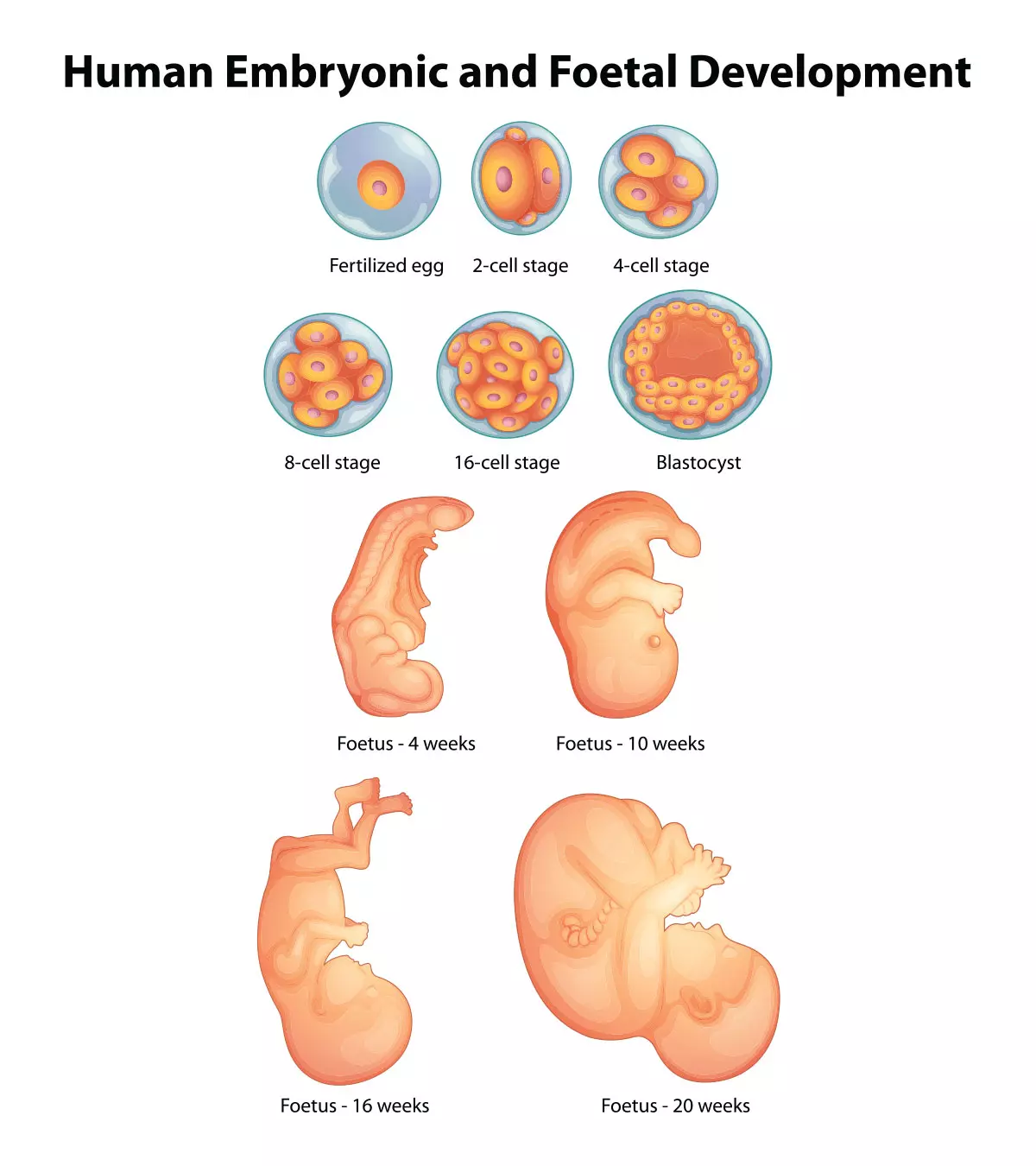
At 22 weeks pregnant, your baby is roughly the size of a papaya, weighing about 1 pound and measuring close to 11 inches from head to heel, while experiencing major structural refinements in senses, organ systems, and skin development.
Navigating the second trimester brings a multitude of physical and emotional changes for the expectant mother, but the core focus for many families centers around the rapid growth and maturation of the fetus. Reaching the 22-week mark signifies that you are well into the fifth month of pregnancy, crossing a significant milestone where the fetus transitions from looking somewhat translucent and fragile to developing more defined, human-like features. Understanding the key developmental milestones occurring this week helps demystify the prenatal journey, empowers you during clinical check-ups, and offers reassurance regarding your baby's day-by-day progress inside the womb.
(Note: The following information is for educational purposes and should not replace professional medical advice, diagnosis, or treatment. Always consult your obstetrician, midwife, or healthcare provider regarding any questions or concerns about your pregnancy.)
Understanding the Second Trimester Context
The second trimester is frequently referred to as the "honeymoon phase" of pregnancy, largely because many of the exhausting symptoms of the first trimester—such as severe morning sickness and profound fatigue—begin to subside. However, this period is characterized by intense internal architecture work for the fetus.
During week 22, the body of the fetus is shifting its energy toward weight gain, nervous system refinement, and the functional preparation of lungs and digestive tracts. While a baby born at this extremely premature stage faces substantial medical hurdles and requires intensive neonatal care, the structural developments occurring right now lay the essential groundwork for survival outside the womb in the weeks and months to follow.
Physical Measurements and General Appearance
By week 22, the physical proportions of the fetus are becoming much more balanced. Earlier in the pregnancy, the head appeared disproportionately large compared to the rest of the body. Now, the torso is catching up, and the limbs are well-proportioned.
- Weight: Approximately 1 pound (around 430 to 450 grams).
- Length: Roughly 10.5 to 11 inches (crown-to-heel measurement).
- Skin: The skin is still quite wrinkled and reddish because there is very little subcutaneous fat underneath. However, fat deposition is beginning to accelerate. The skin is covered in a protective, whitish substance called vernix caseosa and a fine, downy hair known as lanugo, both of which protect the delicate skin from the amniotic fluid.
Sensory Development and Neurological Milestones
One of the most fascinating aspects of fetal development at 22 weeks is the dramatic awakening of the senses. The brain is making millions of neural connections every single day, allowing the fetus to interact with its immediate environment in surprisingly complex ways.
Hearing and Sound Recognition
The structures of the inner ear are fully developed by this stage. Because of this, the fetus can hear a wide array of internal and external sounds with increasing clarity.
- Maternal Sounds: The rhythmic beating of your heart, the rush of blood through the umbilical cord, and the rumblings of your digestive tract form a continuous background symphony.
- External Voices: Muffled sounds from the outside world—particularly the deep tones of a partner's or parent's voice—can penetrate the abdominal wall and amniotic sac. Many parents make a habit of talking, reading, or singing to their bump around this time, as newborns often recognize familiar voices after birth.
Sight and Light Perception
While the eyelids remain fused shut to protect the developing eyes and will not open until around 26 to 28 weeks, the retinas are forming. The fetus can already distinguish between light and dark. If you shine a bright flashlight against your bare belly, the fetus may shift position or kick in response to the sudden change in luminosity.
Tactile Sensations and Movement
Nerve endings in the skin are connecting to the brain's sensory cortex. The fetus can feel the texture of the uterine wall, touch its own face, grasp the umbilical cord, and experience the sensation of swallowing amniotic fluid. You are likely feeling these movements firsthand; at 22 weeks, quickening (fetal movement) has typically evolved from gentle flutters into distinct kicks, jabs, and rolls.
Internal Organ Maturation
Beneath the surface, vital organ systems are hard at work practicing the functions they will need to perform independently at birth.
Respiratory System Preparations
The lungs are structurally complex but not yet fully mature. Tiny air sacs called alveoli are forming, and cells within the lungs are beginning to produce surfactant, a crucial substance that keeps the air sacs from collapsing when breathing air. While the lungs cannot yet exchange oxygen independently—since the fetus receives all its oxygen via the placenta—respiratory "practice" movements occur regularly as the chest wall rises and falls, inhaling and exhaling small amounts of amniotic fluid.
Digestive Tract and Excretion
The gastrointestinal tract is practicing processing nutrients. The fetus regularly swallows amniotic fluid, absorbing some of the water and passing the rest through the kidneys as urine, which contributes to the amniotic fluid volume. A dark, sticky substance called meconium—composed of ingested amniotic fluid, cellular debris, and lanugo—is accumulating in the fetal bowels and will be passed as the baby's first diaper contents after birth.
Cardiovascular System
The heart is beating at a robust rate—typically between 120 and 160 beats per minute—which is roughly twice as fast as an adult resting heart rate. Using a specialized Doppler device, your healthcare provider can easily pick up this steady rhythm during a routine prenatal appointment. The four chambers of the heart and the major blood vessels are fully formed and efficiently circulating blood throughout the tiny body.
| Organ System | Current Status at 22 Weeks | Primary Function / Milestone |
|---|---|---|
| Nervous System | Rapid neuronal connection growth | Controls coordinated movements, sensory processing, and sleep-wake cycles. |
| Lungs | Developing alveoli and surfactant | Practicing breathing motions; preparing for eventual air exchange. |
| Digestive System | Active swallowing and processing | Absorbing water from amniotic fluid; producing meconium in the bowels. |
| Skeletal System | Cartilage hardening into bone | Strengthening the spine, ribs, and long bones through calcification. |
Skeletal and Muscular Strengthening
At 22 weeks pregnant, the skeleton is undergoing a vital hardening process known as ossification. Up until this point, much of the fetal skeleton was composed of soft, pliable cartilage. Now, calcium and other minerals are depositing into the matrix, transforming cartilage into sturdy bone.
The spine, ribs, and long bones of the arms and legs are becoming much stronger and more rigid. Simultaneously, muscle mass is increasing. The fetus can flex its fingers and toes, make facial expressions (such as frowning or squinting), and practice sucking motions with its mouth—reflexes that will be vital for feeding after birth.
The Mid-Pregnancy Ultrasound: Anatomy Scan Context
For many parents, week 22 falls right in the window of the comprehensive mid-pregnancy ultrasound, commonly referred to as the anatomy scan (typically scheduled between weeks 18 and 22). This detailed imaging session serves as a crucial medical check-point.
- Structural Review: The sonographer and maternal-fetal medicine specialist examine the brain, facial profile, heart chambers, spine, stomach, kidneys, and limbs to ensure normal development.
- Placental Placement: The scan checks the location of the placenta to rule out conditions like placenta previa.
- Amniotic Fluid Levels: The volume of fluid surrounding the fetus is measured to ensure an adequate environment for growth.
- Biometric Measurements: Head circumference, abdominal circumference, and femur length are calculated to estimate fetal weight and verify that growth aligns with gestational age.
Maternal Changes and Body Adaptations
As the fetus rapidly develops, the expectant mother experiences physical adaptations to accommodate this growth. Recognizing what is normal can alleviate anxiety during the second trimester.
- Center of Gravity: With the uterus rising well above the belly button, your center of gravity shifts forward, which can lead to lower back pain or slight changes in balance.
- Braxton Hicks Contractions: You might occasionally feel your uterus tighten and relax. These "practice" contractions are normal, irregular, and typically painless. However, if they become frequent, painful, or are accompanied by spotting, contact your provider immediately.
- Skin and Hair Changes: Increased blood flow and hormonal surges can give you the characteristic "pregnancy glow," though some women experience melasma (darkened facial patches) or linea nigra (a dark line running down the lower abdomen). Hair may also feel thicker and shinier due to a temporary reduction in normal daily hair shedding.
- Emotional Shifts: Feeling regular fetal movements often makes the pregnancy feel much more real, frequently sparking a mix of excitement, nesting instincts, and mild anxiety about upcoming parenting responsibilities.
Frequently Asked Questions
Can a baby born at 22 weeks survive?
A baby born at 22 weeks is considered at the limit of fetal viability. While historical statistics showed very low survival rates, advances in neonatal intensive care units (NICUs) have improved outcomes for micro-preemies born at this stage. However, survival at 22 weeks requires intensive, specialized medical intervention and carries a high risk of long-term health complications. Every day spent in utero significantly improves a baby's chances of survival and healthy development.
What should I do if I notice a sudden decrease in fetal movement?
While every fetus has unique activity patterns and sleep-wake cycles—often resting for 20 to 60 minutes at a time—a noticeable, sudden drop in movement requires attention. If you feel that movements have slowed or stopped, drink a glass of cold water, eat a small snack, lie down on your left side, and focus on counting movements. If you do not count a baseline of movements within a couple of hours, contact your healthcare provider or labor and delivery triage immediately for guidance.
Is it safe to exercise at 22 weeks pregnant?
Generally, moderate exercise is safe and beneficial for maintaining cardiovascular health, managing weight gain, and reducing back pain during the second trimester. Safe activities often include walking, swimming, prenatal yoga, and stationary cycling. Always consult your obstetrician or midwife before starting or continuing any exercise routine, and avoid contact sports, activities with a high risk of falling, or exercises that require lying flat on your back for extended periods.
What nutritional priorities matter most at 22 weeks?
Nutritional focus during this stage centers on supporting the rapid skeletal and neurological growth of the fetus. Adequate calcium and vitamin D are essential for bone ossification, while iron intake remains crucial to support your expanded blood volume and prevent anemia. Protein intake should also remain high to supply the building blocks for growing tissues. Always discuss prenatal vitamin regimens and dietary restrictions with your healthcare provider.
Practical Next Actions
To make the most of week 22 and ensure continued health for both you and the developing fetus, focus on these actionable steps:
- Attend Scheduled Check-ups: Ensure your 22-week prenatal visit and any associated anatomy scans are completed and discussed with your provider.
- Monitor Movements: Pay gentle attention to daily movement patterns so you can easily recognize what is normal for your baby.
- Prioritize Hydration and Nutrition: Keep your body fueled with nutrient-dense foods and stay well-hydrated to mitigate common discomforts like swelling and fatigue.
- Prepare Questions: Write down any questions about labor signs, birth classes, or physical symptoms to review with your healthcare team at your next appointment.