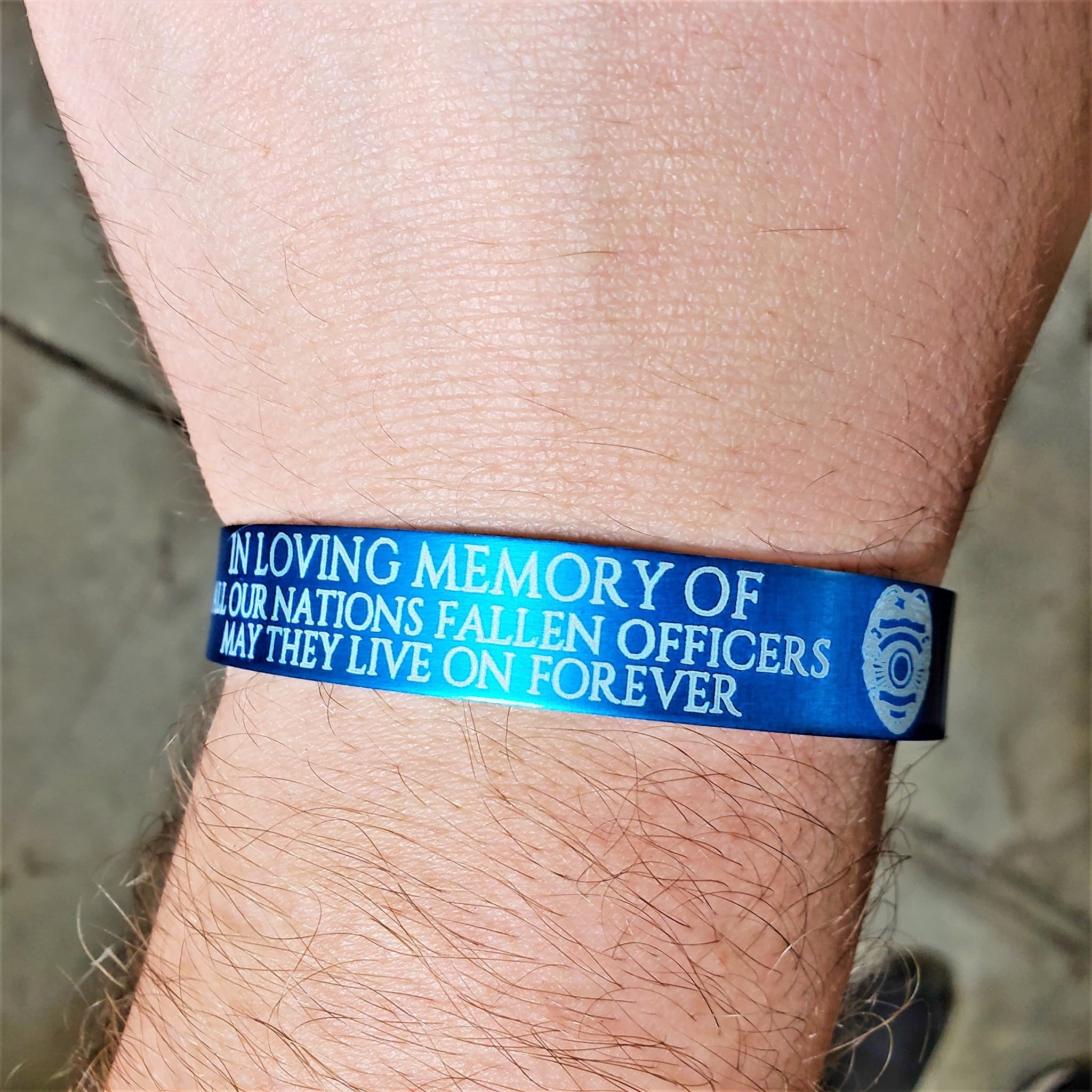
The "22 a day Valhalla project" refers to community-driven initiatives and advocacy campaigns centered on the stark statistic regarding veteran suicide—frequently cited as twenty-two military veterans lost to suicide each day—often integrated with Norse cultural motifs of Valhalla to foster camaraderie, honor fallen service members, and build peer support networks.
Understanding the Origin of the Statistic and Cultural Framing
To understand the core purpose behind any initiative utilizing this terminology, it is essential to examine both halves of the phrase: the numerical indicator and the cultural framework. The figure "22 a day" stems historically from a 2012 Department of Veterans Affairs (VA) report released in 2013, which estimated that an average of 22 veterans died by suicide each day in the United States. While subsequent data revisions, methodological updates, and broader tracking mechanisms by the Office of Mental Health and Suicide Prevention have refined these calculations, the number 22 became an entrenched cultural symbol within the veteran community. It serves as an urgent call to action, awareness, and solidarity.
Simultaneously, the term "Valhalla" draws from Norse mythology, representing the majestic hall ruled by Odin where fallen warriors slain in combat are welcomed. In modern veteran subcultures, invoking Valhalla is a way to honor the memory of those who died, reframing the tragic loss of military personnel through a lens of ultimate respect, brotherhood, and eternal remembrance. When groups or projects combine these concepts, they typically aim to create spaces—whether physical organizations, fitness challenges, or peer support groups—that counteract the isolation many veterans feel after transitioning out of active service.
Core Objectives and Operational Focus
Projects and movements bearing this identity generally focus on several key pillars designed to support military veterans, active-duty service members, and their families. Rather than functioning as a single, centralized government agency, initiatives using this branding are usually grassroots non-profits, physical fitness communities, or advocacy groups.
1. Peer-to-Peer Connection and Camaraderie
One of the primary drivers of veteran distress is the loss of the tight-knit community experienced during military service. Projects inspired by these themes establish environments where veterans can interact with others who share similar backgrounds, reducing feelings of alienation.
2. Physical Wellness and Therapeutic Outlets
Many initiatives leverage physical activity—such as rucking, weightlifting, endurance events, or martial arts—as a conduit for mental health improvement. Exercise provides a structured routine, physical exertion to manage stress, and shared challenges that forge strong bonds among participants.
3. Direct Resource Navigation
While emotional support is critical, practical assistance is equally important. These projects often connect participants with professional mental health services, crisis hotlines, career transition assistance, and housing resources, bridging the gap between individuals in need and institutional care.
Comparison of Support Approaches and Community Initiatives
To see how various veteran-focused projects operate, the following table breaks down common operational models, their primary methods, and their intended outcomes.
| Initiative Type | Primary Focus Method | Key Activities | Intended Outcome |
|---|---|---|---|
| Fitness & Rucking Clubs | Physical endurance and shared suffering | Group marches with weighted packs, fitness challenges | Building physical health, camaraderie, and routine |
| Peer Support Networks | Conversational safe spaces and mentorship | Informal meetups, mentorship pairings, storytelling | Reducing isolation and building trust among peers |
| Advocacy & Awareness Campaigns | Public visibility and education | Memorial events, social media drives, fundraisers | Educating the public and reducing veteran stigma |
| Direct Intervention Groups | Crisis response and resource routing | Connecting individuals to VA services, crisis lines, and counseling | Immediate stabilization and long-term care access |
Practical Challenges and Nuances in Veteran Advocacy
Engaging with initiatives that use intense cultural iconography or stark statistical reminders requires an understanding of both the benefits and potential pitfalls. Mental health professionals and veteran advocates often analyze these campaigns to ensure they align with evidence-based practices.
- Stigma Reduction vs. Fatalism: While the "22 a day" figure successfully raises awareness, some researchers and clinicians caution that repeating a specific mortality statistic constantly can create a sense of inevitability. Effective projects balance the sobering reality of the problem with messages of hope, recovery, and accessible treatment.
- Cultural Resonance: The use of warrior archetypes and Norse mythology resonates deeply with a specific segment of the veteran population, providing a shared language of strength and honor. However, organizers must remain inclusive to ensure that veterans from all branches, occupations, and backgrounds feel welcome.
- Professional Integration: Grassroots peer support is invaluable, but it cannot entirely replace clinical psychological care. Successful projects maintain clear pathways to licensed mental health professionals, ensuring participants receive comprehensive medical support when dealing with severe post-traumatic stress or crisis situations.
Frequently Asked Questions
What does the number 22 represent in veteran advocacy?
The number 22 originates from historical estimates published by the Department of Veterans Affairs regarding average daily veteran suicides. It has since become a widely recognized symbol used by advocacy groups to highlight the ongoing mental health crisis facing former military personnel.
Are these projects officially run by the government?
No. Initiatives using these terms are typically independent, grassroots non-profit organizations, fitness communities, or veteran-led advocacy groups rather than official government programs, though many collaborate with or point participants toward official VA resources.
How do physical fitness events help with mental health?
Physical challenges, such as group rucking or endurance events, encourage camaraderie, release endorphins, and replicate the shared hardship and teamwork many veterans miss after leaving the military, which helps alleviate isolation and stress.
Can civilians participate in these community projects?
Many organizations welcome civilian supporters, family members, and friends, particularly during awareness walks, fundraisers, and public fitness challenges, as community solidarity is viewed as a vital component of veteran reintegration.
Where can someone find immediate help in a mental health crisis?
Anyone experiencing a mental health crisis can reach the Veterans Crisis Line by dialing 988 and pressing 1, texting 838255, or visiting VeteransCrisisLine.net for free, confidential support available 24/7.
Next Steps for Supporters and Participants
For individuals looking to engage with veteran support initiatives, the most effective approach depends on personal circumstances. Veterans seeking connection should look for verified local peer groups, fitness collectives, or veteran service organizations that prioritize both community bonding and professional mental health resources. Supporters looking to contribute should research local non-profits to ensure transparency, financial accountability, and alignment with evidence-based mental health practices. By combining passionate grassroots community building with professional clinical care, these projects continue to play a meaningful role in honoring and protecting those who have served.