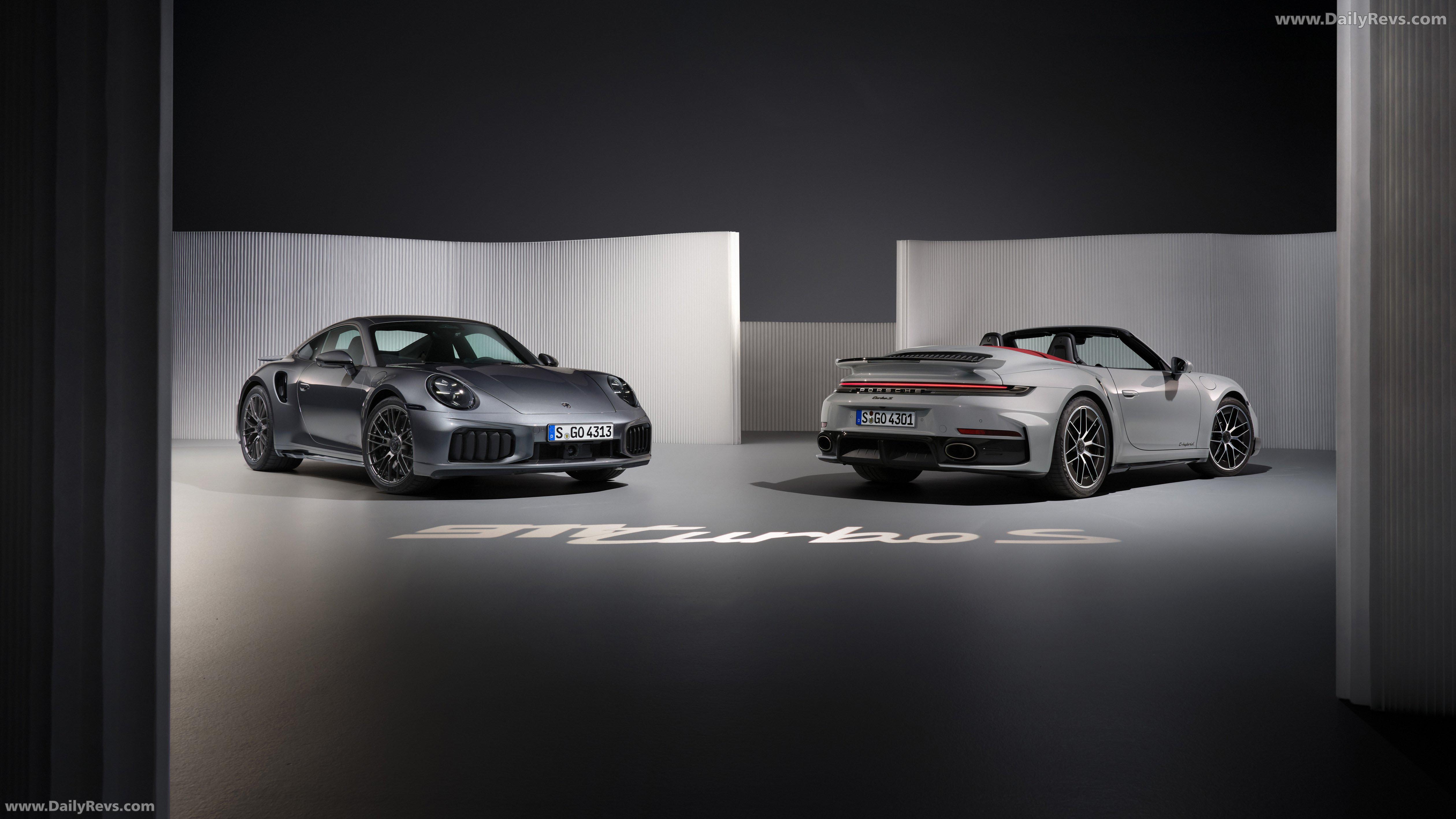
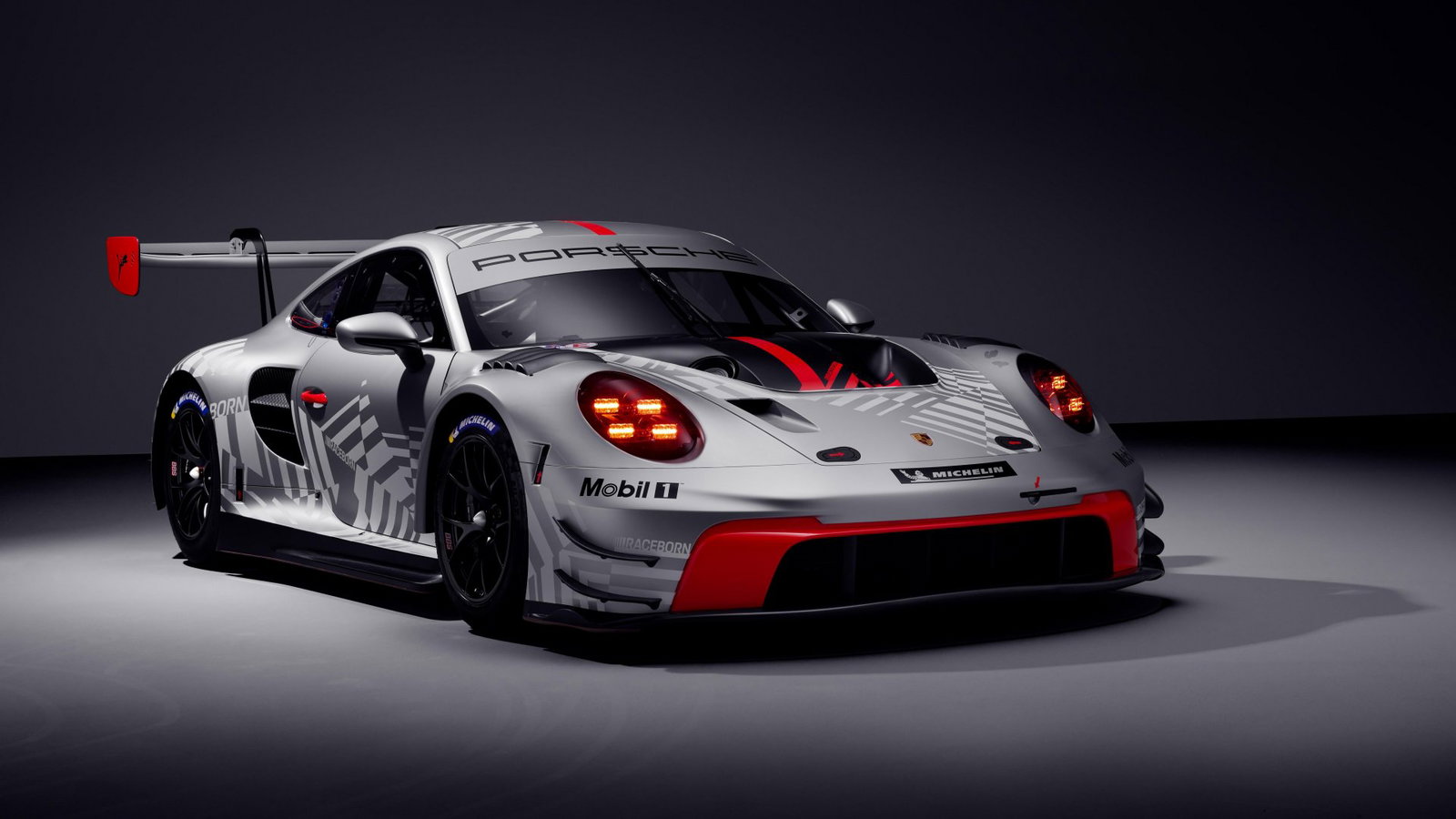
The 2026 Porsche 911 marks a historic turning point for the brand, headlined by the debut of the 992.2 generation and the introduction of the first-ever factory hybrid powertrain in the 911 GTS. Featuring a revolutionary 3.6-liter T-Hybrid system, a fully digital cockpit, and enhanced aerodynamics, this debut balances electrification with the legendary driving dynamics enthusiasts demand.
The 911 has survived for over six decades by evolving just enough to stay modern while remaining stubbornly unique in its layout. For the 2026 model year, Porsche has moved beyond incremental updates. The debut of the 992.2 represents the most significant technical shift since the transition from air-cooled to water-cooled engines in the late 1990s. While the silhouette remains familiar, the technology beneath the skin—specifically the high-voltage electrical architecture and the integrated e-turbocharger—sets a new benchmark for sports car engineering.
The T-Hybrid Revolution: A Technical Deep Dive
The centerpiece of the 2026 Porsche 911 debut is undoubtedly the T-Hybrid system found in the Carrera GTS. Unlike traditional hybrids that prioritize fuel economy or electric-only range, Porsche’s "Performance Hybrid" system is designed exclusively to eliminate turbo lag and provide instantaneous torque.
The 3.6-Liter Boxer Engine
At the heart of the GTS is a newly developed 3.6-liter horizontally opposed six-cylinder engine. Porsche increased the bore to 97 mm and the stroke to 81 mm, providing a robust foundation even before the hybrid components are considered. Despite the addition of electrical hardware, the engine itself is more compact. By removing the belt drive for the air conditioning compressor and using the high-voltage system to power auxiliary components, Porsche reduced the overall height of the engine, which further lowers the car's center of gravity.
The Electric Exhaust Gas Turbocharger
The most innovative component of the 2026 debut is the electric exhaust gas turbocharger. A permanent magnet synchronous motor is positioned on the shaft between the turbine and the compressor wheel. This motor performs two vital functions:
- Instant Boost: It spins the compressor up to speed instantly before exhaust gases take over, providing peak torque from a standstill.
- Energy Recuperation: When exhaust pressure is high, the motor acts as a generator, extracting up to 11 kW (15 hp) of power from the exhaust flow and sending it back to the high-voltage battery.
The Traction Motor and Battery
Integrated into the new eight-speed dual-clutch transmission (PDK) is a permanent magnet synchronous motor that supports the boxer engine with up to 110 lb-ft of torque and 40 kW of power. This motor is fed by a 1.9 kWh battery operating at 400 volts. Because the battery is roughly the size and weight of a standard 12V lead-acid battery, it fits under the front bonnet without compromising the 911’s iconic 2+2 seating or luggage capacity.
The Heart of the 992.2 Carrera: Refined Performance
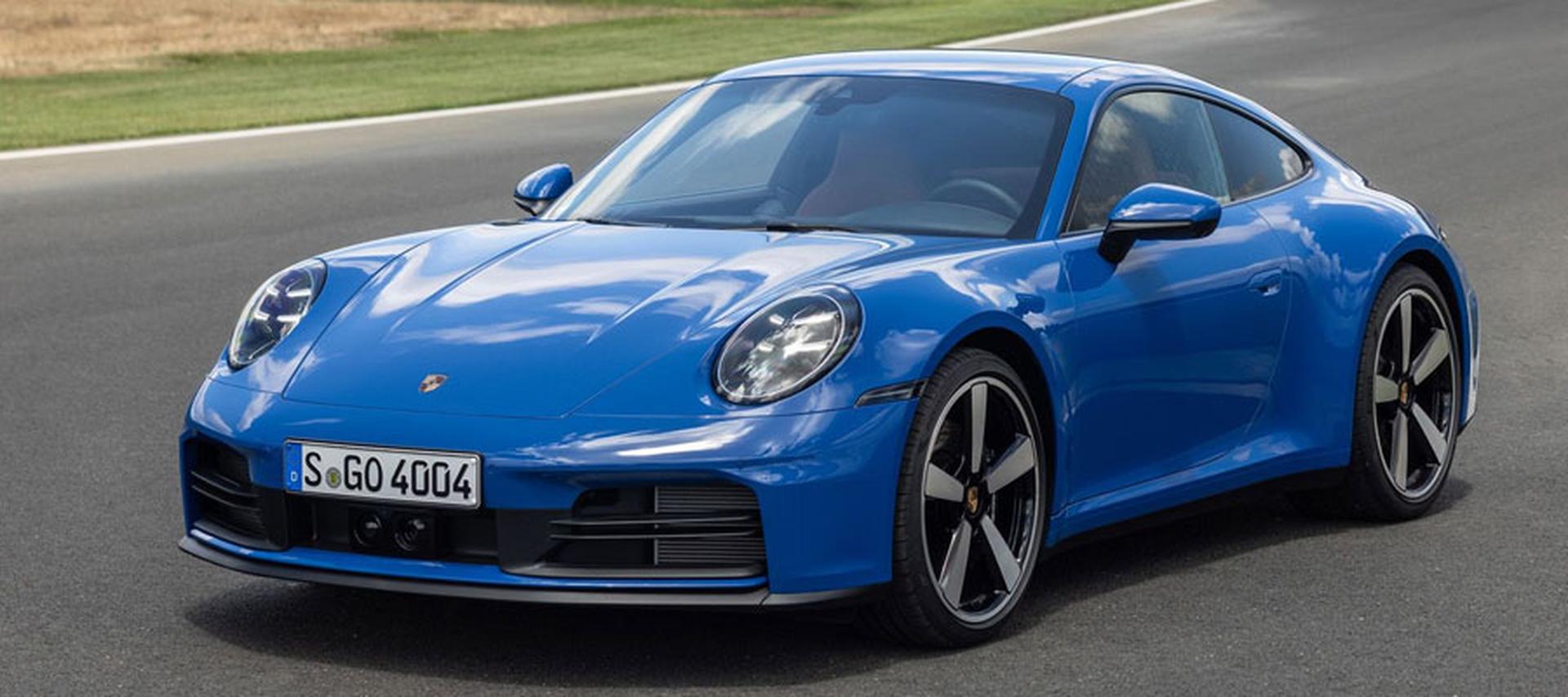
While the GTS grabs the headlines with its hybrid tech, the base 2026 Porsche 911 Carrera has also seen significant mechanical upgrades. It retains the 3.0-liter twin-turbo flat-six, but Porsche has raided the parts bin of previous high-performance models to improve efficiency and response.
The 2026 Carrera now utilizes the intercooler from the previous 911 Turbo models and the turbochargers from the outgoing GTS. These changes result in a power bump to 388 hp and 331 lb-ft of torque. By optimizing the airflow and cooling, Porsche has ensured that the base model remains competitive in a segment where performance expectations continue to climb.
The acceleration figures for the base Carrera are equally impressive, with the 0-60 mph sprint completed in just 3.7 seconds when equipped with the Sport Chrono Package. This level of performance was reserved for the Carrera S only a few years ago, demonstrating the rapid pace of development at Stuttgart.
Aerodynamics and Design Evolution
The 2026 Porsche 911 debut introduces a "form follows function" approach to its exterior design. The most noticeable change is the front fascia, which now features active cooling flaps.
Active Aero and Cooling
In the GTS models, the front air intakes feature five visible vertical flaps. When the car’s thermal load is low, these flaps close to reduce aerodynamic drag, improving efficiency. When the driver demands high performance on a mountain pass or track, the flaps open to channel air directly to the radiators. This active system is complemented by adaptive front diffusers in the underbody, which adjust in tandem with the cooling flaps to maintain optimal aerodynamic balance.
Streamlined Lighting
Porsche has also integrated all light functions—including the indicators and daytime running lights—into the main Matrix LED headlights. This eliminates the need for separate light strips in the front bumper, allowing for much larger cooling vents. The rear of the car features a redesigned light strip with an integrated "PORSCHE" logo and a new rear grille with five fins per side, which merge into the retractable rear spoiler.
The Digital Transformation: Inside the 2026 Cockpit
For the first time in the 911’s history, the driver faces a fully digital instrument cluster. This change has sparked debate among purists who cherish the physical central tachometer, but the functional benefits are undeniable.
The new 12.6-inch curved display offers up to seven different views, including a "Classic" mode that mimics the traditional five-tube layout. The digital nature of the screen allows for better integration of night vision, navigation maps, and hybrid-specific power flow telemetry.
Other interior updates for the 2026 debut include:
- The Start Button: Replacing the traditional turn-key ignition (on the left side) is a modern starter button. While it maintains the classic Porsche positioning, the tactile experience has shifted to a digital era.
- Enhanced Connectivity: The Porsche Communication Management (PCM) system now features deeper integration with Apple CarPlay, allowing users to control vehicle functions like climate control and ambient lighting directly through the Apple interface or Siri.
- Inductive Charging: A cooled smartphone compartment is now standard, ensuring that devices stay charged without overheating during high-speed maneuvers.
Model Lineup and Specifications Comparison
The 2026 model year offers a distinct split between the traditional combustion experience of the Carrera and the high-tech hybrid performance of the GTS.
| Feature | 2026 911 Carrera | 2026 911 Carrera GTS |
|---|---|---|
| Engine Type | 3.0L Twin-Turbo Flat-6 | 3.6L T-Hybrid Flat-6 |
| Horsepower | 388 hp | 532 hp |
| Torque | 331 lb-ft | 449 lb-ft |
| 0-60 mph | 3.7 seconds (w/ Sport Chrono) | 2.9 seconds |
| Top Speed | 183 mph | 194 mph |
| Drivetrain | Rear-Wheel Drive | RWD or All-Wheel Drive (4) |
| Weight (DIN) | 3,344 lbs | 3,534 lbs |
| Electrical System | 12V | 400V High-Voltage |
Chassis and Handling: Maintaining the 911 Spirit
One of the primary concerns with hybridization is weight. Porsche engineers were obsessive about mass management during the 2026 911 debut. The GTS T-Hybrid weighs only approximately 103 pounds (50 kg) more than its non-hybrid predecessor. To counteract this slight increase, several chassis improvements were made standard.
Rear-Axle Steering
Rear-axle steering is now standard on the GTS. At low speeds, the rear wheels turn in the opposite direction to the front wheels, effectively shortening the wheelbase for tighter turn-in and easier parking. At high speeds, they turn in the same direction, enhancing stability during lane changes.
Porsche Dynamic Chassis Control (PDCC)
The 2026 debut also sees the integration of the PDCC anti-roll system into the car's high-voltage architecture. By using the 400V system, the electro-hydraulic actuators can react faster and with more precision, virtually eliminating body roll in corners without compromising ride comfort on the highway.
Suspension Tuning
The PASM (Porsche Active Suspension Management) sports suspension, which sits 10mm lower than the standard Carrera, has been recalibrated for the 2026 GTS to handle the unique torque delivery of the T-Hybrid system. The result is a car that feels even more planted and responsive than the 992.1 generation.
The 2026 Porsche 911 GT3: Purity Maintained
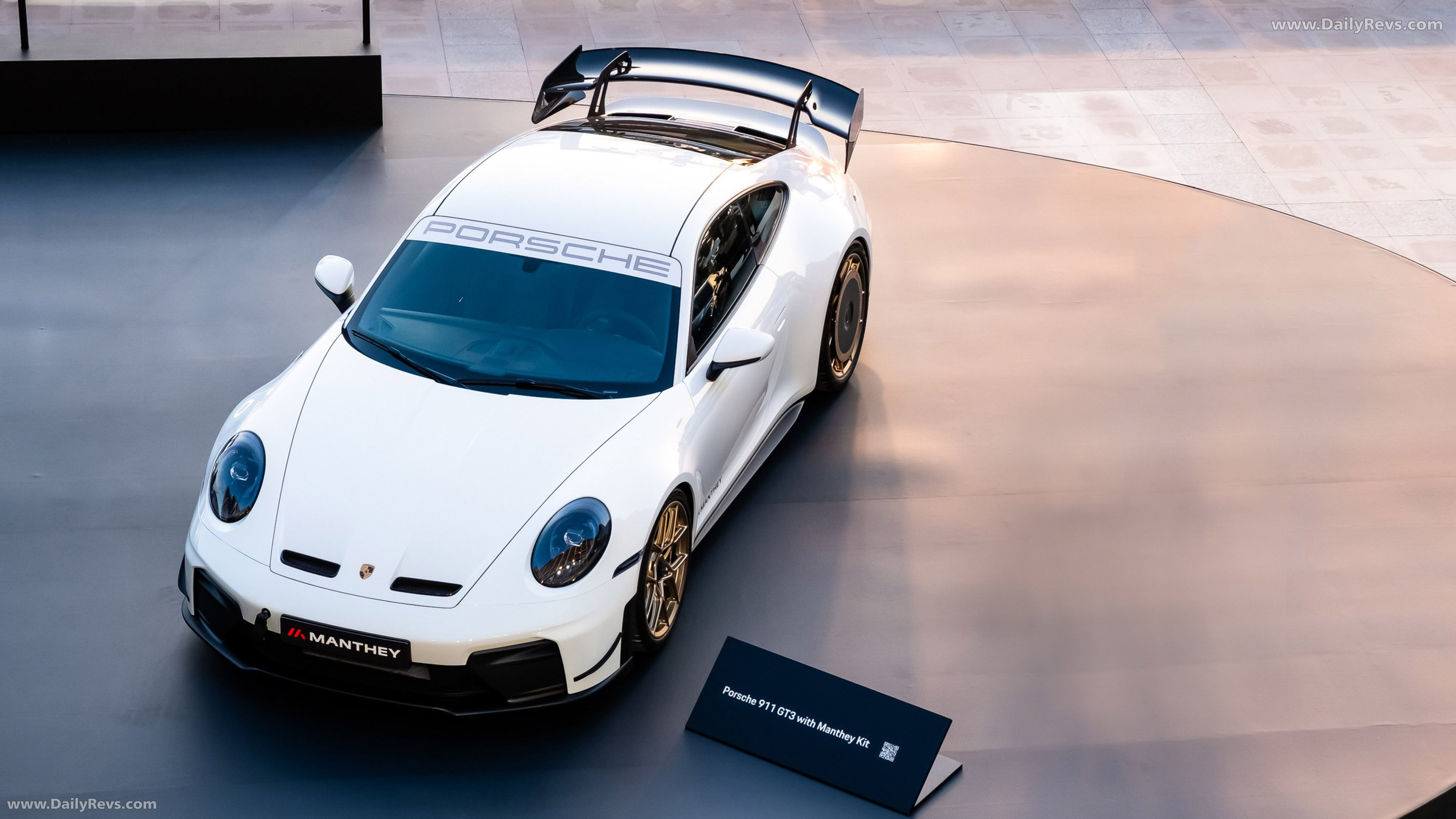
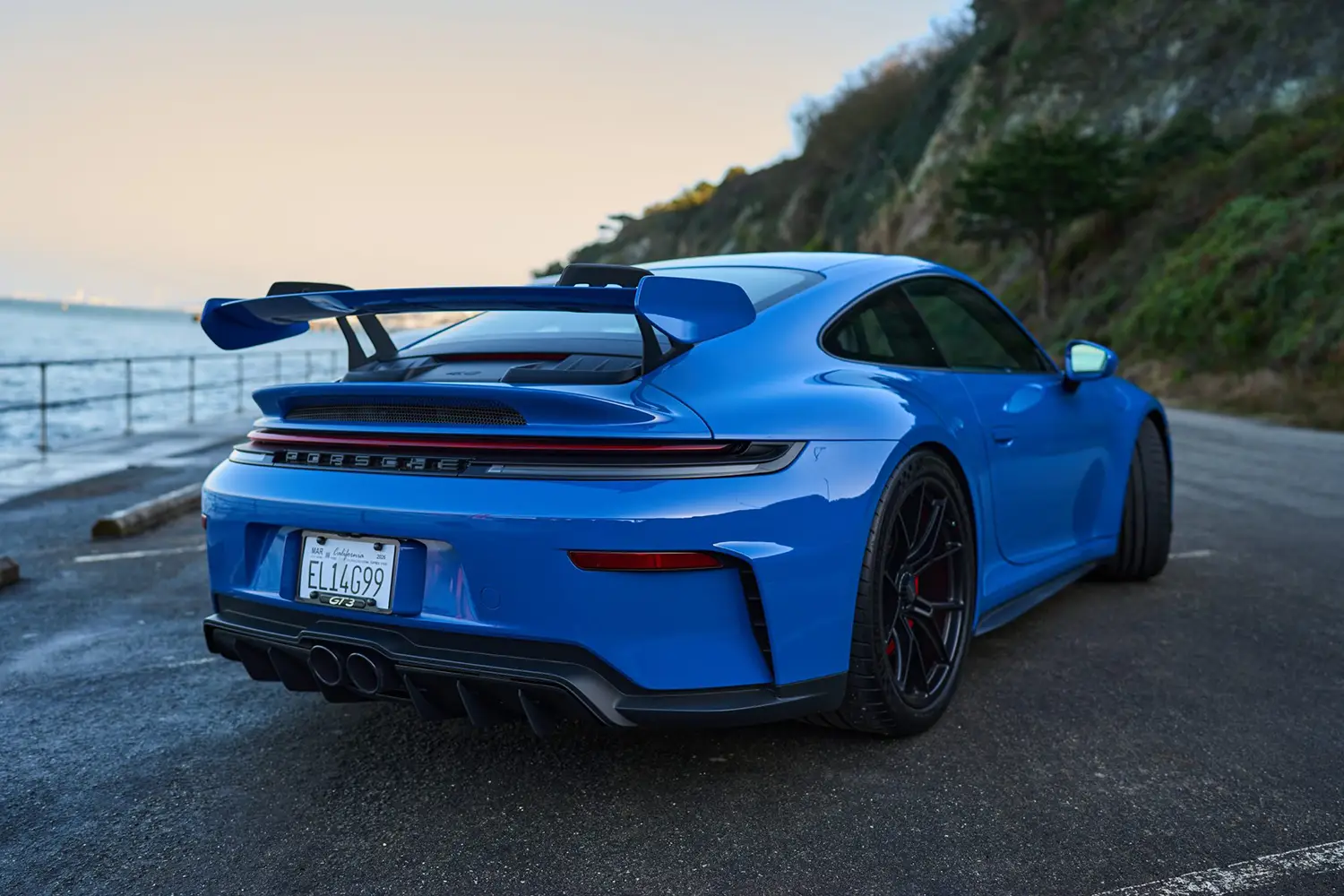
While the Carrera and GTS have moved toward turbocharging and hybridization, the 2026 debut of the updated 911 GT3 remains a sanctuary for naturally aspirated purists. Celebrating the 70th anniversary of the 911's spiritual predecessors, the 2026 GT3 (992.2) continues to use the 4.0-liter flat-six that revs to 9,000 RPM.
For 2026, the GT3 receives shorter gear ratios—an 8% reduction—in both the six-speed manual and seven-speed PDK transmissions. This ensures even more explosive acceleration in the mid-range. Additionally, the GT3 now features the same digital cockpit as the rest of the 911 range but includes a "Track Screen" mode that highlights critical data like tire pressure and oil temperature, shifting the digital tachometer so that the 9,000 RPM redline sits at the twelve-o'clock position.
External Resources for Verification
For those seeking further technical documentation or official performance data, the following sources provide authoritative insights into the 992.2 generation:
- Porsche Newsroom: The New 911 GTS T-Hybrid - Official technical specifications and press releases.
- SAE International: Electrification of Sports Cars - Context on the 400V architecture and e-turbocharger technology.
- The Nürburgring Official Lap Times - Verified performance data for the 2026 GTS and GT3 variants.
Frequently Asked Questions
Does the 2026 Porsche 911 require a plug to charge?
No, the 2026 Porsche 911 Carrera GTS is a "performance hybrid" or T-Hybrid, not a plug-in hybrid (PHEV). It charges its 1.9 kWh battery through regenerative braking and by using the electric motor in the turbocharger to harvest energy from exhaust gases. There is no external charging port, and the car cannot be driven on electric power alone for long distances.
Is the manual transmission still available in 2026?
Yes, but availability depends on the specific model. The 2026 911 GT3 and GT3 Touring continue to offer a six-speed manual transmission as a no-cost option. However, for the initial debut of the 992.2 Carrera and Carrera GTS, the eight-speed PDK is the only transmission available to manage the complex torque integration of the T-Hybrid system.
What is the main benefit of the T-Hybrid system?
The primary benefit is the elimination of turbo lag. Traditional turbos require exhaust gas pressure to build up before they provide boost. In the 2026 GTS, the electric motor on the turbocharger spins the turbine instantly, providing immediate throttle response that feels more like a large, naturally aspirated engine than a turbocharged one.
How does the digital dash affect the driving experience?
The digital dash offers significantly more customization than the previous analog-digital hybrid cluster. While some enthusiasts miss the physical needle of the tachometer, the new 12.6-inch screen provides better visibility through the steering wheel and can display high-resolution maps and night vision feeds directly in the driver's line of sight.
Can the T-Hybrid system be serviced by standard mechanics?
Because the T-Hybrid system operates on a 400-volt high-voltage architecture, it requires specialized training and equipment to service. Owners should ensure that maintenance involving the electrical powertrain is performed by Porsche-certified technicians who are equipped to handle high-voltage vehicle systems safely.
Final Recommendation
The 2026 Porsche 911 debut represents a masterclass in balanced evolution. If you are a buyer seeking the cutting edge of automotive engineering, the Carrera GTS with the T-Hybrid system is the definitive choice, offering a level of responsiveness that was previously impossible in a turbocharged car. For those who prefer a more traditional, lightweight experience, the base Carrera remains the benchmark for daily-driver sports cars. However, if your priority is investment value and mechanical purity, the 2026 GT3 remains the most sought-after variant in the lineup. Regardless of the model chosen, the 992.2 generation proves that Porsche can embrace electrification without sacrificing the soul of the 911.