The milestone reached on December 22, 2025, marked the formal conclusion of Detroit’s first decade as a UNESCO City of Design. This date celebrated the successful execution of the "Detroit City of Design Strategic Plan," which integrated inclusive design into urban infrastructure, automotive innovation, and neighborhood revitalization, solidifying the city’s role as a global leader in the creative economy.
The significance of December 22, 2025, cannot be overstated for the city of Detroit. As we look back from the vantage point of 2026, this date serves as the "closing of the books" on a ten-year experiment that began in 2015 when Detroit became the first and only city in the United States to receive the UNESCO City of Design designation. This milestone was not merely a ceremonial anniversary; it represented the realization of specific, measurable goals in economic equity, industrial evolution, and sustainable urbanism.
The journey to this milestone involved a massive coordination effort between the City of Detroit, Design Core Detroit (the steward of the designation), the College for Creative Studies (CCS), and the private sector. By late 2025, the city had moved beyond its identity as just a "car town" to a holistic "design capital," where the principles of the UNESCO Creative Cities Network (UCCN) were visible in every renovated storefront and every smart-grid intersection.
The UNESCO Designation and the 2025 Strategic Vision
To understand the 2025 milestone, one must first understand the framework established in 2015. The UNESCO Creative Cities Network was created to promote cooperation among cities that identified creativity as a strategic factor for sustainable urban development. Detroit was selected specifically because of its deep-rooted history in industrial design and its potential to use design as a tool for social and economic recovery.
The 10-year strategic plan, which culminated on December 22, 2025, focused on three primary pillars:
- Inclusivity and Equity: Ensuring that design processes included the voices of Detroit’s long-term residents.
- Economic Growth: Growing the creative economy by supporting design-driven businesses and startups.
- Global Stature: Positioning Detroit as a global hub for industrial, automotive, and sustainable design.
By the time the December milestone arrived, Detroit had successfully hosted over 500 international design delegations and integrated design-thinking workshops into 15 neighborhood-level "Design Centers." These centers allowed residents to directly influence the aesthetics and functionality of their local parks, bus stops, and housing developments.
Physical Landmarks and Urban Infrastructure Achievements
The milestone of December 22, 2025, was anchored by the completion of several massive physical projects that redefined the city’s skyline and streetscape. These projects served as tangible proof that Detroit’s design-first approach was yielding results.
The Michigan Central Innovation District
Perhaps the most visible achievement by the end of 2025 was the full activation of the Michigan Central Innovation District. While the grand reopening of the train station occurred in 2024, the final phase of the surrounding "mobility campus" was completed just before the December 2025 milestone. This 30-acre district became a living laboratory for urban design, featuring autonomous shuttle lanes, permeable pavement for rainwater management, and adaptive reuse of historic warehouses that now house hundreds of design and technology startups.
The Joe Louis Greenway
A critical component of the 2025 vision was the "Joe Louis Greenway," a 27.5-mile looping trail system connecting Detroit to neighboring cities like Dearborn and Hamtramck. By the December 2025 milestone, the most complex sections of the greenway—those traversing former industrial corridors—were officially opened. The greenway is more than a bike path; it is a masterclass in landscape architecture, using native plantings to remediate soil and providing a safe, designed space for community interaction in previously neglected areas.
Industrial Evolution: From Manufacturing to Experience Design
The Detroit design milestone also reflected a tectonic shift in the city's primary industry: automotive manufacturing. In 2025, Detroit’s "Big Three" (Ford, GM, and Stellantis) reached a critical mass in their transition to electric and software-defined vehicles.
Industrial design in Detroit evolved from focusing on the "shell" of the car to the "user experience" (UX) of mobility. The College for Creative Studies (CCS) played a pivotal role here, graduating record numbers of designers specialized in human-machine interface (HMI) and sustainable materials. By late 2025, the interior of a Detroit-designed vehicle was more likely to be judged on its biophilic design (integrating nature into the cabin) and its use of recycled ocean plastics than on its horsepower.
This industrial shift was verified by the 2025 Creative Economy Report, which showed that design-related jobs in Detroit had grown by 18% over the decade, with a specific surge in digital product design and sustainable manufacturing consulting.
Social and Economic Impact Metrics
The success of the 10-year UNESCO plan was measured by more than just aesthetics. The December 22, 2025, milestone was backed by data showing how design improved the lives of Detroiters.
| Metric | 2015 (Designation Year) | 2025 (Milestone Year) | Impact Category |
|---|---|---|---|
| Creative Sector Jobs | ~25,000 | ~31,500 | Economic Development |
| Neighborhood Design Centers | 0 | 15 | Community Engagement |
| LEED Certified Buildings | 42 | 115 | Sustainability |
| Annual Design Festival Attendance | 30,000 | 105,000 | Tourism & Global Stature |
| Public Transit Design Score | Low (Limited Connectivity) | High (Integrated Mobility) | Infrastructure |
The "Design Score" in the table above refers to the City's internal metric for evaluating how public services—such as the DDOT bus system and the QLine—integrated user-centered design to reduce wait times and improve accessibility for disabled residents.
The Role of Design Core Detroit and Local Advocacy
The steward of this decade-long journey was Design Core Detroit, an organization housed within the College for Creative Studies. Their role was to act as the liaison between the UNESCO headquarters in Paris and the local design community.
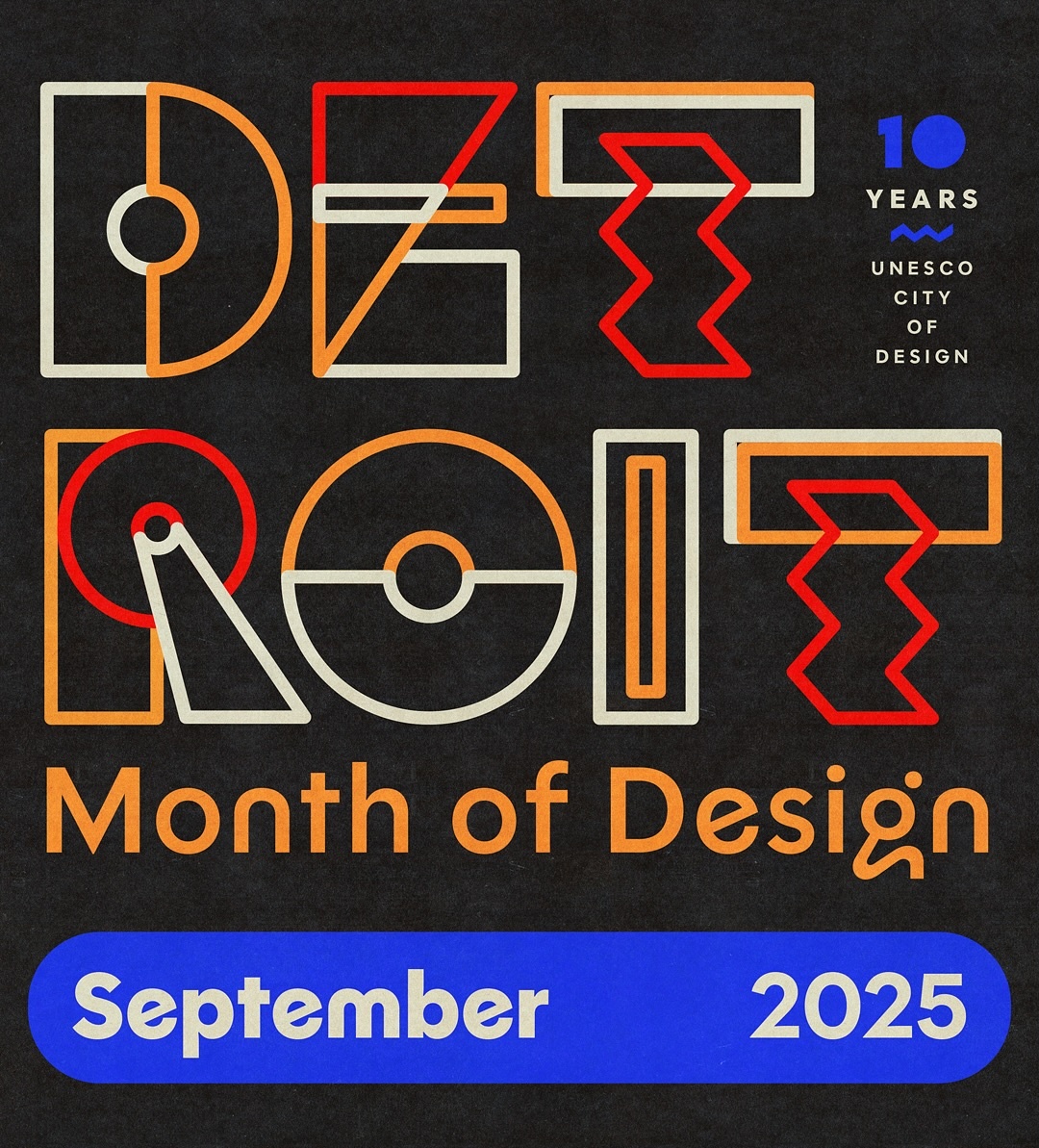
Throughout 2025, Design Core focused on the "Detroit Design 139" initiative, which promoted 139 square miles of inclusive design. They ensured that the milestone of December 22 wasn't just a downtown celebration. Instead, it was marked by the "Month of Design," which expanded into December for the first time to celebrate the 10th anniversary. This expansion included light installations in neighborhood parks and the unveiling of a permanent UNESCO City of Design monument at the city’s gateway.
One of the most significant achievements advocated by Design Core was the implementation of "Design Justice" principles in city contracting. This required that any major municipal project undergo a design review process that prioritized environmental impact and community equity, a policy that became a national model by early 2026.
Challenges and Lessons Learned
The road to the December 2025 milestone was not without its difficulties. The city had to navigate the "design gap"—the tension between rapid luxury development in the urban core and the slower pace of investment in the outer neighborhoods.
- Gentrification Concerns: Critics often argued that "good design" was a precursor to rising property taxes. To address this, the 2025 milestone included the launch of the "Design-Led Affordable Housing Fund," which used modular design and energy-efficient technology to keep construction costs low and homes affordable.
- Technical Debt: Modernizing the city’s aging infrastructure with "smart design" required overcoming decades of neglected maintenance. The milestone celebrated the fact that Detroit had finally replaced 90% of its lead service lines, a project that was as much an engineering feat as it was a design victory for public health.
- Workforce Retention: Keeping talent in Detroit was a challenge early in the decade. By 2025, however, the "Detroit Design Scholarship" program had successfully placed over 1,000 local graduates into high-paying design roles within the city limits.
Frequently Asked Questions
Why is Detroit the only UNESCO City of Design in the United States?
Detroit received the designation in 2015 due to its unparalleled legacy in industrial design (the birthplace of the assembly line and modern automotive design) and its unique commitment to using design as a tool for urban regeneration. While other US cities have applied, Detroit’s specific "Design Core" infrastructure and its "Detroit Design 139" vision met the rigorous UNESCO criteria for community impact and global cooperation.
What happened on December 22, 2025?
December 22, 2025, marked the official 10-year anniversary of Detroit’s UNESCO designation and the final reporting date for the 2015-2025 Strategic Plan. It was the day the city formally submitted its "Decennial Impact Report" to UNESCO, detailing the growth of the creative economy and the completion of major design-led infrastructure projects like the Michigan Central mobility campus.
How does Detroit's design milestone affect current real estate values in 2026?
The design-led approach has stabilized property values by improving neighborhood "walkability" and aesthetics. By focusing on "Middle Neighborhoods" through the Strategic Neighborhood Fund, the city has seen a more even distribution of property value increases, rather than isolated spikes in the downtown area.
Can other cities replicate Detroit’s design-led recovery model?
Yes, but with caveats. Detroit’s model relies heavily on the partnership between a specialized design college (CCS), a dedicated non-profit (Design Core), and a city government willing to integrate design into its procurement processes. Other cities would need to establish a similar "tri-partite" leadership structure to achieve comparable results.
What is the "2035 Vision" mentioned during the milestone?
The 2035 Vision is the successor to the 2025 plan. It focuses on "Climate-Positive Design," aiming to make Detroit the first UNESCO City of Design to reach carbon neutrality through adaptive reuse of its industrial buildings and the implementation of a city-wide circular economy for manufacturing.
Next Steps for Detroit Design in 2026
As we move forward into 2026, the focus has shifted from "achieving designation" to "sustaining excellence." For residents, business owners, and designers, the following actions are recommended:
- Engage with Neighborhood Design Centers: If you are a resident, visit one of the 15 centers to propose local improvements. The funding for neighborhood-led projects has been renewed through 2030.
- Invest in the Creative Economy: Businesses are encouraged to utilize the "Detroit Design Network" to find local talent for branding, product design, and architectural services.
- Participate in the 2026 Month of Design: Planning is already underway for the September 2026 festival, which will showcase the first prototypes of the "Climate-Positive" initiatives.
The milestone of December 22, 2025, was a finish line, but for a city that has reinvented itself as many times as Detroit, it was also a new starting block. The "Detroit Way" of design—gritty, functional, and deeply human—is now the standard for the rest of the world.