The 2021 Mexican Grand Prix, held at the Autódromo Hermanos Rodríguez, served as a pivotal turning point in the intense 2021 Formula One World Championship battle between Max Verstappen and Lewis Hamilton. Verstappen’s dominant victory extended his championship lead, showcasing the tactical and mechanical superiority Red Bull Racing achieved at the high-altitude circuit, which fundamentally altered the trajectory of the season’s title fight.
The Context: Altitude and Performance Dynamics
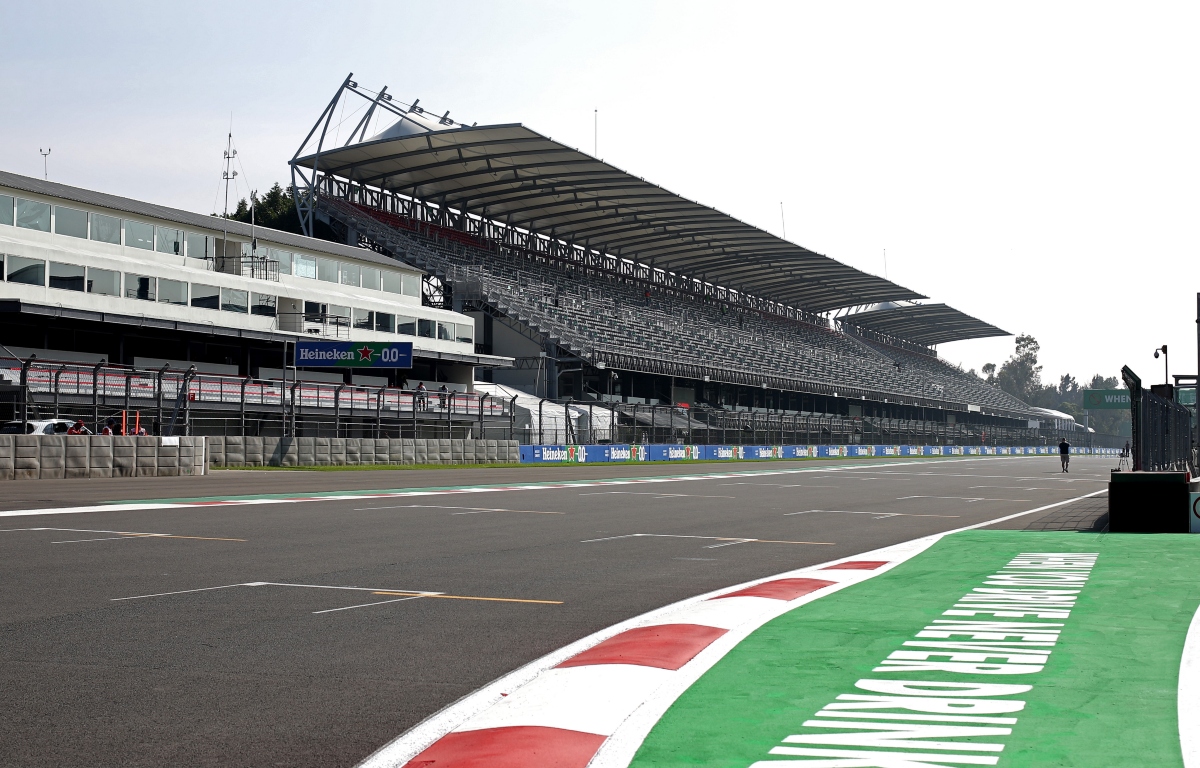
To understand the 2021 Mexican Grand Prix, one must first recognize the unique geographical and technical challenges of the Autódromo Hermanos Rodríguez. Situated approximately 2,240 meters above sea level, the circuit presents a distinct environment that severely affects engine performance and aerodynamic efficiency.
At this altitude, the air is significantly thinner, meaning oxygen levels are lower. This reduces the internal combustion engine’s power output, as there is less oxygen available for the combustion process. Simultaneously, the thin air results in less aerodynamic downforce, even with wings set to their maximum angle of attack. Consequently, teams often run their cars in "Monaco-spec" high-downforce configurations just to achieve the grip levels required for the twisting stadium section.
Entering the race, Red Bull Racing was widely considered the favorite. The Honda power unit used by Red Bull historically performed better in thin air compared to the Mercedes power plant. This technical nuance created an expectation of a Red Bull advantage, which placed immense pressure on Lewis Hamilton and Mercedes to minimize points loss during a weekend where track conditions favored their rival.
Qualifying Performance: The Mercedes Surprise
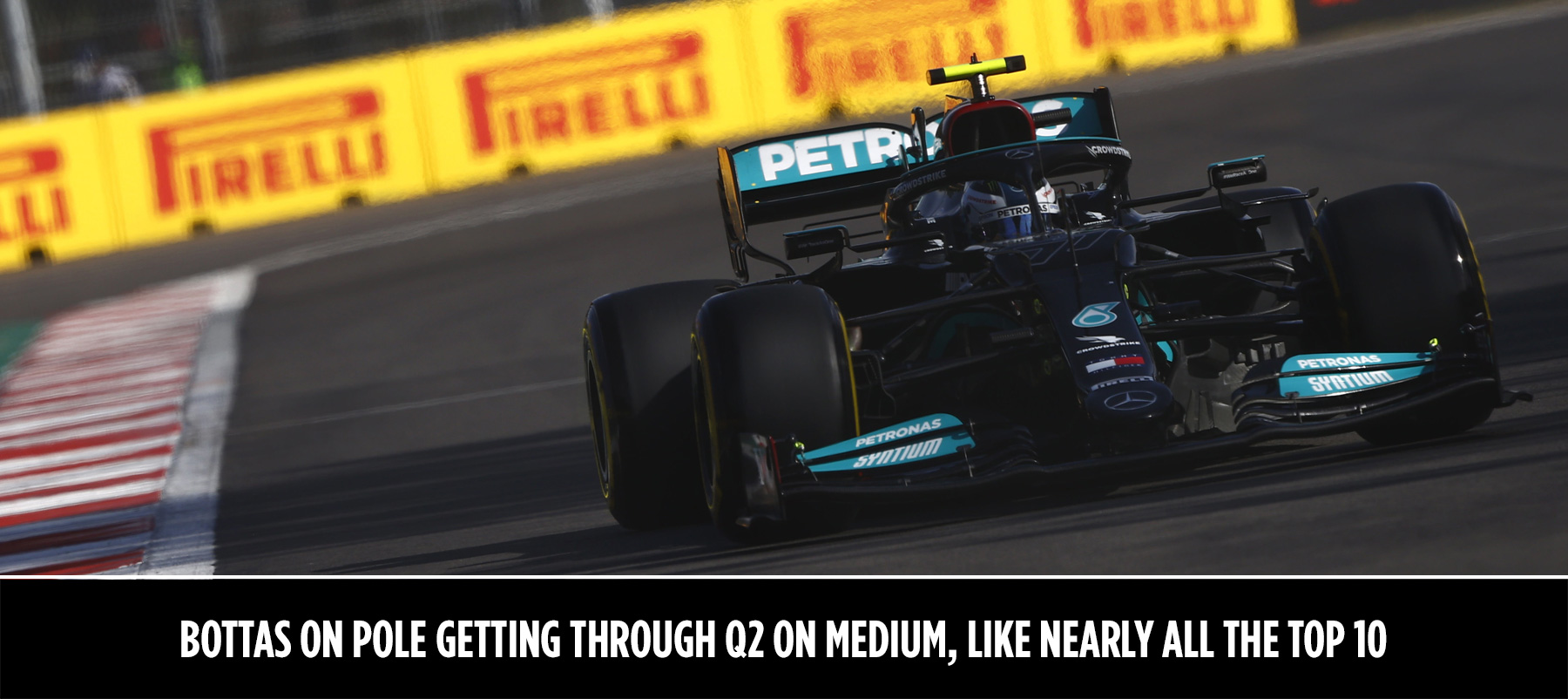
Heading into Saturday, most analysts anticipated a Red Bull pole position. However, the qualifying session provided one of the most unexpected results of the 2021 season. Valtteri Bottas and Lewis Hamilton locked out the front row for Mercedes, pulling off a performance that caught the Red Bull camp off guard.
The Mercedes W12, which had struggled with drag and balance issues throughout the season, appeared to find a "sweet spot" in the cool, thin air of Mexico City. Bottas secured pole position with a lap that demonstrated significant confidence, followed closely by Hamilton. This result was critical because overtaking at the Mexican Grand Prix is notoriously difficult, primarily due to the long run from the grid to the first corner, where the slipstream effect is magnified by the lack of air density.
The Race Start: Verstappen’s Masterclass
The race start on Sunday, November 7, 2021, remains one of the most discussed segments of the entire season. As the lights went out, the long run down to Turn 1 gave the drivers trailing in the slipstream a massive advantage. While Bottas started from pole, he was immediately hampered by the suction created by the cars behind him.
Max Verstappen, starting third, utilized the slipstream perfectly. He surged into the gap between the two Mercedes cars as they approached the braking zone. In a display of late-braking precision that became a hallmark of his 2021 campaign, Verstappen moved to the outside line, swept around both the Mercedes cars, and emerged from the first sequence of corners in the lead.
Behind them, chaos ensued. Daniel Ricciardo clipped the back of Valtteri Bottas’s car, sending the Mercedes into a spin and relegating the pole-sitter to the back of the field. This incident effectively removed the second Mercedes from the strategic fight, leaving Lewis Hamilton alone to fend off the Red Bull pressure.
Strategic Dominance and Tire Management
Following the early safety car, which was deployed to clear debris from the Turn 1 incident, the race settled into a battle of tire preservation and strategic patience. The Pirelli compounds used in Mexico—the C2, C3, and C4—proved sensitive to the track surface and the intense cooling requirements necessitated by the altitude.
Verstappen controlled the pace from the front, consistently managing his gap to Hamilton. Red Bull’s strategy centered on extending the first stint to avoid traffic and ensuring that the hard compound tires, chosen for the second half of the race, could survive the heat cycle.
Mercedes, meanwhile, struggled with tire overheating. Hamilton’s W12 appeared to lack the tire-life efficiency that Verstappen displayed. Sergio "Checo" Pérez, the local hero, provided a secondary layer of pressure for Red Bull. By staying within striking distance of Hamilton, Pérez forced Mercedes into a defensive posture. The threat of an undercut from Pérez prevented Mercedes from being overly aggressive with their pit strategy, eventually allowing Red Bull to maintain total control of the podium standings.
The Performance Comparison Table
| Driver | Team | Race Position | Strategy Note |
|---|---|---|---|
| Max Verstappen | Red Bull Racing | 1st | Perfect start, controlled pace |
| Lewis Hamilton | Mercedes | 2nd | Struggled with tire temp/management |
| Sergio Pérez | Red Bull Racing | 3rd | Strong home support, held off Gasly |
| Pierre Gasly | AlphaTauri | 4th | Consistent performance in high altitude |
| Charles Leclerc | Ferrari | 5th | Solid point haul for team championship |
Technical Impact: Why Red Bull Excelled
The success of the Red Bull RB16B in Mexico was not merely due to driver talent; it was a testament to the team’s engineering focus on cooling and power management. In Mexico, cooling is a major constraint. To prevent the power unit from overheating, cars must open up their bodywork, which usually ruins aerodynamic efficiency.
Red Bull’s design allowed for more efficient heat dissipation through their sidepod and rear-deck cooling vents. This enabled them to maintain a tighter aerodynamic profile than their competitors. While Mercedes had to open their car’s "gills" wider to keep the engine from suffering thermal degradation, Red Bull could keep the bodywork relatively closed, reducing drag and increasing top-end speed on the long start-finish straight.
The "Checo" Factor: Home Hero Impact
The 2021 Mexican Grand Prix was not just a title fight; it was a national celebration of Sergio Pérez. The atmosphere at the Autódromo Hermanos Rodríguez was electric, with a record-breaking crowd chanting for their local driver throughout the weekend.
Pérez’s third-place finish made him the first Mexican driver to stand on the podium at their home Grand Prix. His performance was crucial to Red Bull’s Constructors' Championship effort. By staying close to Hamilton, he served as a tactical "buffer," preventing Hamilton from taking strategic risks that could have jeopardized Verstappen’s lead. The synergy between Verstappen and Pérez during this race demonstrated a level of team cohesion that eventually played a role in the season's closing stages.
Lessons and Legacy
The 2021 Mexican Grand Prix acted as a microcosm of the entire 2021 season: intense, tactically complex, and high-stakes. Verstappen’s victory signaled a clear shift in momentum. With only a few rounds remaining in the calendar, the win effectively moved Verstappen into a position where he could finish second behind Hamilton in subsequent races and still hold the championship lead.
For the sport, the event highlighted the importance of technical adaptability. It remains a case study for engineers on how to maximize performance under extreme environmental constraints. The race also solidified the status of the Mexico City track as a fan favorite, known for its unique atmosphere and the challenge it presents to both machine and driver.
Frequently Asked Questions
1. Why is the Mexican Grand Prix considered difficult for cars? The primary difficulty is the altitude. At 2,240 meters, the air is thin, meaning there is less oxygen for the engine and less air resistance for aerodynamic wings. Teams must optimize their cars to produce enough downforce in thin air while managing extreme cooling requirements for the engine and brakes.
2. What was the significance of the first corner incident in 2021? The first corner incident involved a collision between Daniel Ricciardo and Valtteri Bottas. This collision compromised the race of the pole-sitter, Bottas, and neutralized the strategic advantage Mercedes had gained in qualifying, allowing Max Verstappen to build a comfortable lead.
3. How did Sergio Pérez perform at the 2021 Mexican Grand Prix? Pérez finished third, marking a historic moment as the first Mexican driver to achieve a podium finish at their home Grand Prix. His performance was vital in supporting his teammate, Max Verstappen, and maintaining pressure on Lewis Hamilton throughout the race.
4. What was the impact of the result on the 2021 Championship? The win extended Max Verstappen’s lead over Lewis Hamilton in the Drivers' Championship. It provided Verstappen with a crucial points buffer, shifting the momentum in favor of Red Bull Racing during the final quarter of the high-tension 2021 season.
5. Were there any specific mechanical advantages for Red Bull in Mexico? Yes, the Red Bull RB16B and its Honda power unit were better suited to the high-altitude conditions than the Mercedes W12. Red Bull’s cooling solutions were more efficient, allowing them to run with less drag and higher straight-line speeds compared to the Mercedes package.
Next Steps for Fans and Analysts
For those analyzing the 2021 season, the Mexican Grand Prix serves as a necessary benchmark for understanding the performance gap between Red Bull and Mercedes. To gain a deeper understanding, compare the tire degradation data from this race against the Brazilian Grand Prix, which followed shortly after. Examining the specific downforce configurations used by the teams in Mexico provides insight into the complex trade-offs engineers must make when competing at varying altitudes. For current fans, revisit the onboard footage of the Turn 1 start to appreciate the precision of the drivers under extreme braking pressure, a defining moment that illustrates the technical and mental rigor required at the pinnacle of motorsport.