The 2018 Ford Explorer equipped with the 3.5-liter engine requires precisely 6.0 quarts (5.7 liters) of engine oil when performing an oil and filter change. This fluid capacity applies uniformly to both the standard naturally aspirated 3.5L Ti-VCT V6 and the high-output 3.5L EcoBoost twin-turbocharged V6 variants found in Sport and Platinum trim levels, though proper verification of your specific sub-model remains essential before beginning any maintenance service.
Maintaining the correct fluid levels in a modern internal combustion engine is a critical maintenance task that directly impacts component longevity, operational efficiency, and overall mechanical reliability. For owners and technicians servicing the 2018 Ford Explorer 3.5L platform, understanding the exact fluid requirements, viscosity grades, filter part numbers, and procedural steps prevents costly engine damage and ensures optimal performance. This comprehensive reference guide provides detailed technical specifications, operational nuances, and step-by-step procedures required to service the oil system of a 2018 Ford Explorer accurately.
Understanding the 2018 Ford Explorer 3.5L Engine Lineup
The 2018 model year Ford Explorer offers two distinct configurations of the 3.5-liter V6 engine architecture. While both platforms share a common displacement and identical total oil pan capacity, their internal operating environments, thermal profiles, and turbocharging mechanisms create specific maintenance considerations.
The base powerplant is the 3.5L Ti-VCT (Twin Independent Variable Camshaft Timing) V6. This naturally aspirated engine is designed for everyday reliability and smooth power delivery, operating at standard internal pressures and temperatures. It utilizes port fuel injection and relies on ambient airflow and standard cooling systems to manage thermal loads.
Conversely, the 3.5L EcoBoost V6 incorporates direct fuel injection and dual exhaust-driven turbochargers. This forced-induction setup generates significantly higher internal pressures, combustion temperatures, and shear forces within the lubrication circuit. Because turbocharger bearings rely entirely on clean engine oil for lubrication and cooling, EcoBoost variants place a much higher demand on oil quality and change intervals. Despite these operational differences, Ford specifies the exact same total fluid volume for both engines, simplifying purchasing and execution for DIYers and professional service shops alike.
Official Oil Capacity and Viscosity Specifications
When servicing the 2018 Ford Explorer 3.5L, precision regarding fluid volume and weight prevents both starvation and overfilling. Introducing too little oil causes inadequate lubrication, accelerated wear on the camshafts and bearings, and potential engine failure. Conversely, overfilling creates excessive internal crankcase pressure, aeration of the lubricant by the crankshaft counterweights, blown gaskets, and oil contamination of the positive crankcase ventilation (PCV) system.
Detailed Fluid Requirements Table
The following technical specification table outlines the exact fluid and filter requirements for the 2018 Ford Explorer 3.5L engine variants:
| Specification Parameter | Naturally Aspirated 3.5L Ti-VCT V6 | 3.5L EcoBoost Twin-Turbo V6 |
|---|---|---|
| Total Oil Capacity (with Filter) | 6.0 US Quarts (5.7 Liters) | 6.0 US Quarts (5.7 Liters) |
| Recommended Oil Viscosity | SAE 5W-20 | SAE 5W-30 |
| Oil Specification Standard | Ford WSS-M2C945-A (or API Certified) | Ford WSS-M2C946-B1 (or API Certified) |
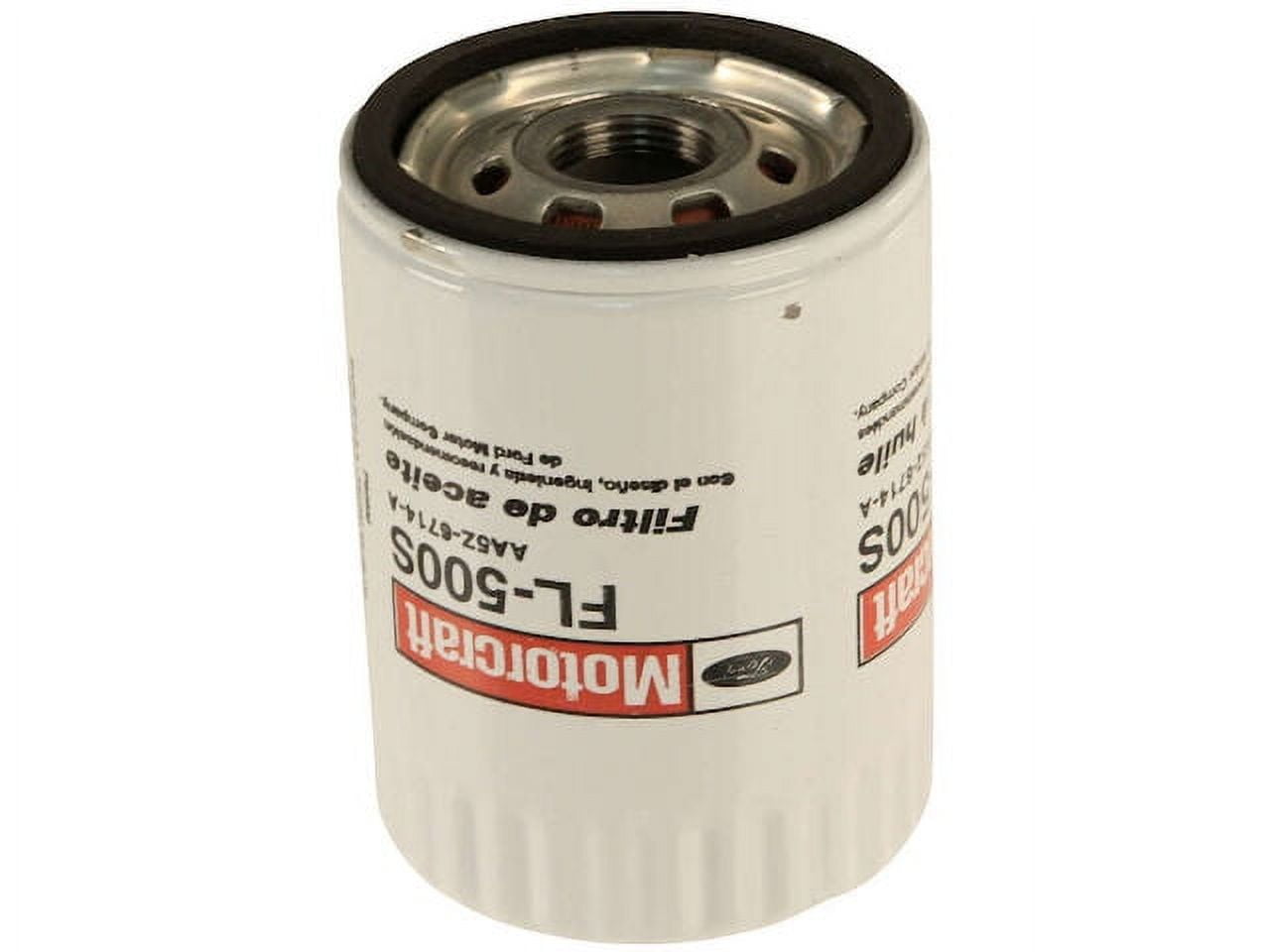
| OEM Oil Filter Part Number | Motorcraft FL-500-S | Motorcraft FL-500-S |
| Drain Plug Torque Specification | 20 lb-ft (27 Nm) | 20 lb-ft (27 Nm) |
Viscosity Selection Rationale
While both engines share a 6.0-quart capacity, Ford recommends different viscosity grades based on the thermal dynamics of each engine. The naturally aspirated Ti-VCT engine is engineered for SAE 5W-20, which flows rapidly during cold ambient startups to protect valvetrain components.
The EcoBoost engine mandates SAE 5W-30. The higher upper-temperature viscosity rating of 30 provides a more robust lubricating film that resists thinning under the extreme heat generated by the turbocharger turbine shafts. Utilizing lower-viscosity oil in an EcoBoost engine can lead to premature turbo bearing wear during aggressive driving or towing conditions. Always verify the specific viscosity recommendation printed on your vehicle's under-hood emissions label or in the official Ford owner's manual.
Choosing the Right Oil Type: Conventional vs. Synthetic
Modern automotive engineering places extreme demands on engine oil, particularly in multi-valve, variable-timing, and turbocharged engines. Choosing between conventional, synthetic blend, and full synthetic oils directly affects engine wear protection and drain intervals.
Synthetic Blends and Full Synthetics
Ford factory fills and recommends certified synthetic blend oils that meet specific corporate material standards, such as WSS-M2C945-A for the Ti-VCT and WSS-M2C946-B1 for the EcoBoost. However, upgrading to a 100% full synthetic oil of the correct viscosity grade provides superior resistance to thermal breakdown, reduced deposit formation on critical turbocharger components, and enhanced cold-weather flow characteristics.
For owners who frequently tow heavy loads, drive in severe stop-and-go urban traffic, or operate in extreme ambient temperature climates, full synthetic oil offers an added layer of protection. It maintains its protective shear strength much longer than conventional alternatives, minimizing varnish and sludge buildup in narrow oil passages.
Required Tools, Equipment, and Safety Preparation
Proper preparation ensures an efficient and safe oil change process. Attempting this service without the correct tooling can result in stripped drain plugs, rounded filter housings, or messy fluid spills.
Essential Tooling Checklist
- Ramps or Hydraulic Floor Jack with Jack Stands: Never crawl beneath a vehicle supported solely by a hydraulic jack. Ensure the vehicle is elevated safely and leveled on a flat surface.
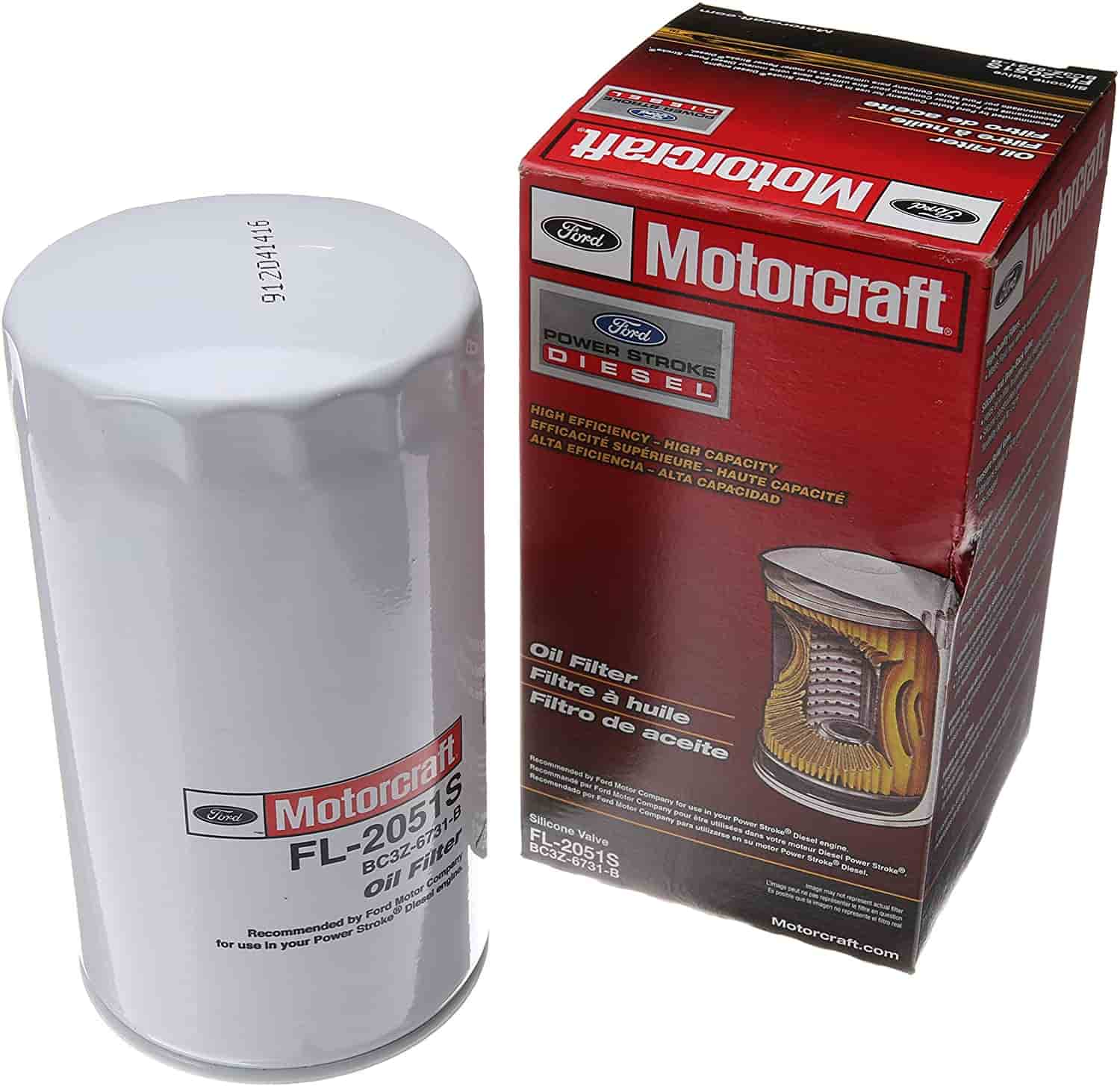
- Oil Filter Wrench: A cap-style wrench (specifically sized for the Motorcraft FL-500-S) or an adjustable band wrench prevents crushed filters during removal.
- Drain Pan: A low-profile container with a capacity of at least 7 quarts to prevent overflow.
- Socket Set and Ratchet: Typically requires a 15mm socket for the oil pan drain plug, though aftermarket pans may vary.
- Funnel: A clean, wide-mouth funnel prevents spills when refilling the valve cover opening.
- Shop Rags and Brakleen: For cleaning spilled fluid and wiping down mating surfaces.
- Personal Protective Equipment (PPE): Nitrile gloves and safety glasses to protect against hot engine oil and chemical exposure.
Step-by-Step Oil Change Procedure for the 2018 Ford Explorer 3.5L
Executing an oil change requires a methodical approach. Follow these sequential steps to ensure old fluid is completely evacuated and new fluid is correctly introduced without leaks.
Step 1: Warm Up and Elevate the Vehicle
Start the engine and let it run for three to five minutes to warm the oil, which thins the fluid and allows particulate contaminants to remain suspended for complete drainage. Shut off the engine, engage the parking brake, and safely elevate the front end using automotive ramps or a hydraulic jack secured with heavy-duty jack stands.
Step 2: Drain the Old Oil
Locate the oil pan drain plug on the underside of the engine block. Place your drain pan directly beneath the plug. Using your socket wrench, loosen the plug counterclockwise, then carefully remove it by hand, pulling it away quickly as the final threads disengage to avoid hot oil splashing onto your fingers. Allow the oil to drain completely into the pan until it reduces to a slow drip. Inspect the drain plug gasket or O-ring for signs of crushing or cracking, replacing it if necessary. Clean the drain plug threads, reinstall it into the oil pan, and torque it to the manufacturer specification of 20 lb-ft (27 Nm). Do not over-torque, as this can strip the aluminum oil pan threads.
Step 3: Remove and Replace the Oil Filter
The oil filter on the 3.5L engine is located on the lower passenger side of the engine block. Position your drain pan beneath the filter location, as some oil will spill out when the filter is loosened. Use an oil filter wrench to loosen the filter counterclockwise, then spin it off by hand, keeping the open end facing upward to minimize spillage.
Before installing the new Motorcraft FL-500-S filter, dip a clean gloved finger into a small amount of fresh engine oil and smear a thin film across the rubber gasket of the new filter. This ensures a proper seal and prevents the gasket from sticking during the next service. Screw the new filter onto the mounting stud clockwise until the rubber gasket makes firm contact with the seating surface, then tighten it an additional three-quarters to one full turn by hand. Do not use a wrench to tighten the new filter, as overtightening can damage the gasket and crush the housing.
Step 4: Refill with Fresh Engine Oil
Remove the oil filler cap located on the valve cover under the hood. Insert your clean funnel into the opening. Pour in 5.5 quarts of the specified oil (5W-20 for Ti-VCT or 5W-30 for EcoBoost). Pause to allow the oil to drain down into the pan, then check the dipstick. Slowly add the remaining fluid in small increments, pulling and wiping the dipstick until the fluid level registers precisely at the upper full mark. Take care not to overfill. Reinstall the oil filler cap securely.
Step 5: Verification and Resetting the Monitor
Remove all tools, lower the vehicle back to the ground, and start the engine. Let it idle for 30 to 60 seconds while observing the dashboard instrument cluster to ensure the oil pressure warning light extinguishes promptly. Check underneath the vehicle with a flashlight to verify there are no leaks around the drain plug or oil filter.
Finally, reset the Intelligent Oil Life Monitor system via the vehicle's dashboard menu interface (accessible through the steering wheel controls and instrument panel display) to ensure accurate tracking for your next service interval.
Common Mistakes to Avoid During Service
Avoiding common maintenance errors ensures long-term engine health and prevents unexpected roadside issues.
- Reusing Crush Washers or O-Rings: Failing to inspect or replace worn drain plug seals can lead to slow, persistent oil leaks that drain the pan over time.
- Double-Gasketing the Oil Filter: When removing an old oil filter, the rubber gasket occasionally remains stuck to the engine mounting pad. Screwing a new filter onto an old gasket creates a catastrophic blow-out leak that empties the entire oil supply within seconds. Always verify that the old gasket came off with the old filter.
- Overfilling the Crankcase: Adding the full 6.0 quarts without checking the dipstick can occasionally result in an overfill condition if all old oil did not completely evacuate. Always use the dipstick as the final arbiter of correct volume.
- Overtightening Components: Using hand tools or wrenches to excessively torque the oil filter or aluminum drain plug leads to stripped threads and cracked filter housings.
Frequently Asked Questions
What happens if I use 5W-20 in a 2018 Ford Explorer 3.5L EcoBoost instead of 5W-30?
Using 5W-20 in an EcoBoost engine for short periods will not immediately cause catastrophic failure, but it is not recommended. The lower high-temperature viscosity provides less film strength under the extreme heat and shear forces found in turbocharger bearings, potentially leading to accelerated wear over time.
How often should I change the oil in a 2018 Ford Explorer 3.5L?
Standard driving conditions typically allow for oil change intervals between 5,000 and 7,500 miles when using synthetic blend or full synthetic oils. However, if the vehicle operates under severe conditions—such as frequent towing, excessive idling, dusty environments, or short-trip city driving—intervals should be shortened to every 3,000 to 5,000 miles.
Can I use a generic aftermarket oil filter instead of the Motorcraft FL-500-S?
Yes, many reputable aftermarket filter manufacturers produce compatible units. However, ensure the replacement filter features an integrated internal anti-drainback valve that meets OEM specifications to prevent dry starts and maintain proper oil pressure upon startup.
Why does the EcoBoost engine require a different oil viscosity than the standard V6?
The EcoBoost utilizes turbochargers that expose engine oil to extreme thermal loads near the turbine shafts. The higher upper viscosity rating of SAE 5W-30 maintains a thicker, more protective lubricating barrier under these high-heat operating environments compared to standard 5W-20.
How do I reset the oil life monitor on a 2018 Ford Explorer?
Turn the ignition key to the ON position without starting the engine. Using the directional pad on the steering wheel, navigate to Settings > Display > Oil Life. Press and hold the OK button until the screen indicates that the oil life has been reset to 100%.
Practical Maintenance Recommendations
For optimal vehicle reliability, establish a disciplined maintenance schedule that pairs oil changes with routine multi-point inspections. Always check fluid levels monthly between scheduled changes, especially for EcoBoost models operating in demanding environments. When disposing of used motor oil and filters, contain them securely in a sealed plastic container and transport them to a local automotive parts retailer or municipal recycling center that accepts used automotive fluids.