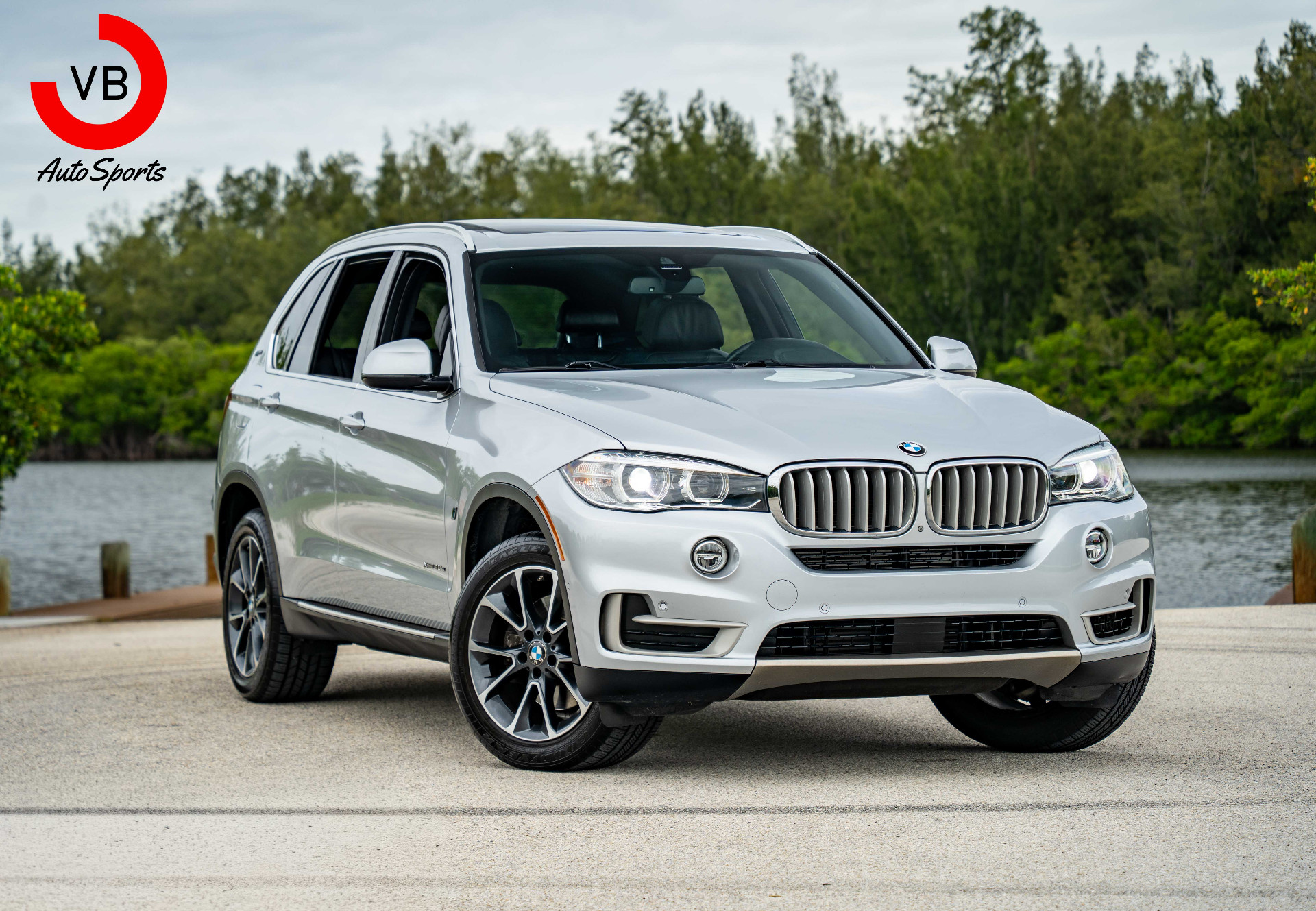
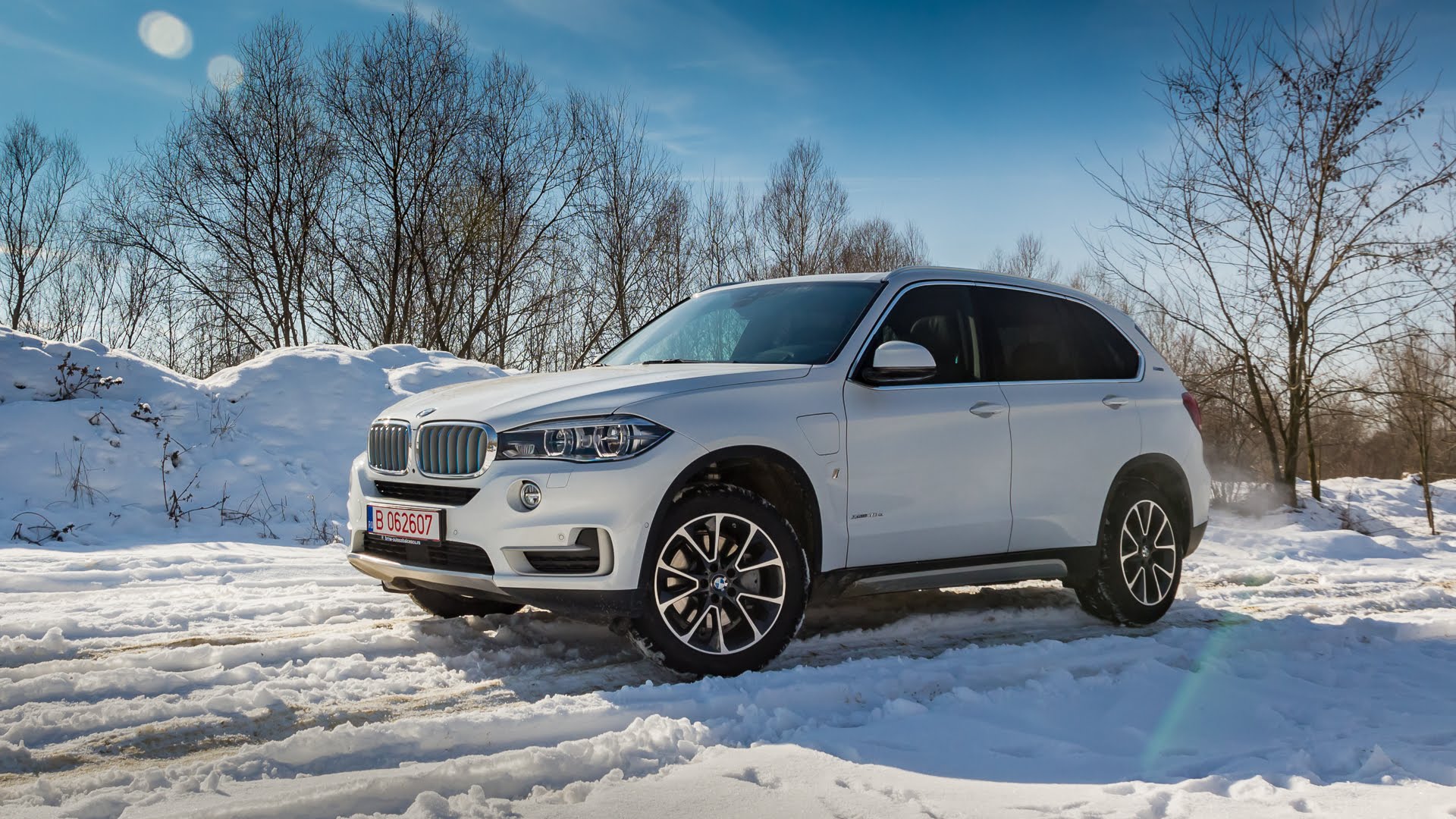
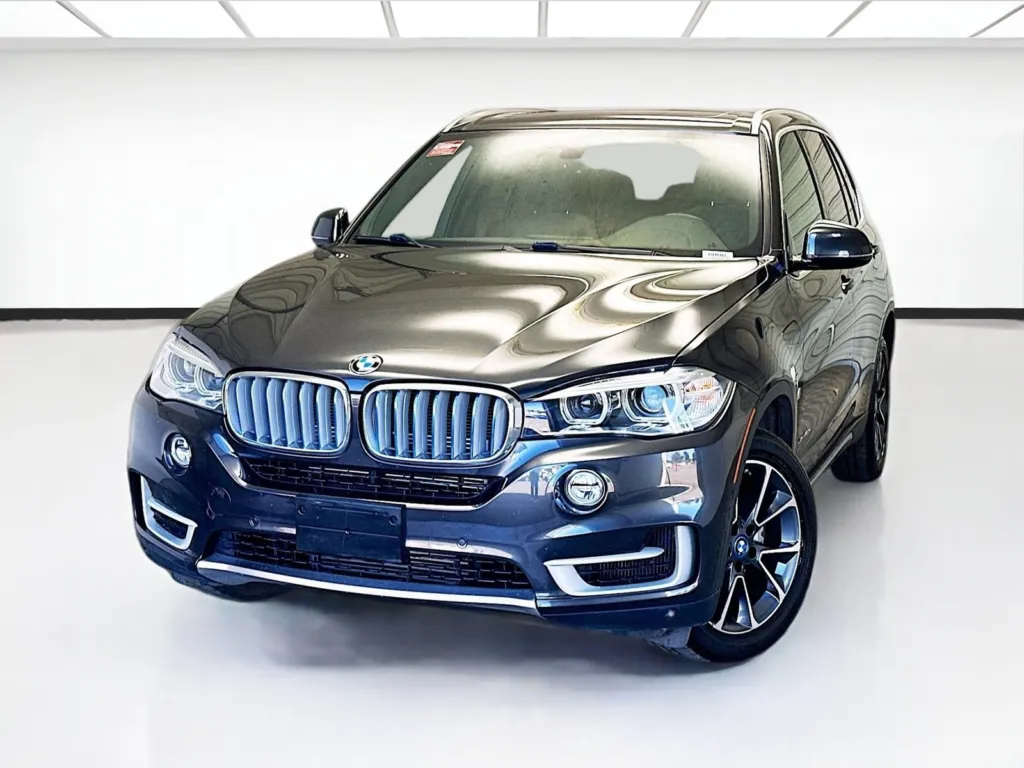
The 2018 BMW X5 xDrive40e iPerformance balances traditional midsize luxury SUV comfort with plug-in hybrid efficiency, offering an official electric-only range of 14 miles, standard all-wheel drive, and a turbocharged four-cylinder engine paired with an electric motor that outputs a combined 308 horsepower.
Introduction to the 2018 BMW X5 xDrive40e iPerformance
Evaluating a luxury plug-in hybrid electric vehicle (PHEV) requires looking beyond standard fuel economy numbers and interior finishings. The 2018 BMW X5 xDrive40e iPerformance arrived during a period when legacy luxury automakers were aggressively expanding their electrified portfolios, often by retrofitting existing internal combustion platforms with battery packs and electric motors. As a variant of the third-generation (F15) X5 platform, this model combines the familiar dynamics, utility, and commanding seating position of the standard X5 with high-voltage battery technology.
For buyers examining the pre-owned market or researching historical automotive options, understanding how this specific plug-in hybrid functions is essential. The xDrive40e bridges the gap between traditional gasoline-powered luxury SUVs and fully electric models, offering localized zero-emission driving capabilities alongside the long-distance touring reassurance of a conventional gasoline engine. This review examines the powertrain mechanics, interior packaging, real-world efficiency, driving dynamics, ownership costs, and potential trade-offs associated with the 2018 BMW X5 xDrive40e iPerformance.
Powertrain Engineering and Hybrid Architecture
At the heart of the 2018 BMW X5 xDrive40e iPerformance is a sophisticated powertrain architecture that merges a conventional internal combustion engine with an electric synchronous motor integrated directly into the 8-speed Steptronic automatic transmission.
Engine and Electric Motor Dynamics
The internal combustion component is a 2.0-liter TwinPower Turbo inline 4-cylinder engine (N20/B48 lineage, specifically utilizing the B48 engine configuration), which independently produces 240 horsepower and 258 lb-ft of torque. Working in tandem with this gasoline engine is an electric motor integrated into the transmission housing, rated at 111 horsepower and 184 lb-ft of torque.
When both power sources operate simultaneously, the system delivers a combined peak output of 308 horsepower and 332 lb-ft of torque. Power is distributed to all four wheels through BMW’s intelligent xDrive all-wheel-drive system, ensuring traction across varying weather conditions and road surfaces.
Battery Specifications and Charging
Energy storage is handled by a 9.2 kWh (gross) lithium-ion high-voltage battery pack positioned underneath the luggage compartment floor. This placement optimizes the vehicle's center of gravity but introduces a minor compromise in total cargo volume compared to non-hybrid X5 variants.
Charging times vary based on the power source:
- Standard 120-volt Household Outlet (Level 1): Charging via a standard trickle charger takes approximately 7 to 8 hours to fully replenish a depleted battery.
- 240-volt Level 2 Charging Station: Utilizing a dedicated home charging station or public Level 2 EVSE (Electric Vehicle Supply Equipment) reduces charging time to roughly 2.7 to 3 hours.
eDrive Operating Modes
Drivers can customize how the hybrid powertrain utilizes its resources via the eDrive toggle switch on the center console, featuring three distinct modes:
- AUTO eDrive: The default startup setting. The vehicle intelligently optimizes the balance between the gasoline engine and electric motor based on driving speed, throttle input, and terrain. In this mode, pure electric driving is possible up to approximately 75 mph.
- MAX eDrive: Forces the vehicle to run exclusively on electricity whenever sufficient charge remains in the battery and aggressive throttle inputs are avoided. If the driver depresses the accelerator past the kick-down point, the gasoline engine engages automatically.
- SAVE Battery: Halts electric driving to preserve existing battery charge for later use (such as entering a zero-emission urban zone) or actively recharges the battery via the gasoline engine while driving.
Interior Comfort, Technology, and Packaging
Stepping inside the 2018 BMW X5 xDrive40e reveals an interior environment heavily aligned with standard F15-generation X5 models, marked by high-grade materials, logical ergonomic layouts, and BMW's robust iDrive infotainment system.
Cabin Materials and Ergonomics
The cabin utilizes authentic wood trims, soft-touch leather surfaces, and metallic accents that reinforce its luxury positioning. Supportive multi-adjustable front seats provide long-distance comfort, while the commanding driving position gives a clear outward view of the road. Driver instrumentation features a hybrid-specific gauge cluster that replaces the traditional tachometer with an eDrive power meter, displaying energy usage, regeneration status, and remaining battery percentage.
Infotainment and Connectivity
Equipped with BMW's iDrive 6.0 interface, operated via the console-mounted rotary controller and a high-resolution freestanding central display screen, the system supports navigation, Bluetooth audio streaming, satellite radio, and vehicle telemetry monitoring. While Apple CarPlay was available as an option, Android Auto was not supported in this model year.
Cargo Space and Practicality Trade-offs
Because the 9.2 kWh battery pack is housed beneath the rear cargo floor, the under-floor storage compartment found in non-hybrid X5 models is largely eliminated. Furthermore, total maximum cargo capacity is slightly reduced:
- Standard X5 Cargo Capacity: Up to 35.8 cubic feet behind the rear seats, expanding to 76.7 cubic feet with rear seats folded.
- xDrive40e Cargo Capacity: Approximately 34.2 cubic feet behind the rear seats, expanding to 72.5 cubic feet with seats folded.
Despite this marginal reduction, the rear seatbacks retain a 40/20/40 split-folding configuration, maintaining strong utility for bulky items and luggage.
On-Road Performance and Driving Dynamics
Driving a plug-in hybrid luxury SUV introduces unique behavioral characteristics regarding weight distribution, acceleration profiles, and ride quality.
Weight and Suspension Handling
The integration of the battery pack and electric motor adds considerable mass, bringing the curb weight of the xDrive40e to approximately 5,265 pounds—roughly 500 pounds heavier than a base rear-wheel-drive X5 and heavier than its standard six-cylinder sibling.
To manage this added weight, the xDrive40e comes standard with self-leveling rear air suspension. This ensures the vehicle maintains a level ride height regardless of payload or passenger count. Adaptive suspension dampers smooth out road imperfections, insulating occupants from harsh impacts while preserving the confident cornering composure characteristic of BMW chassis engineering. Body roll is well-controlled for a vehicle of this size and weight, though tight maneuvers reveal its heavy footprint.
Acceleration and Braking Feel
Acceleration is brisk and immediate from a standstill, thanks to the instant torque delivery of the electric motor filling in any turbo lag before the 2.0-liter engine builds boost. Official testing places the 0-to-60 mph sprint at approximately 6.5 seconds, which feels adequately rapid for merging onto highways and passing at speed.
Brake pedal feel is a common point of discussion in hybrid vehicles due to regenerative braking systems capturing kinetic energy to recharge the battery. The transition between regenerative braking and hydraulic friction braking in the xDrive40e is generally smooth, though drivers transitioning from traditional gasoline vehicles may notice a slightly firmer or less progressive initial pedal resistance.
Efficiency, Fuel Economy, and Real-World Range
Evaluating efficiency figures requires assessing both the electric-only capability and the combined gasoline-hybrid performance.
EPA Ratings and Electric Range
The United States Environmental Protection Agency (EPA) rated the 2018 BMW X5 xDrive40e with an official all-electric range of 14 miles on a fully charged battery. When operating as a combined hybrid, the vehicle achieved an EPA rating of 56 MPGe (Miles Per Gallon equivalent) combined. Once the battery was depleted and the vehicle relied entirely on the 2.0-liter turbocharged engine, the fuel economy dropped to an EPA-estimated 24 mpg combined (23 mpg city / 25 mpg highway).
Real-World Operating Expectations
In practical daily driving, achieving the 14-mile electric range depends heavily on ambient temperature, climate control usage, and driving style. Cold winter weather significantly reduces lithium-ion battery efficiency, sometimes dropping electric range into the single digits before the gasoline engine initiates to maintain cabin warmth.
For commuters with a round-trip daily drive of under 15 miles who possess reliable workplace or home charging access, fuel consumption can be kept exceptionally low. Conversely, drivers primarily engaged in long-distance highway cruising will experience fuel economy comparable to, or slightly lower than, a standard lighter gasoline crossover, due to hauling the dead weight of the uncharged battery pack.
Comparative Analysis: xDrive40e vs. Competitors and Peers
To contextualize the market position of the 2018 BMW X5 xDrive40e iPerformance, it helps to compare it against alternative luxury plug-in hybrid SUVs of the same era.
| Vehicle Model | Powertrain Setup | Official EV Range | Combined MPGe / MPG | Cargo Volume (Max) |
|---|---|---|---|---|
| 2018 BMW X5 xDrive40e | 2.0L Turbo I4 + Electric Motor | 14 miles | 56 MPGe / 24 MPG | 72.5 cu ft |
| 2018 Volvo XC90 T8 Twin Engine | 2.0L Turbo/Supercharged I4 + Electric | 17 miles | 54 MPGe / 25 MPG | 85.7 cu ft |
| 2018 Porsche Cayenne S E-Hybrid | 3.0L Supercharged V6 + Electric | 14 miles | 46 MPGe / 22 MPG | 62.9 cu ft |
While the Volvo XC90 T8 offered a slightly longer electric range and substantially more maximum cargo volume, the BMW X5 leaned more heavily into engaging driving dynamics and traditional interior ergonomics. The Porsche Cayenne S E-Hybrid prioritized sports-car performance credentials at a higher price point, making the BMW a balanced middle ground for luxury seekers.
Ownership Considerations, Maintenance, and Common Issues
Purchasing or maintaining a pre-owned 2018 BMW X5 xDrive40e requires attention to both general internal combustion maintenance and specialized high-voltage electrical components.
High-Voltage Battery Longevity and Warranty
Lithium-ion batteries naturally degrade over time and through charge cycles. Federal regulations required automakers to provide an 8-year/80,000-mile warranty (or longer in states adhering to California Air Resources Board emissions standards) specifically covering hybrid components, including the high-voltage battery pack. Buyers evaluating this model should verify remaining warranty coverage or request a battery health diagnostic report.
Mechanical Maintenance Points
- B48 Engine Reliability: The 2.0-liter turbocharged four-cylinder engine has proven generally reliable compared to its predecessor (the N20), provided routine oil change intervals (every 5,000 to 7,500 miles) are strictly observed.
- Cooling Systems: Like many modern BMWs, the xDrive40e utilizes multiple cooling circuits for the engine, turbocharger, and hybrid electronics. Ensuring coolant pumps and lines remain free of leaks is vital to preventing electrical overheating.
- Suspension Components: Given the vehicle's heavy curb weight, front control arms, bushings, and rear air suspension bags experience higher mechanical stress and may require inspection or replacement over higher mileage intervals.
Frequently Asked Questions
Can the 2018 BMW X5 xDrive40e run on gasoline alone?
Yes. If the high-voltage battery is completely depleted, the vehicle automatically switches to conventional hybrid operation or relies primarily on the 2.0-liter turbocharged gasoline engine. It does not strand the driver when the battery charge reaches zero.
Does the xDrive40e require a special home charging station?
No. It comes equipped with a portable charging cable that plugs into a standard 120-volt household wall outlet. However, installing a 240-volt Level 2 home charging unit is recommended to reduce charging times from roughly 7-8 hours down to under 3 hours.
How does the hybrid system affect towing capacity?
The 2018 BMW X5 xDrive40e is rated to tow up to approximately 5,952 pounds when properly equipped. This is slightly lower than non-hybrid V8-powered X5 models, but remains competitive within midsize luxury hybrid standards.
Is the hybrid battery covered by a special warranty?
Yes. Federal regulations mandate that high-voltage hybrid batteries on vehicles of this era carry an 8-year or 80,000-mile warranty (whichever comes first), with extended coverage applicable in strict emissions-compliant states.
What is the primary difference between AUTO eDrive and MAX eDrive?
AUTO eDrive allows the vehicle to automatically manage power sources based on driving conditions, utilizing electric power up to 75 mph before engaging the gas engine under heavy acceleration. MAX eDrive locks the vehicle into pure electric mode until the battery is depleted or the driver forces a kick-down with the accelerator pedal.
Conclusion and Final Recommendation
The 2018 BMW X5 xDrive40e iPerformance represents a pragmatic entry point into luxury plug-in hybrid ownership. It successfully maintains the hallmark driving dynamics, comfortable cabin appointments, and everyday utility expected of the BMW brand while introducing meaningful fuel savings for drivers with specific short-distance commuting routines.
While its 14-mile electric range feels modest compared to newer plug-in hybrid models developed in subsequent years, the vehicle remains a compelling option for budget-conscious luxury buyers who can leverage home charging infrastructure and desire all-wheel-drive capability paired with European refinement. Prospective owners should prioritize inspecting high-voltage battery health records and verifying comprehensive service history before purchase.