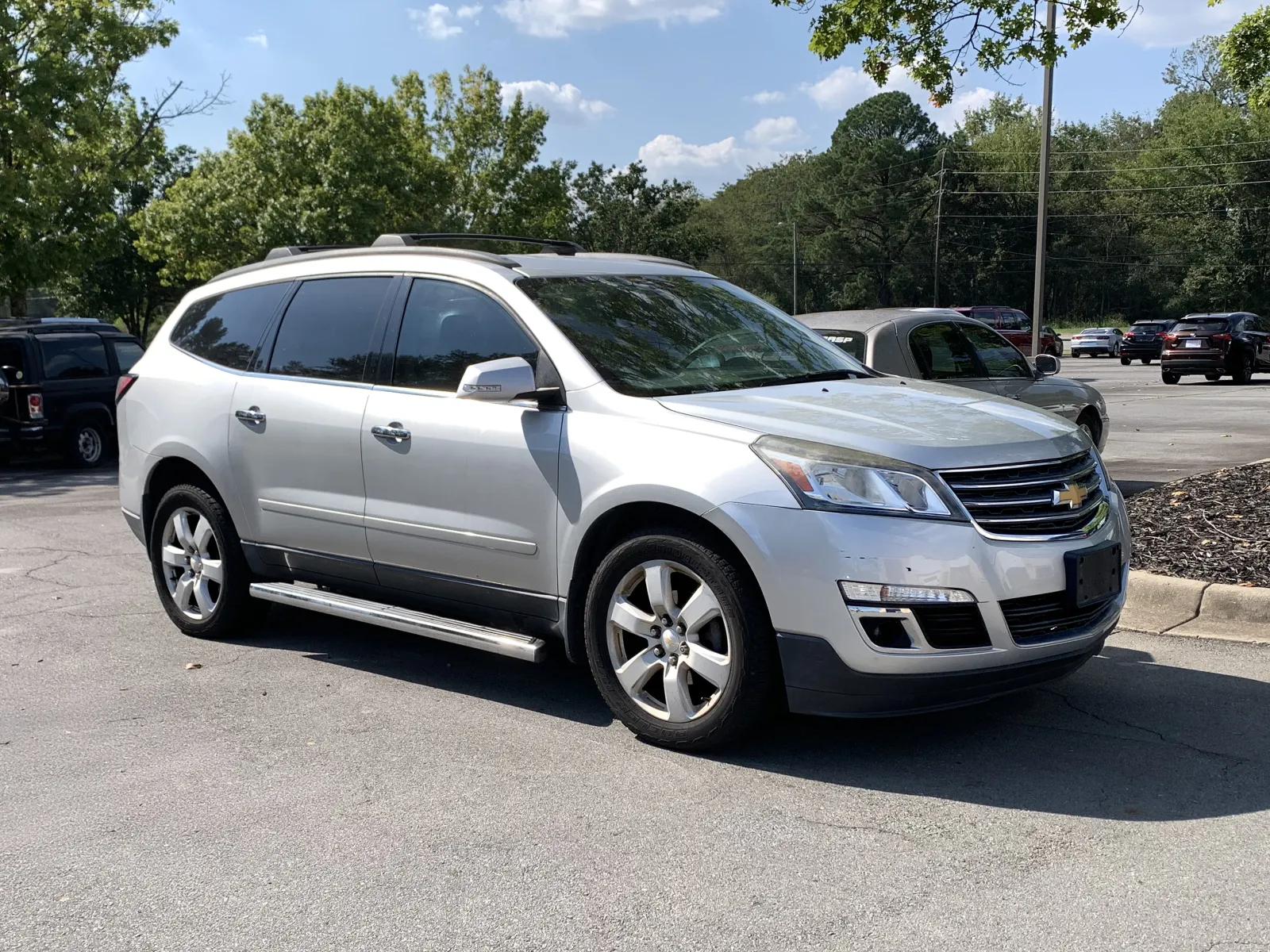
The 2016 Chevrolet Traverse LT is a popular mid-size SUV known for its spacious interior, but it faces several documented mechanical challenges. Primary concerns include power steering pump failures, air conditioning evaporator leaks, and potential timing chain wear. Understanding these recurring issues, repair costs, and proactive maintenance requirements is vital for long-term ownership and safety in 2026.
Understanding the 2016 Chevy Traverse LT Framework
By 2026, the 2016 Chevrolet Traverse has transitioned into the "high-mileage" category for most owners. As part of the first generation’s final years (2009–2017), the 2016 model benefited from many incremental improvements made to the Lambda platform. However, the LT trim—available in 1LT and 2LT configurations—features specific electronic and mechanical components that remain prone to wear and tear.
The LT trim sits between the base LS and the premium LTZ. It typically includes the 3.6L V6 engine, a six-speed automatic transmission, and upgraded interior features like a power liftgate and the Chevrolet MyLink infotainment system. While the 2016 model is generally more reliable than the 2009–2012 versions, it is not immune to the systemic design flaws of its generation.
Engine and Powertrain Challenges
The heart of the 2016 Traverse LT is the 3.6L V6 (LFX) engine. While this engine provides adequate power for a vehicle of its size, it utilizes a Direct Injection (DI) system that presents unique maintenance hurdles.
Timing Chain Wear and Stretch
One of the most significant concerns for the 3.6L V6 engine is the stretching of the timing chains. Although GM updated the chain design for the 2016 model year compared to earlier versions, high-mileage units still report "stretched" chains. This occurs when the chain links wear down, causing the chain to lengthen slightly. This minor change in length throws off the engine's timing, leading to a loss of power, poor fuel economy, and eventually, the illumination of the Check Engine Light with codes such as P0008 or P0017.
The root cause is often attributed to extended oil change intervals. In the 2016 Traverse, keeping the oil clean is the primary defense against timing chain wear. By 2026, many of these vehicles have exceeded 100,000 miles, making this a critical inspection point.
Carbon Buildup on Intake Valves
Because the LFX is a Direct Injection engine, fuel is sprayed directly into the combustion chamber rather than over the intake valves. In traditional port-injection engines, the fuel acts as a solvent, cleaning the valves. In the Traverse LT, oil vapors from the PCV system can bake onto the hot intake valves, creating carbon "coking." Over time, this buildup restricts airflow, leading to rough idling and hesitation during acceleration. Owners often require a professional intake valve cleaning service every 50,000 to 70,000 miles to maintain performance.
Transmission and Drivetrain Longevity
The 2016 Traverse LT utilizes the 6T75 six-speed automatic transmission. While the catastrophic "3-5-R wave plate" failures that plagued earlier models were largely addressed by 2016, the transmission still requires careful monitoring.
Shift Quality and Shuddering
Owners frequently report a "shudder" or "searching" for gears when driving at highway speeds or under light acceleration. This is often related to the Torque Converter Clutch (TCC) engagement or worn transmission fluid. In the used market of 2026, many Traverse units have never had their transmission fluid exchanged. GM’s original "Dexron VI" fluid is robust, but the heat generated in a heavy SUV like the Traverse can break it down, leading to internal wear.
All-Wheel Drive (AWD) Transfer Case Leaks
For LT models equipped with AWD, the transfer case (often called the Power Take-Off unit or PTU) is a known weak point. The seals can fail, leading to fluid leaks. If the PTU runs dry, it can suffer internal gear failure, which is an expensive repair. Owners should look for dark, thick fluid spots under the center of the vehicle during routine inspections.
Steering and Suspension System Issues
The steering system in the 2016 Traverse is a frequent source of frustration for owners, often manifesting as audible noises or physical resistance in the steering wheel.
Power Steering Pump and Rack Failures
The most common complaint is a "whining" or "zipping" noise when turning the wheel at low speeds. This usually indicates a failing power steering pump or air entering the system through a leaking steering rack. GM issued several Technical Service Bulletins (TSBs) regarding this issue, eventually recommending a switch to Dexron VI automatic transmission fluid in the power steering system to better handle the heat and pressure.
StabiliTrak and Traction Control Warnings
It is common to see "Service StabiliTrak" or "Service Traction Control" messages on the dashboard. While these sound like major brake or suspension failures, they are often triggered by unrelated issues. A faulty wheel speed sensor, a dirty throttle body, or even a weak 12-volt battery can cause the computer to disable the stability systems. Diagnosing these requires a high-quality OBD-II scanner to pinpoint the specific sensor at fault.
HVAC and Electrical System Concerns
The LT trim's creature comforts, while appreciated, introduce additional points of failure, particularly in the climate control and infotainment sectors.
AC Evaporator Leaks
Perhaps the most dreaded repair for the 2016 Traverse LT is a failing air conditioning evaporator. The evaporator is located deep behind the dashboard. When it leaks, the AC system loses refrigerant, and owners may notice a faint chemical smell inside the cabin. Replacing the evaporator is a labor-intensive process that requires the complete removal of the dashboard, often costing between $1,500 and $2,200 at modern 2026 labor rates.
Power Liftgate Malfunctions
The LT trim often comes with a power liftgate. Over time, the motorized struts can weaken, or the latch mechanism can fail. This is not just a convenience issue but a safety concern, as the heavy gate may not stay open reliably. A common fix is replacing the liftgate struts, which is a manageable DIY task but necessary to prevent the gate from falling unexpectedly.
Significant Recalls and Safety Data
Owners and prospective buyers should verify that all recall work has been completed by an authorized dealer. You can check your specific VIN at the NHTSA Recalls Portal.
- Front Seat Belt Cable: A major recall involved the flexible steel cable that connects the seat belt to the outboard side of the front seats. Over time, the cable could fatigue and break due to occupants sliding into the seat, potentially causing the seat belt to fail during a crash.
- Side-Impact Airbags: Certain 2016 models were included in recalls regarding the side-impact airbag connections. Corrosion or loose connectors could prevent the airbags from deploying in a collision.
- Liftgate Struts: There was a specific recall for models where the power liftgate struts could fail prematurely, causing the liftgate to fall.
Comparison of Common 2016 Traverse LT Issues
The following table summarizes the most frequent problems, their symptoms, and the estimated repair costs based on 2026 market averages.
| Component | Common Problem | Primary Symptoms | Estimated Repair Cost |
|---|---|---|---|
| Engine | Timing Chain Stretch | Check Engine Light (P0008), rattling noise | $2,500 – $3,800 |
| HVAC | AC Evaporator Leak | AC blows warm air, chemical odor in cabin | $1,500 – $2,200 |
| Steering | Power Steering Pump | Whining noise, stiff steering at low speeds | $600 – $1,000 |
| Transmission | Solenoid/Valve Body | Harsh shifting, slipping, gear "hunting" | $800 – $1,800 |
| Electrical | MyLink Infotainment | Screen freezing, Bluetooth won't connect | $400 – $1,200 |
| Chassis | Wheel Speed Sensor | StabiliTrak/ABS warning lights | $250 – $500 |
Maintenance Strategies for 2026 and Beyond
To maximize the lifespan of a 2016 Traverse LT, owners must go beyond the standard "oil life monitor" suggestions provided by the car's computer.
- Frequent Oil Changes: Change the oil every 5,000 miles using a high-quality full synthetic oil. This is the single best way to protect the timing chains and the turbo-like heat environment of the 3.6L V6.
- Transmission Service: Do not treat the transmission fluid as "lifetime" fluid. Perform a "drain and fill" every 45,000 miles to keep the 6T75 shifting smoothly.
- Throttle Body Cleaning: Clean the throttle body every 30,000 miles to prevent carbon buildup that can trigger StabiliTrak warnings and idling issues.
- Cooling System Care: The Traverse runs hot. Ensure the coolant is flushed every 5 years or 100,000 miles to prevent gaskets from becoming brittle and leaking.
Frequently Asked Questions
How long does a 2016 Chevy Traverse LT typically last?
With diligent maintenance, a 2016 Traverse LT can last between 150,000 and 200,000 miles. However, major repairs like the timing chain or AC evaporator are common once the vehicle crosses the 120,000-mile mark. Reaching the 200,000-mile milestone often requires at least one significant powertrain or HVAC investment.
Is the 2016 model better than the 2017 or 2015?
The 2016 and 2017 models are virtually identical as they are the final years of the first generation. They are significantly more reliable than the 2009–2012 models, which suffered from chronic transmission and engine failures. If choosing between these years, the maintenance history of the specific vehicle is more important than the model year itself.
Why is my 2016 Traverse LT making a clicking noise in the dash?
This is typically caused by a failing HVAC blend door actuator. These small plastic motors control the flow of air and the temperature. When the internal plastic gears strip, they produce a repetitive clicking or knocking sound. Fortunately, this is a relatively inexpensive part to replace, though some actuators are difficult to reach.
Does the 2016 Traverse have a timing belt or a timing chain?
The 2016 Traverse uses a timing chain system. Unlike timing belts, which are replaced as part of routine maintenance every 100k miles, chains are designed to last the life of the engine. However, due to the issues mentioned earlier, they can stretch if the oil is not changed frequently, leading to expensive repairs.
Can I tow with a 2016 Chevy Traverse LT?
Yes, when equipped with the factory towing package (V92), the 2016 Traverse LT is rated to tow up to 5,200 pounds. Without the factory package, the limit is significantly lower (typically 2,000 pounds). If towing frequently, it is essential to monitor transmission temperatures and change the transmission fluid more often.
Final Recommendation for Owners and Buyers
For current owners of the 2016 Chevy Traverse LT, the best course of action in 2026 is preventative vigilance. If you hear a whining noise in the steering or feel a slight hesitation in the transmission, address it immediately. Small leaks in the power steering system or old transmission fluid can lead to catastrophic failures if ignored.
For prospective buyers, always request a pre-purchase inspection that specifically checks for stored P0008 engine codes, signs of AC evaporator leaks (look for dye or check the air temperature), and the condition of the power steering fluid. If these major systems are in good health and the vehicle has a documented history of frequent oil changes, the 2016 Traverse LT remains a capable and comfortable family hauler.