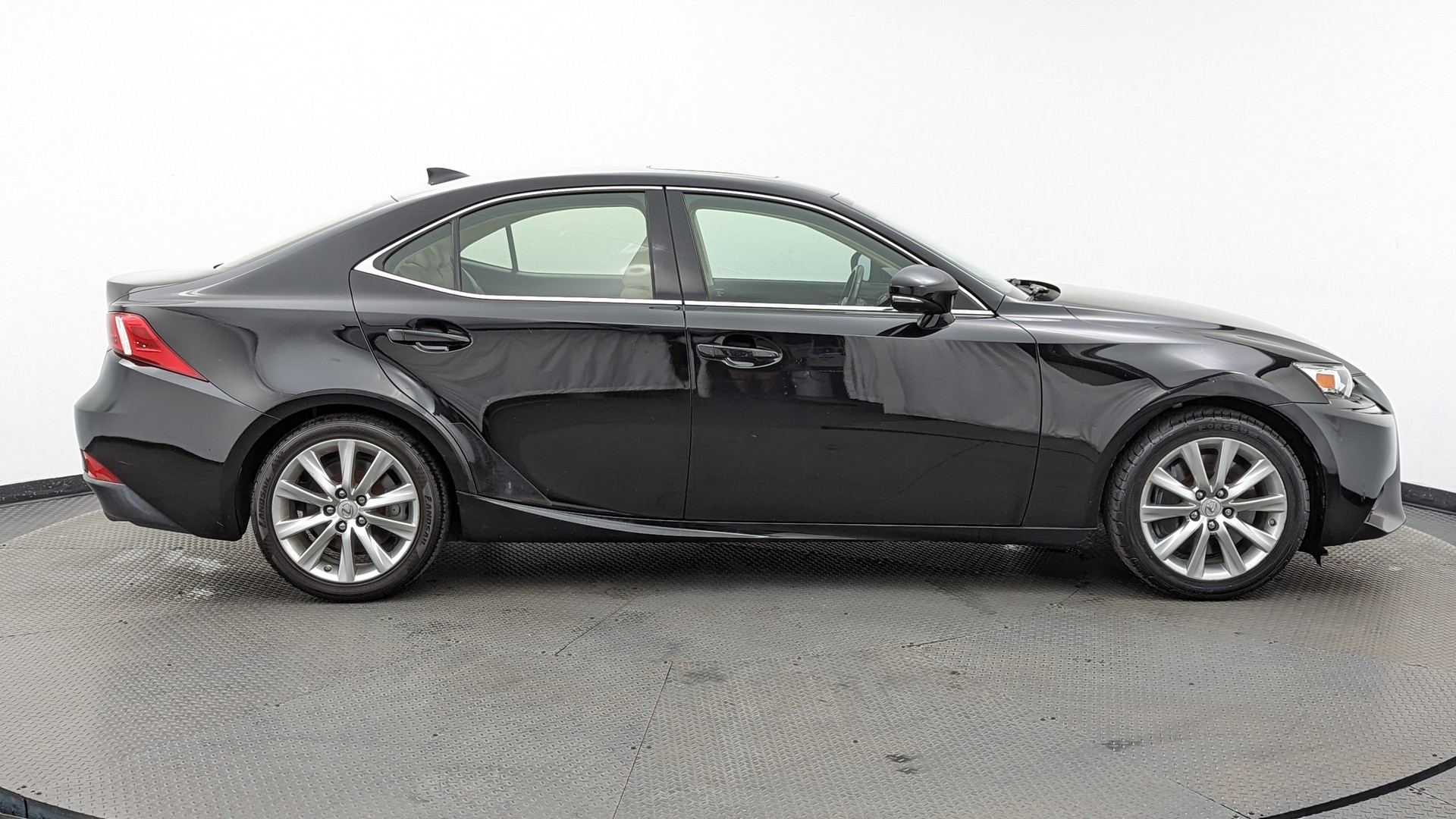
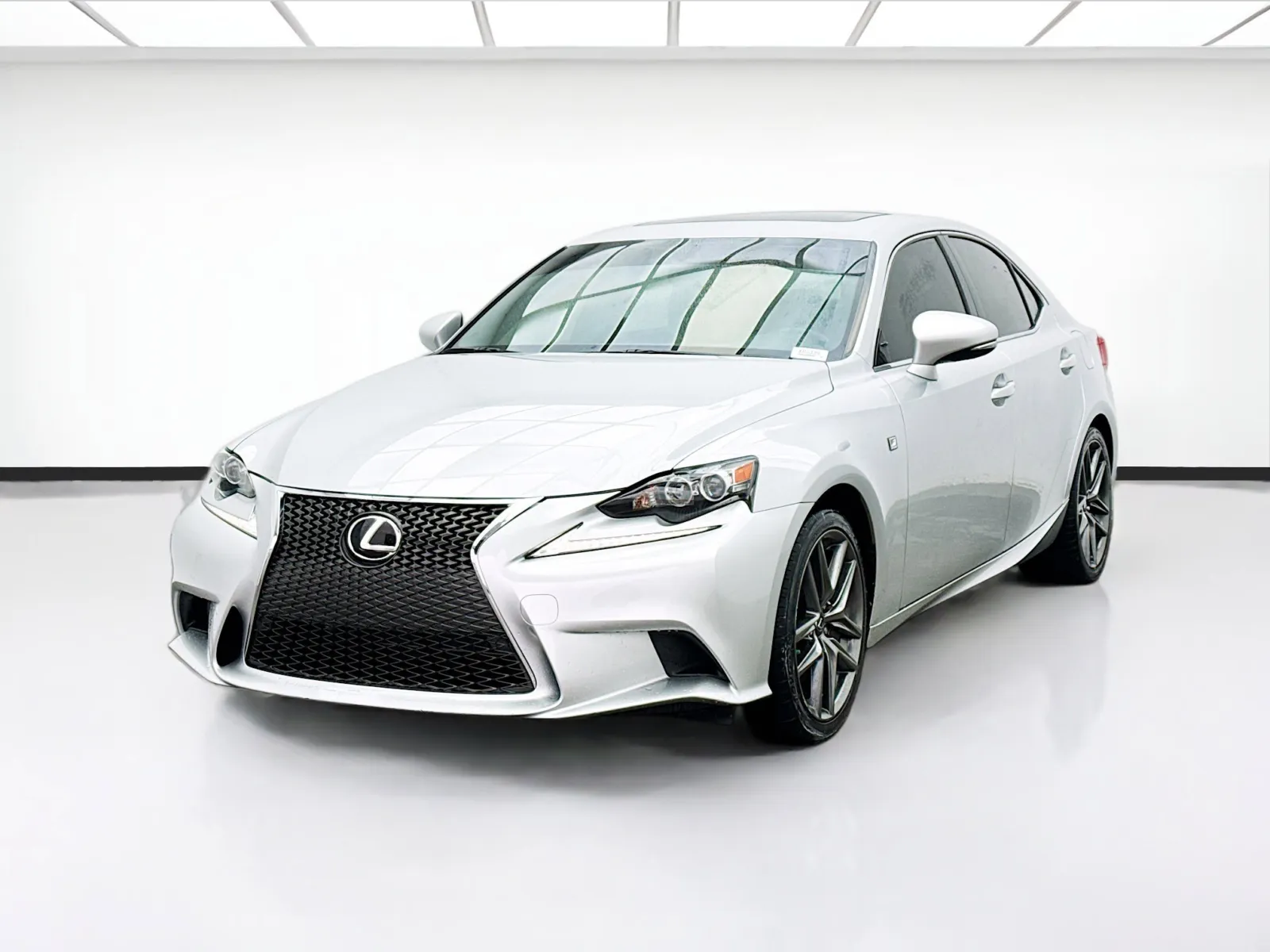
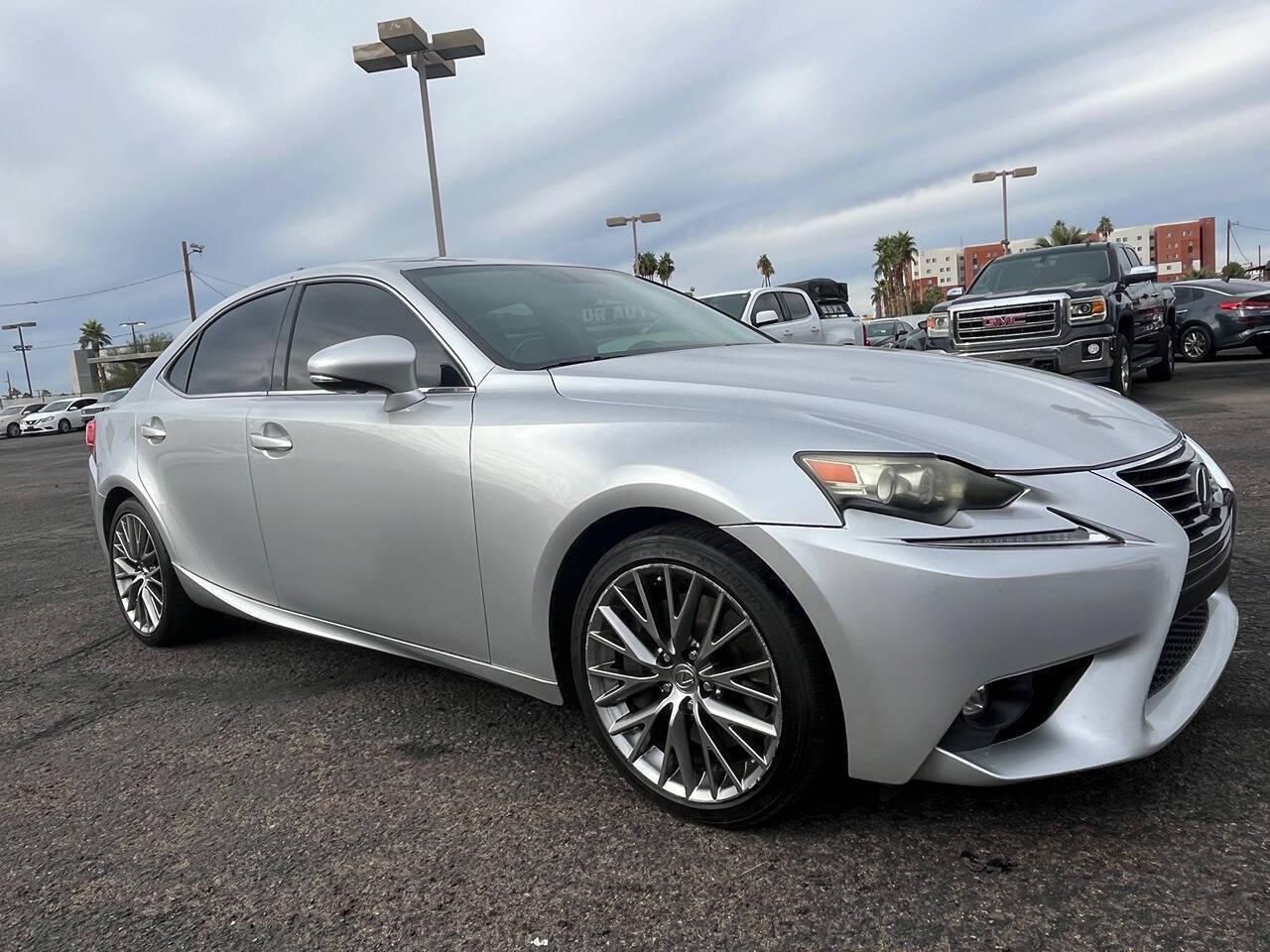
The 2016 Lexus IS 200t achieves a 0-60 mph acceleration time of approximately 6.9 to 7.0 seconds. While Lexus officially rated the vehicle at 6.9 seconds, independent real-world testing frequently yielded results ranging from 6.8 to 7.2 seconds depending on fuel grade, ambient temperature, and tire traction.
The Engineering Behind the 2016 Lexus IS 200t Performance
To understand the acceleration capabilities of the 2016 Lexus IS 200t, one must look closely at the powertrain that debuted for this specific model year. The 2016 marked a significant transition for the IS lineup, as Lexus replaced the aging 2.5-liter naturally aspirated V6 in the IS 250 with a more modern, 2.0-liter turbocharged four-cylinder engine. This engine, internally designated as the 8AR-FTS, was designed to provide better low-end torque and improved fuel efficiency while maintaining the brand's reputation for smoothness.
The 8AR-FTS produces 241 horsepower at 5,800 rpm and 258 lb-ft of torque, which is available across a broad plateau from 1,650 to 4,400 rpm. This torque delivery is the primary reason the 200t feels more urgent in daily driving than the IS 250 it replaced. However, when measuring the 0-60 mph sprint, the vehicle faces challenges related to its curb weight and the tuning of its electronic throttle control.
Twin-Scroll Turbocharging and Heat Management
The 0-60 mph performance is heavily influenced by the use of a twin-scroll turbocharger. Unlike traditional single-scroll turbos, a twin-scroll design separates the exhaust pulses from the cylinders to reduce interference and improve the velocity of the exhaust gas hitting the turbine wheel. This allows the turbo to spoil up faster, theoretically reducing "turbo lag."
In the 2016 IS 200t, Lexus utilized a water-cooled cylinder head with an integrated exhaust manifold. This design helps manage the high temperatures generated by the turbocharger and allows the engine to run more efficiently under high-load conditions, such as a full-throttle launch. Despite these advancements, many drivers in 2026 still note a momentary hesitation upon floor-mating the accelerator, a characteristic of the Lexus factory ECU tuning designed more for luxury smoothness than aggressive launches.
VVT-iW and the Dual-Cycle System
One of the most technically advanced aspects of the 2016 IS 200t engine is the VVT-iW (Variable Valve Timing-intelligent Wide) system on the intake side. This system allows the engine to switch between the Otto cycle (for maximum power during 0-60 runs) and the Atkinson cycle (for fuel efficiency during cruising).
When the driver demands maximum acceleration, the VVT-iW system optimizes valve timing for the Otto cycle to utilize every bit of the 241 horsepower. However, the transition between these modes, combined with the logic of the 8-speed transmission, can sometimes add milliseconds to the recorded 0-60 times in real-world scenarios.
Factors Influencing the 0-60 MPH Sprint
Several variables contribute to why one 2016 IS 200t might hit 60 mph in 6.8 seconds while another takes over 7 seconds. As these vehicles are now a decade old in 2026, mechanical wear and environmental factors play a larger role than they did at launch.
Transmission Logic: The 8-Speed Sport Direct-Shift
The 2016 IS 200t is equipped with an 8-speed Sport Direct-Shift (SPDS) automatic transmission, which was originally derived from the unit used in the high-performance Lexus RC F. While having eight gears helps keep the engine in its power band, the gear ratios in the IS 200t are relatively long.
The transmission is programmed to prioritize smooth shifts. During a 0-60 mph test, the speed of the gear changes—specifically the 1-2 and 2-3 shifts—can impact the final time. Drivers often find that using the "Sport" drive mode sharpens the throttle response and alters the shift points, but it does not fundamentally change the mechanical shift speed of the torque converter.
Curb Weight and Power-to-Weight Ratio
A significant hurdle for the 2016 Lexus IS 200t is its mass. The vehicle has a curb weight of approximately 3,583 pounds. While it is a compact luxury sedan, it is heavier than many of its 2016-era competitors, such as the BMW 328i or the Audi A4.
The power-to-weight ratio sits at roughly 14.8 lbs per horsepower. For comparison, many cars that achieve sub-6-second 0-60 times usually have a ratio closer to 12 or 13 lbs per horsepower. The heavy chassis, while excellent for safety and cabin quietness (NVH), acts as a physical anchor during standing-start acceleration.
Tire Condition and Compound
Traction is the final arbiter of 0-60 times. The 2016 IS 200t is a Rear-Wheel Drive (RWD) vehicle. If equipped with the F Sport package, it typically features staggered tire sizes (wider in the rear), which helps with off-the-line grip. In 2026, the performance of a used IS 200t will depend heavily on the quality of the tires currently installed. Moving from a budget all-season tire to a dedicated summer performance tire can shave nearly two-tenths of a second off the 0-60 mph time by reducing wheel spin during the initial launch.
Comparative Performance Table
To provide context for the 2016 IS 200t’s speed, it is helpful to compare it to its contemporary stablemates and its primary competition from the same era.
| Vehicle Model | Engine Type | Horsepower | 0-60 MPH (Estimated) |
|---|---|---|---|
| 2016 Lexus IS 200t | 2.0L Turbo I4 | 241 hp | 6.9 - 7.0 Seconds |
| 2016 Lexus IS 300 AWD | 3.5L V6 | 255 hp | 6.1 - 6.3 Seconds |
| 2016 Lexus IS 350 | 3.5L V6 | 306 hp | 5.6 - 5.8 Seconds |
| 2016 BMW 328i | 2.0L Turbo I4 | 240 hp | 5.4 - 5.6 Seconds |
| 2016 Audi A4 (B8.5) | 2.0L Turbo I4 | 220 hp | 6.2 - 6.4 Seconds |
| 2016 Mercedes-Benz C300 | 2.0L Turbo I4 | 241 hp | 6.0 - 6.2 Seconds |
As the table illustrates, the Lexus IS 200t was positioned as the entry-level tier. While its horsepower was competitive with the BMW and Mercedes, its 0-60 time lagged behind primarily due to the weight of the Lexus "New N" platform and the more conservative tuning of its 8-speed automatic.
Real-World Performance vs. Manufacturer Specs
Lexus is historically conservative with its performance ratings, yet the IS 200t is one of the few models where real-world testers often struggled to match the factory 6.9-second claim without ideal conditions.
The "Lexus Launch" Technique
To achieve the quickest 0-60 mph times in a 2016 IS 200t, professional testers often use a technique known as brake-torquing. This involves holding the brake with the left foot while simultaneously pressing the gas pedal with the right foot to build boost pressure before releasing the brake.
In a 2016 IS 200t, this can be tricky because the ECU (Electronic Control Unit) often cuts power if it detects simultaneous brake and throttle application for more than a second. However, a successful "stall" launch at around 2,000–2,500 RPM can mitigate the initial turbo lag and help the car reach 60 mph closer to the 6.8-second mark.
Environmental Impacts
Turbocharged engines are highly sensitive to "density altitude." On a hot summer day in 2026, the intercooler of the IS 200t may struggle to shed heat, leading to higher intake air temperatures. When this happens, the ECU pulls back ignition timing to prevent engine knock, which can result in 0-60 times slipping into the 7.3 to 7.5-second range. Conversely, in cool, crisp autumn air, the engine performs at its peak.
Maintenance and Longevity Concerns in 2026
As of 2026, the 2016 Lexus IS 200t is a ten-year-old vehicle. If you are assessing the 0-60 performance of a high-mileage example, several maintenance items must be addressed to ensure the car still produces its factory-rated power.
- Spark Plugs: The 8AR-FTS engine requires specific iridium-tipped spark plugs. Because it is a direct-injection turbocharged engine, worn plugs can lead to subtle misfires under boost, significantly hurting acceleration.
- Carbon Buildup: While the D-4S system (dual port and direct injection) is designed to keep intake valves clean, high-mileage engines may still see some efficiency loss. Ensuring the fuel system is clean is vital for maintaining that sub-7-second 0-60 time.
- Vacuum Regulator Valve (VRV): A common issue with the early 200t models was a buzzing or failing vacuum regulator valve, which controls the turbocharger's wastegate. If this valve is failing, boost pressure will be inconsistent, leading to sluggish performance.
- Transmission Fluid: Although Lexus originally marketed the transmission fluid as "lifetime," most technicians in 2026 recommend a drain-and-fill every 60,000 miles. Fresh fluid ensures the shifts remain crisp during performance runs.
Enhancing the Acceleration of the IS 200t
For owners who find the 6.9-second 0-60 time insufficient, the aftermarket has provided several solutions over the last decade. Because the engine is turbocharged, it responds well to electronic modifications.
- Piggyback Tunes: Devices like the JB4 or DTE Systems PowerControl can be installed to "trick" the ECU into producing more boost. These tunes can often increase output by 30-40 hp and 50 lb-ft of torque, potentially dropping the 0-60 time into the low 6-second range.
- Air Intake and Exhaust: While these provide minimal horsepower gains on their own, they improve the "spool-up" sound and can slightly improve throttle response, making the car feel faster even if the stopwatch only shows a marginal difference.
- Throttle Controllers: Units like the Apexi Smart Accel Controller do not increase horsepower but do remove the programmed delay in the drive-by-wire throttle system. This makes the car jump off the line more aggressively.
FAQs About 2016 Lexus IS 200t Acceleration
Is the 2016 IS 200t faster than the IS 250?
Yes, the 2016 IS 200t is significantly faster than the IS 250 it replaced. The IS 250 typically recorded 0-60 mph times in the 7.5 to 7.7-second range. The 200t’s move to turbocharging provided much-needed mid-range torque that the small V6 lacked.
Does the IS 200t F Sport have a faster 0-60 time?
The F Sport package is primarily an aesthetic and handling upgrade. It includes a different suspension tune, LFA-inspired gauges, and more aggressive styling. However, it uses the same engine and transmission as the base model, so the 0-60 mph time remains essentially the same at roughly 6.9 seconds.
Why is the BMW 328i faster than the IS 200t despite similar horsepower?
The 2016 BMW 328i is roughly 200 pounds lighter than the Lexus IS 200t. Furthermore, BMW's ZF 8-speed transmission is tuned for faster, more aggressive shifts, and German manufacturers often "underrate" their engines, meaning the 328i likely produced more than its advertised 240 horsepower in reality.
Can the 2016 IS 200t run on 87-octane fuel?
While the car will run on 87-octane, it is not recommended for performance. The turbocharged 8AR-FTS engine requires 91-octane premium fuel to achieve its rated 241 horsepower. Using lower-grade fuel will cause the ECU to retard timing to prevent knocking, which will noticeably increase the 0-60 mph time.
Does the IS 200t have a "Launch Control" mode?
No, the 2016 Lexus IS 200t does not have a factory-programmed launch control system. Drivers must rely on manual "brake-boosting" or simply floor the accelerator from a standstill.
Final Recommendation for Buyers and Owners
The 2016 Lexus IS 200t is a balanced luxury sedan that prioritizes comfort, reliability, and style over raw stoplight-to-stoplight speed. While a 6.9-second 0-60 mph time is respectable and more than adequate for merging onto highways or spirited daily driving, it is not a "sports car" in the traditional sense.
For those in 2026 looking to purchase this vehicle, ensure that the turbocharger's vacuum lines are intact and that the car has a consistent history of synthetic oil changes. If speed is your primary metric, you may want to look toward the IS 350 of the same era, which provides the linear power of a 306-hp V6 and a 0-60 time nearly a full second faster. However, for a buyer who values the unique character of a turbocharged Lexus and the potential for aftermarket tuning, the 2016 IS 200t remains a compelling and stylish entry into the luxury market.