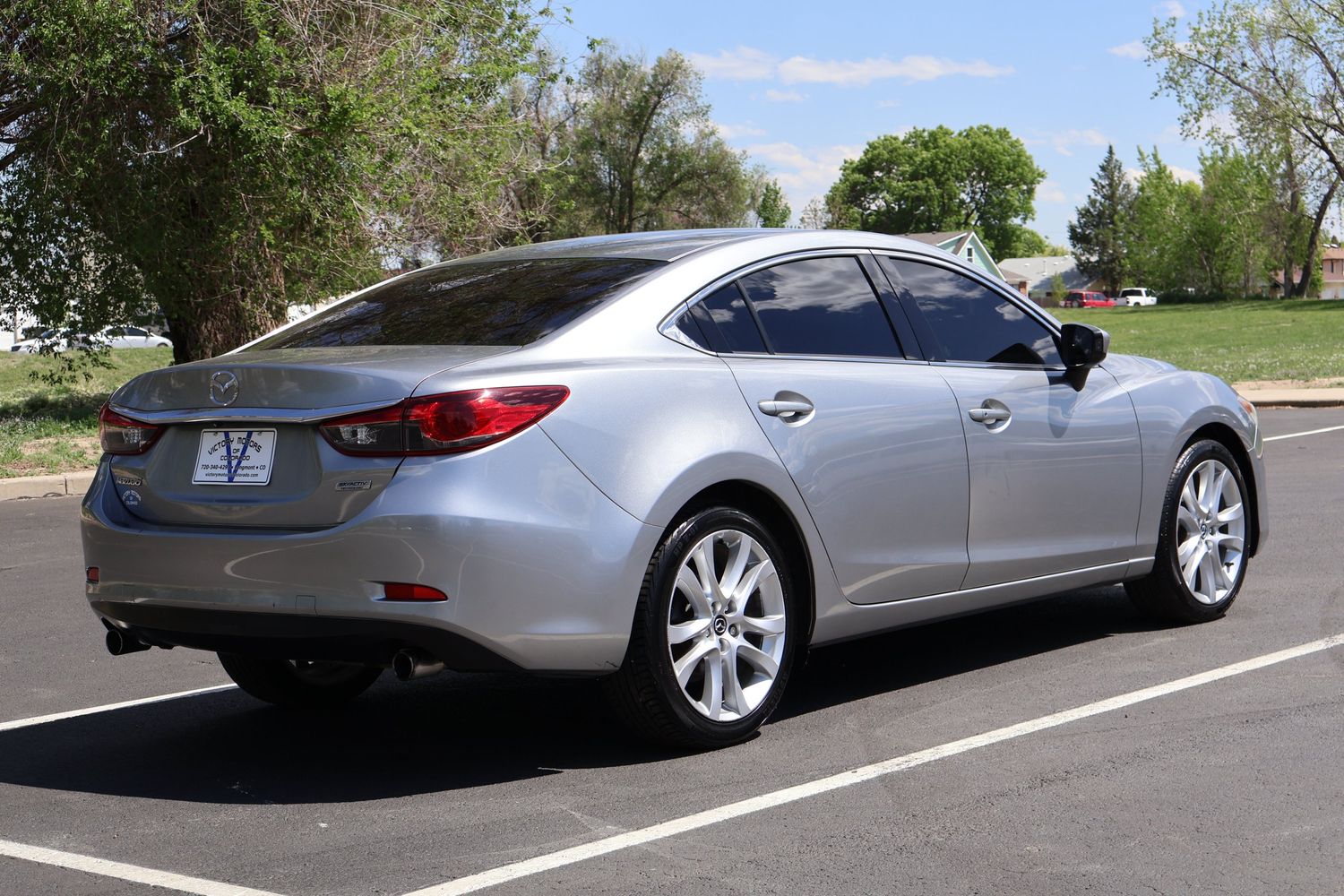
The 2015 Mazda6 delivers an EPA-estimated fuel economy of up to 28 mpg city and 40 mpg highway when equipped with the innovative i-ELOOP regenerative braking system and the standard 2.5-liter SkyActiv-G four-cylinder engine paired with an automatic transmission. This impressive balance of efficiency and driving dynamics makes it a standout choice in the midsize sedan market.
Introduction to the 2015 Mazda6 and Its Powertrain Philosophy
When assessing the 2015 mazda6 mpg overview, buyers and automotive enthusiasts encounter a vehicle designed during an era when Mazda heavily pivoted toward lightweight engineering and thermodynamic efficiency. Central to this approach is the SkyActiv technology suite. Rather than relying on forced induction (such as turbochargers) or complex hybrid battery packs to achieve high fuel economy figures, Mazda focused on optimizing internal combustion efficiency through high compression ratios, direct injection, and low-friction mechanical components.
Understanding the fuel economy of the 2015 Mazda6 requires examining how its single powertrain option interacts with two different transmission choices—a six-speed manual and a six-speed automatic—alongside the unique availability of the i-ELOOP brake energy regeneration system. Because this vehicle relies entirely on gasoline without electronic assistance on standard trims, its real-world fuel economy closely mirrors its EPA ratings under normal driving conditions. This guide breaks down the official EPA ratings, the mechanical factors influencing these numbers, real-world owner experiences, and practical tips for maximizing fuel efficiency.
Official EPA Fuel Economy Ratings by Trim and Transmission
The 2015 Mazda6 comes equipped with a single engine choice across all trim levels (Sport, Touring, and Grand Touring): a 2.5-liter naturally aspirated four-cylinder SkyActiv-G engine generating 184 horsepower and 185 lb-ft of torque. However, the transmission choice and the inclusion of specific fuel-saving packages alter the vehicle's efficiency profile.
Manual Transmission (6-Speed SkyActiv-MT)
For drivers who prefer shifting their own gears, the six-speed manual transmission is available exclusively on the base Sport trim.
- City MPG: 25
- Highway MPG: 37
- Combined MPG: 29
While manual transmissions historically offered superior fuel economy, modern automatic gearboxes often match or exceed them due to wider gear ratios and lock-up torque converters. Nevertheless, the manual variant provides competitive efficiency for an enthusiast-oriented midsize sedan.
Automatic Transmission (6-Speed SkyActiv-Drive)
The vast majority of 2015 Mazda6 models leave dealership lots paired with the six-speed automatic transmission. This transmission utilizes a wide lock-up range to improve fuel efficiency while maintaining a responsive feel.
- City MPG: 26
- Highway MPG: 38
- Combined MPG: 32
Automatic Transmission with i-ELOOP
The Grand Touring trim—and select Touring trims equipped with the Technology Package—features i-ELOOP (Intelligent Energy Loop), a capacitor-based brake energy regeneration system. Instead of heavy batteries, i-ELOOP captures electrical energy when the car decelerates and uses it to power the vehicle's electrical components (such as climate control and audio), reducing the mechanical load on the engine.
- City MPG: 28
- Highway MPG: 40
- Combined MPG: 32
| Transmission & Configuration | City MPG | Highway MPG | Combined MPG | Key Technical Feature |
|---|---|---|---|---|
| 6-Speed Manual | 25 | 37 | 29 | Sport trim exclusive; direct mechanical linkage |
| 6-Speed Automatic | 26 | 38 | 32 | Standard automatic with wide lock-up torque converter |
| Automatic with i-ELOOP | 28 | 40 | 32 | Capacitor-based regenerative braking system |
Key Technologies Driving Efficiency
The impressive fuel economy figures of the 2015 Mazda6 are not the result of a single component, but rather an integrated system of mechanical and electronic advancements designed to minimize energy loss.
SkyActiv-G 2.5-Liter Engine Architecture
The SkyActiv-G engine features an unusually high compression ratio for a mass-market gasoline engine (13:1 in North American markets). Typically, high compression ratios lead to engine knocking, but Mazda engineers mitigated this through a proprietary piston cavity design, a 4-2-1 exhaust system that reduces residual hot gases in the combustion chamber, and multi-hole fuel injectors. This allows the engine to extract more energy from every drop of fuel.
i-ELOOP Regenerative Braking Explained
The i-ELOOP system represents a unique approach to fuel conservation. Traditional alternators draw power from the engine constantly, which consumes fuel. i-ELOOP uses a variable-voltage alternator to quickly generate electricity during deceleration, storing that energy in an Electric Double-Layer Capacitor (EDLC). Because capacitors charge and discharge much faster than chemical batteries and do not degrade as quickly, the stored energy seamlessly powers the car's electrical accessories. This ensures that the engine's output is dedicated primarily to propelling the vehicle forward.
Aerodynamics and Lightweight Body Construction
Fuel economy is heavily influenced by how easily a vehicle cuts through the air and how much weight it has to move. The body shell of the 2015 Mazda6 incorporates high-strength steel, which reduces overall vehicle weight while enhancing structural rigidity and safety crash ratings. Furthermore, careful underbody paneling and a sleek silhouette give the sedan a low drag coefficient, minimizing highway fuel consumption.
Real-World Fuel Economy vs. EPA Estimates
While laboratory EPA tests provide a standardized baseline, real-world driving conditions introduce variables such as terrain, weather, cargo weight, and driving habits. Owners of the 2015 Mazda6 frequently report that achieving or exceeding the EPA highway rating of 38 to 40 mpg is entirely realistic during long highway commutes, provided speeds remain moderate (around 65 to 70 mph).
In urban environments, however, real-world fuel economy often aligns closer to the 24–26 mpg range unless drivers anticipate traffic flow and utilize momentum effectively. Stop-and-go traffic places a heavy burden on any naturally aspirated engine, though models equipped with i-ELOOP tend to hold a slight advantage in city efficiency due to reduced alternator drag.
Common Factors Impacting Fuel Economy
Several maintenance and operational factors can cause a 2015 Mazda6 to fall short of its factory fuel economy ratings. Owners troubleshooting declining fuel efficiency should examine the following items:
- Tire Pressure and Alignment: Underinflated tires increase rolling resistance, forcing the engine to work harder. Maintaining correct tire pressure (typically specified on the doorjamb placard) is crucial.
- Spark Plug and Air Filter Condition: Worn spark plugs or clogged engine air filters disrupt the air-fuel mixture, reducing combustion efficiency.
- Fuel Quality: While the engine is designed to run on regular 87-octane gasoline, using low-quality fuel with excessive ethanol blends or carbon buildup in the direct-injection intake valves can negatively impact mileage over time.
- Driving Style: Aggressive acceleration, excessive idling, and high-speed highway driving (above 75 mph) significantly degrade fuel economy due to exponential increases in aerodynamic drag.
Tips for Maximizing Fuel Efficiency in a 2015 Mazda6
Drivers looking to squeeze every possible mile out of their 2015 Mazda6 can adopt several practical driving and maintenance habits:
- Anticipate Traffic Flow: Smooth, progressive braking and acceleration prevent the unnecessary waste of kinetic energy.
- Utilize Cruise Control: On long highway trips, maintaining a steady speed via cruise control prevents micro-accelerations that burn extra fuel.
- Minimize Excess Weight: Removing unnecessary cargo and heavy items from the trunk reduces the load on the SkyActiv-G engine.
- Adhere to Service Intervals: Regular oil changes using the manufacturer-specified 0W-20 synthetic oil minimize internal engine friction, preserving optimal fuel economy.
Frequently Asked Questions
Does the 2015 Mazda6 require premium gasoline?
No, the 2015 Mazda6 is designed to run efficiently on standard 87-octane regular unleaded gasoline. While it features a high compression ratio, advanced engine management programming prevents engine knock without requiring expensive premium fuel.
What is the fuel tank capacity of the 2015 Mazda6?
The fuel tank holds 16.4 gallons (62 liters) for standard automatic and manual models. Models equipped with the i-ELOOP system feature a slightly smaller fuel tank capacity of 14.8 gallons (56 liters) due to the packaging requirements of the capacitor system, though the enhanced highway efficiency offsets the minor reduction in total driving range.
How does the i-ELOOP system affect long-term maintenance costs?
The i-ELOOP system utilizes durable electrical capacitors rather than chemical hybrid batteries. Because capacitors do not suffer from the same chemical degradation cycle as lithium-ion or nickel-metal hydride batteries, long-term battery replacement costs are generally not a concern for this system.
Can the i-ELOOP system be added to a base 2015 Mazda6?
No, retrofitting the i-ELOOP system to a model that did not come with it from the factory is economically and technically impractical. The system requires dedicated wiring harnesses, a specialized variable-voltage alternator, the capacitor unit, and specific instrument cluster integration.
What is the total driving range of a full tank on the highway?
With a 16.4-gallon tank and an EPA highway estimate of 38 mpg, a standard automatic 2015 Mazda6 can theoretically achieve a highway driving range of over 600 miles under ideal conditions, making it an exceptional road trip vehicle.
Final Recommendation
For buyers evaluating a used midsize sedan from this model year, the 2015 Mazda6 remains a compelling option for those prioritizing fuel efficiency, engaging handling, and sleek design. When inspecting a prospective purchase, verify whether the vehicle includes the i-ELOOP system by checking the window sticker, vehicle history report, or the instrument cluster display menus. Prioritize models with documented maintenance histories regarding oil changes and spark plug replacements to ensure the SkyActiv-G engine operates at peak efficiency.