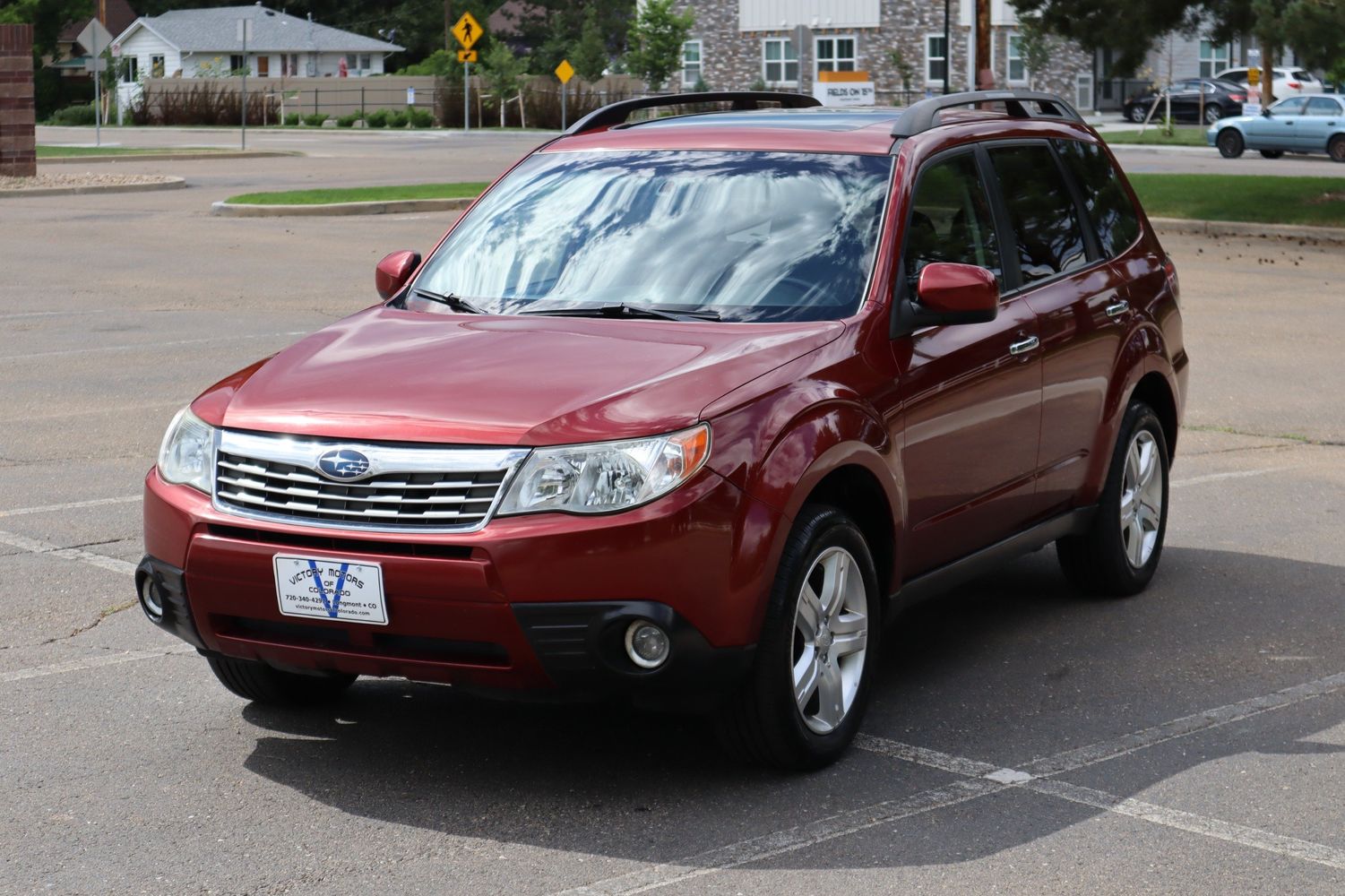
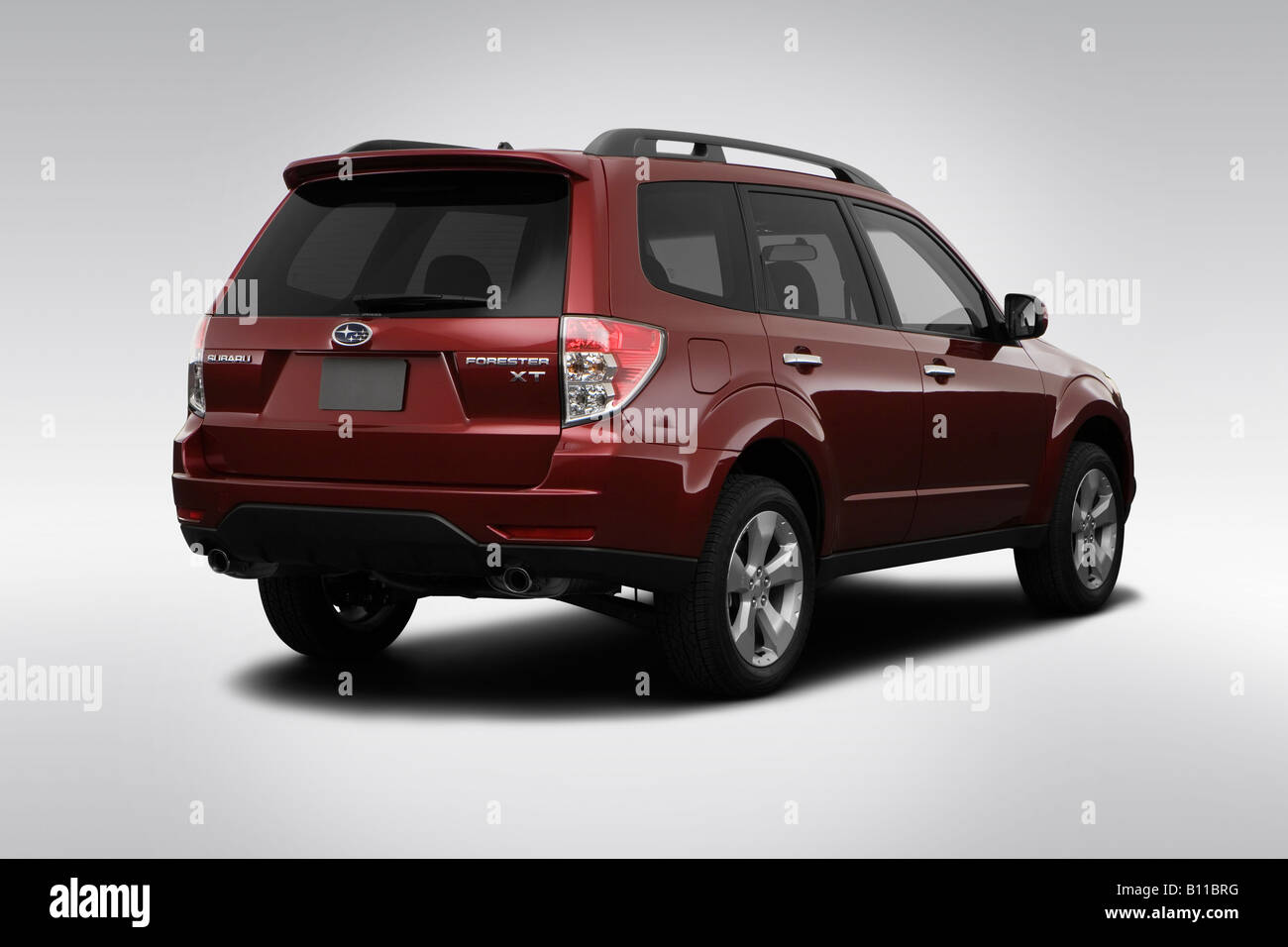
The 2009 Subaru Forester XT Limited occupies a unique sweet spot in automotive history, blending turbocharged boxer performance with the everyday utility of a compact crossover. While its redesign marked a shift toward a more family-friendly, spacious footprint, it retained a spirited powertrain that appeals to enthusiasts seeking a sleeper daily driver.
Introduction: The Evolution of the Third-Generation Forester
When Subaru introduced the third-generation Forester for the 2009 model year, it marked a distinct departure from the wagon-like proportions of the first two iterations. Moving to a larger platform shared loosely with the Impreza, the 2009 Forester grew taller, wider, and longer. This growth spurt transformed the vehicle from a quirky, rugged station wagon into a mainstream compact SUV capable of competing directly against dominant market players like the Toyota RAV4 and Honda CR-V.
Yet, for driving enthusiasts, the crown jewel of this generation's lineup was the XT Limited. By pairing the newly developed EJ255 turbocharged 2.5-liter engine with a redesigned chassis and an upscale interior package, Subaru attempted a difficult balancing act. It had to deliver sports-car-adjacent acceleration and all-weather capability while maintaining the family-friendly cargo space, safety ratings, and ride comfort expected of a modern crossover. Examining how well the 2009 Forester XT Limited managed this duality reveals a compelling vehicle that continues to command a loyal following on the used car market.
Powertrain and Performance Dynamics
At the heart of the 2009 Forester XT Limited is the EJ255 engine, a turbocharged and intercooled 2.5-liter flat-four boxer unit. Pumping out 224 horsepower at 5,200 rpm and 226 lb-ft of torque starting at a low 2,800 rpm, this engine endows the crossover with brisk, authoritative acceleration.
Unlike peakier naturally aspirated engines, the turbocharger spooling down low in the rev range means the Forester XT pulls strongly from a stop without feeling sluggish. Power is routed through a standard four-speed automatic transmission—the sole gearbox offering for the XT trim in this generation. While enthusiasts often lament the absence of a manual transmission option for the turbocharged model, the four-speed automatic is geared reasonably well to keep the engine in its power band, though it lacks the efficiency and responsiveness of modern multi-speed automatics or CVTs.
| Performance Metric | Specification |
|---|---|
| Engine Type | 2.5L Turbocharged Boxer 4 (EJ255) |
| Horsepower | 224 hp @ 5,200 rpm |
| Torque | 226 lb-ft @ 2,800–4,800 rpm |
| Transmission | 4-Speed Electronically Controlled Automatic |
| Drivetrain | Symmetrical All-Wheel Drive (VTD-AWD) |
| 0–60 mph Acceleration | ~6.5 to 6.8 seconds |
| EPA Fuel Economy | 19 mpg City / 24 mpg Highway |
Handling and ride dynamics represent a notable shift from the previous generation. The 2009 model adopted a double-wishbone rear suspension setup, replacing the older strut-type design. This change vastly improved ride quality, reducing harshness over broken pavement while maintaining composure through corners. However, because the 2009 model is taller and softer than its predecessor, body roll is more pronounced when pushing hard through twisty backroads. Steering feel is on the lighter side, prioritizing effortless parking lot maneuvers and relaxed highway cruising over razor-sharp track feedback.
Practicality, Interior Space, and Ergonomics
Where the 2009 Forester XT Limited truly shines is in its spatial efficiency and daily usability. The exterior redesign expanded cabin volume significantly, addressing the tight rear legroom that plagued the second-generation models. Rear passengers enjoy generous headroom and legroom, making long road trips comfortable for adults.
Cargo capacity is another major win. With the rear seats up, the cargo area offers expansive flat floor space, easily swallowing luggage, groceries, or camping gear. Dropping the 60/40 split-folding rear seats expands that capacity dramatically. A wide liftgate opening and low load-floor height simplify loading heavy or bulky items compared to higher-riding traditional SUVs.
The "Limited" trim designation introduces a host of interior amenities designed to elevate comfort:
- Leather-trimmed upholstery providing a more upscale touch and easier cleanup than standard cloth.
- Power panoramic glass sunroof that floods the cabin with natural light and opens up headroom perception.
- Automatic climate control ensuring consistent cabin temperatures regardless of external weather conditions.
- Upgraded audio system featuring satellite radio capability, auxiliary inputs, and multiple speakers.
Visibility from the driver's seat is exceptional, thanks to large windows, thin pillars, and a squared-off roofline. This greenhouse design minimizes blind spots, making navigation in tight urban environments straightforward.
Fuel Economy and Cost of Ownership
Balancing performance with utility always extracts a toll at the fuel pump, and the 2009 Forester XT Limited is no exception. Rated by the EPA at 19 mpg city and 24 mpg highway, real-world fuel economy heavily depends on driving habits. Because the turbocharged engine requires premium fuel (91 octane or higher), running costs are higher than those of the naturally aspirated 2.5X models.
Maintenance and reliability require careful consideration. The EJ255 engine shares architecture with contemporary WRX models, meaning it benefits from attentive upkeep. Key operational requirements include:
- Frequent oil changes: Using high-synthetic oils every 3,750 to 5,000 miles to protect the turbocharger's bearings.
- Cooling system monitoring: Ensuring head gaskets and coolant hoses are inspected regularly, as boxer engines are sensitive to overheating.
- Timing belt service: The timing belt, tensioners, and water pump must be serviced every 105,000 miles or 105 months to prevent catastrophic engine interference.
When properly maintained, these vehicles can achieve high mileage, but neglected examples can present expensive repair bills related to turbo failure or head gasket seepage.
All-Weather Capability and Safety
Subaru’s signature Symmetrical All-Wheel Drive system is standard on the Forester XT Limited, providing confident traction in rain, snow, and mud. Unlike part-time systems that engage only when slip is detected, Subaru's continuous AWD system powers all four wheels simultaneously, routing torque intelligently to maintain grip. Combined with 8.9 inches of ground clearance, the vehicle handles deep snow and unpaved forest service roads with ease.
Safety ratings for the 2009 model were strong for its era. The Insurance Institute for Highway Safety (IIHS) named the redesigned Forester a Top Safety Pick, earning the highest rating of "Good" in frontal-offset, side-impact, and roof strength evaluations. Standard safety equipment includes antilock disc brakes (ABS) with brake assist, electronic stability control, traction control, and a comprehensive suite of airbags including front side-impact and full-length side curtain airbags.
Frequently Asked Questions
What type of fuel does the 2009 Forester XT Limited require?
The turbocharged EJ255 engine requires premium unleaded gasoline, specifically 91 octane or higher. Using lower octane fuel can lead to engine knock, reduced performance, and potential internal damage under boost.
Does the 2009 Forester XT Limited come with a manual transmission?
No. For the 2009 model year, Subaru paired the turbocharged XT engine exclusively with a four-speed electronic automatic transmission featuring SportShift manual control. Manual transmissions were restricted to naturally aspirated trims.
How does the cargo space compare to earlier Forester generations?
The 2009 model offers significantly more usable interior volume, particularly in rear passenger legroom and overall cargo capacity. The boxy rear profile and wider hatch opening make loading bulky items easier than in the second-generation models.
Is the 2009 Forester XT Limited a good choice for towing?
It is rated to tow up to 2,400 pounds when properly equipped with a trailer hitch and wiring harness. This is suitable for small utility trailers, jet skis, or lightweight pop-up campers, though fuel economy will drop noticeably while towing.
What are the common mechanical issues to watch out for?
Prospective buyers should inspect the vehicle for oil leaks around the head gaskets and valve covers, check service records for timely timing belt replacements, and verify that the turbocharger exhibits no excessive shaft play or smoke from the exhaust.
Conclusion and Final Recommendation
The 2009 Subaru Forester XT Limited succeeds brilliantly as a multi-role vehicle. It delivers engaging, boost-heavy acceleration wrapped in a practical, safe, and spacious package that handles inclement weather without breaking a sweat. While its four-speed automatic transmission and premium fuel requirement demand compromises, its unique blend of sports-sedan performance and utility remains compelling. For buyers seeking a capable all-weather daily driver with a distinct enthusiast pedigree, a well-maintained Forester XT Limited represents a rewarding choice.