Oceans cover more than seventy percent of the Earth's surface, yet the vast majority of the underwater realm remains largely unexplored and shrouded in mystery. Beneath the gentle rolling waves and sunlit surface waters lies an alien world characterized by crushing pressure, absolute darkness, and freezing temperatures. To survive in these extreme environments, many marine organisms have evolved nightmarish physical adaptations, bizarre feeding mechanisms, and potent venoms. These biological traits often evoke a deep sense of dread in humans, turning the ocean into a source of primal fascination and fear.
Understanding Ocean Terrors: Why the Deep Sea Frightens Us
Human fear of the deep ocean is rooted in evolutionary psychology and the fundamental realities of marine biology. When humans enter the water, they are entering an environment where they lack natural advantages such as speed, armor, or the ability to breathe without assistance. This vulnerability is magnified exponentially when considering the open ocean and the deep sea, zones where visibility drops to zero and apex predators hunt using specialized sensory systems.
Marine organisms often appear terrifying because their evolutionary paths diverged from terrestrial animals millions of years ago. Adaptations like bioluminescence, expandable jaws, transparent skulls, and neurotoxic venoms look like science fiction to land-dwelling observers. However, each terrifying trait is a finely tuned survival mechanism designed to secure scarce food or evade predators in a high-pressure, resource-limited habitat. Examining these creatures not only satisfies human curiosity about the unknown but also highlights the incredible diversity of life on Earth.
1. The Bobbit Worm (Eunice aphroditois)
The Bobbit worm is a benthic marine polychaete worm that burrows into the ocean floor, hiding its massive body beneath the sand while leaving only its sensory antennae exposed. Growing up to three meters in length, this ambush predator possesses a pharynx armed with sharp, trap-like jaws that snap shut with lightning speed.
When an unsuspecting fish brushes against its antennae, the Bobbit worm strikes with such ferocious velocity that it can slice smaller prey cleanly in half. It drags its victims down into its subterranean lair to digest them. Because it can remain hidden for long periods and strike without warning, it represents a silent hazard for divers and marine life in tropical and subtropical waters.
2. The Anglerfish (Suborder Ceratioidei)
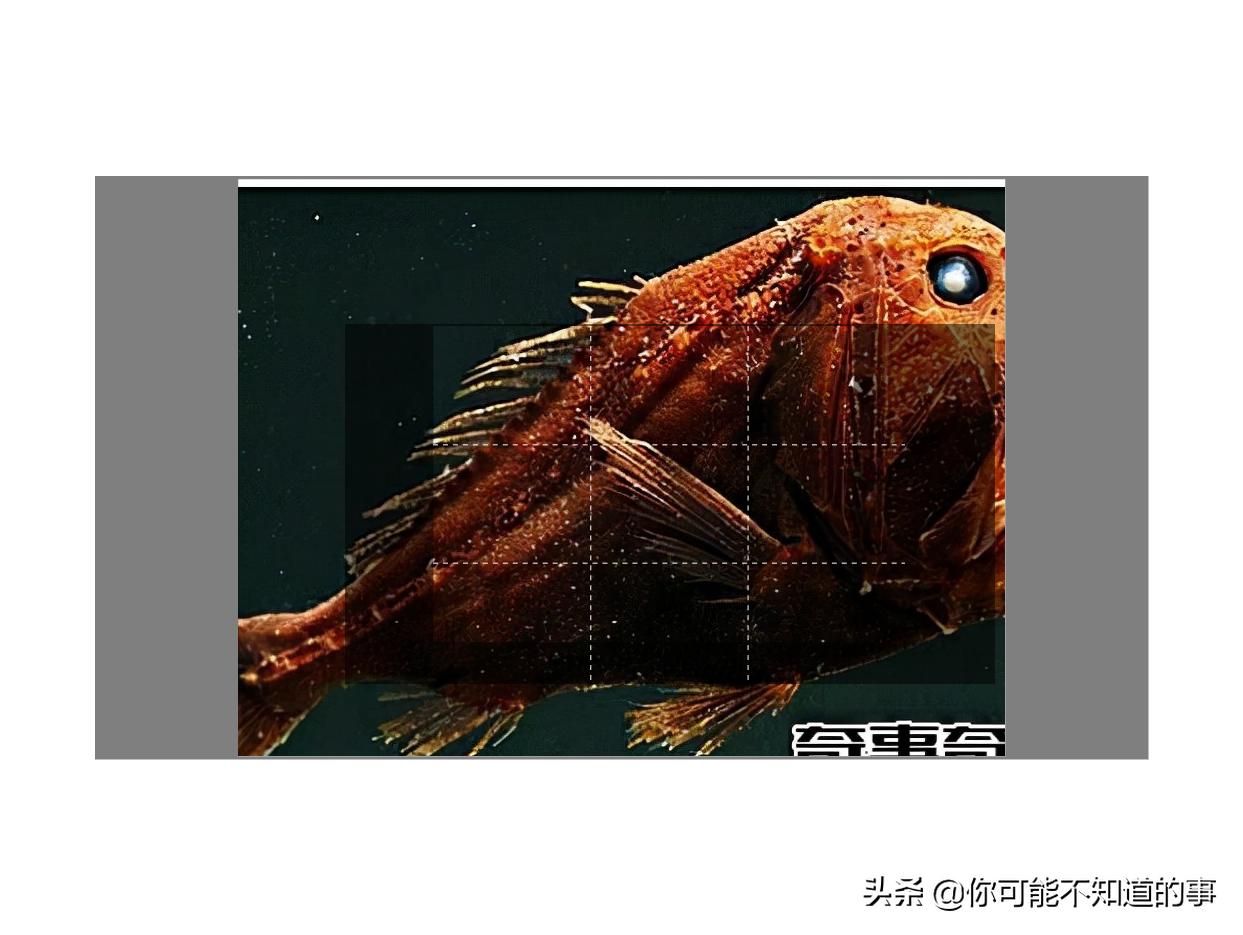
Living in the perpetual darkness of the bathypelagic zone, the anglerfish is perhaps the quintessential symbol of deep-sea horror. These fish are named for their unique method of hunting: a modified dorsal fin ray, known as the illicium, dangles above the fish's head like a glowing fishing lure powered by symbiotic bioluminescent bacteria.
Smaller creatures, mesmerized by the hypnotic light in an otherwise pitch-black abyss, swim directly toward the source—only to be engulfed by an enormous, expandable mouth lined with translucent, needle-sharp teeth angled inward so nothing can escape. Adding to their bizarre biology, male anglerfish are tiny, parasitic dwarfs that permanently fuse themselves to females, dissolving their own organs to become little more than sperm-producing appendages.
3. The Giant Squid (Architeuthis dux)
For centuries, the giant squid fueled maritime mythology, inspiring tales of tentacled monsters dragging entire wooden sailing ships down to watery graves. While modern science has demystified this elusive cephalopod, it remains an awe-inspiring and terrifying resident of the deep ocean. Growing up to thirteen meters long, the giant squid possesses eyes the size of dinner plates—the largest in the animal kingdom—designed to detect the faint bioluminescent glow of predators like the sperm whale.
Its two long feeding tentacles are lined with hundreds of razor-sharp serrated suction cups and hooks capable of gripping struggling prey. Fights between giant squids and sperm whales occur thousands of meters below the surface, leaving the massive marine mammals scarred by circular sucker marks, proving that the deep ocean is a theater of epic predation.
4. The Vampire Squid (Vampyroteuthis infernalis)
Despite its bloodthirsty moniker, the vampire squid is a small, passive detritivore, yet its appearance is pure gothic horror. Encased in dark, reddish-black skin with webbed arms that resemble a creeping cloak, this cephalopod can invert its webbing over its body to form a defensive sphere bristling with spine-like cirri.
When threatened, instead of releasing ink, the vampire squid ejects clouds of glowing, mucus-filled pellets that dazzle and confuse attackers while it vanishes into the dark. Living in the oxygen minimum zone where few other predators can survive, its eerie appearance and alien lifestyle make it one of the most haunting creatures of the deep.
5. The Stonefish (Synanceia)
Moving from the deep sea to shallow coastal waters, the stonefish is widely recognized as the most venomous fish in the world. Its mottled, warty skin provides absolute camouflage against coral reefs and rocky seabeds, making it virtually indistinguishable from a rock or piece of coral.
Along its back, the stonefish features thirteen robust dorsal spines connected to venom glands that secrete a potent neurotoxin. If a human accidentally steps on a stonefish, the pressure forces the venom into the wound, causing excruciating pain, shock, paralysis, and potentially heart failure if untreated. The camouflage combined with lethal defensive capability turns a casual beach stroll into a high-stakes encounter.
6. The Box Jellyfish (Chironex fleckeri)
The Australian box jellyfish, or sea wasp, is a delicate yet devastatingly lethal inhabitant of the Indo-Pacific coastal waters. Its transparent, cube-shaped bell houses clusters of complex eyes, and trailing from its corners are up to sixty tentacles that can stretch to three meters in length.
Each tentacle is packed with millions of specialized stinging cells called nematocysts, which are triggered by chemical touch rather than pressure. A single sting delivers a cocktail of toxins that attack the heart, nervous system, and skin cells simultaneously. In severe cases, human cardiac arrest can occur within minutes of contact, making swift administration of vinegar and medical intervention essential for survival.
7. The Moray Eel (Family Muraenidae)
Moray eels inhabit tropical and temperate reefs worldwide, lurking in dark crevices, caves, and shipwreck ruins. With their snake-like bodies, constantly gaping mouths filled with backward-pointing teeth, and poor eyesight, they present an intimidating profile to anyone exploring a reef.
Moray eels possess a unique evolutionary weapon: a second set of jaws located in their throat, known as pharyngeal jaws. When the primary jaws grab a prey item, these internal jaws shoot forward into the oral cavity to grasp the food and drag it down into the stomach. While they are generally shy and prefer to avoid humans, defensive bites can cause severe lacerations and difficult-to-treat bacterial infections.
8. The Goblin Shark (Mitsukurina owstoni)
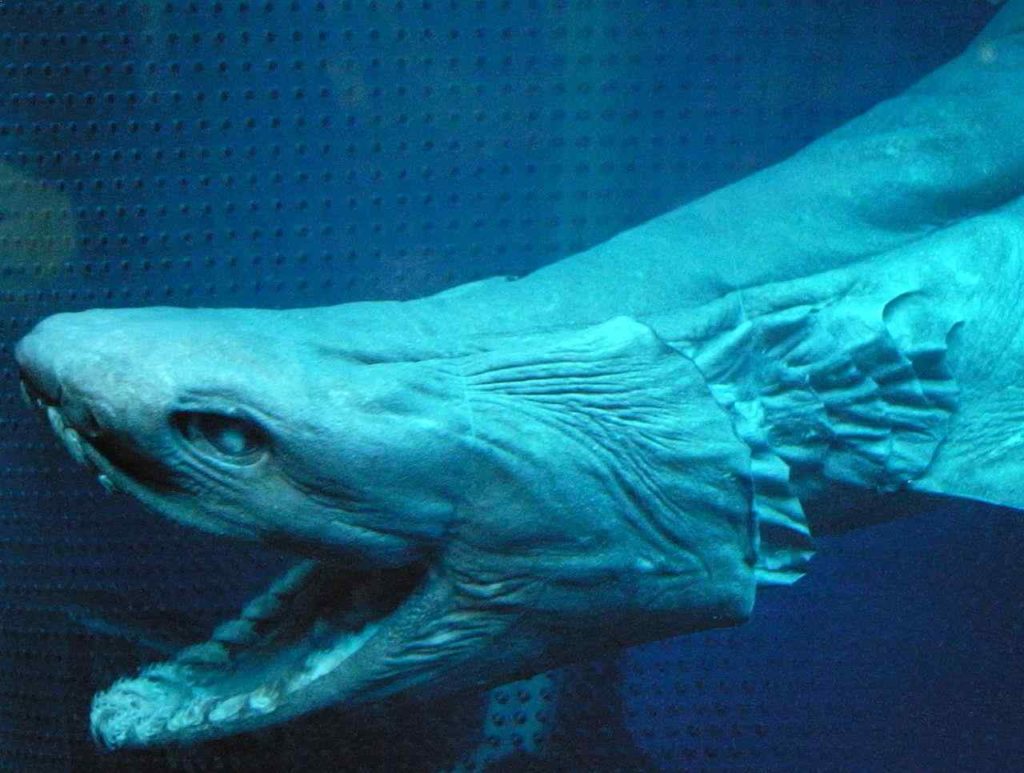
The goblin shark is a rare, deep-water species often described as a living fossil. It features a long, flattened snout packed with electrosensitive organs used to locate prey in absolute darkness, and a flabby, pinkish-white body.
Its most terrifying feature, however, is its specialized jaw mechanism. When a goblin shark encounters prey, its jaws suddenly shoot forward on extensible ligaments to snap up the victim before retracting back beneath its snout. This sudden protrusion transforms a sluggish-looking bottom-dweller into a rapid ambush predator reminiscent of cinematic monsters.
9. The Blue-Ringed Octopus (Genus Hapalochlaena)
Measuring no larger than a golf ball, the blue-ringed octopus is one of the most venomous marine animals on the planet. When unprovoked, its skin is a drab, mottled brown, but when threatened, brilliant iridescent blue rings flash across its body as a warning display.
Its saliva contains tetrodotoxin, a neurotoxin up to one thousand times more potent than cyanide. The toxin causes rapid motor paralysis and respiratory arrest while leaving the victim fully conscious. Because a bite is often painless and goes unnoticed, victims may suffocate before realizing they have been envenomated, highlighting the danger of handling seemingly harmless tide-pool creatures.
10. The Leopard Seal (Hydrurga leptonyx)
Operating in the frigid waters of the Antarctic, the leopard seal is a sleek, muscular apex predator. Unlike other seals that primarily feed on fish and krill, the leopard seal boasts massive jaws, long canine teeth, and a predatory diet that includes penguins and other seal species.
Solitary and intensely curious, leopard seals frequently stalk human divers and researchers beneath ice shelves, moving with stealth and speed. Their immense size, powerful bite force, and aggressive territorial behavior make them formidable and intimidating hunters in their polar domain.
Comparison of Terrifying Marine Adaptations
| Creature Name | Primary Habitat | Main Weapon or Defense | Danger Level to Humans |
|---|---|---|---|
| Bobbit Worm | Benthic sand and gravel | Spring-loaded pharyngeal jaws | Low (Hazardous to fingers/small pets) |
| Anglerfish | Bathypelagic zone (Deep ocean) | Bioluminescent lure and expandable maw | None (Lives beyond human reach) |
| Giant Squid | Bathypelagic and mesopelagic zones | Hooked tentacles and massive size | None (Encountered only by deep divers/submersibles) |
| Vampire Squid | Oxygen minimum zones | Bioluminescent mucus and defensive cloak | None (Harmless detritivore) |
| Stonefish | Shallow coral and rocky reefs | Neurotoxic dorsal spines | High (Potentially fatal without treatment) |
| Box Jellyfish | Shallow coastal waters | Nematocysts delivering cardiotoxic venom | Extreme (Rapid cardiac arrest possible) |
| Moray Eel | Coral reefs and crevices | Dual-jaw biting mechanism | Moderate (Painful bites and infection risk) |
| Goblin Shark | Deep continental slopes | Extensible projectile jaws | None (Rarely encountered by humans) |
| Blue-Ringed Octopus | Tide pools and shallow reefs | Tetrodotoxin-laced saliva | Extreme (Paralysis and suffocation risk) |
| Leopard Seal | Antarctic pack ice | Powerful jaws and speed | High (Aggressive and territorial apex predator) |
Frequently Asked Questions
Which of these creatures poses the greatest actual danger to humans?
While deep-sea monsters like the giant squid capture the imagination, shallow-water dwellers pose the highest statistical danger. Box jellyfish and stonefish cause the most severe injuries due to their presence in areas where humans swim and wade. Envenomation from a box jellyfish or stonefish requires immediate, specialized medical care to prevent fatal outcomes.
Are deep-sea creatures actually dangerous to divers?
Most deep-sea creatures, such as the anglerfish, goblin shark, and vampire squid, live thousands of meters below the surface in environments humans can only reach using specialized submersibles. They possess no threat to recreational divers because their biological requirements prevent them from surviving in shallow, warm, sunlit waters.
How do box jellyfish deliver their deadly venom?
Box jellyfish utilize millions of specialized cells called nematocysts located along their long tentacles. When physical or chemical receptors on the tentacle touch a target, microscopic harpoons fire into the victim's skin, injecting a potent cocktail of toxins designed to shut down the nervous and cardiovascular systems instantly.
Why do so many deep-sea creatures look terrifying?
The nightmarish appearance of deep-sea creatures is the result of extreme evolutionary pressures. In an environment devoid of sunlight and sparse in nutrients, traits like translucent flesh, expandable stomachs, bioluminescence, and needle-like teeth evolved independently across different species to maximize hunting efficiency and survival odds in the dark abyss.
What should you do if you encounter a stonefish while diving?
Prevention is the best defense: wear sturdy dive boots and shuffle your feet when walking in shallow reef areas to avoid stepping on them. If stung by a stonefish, immediately immerse the affected area in hot water—as hot as the victim can tolerate without burning—to help denature the protein-based venom, and seek emergency medical assistance immediately for antivenom administration.
Practical Next Actions and Safety Guidance
When exploring marine environments, maintaining a respectful distance from wildlife is the cornerstone of safety. Never touch unfamiliar organisms in tide pools or on coral reefs, as defensive adaptations like venom and camouflaged spines are easily triggered. When swimming in tropical waters known for box jellyfish, consult local marine safety advisories, wear protective stinger suits, and ensure vinegar rinses are readily accessible on shore. Understanding the true nature of these fascinating marine organisms transforms fear into appreciation for the complex ecosystems thriving beneath the ocean's surface.