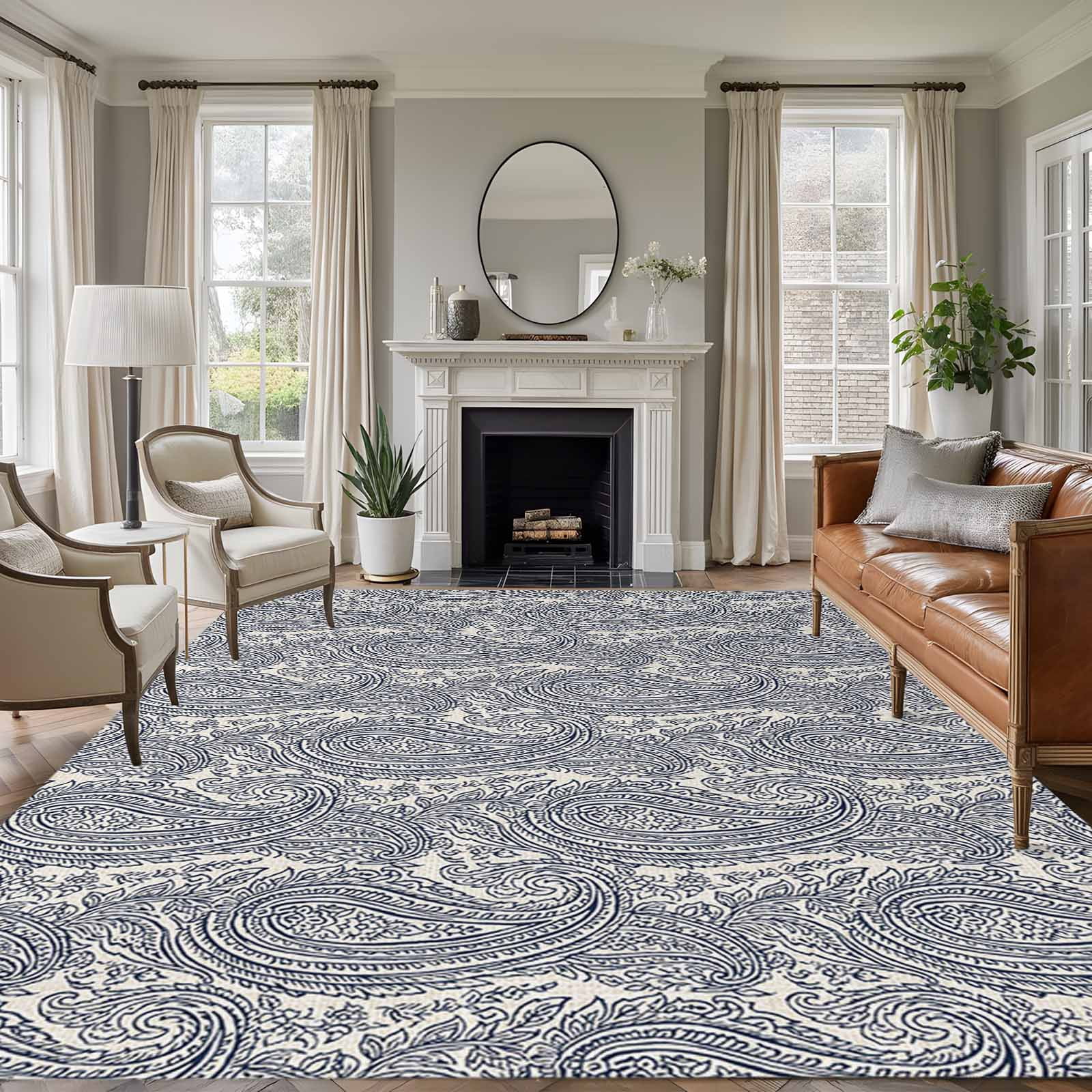
Selecting the ideal area rug for your living room involves balancing aesthetic appeal, tactile comfort, material durability, and precise spatial dimensions to anchor your furniture layout effectively.
Finding the right living room area rug requires looking beyond superficial patterns to evaluate how material composition, pile height, and construction techniques align with your household’s traffic levels and comfort preferences. Whether you are seeking a plush, high-pile sanctuary for bare feet or a durable, low-profile flatweave that withstands heavy foot traffic and pets, the market offers diverse solutions tailored to specific interior design requirements. This guide examines ten exceptional living room area rugs categorized by their primary performance strengths, helping you navigate material choices, sizing logistics, and maintenance demands.
Understanding Living Room Area Rug Categories and Construction
Before exploring individual rug styles, it is essential to understand how construction methods impact both longevity and tactile experience. Area rugs generally fall into a few primary categories: hand-knotted, hand-tufted, power-loomed, and flatwoven.
Hand-knotted rugs represent the pinnacle of craftsmanship. Artisans tie individual knots onto a warp and weft foundation, resulting in a reversible, highly durable piece that can last for generations. These are typically crafted from wool, silk, or high-grade cotton. Hand-tufted rugs, by contrast, use a tufting gun to punch yarn through a canvas backing, secured with latex and a secondary backing fabric. They offer a plush, dense pile at a more accessible price point, though they may shed initially.
Power-loomed rugs are machine-made on automated looms. This industrial process allows for precise geometric patterns, consistent pile heights, and rapid production, making them cost-effective options for large living spaces. Finally, flatwoven rugs (such as dhurries and kilims) lack a traditional pile. They are woven tightly on a loom, making them lightweight, easy to clean, and ideal for high-traffic zones or spaces where doors need to swing freely over the floor covering.
Key Factors in Choosing a Living Room Rug
Selecting an area rug goes beyond picking a pleasing color palette. To ensure long-term satisfaction, you must evaluate several structural and functional variables:
- Fiber Content: Natural fibers like wool offer natural stain resistance, fire retardancy, and unmatched resilience. Synthetic fibers such as polypropylene, polyester, and nylon provide exceptional stain resistance and budget-friendly durability, though they lack the organic warmth of wool.
- Pile Height: High-pile and shag rugs (over 0.75 inches) maximize underfoot comfort and acoustic dampening but trap crumbs and complicate vacuuming. Low-pile and flatweave rugs (under 0.25 inches) are streamlined, easy to maintain, and prevent tripping hazards.
- Size and Scale: A common design mistake is choosing a rug that is too small. In an ideal living room layout, all major furniture pieces (sofa, accent chairs) should sit completely on the rug, or at least have their front legs resting comfortably upon it.
- Rug Pads: Regardless of the rug type chosen, a high-quality rug pad is indispensable. It prevents slipping, protects hardwood flooring from abrasive backings, and adds an extra layer of cushioning.
The 10 Best Living Room Area Rugs for Style and Comfort
The following selections represent top-tier options across various design aesthetics, material compositions, and functional requirements.
1. Safavieh Madison Collection Bohemian Chic Area Rug
- Material: Enhanced Polypropylene
- Construction: Power-Loomed
- Best For: High-traffic households seeking vintage elegance without high maintenance.
The Safavieh Madison Collection bridges the gap between classic antiquity and contemporary bohemian styling. Power-loomed from enhanced synthetic fibers, this rug features a distressed, antiqued motif that conceals minor everyday wear while adding sophisticated texture to a room. Its virtually non-shedding pile makes it exceptionally practical for busy family rooms, and the soft polypropylene fibers provide a comfortable cushion underfoot without requiring excessive maintenance.
2. Pottery Barn PB Comfort Wool Rug
- Material: 100% New Zealand Wool
- Construction: Hand-Tufted
- Best For: Ultimate tactile comfort and sustainable luxury.
Crafted from premium New Zealand wool, the Pottery Barn PB Comfort Rug delivers a dense, plush pile that feels exceptionally soft against bare skin. Wool is naturally resilient and repels liquid spills naturally due to its inherent lanolin content. The substantial weight of this rug ensures it lies flat without curling at the corners, while its understated, solid-color design serves as a versatile anchor for patterned furniture and statement upholstery.
3. Loloi II Skye Collection Traditional Distressed Rug
- Material: Polyester and Acrylic Power-Loomed Blend
- Construction: Printed Flatweave-Style Pile
- Best For: Modern transitional spaces needing subtle, layered color.
The Loloi II Skye Collection has gained widespread interior design acclaim for its remarkably convincing printed-vintage aesthetic. While it has a very low pile, the digital printing technique creates intricate, faded-patina details that mimic antique Persian heirlooms. It is exceptionally thin, making it a stellar choice for rooms with low-clearance doors or heavy foot traffic, and its polyester-acrylic construction resists fading from direct sunlight.
4. NuLoom Rigo Hand Woven Jute Area Rug
- Material: 100% Natural Jute
- Construction: Hand-Woven Braided
- Best For: Coastal, rustic, or bohemian organic texture.
For those prioritizing natural, sustainable materials, the NuLoom Rigo Jute Rug introduces rich organic warmth and tactile depth to a living space. Hand-braided from natural plant fibers, jute provides a sturdy, textured surface that grounds minimalist or earthy room designs. While natural fiber rugs require spot cleaning rather than aggressive scrubbing, their durability in low-to-moderate traffic zones makes them a timeless investment in sustainable home decor.
5. Surya Cosmic Contemporary Geometric Rug
- Material: Wool and Viscose Blend
- Construction: Hand-Tufted
- Best For: Mid-century modern and contemporary architectural aesthetics.
The Surya Cosmic rug combines sculptural geometric patterns with a luxurious wool-viscose pile. The inclusion of viscose imparts a subtle sheen that catches natural light, accentuating the clean lines of the design. This rug works exceptionally well in living rooms featuring neutral leather sofas, minimalist coffee tables, and organic wood accents, providing both visual focal points and cozy underfoot insulation.
6. Unique Loom Trellis Collection Modern Moroccan Style Rug
- Material: Polypropylene Frieze
- Construction: Power-Loomed
- Best For: Budget-conscious households desiring classic Moroccan trellis design.
Inspired by traditional Moroccan Berber carpets, the Unique Loom Trellis Collection features bold, clean-lined lattice patterns over neutral backgrounds. Utilizing a frieze polypropylene yarn (where the yarn is tightly twisted to create a textured, resilient surface), this rug resists matting, staining, and shedding. It is an optimal choice for households with children or pets who want sophisticated global style without delicate upkeep requirements.
7. Jaipur Living Project Nursery Neutral Textured Rug
- Material: Wool and Cotton
- Construction: Hand-Woven Flatweave
- Best For: Layering textures and high-traffic multi-purpose family spaces.
Jaipur Living specializes in artisan-crafted textiles, and their textured flatweave options excel in modern living rooms where durability meets understated style. Because it lacks a high pile, this rug resists crushing under heavy sofa legs and heavy foot traffic. The subtle high-low woven texture adds visual dimension to neutral color schemes without overwhelming the room's overarching design narrative.
8. Lorena Canals Bereber Wool Washable Rug
- Material: Recycled Cotton and Wool Blend
- Construction: Hand-Made Washable Flatweave
- Best For: Households needing effortless machine-washable maintenance.
A common challenge with living room rugs is managing spills and deep-set stains. Lorena Canals solves this dilemma with handcrafted rugs engineered to fit into standard home washing machines. Made from non-toxic dyes and sustainable cotton-wool blends, the Bereber rug offers the classic aesthetic of a high-end Moroccan design paired with the ultimate convenience of machine laundering, making it an indispensable solution for pet owners and parents.
9. Safavieh Hudson Shag Collection High-Density Area Rug
- Material: Super-Soft Polypropylene
- Construction: Power-Loomed Shag
- Best For: Creating a cozy, cloud-like sanctuary in casual living spaces.
When maximum softness is the primary design objective, a high-density shag rug is unmatched. The Safavieh Hudson Shag utilizes ultra-plush polypropylene fibers that resist shedding despite their luxurious depth. This rug absorbs sound effectively, reducing echo in large, hard-surfaced living rooms, and provides a warm, inviting surface for lounging directly on the floor.
10. Dash & Albert Samode Cotton Woven Rug
- Material: 100% Cotton
- Construction: Hand-Woven Flatweave
- Best For: Casual, breezy living rooms and seasonal room refreshes.
Dash & Albert is renowned for durable, well-crafted flatweaves, and the Samode cotton rug is a stellar example of lightweight versatility. Because it is crafted entirely from cotton, it offers a soft, pliable hand-feel and can be easily rolled up, shaken out, or professionally cleaned. Its block-print style patterns infuse living rooms with relaxed charm and timeless artisanal character.
Comparative Overview of Top Living Room Rugs
To assist in your selection process, the following table compares key specifications across selected styles:
| Rug Model | Primary Material | Construction Type | Pile Height | Maintenance Level | Best Suited For |
|---|---|---|---|---|---|
| Safavieh Madison | Polypropylene | Power-Loomed | Medium (0.37") | Low | High-traffic family rooms |
| Pottery Barn PB Comfort | New Zealand Wool | Hand-Tufted | High (0.75"+) | Moderate | Luxury tactile comfort |
| Loloi II Skye | Poly-Acrylic Blend | Printed Flatweave | Very Low (0.10") | Low | Transitional low-clearance spaces |
| NuLoom Rigo Jute | Natural Jute | Hand-Braided | Low (0.25") | Moderate | Organic, coastal, or rustic decor |
| Lorena Canals Bereber | Cotton & Wool | Washable Flatweave | Low (Flat) | Easy (Machine Washable) | Pet and child-friendly homes |
Maintenance, Care, and Longevity Tips
Protecting your investment in a living room rug requires consistent preventative care. Vacuum your rug regularly using suction-only settings where possible; rotating brush rolls can pull fibers and cause premature fraying, particularly on hand-tufted and wool rugs.
For liquid spills, blot immediately with a clean, white, absorbent cloth rather than rubbing, which forces the stain deeper into the core fibers. Use mild dish soap mixed with cold water for spot treatment, testing any cleaning solution on a hidden corner of the rug first. Furthermore, rotating your living room rug 180 degrees every six to twelve months ensures even wear patterns from sunlight exposure and heavy foot traffic zones.
Frequently Asked Questions
What size area rug do I need for a standard living room?
The correct size depends on your furniture configuration. Ideally, choose a rug large enough so that all primary seating pieces rest entirely upon it. In medium-to-large rooms, an 8x10 or 9x12 rug allows the front legs of sofas and armchairs to sit comfortably on the surface, anchoring the grouping. In smaller rooms, a 5x8 rug placed beneath the coffee table with front sofa legs resting on the edge works well.
How do I stop my living room rug from sliding on hardwood floors?
Sliding occurs due to friction between the smooth rug backing and hard flooring. The most effective solution is placing a dual-surface, non-slip rug pad underneath the entire perimeter of the rug. This not only anchors the rug in place but also prevents fiber wear caused by friction against the floorboards.
Are wool rugs better than synthetic rugs for living rooms?
Wool rugs offer superior natural resilience, flame retardancy, and a luxurious organic hand-feel that synthetics cannot fully replicate. However, wool rugs shed fibers during their initial months of use and require gentle care. Synthetic fibers like polypropylene offer superior stain resistance and affordability, making them better suited for high-spill environments.
Can I place a high-pile rug in a high-traffic living room?
While high-pile and shag rugs offer exceptional underfoot comfort, they are generally not recommended for high-traffic zones because heavy foot traffic can mat the fibers flat over time, and crumbs or debris become trapped deep within the pile. Reserve high-pile rugs for low-traffic seating areas or bedrooms, opting for low-pile or flatweave alternatives in bustling family rooms.
How do I remove creases from a new rolled rug?
New rugs often arrive tightly rolled, creating temporary creases. To flatten them, reverse-roll the rug gently in the opposite direction and let it sit for 24 hours. Alternatively, lay the rug flat and place heavy books or furniture pads over the creased areas. Using a low-heat garment steamer on the backside of synthetic or wool rugs can also relax stubborn wrinkles safely.
Conclusion
Selecting the best living room area rug requires balancing aesthetic design with practical considerations like material durability, pile height, and ease of maintenance. By evaluating your household's daily traffic patterns, anchoring your furniture with correct spatial dimensions, and investing in a supportive rug pad, you can transform your living space into a stylish, comfortable sanctuary that stands the test of time.