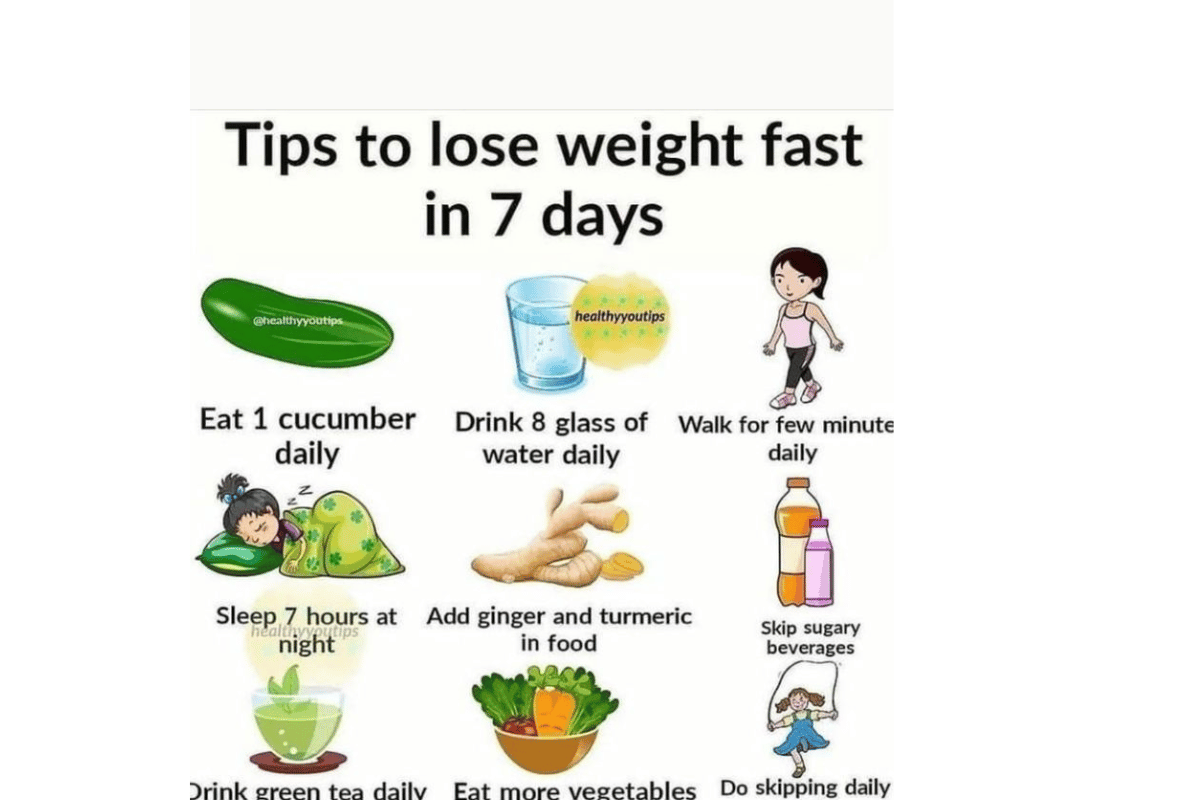
The most effective and scientifically supported path to losing weight rapidly is maintaining a consistent caloric deficit while prioritizing high-protein intake and structured physical activity. This approach relies on the fundamental principles of thermodynamics, ensuring your body utilizes stored adipose tissue for energy, rather than complex or restrictive fad diets that are rarely sustainable over time.
Understanding the Mechanism of Weight Loss
At its core, weight loss is dictated by energy balance. Your body requires a specific amount of energy—measured in calories—to maintain its current state, known as your Total Daily Energy Expenditure (TDEE). When you consume fewer calories than your TDEE, you create a caloric deficit. To compensate for this energy gap, the body mobilizes energy from its stores, primarily adipose tissue (body fat).
While the mathematical premise is straightforward, the biological execution is nuanced. Rapid weight loss often triggers metabolic adaptations, where the body attempts to conserve energy by reducing non-exercise activity thermogenesis (NEAT)—the energy expended during daily movements like fidgeting or walking. Successful weight management involves overcoming these biological defenses through metabolic flexibility, which is best achieved by balancing nutritional quality with consistent movement patterns.
The Foundation: Sustained Caloric Deficit
To lose weight effectively in 2026, you must first establish a baseline for your energy needs. Using established formulas like the Mifflin-St Jeor equation, individuals can calculate an estimated TDEE. A sustainable deficit is typically 300 to 500 calories below this number.
- Calculate your TDEE: Utilize an online calculator based on your age, gender, height, weight, and activity level.
- Track intake: Use a digital log for at least two weeks to understand your actual baseline consumption versus your perceived intake.
- Adjust gradually: Avoid extreme deficits (exceeding 750–1,000 calories below TDEE), as these often lead to muscle loss, nutrient deficiencies, and eventual regain.
The Role of Protein in Rapid Weight Management
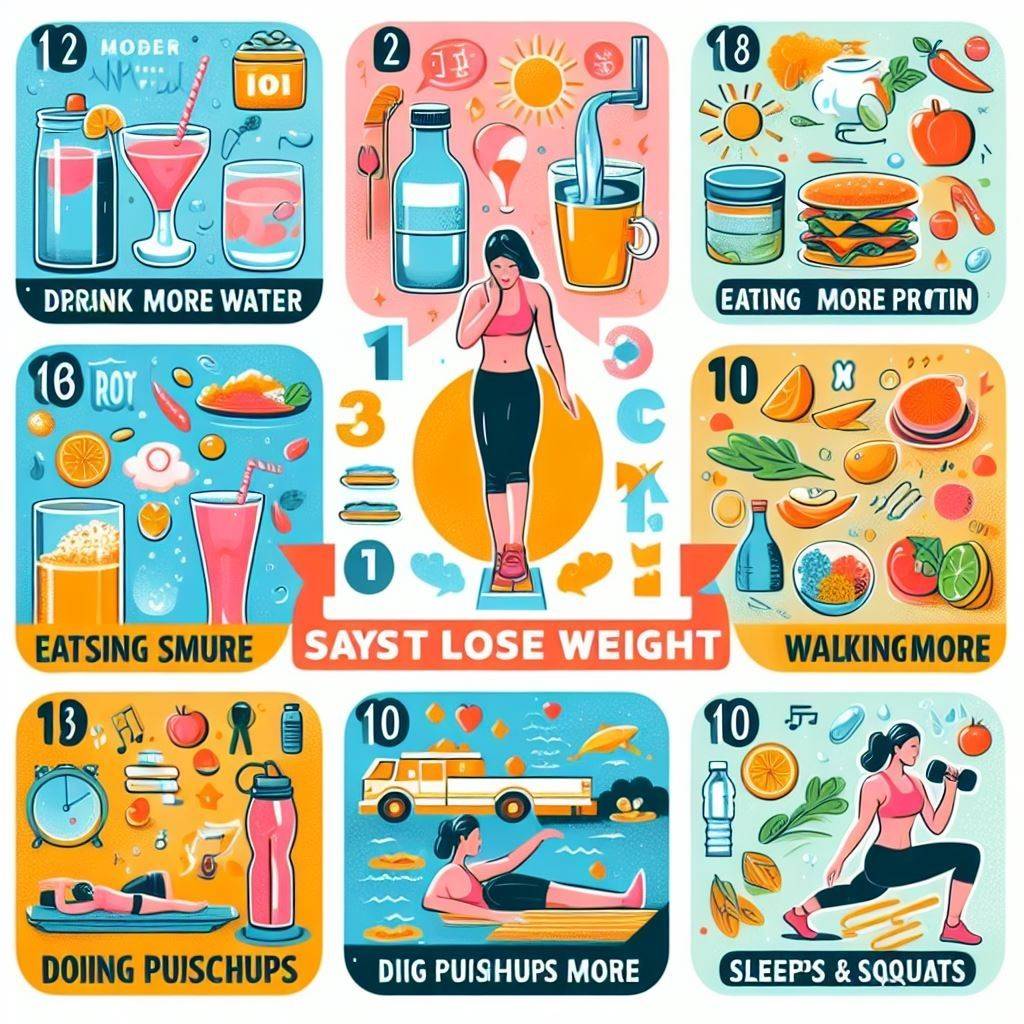
Protein is the most critical macronutrient for those seeking to lose fat rather than simply reducing the number on a scale. Protein possesses a high thermic effect of food (TEF), meaning the body expends significantly more energy digesting protein compared to fats or carbohydrates.
Furthermore, high protein intake—typically 1.6 to 2.2 grams per kilogram of lean body mass—aids in the preservation of muscle tissue. Muscle is metabolically active tissue; maintaining it ensures your BMR (Basal Metabolic Rate) remains as high as possible throughout your weight loss journey. Including lean sources such as poultry, fish, legumes, tofu, or Greek yogurt in every meal also increases satiety, reducing the likelihood of overconsumption due to hunger.
Structured Physical Activity: Resistance and NEAT
While dietary changes drive the scale weight, physical activity shapes your body composition. A dual-pronged approach is most effective:
- Resistance Training: Engaging in strength training 3 to 4 times per week sends a signal to your body to retain muscle mass. By challenging your muscles under tension, you prioritize fat oxidation over muscle catabolism.
- NEAT Optimization: The "hidden" path to weight loss is the increase of daily non-exercise movement. Aiming for a consistent daily step count (e.g., 8,000 to 10,000 steps) significantly influences your total energy expenditure without the psychological or physical burnout associated with excessive high-intensity interval training (HIIT).
Comparison of Weight Management Strategies
When evaluating different approaches to weight loss, it is important to distinguish between short-term dehydration-based tactics and long-term fat loss methods.
| Strategy | Primary Mechanism | Pros | Cons |
|---|---|---|---|
| Caloric Deficit | Thermodynamics | Reliable, evidence-based | Requires consistent tracking |
| Keto/Low-Carb | Glycogen depletion | Reduces water retention | Can be difficult to sustain socially |
| Intermittent Fasting | Time-restricted eating | Simplifies meal planning | Does not guarantee fat loss if calories are high |
| Resistance Training | Muscle maintenance | Improves body composition | Requires equipment/gym access |
Addressing Common Obstacles and Troubleshooting
Weight loss is rarely a linear process. You may encounter plateaus where the scale stops moving despite adherence to your plan. These plateaus are often not a failure of the method, but a sign that the body is adapting.
- Water Retention: High sodium intake, increased stress (cortisol), or intense exercise sessions can cause the body to hold onto water, masking fat loss. This is temporary and usually resolves within a few days of consistent routine.
- "Hidden" Calories: Over time, portions often creep up. Re-evaluating your intake using a food scale for a few days can help identify if your perceived deficit has diminished.
- Sleep Quality: Chronic sleep deprivation raises ghrelin (the hunger hormone) and lowers leptin (the satiety hormone). Ensuring 7–9 hours of quality sleep is essential for hormonal regulation and successful weight loss.
Professional Considerations and Safety
Before embarking on any aggressive weight loss regimen, it is imperative to consult with a primary care physician or a registered dietitian, especially if you have pre-existing health conditions such as type 2 diabetes, hypertension, or cardiovascular concerns.
Rapid weight loss can lead to gallstones, electrolyte imbalances, and nutrient deficiencies. Professional medical guidance ensures that your weight loss path is tailored to your specific physiological needs and that you are monitored for any adverse effects during the process. This article is for informational purposes and does not constitute medical, nutritional, or fitness advice.
Frequently Asked Questions
How quickly can I safely lose weight? A safe rate of weight loss is generally considered 0.5% to 1% of your total body weight per week. Losing weight faster than this may result in a higher proportion of muscle mass loss and an increased risk of long-term weight regain.
Do I need to eliminate carbohydrates to see results? No. Carbohydrates are the body’s preferred fuel source for high-intensity exercise. The quality and quantity of carbohydrates matter more than their total exclusion. Prioritizing complex, fiber-rich carbohydrates like oats, quinoa, and vegetables supports long-term satiety and metabolic health.
Why does my weight fluctuate from day to day? Daily weight fluctuations are normal and primarily driven by changes in hydration, glycogen storage, and digestive contents. Focus on the weekly average weight trend rather than daily readings to gauge progress accurately.
Is supplements necessary for weight loss? Most weight loss supplements on the market lack clinical evidence for long-term safety and efficacy. Basic supplementation, such as a multivitamin or protein powder, can be used for convenience or to bridge nutritional gaps, but they are not a substitute for a calorie-controlled diet.
How do I prevent weight regain after hitting my target? Weight maintenance is effectively a transition to a "re-feed" phase where calories are gradually increased back to your new maintenance level. Continued resistance training and a high-protein diet remain the best strategies for preventing the regain of lost fat mass.
Next Steps for Implementation
To start your path to weight loss, begin by calculating your TDEE and tracking your current intake for three days to identify your baseline. Once you have this data, reduce your daily intake by 300 to 500 calories, prioritize protein in every meal, and commit to 30 minutes of daily walking. Consistency in these three areas will yield more reliable results than any restrictive "quick fix."