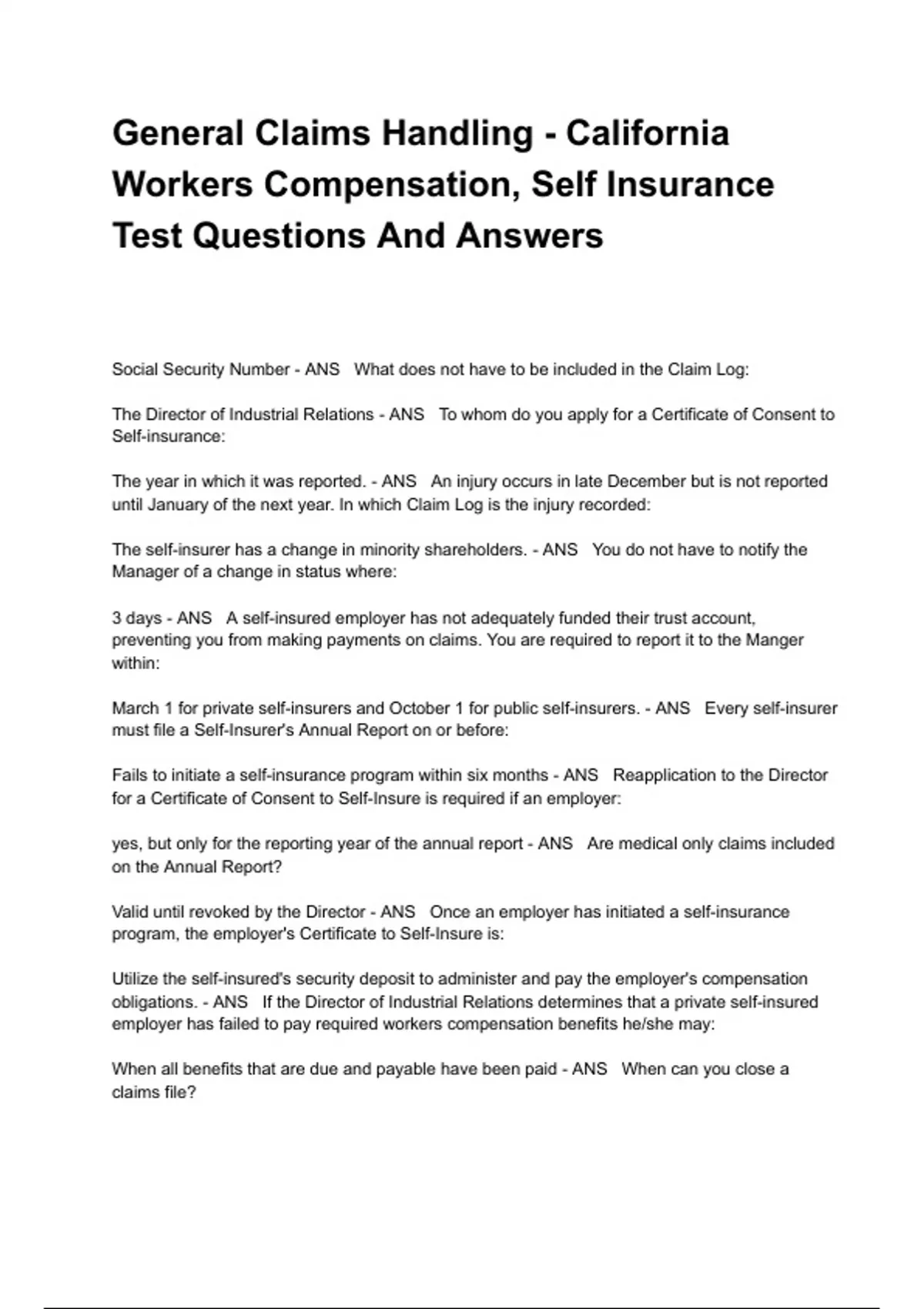
California Workers Compensation Services Inc represents a critical focal point for employers navigating the complex landscape of mandatory labor insurance within the state. Understanding how these specialized services operate helps businesses maintain compliance, manage risk effectively, and support injured workers through established statutory frameworks.
Navigating the state-mandated workers' compensation system in California requires a clear grasp of entity roles, statutory obligations, and administrative procedures. For employers, partnering with dedicated service providers or third-party administrators helps streamline policy procurement, claims management, and workplace safety compliance. This overview examines the core components of workers' compensation services in California, evaluating regulatory requirements, operational mechanisms, and strategic considerations for businesses operating within the state.
Understanding the California Workers' Compensation Landscape
California law mandates that nearly every employer—whether operating as a corporation, partnership, or sole proprietorship—carry workers' compensation insurance or secure a certificate of self-insurance if they employ one or more workers. This no-fault system is designed to provide timely medical treatment, temporary or permanent disability benefits, and vocational rehabilitation to employees who suffer work-related injuries or illnesses.
Private entities, specialized agencies, and advisory organizations operating under titles similar to California Workers Compensation Services Inc typically assist employers in navigating this heavily regulated environment. While state oversight is primarily managed by the California Department of Industrial Relations (DIR) and the Division of Workers' Compensation (DWC), private service providers offer critical auxiliary support. These services often include policy placement, risk engineering, claims advocacy, and audit preparation.
For business owners, distinguishing between state regulatory bodies and private service providers is essential. The DWC administers the administrative rules of the workers' compensation system, resolves disputes through the Workers' Compensation Appeals Board (WCAB), and audits insurance carriers and self-insured employers. Private service companies, conversely, act as operational partners to help businesses fulfill their statutory duties efficiently.
Core Functions Provided by Workers' Compensation Service Entities
Specialized service providers assist employers across several distinct phases of the workers' compensation lifecycle. Understanding these functions enables organizations to select appropriate partners and optimize their internal administrative workflows.
Policy Procurement and Rating Advisory
Securing appropriate coverage is the foundational step for any California employer. Service entities often evaluate a business's operational risks, classification codes, and payroll profiles to help secure competitive premiums through admitted carriers or the State Compensation Insurance Fund (SCIF). They also assist in navigating the Workers' Compensation Insurance Rating Bureau (WCIRB) guidelines, which govern classification codes and experience modification rates (EMRs).
Claims Administration and Advocacy
When an injury occurs, efficient claims handling minimizes cost volatility and ensures compliance with strict statutory deadlines. Service providers coordinate medical evaluations, manage communication between injured employees and insurance carriers, and track benefit disbursements. Effective administration reduces the likelihood of disputed claims escalating to formal litigation before the WCAB.
Safety Engineering and Risk Management
Proactive loss control is vital for managing long-term insurance costs. Many service providers dispatch safety professionals to conduct workplace audits, identify occupational hazards, establish Injury and Illness Prevention Programs (IIPPs), and train supervisory staff on OSHA compliance. Mitigating hazards directly influences a company's EMR over time, leading to lower premium calculations.
Regulatory Compliance and Legal Mandates in California
Operating a business in California involves strict adherence to state labor codes. Non-compliance carries severe financial and legal penalties, making the role of knowledgeable service partners indispensable.
Mandatory Coverage Verification
Employers must post official DWC notices in prominent workplace locations, informing employees of their rights and the identity of their workers' compensation carrier. Failure to maintain mandatory coverage is a criminal misdemeanor in California, punishable by substantial fines, stop-work orders, and potential jail time. Furthermore, injured employees retain the right to file civil lawsuits against uninsured employers under tort law, where the standard comparative fault defense is unavailable.
Reporting and Documentation Deadlines
California Labor Code enforces strict timelines for reporting workplace injuries:
- Employer's First Report of Occupational Injury or Illness (Form 5020): Must be filed with the insurer or claims administrator within five days of obtaining knowledge of a workplace injury resulting in lost time beyond the date of injury or medical treatment beyond first aid.
- Employee Claim Form (DWC 1): Must be provided to the injured worker within one working day of receiving notice or knowledge of an injury.
- Physician’s Report: Primary treating physicians must submit comprehensive medical evaluations outlining work restrictions and treatment plans at specified intervals.
| Statutory Form / Document | Responsible Party | Standard Deadline / Trigger | Primary Purpose |
|---|---|---|---|
| DWC 1 Claim Form | Employer / Administrator | Within 1 working day of injury knowledge | Formally initiates the workers' compensation claim |
| Form 5020 (Employer Report) | Employer / Administrator | Within 5 days of injury knowledge/lost time | Notifies insurer and state agencies of occupational injury |
| Notice of Coverage Posting | Employer | Continuous workplace display | Informs workers of carrier details and rights |
| Annual EMR Statement | Rating Bureau (WCIRB) | Issued annually prior to policy renewal | Calculates employer's loss history modifier |
Evaluating and Selecting Service Providers
Choosing the right service partner requires careful evaluation of an organization's specific industry risks, administrative capacity, and financial stability.
Key Selection Criteria
When assessing organizations that offer workers' compensation support services, decision-makers should examine several operational metrics:
- Industry Specialization: High-hazard industries—such as construction, agriculture, and manufacturing—require specialized risk engineering and claims expertise compared to standard office environments.
- Technological Integration: Modern claims portals, electronic data interchange (EDI) capabilities, and real-time dashboard analytics significantly reduce administrative friction.
- Regulatory Familiarity: Deep knowledge of California-specific statutory nuances, including Independent Medical Review (IMR) processes and Permanent Disability Rating schedules, is non-negotiable.
- Transparency in Fee Structures: Employers must clearly understand how broker fees, administrative service fees (ASFs), or premium installments are structured.
Frequently Asked Questions
Are all California employers legally required to carry workers' compensation insurance?
Yes. Under California Labor Code Section 3700, every public and private employer—regardless of whether they employ full-time or part-time workers—must secure workers' compensation insurance or obtain a formal certificate of self-insurance from the state.
What is an Experience Modification Rate (EMR) and how does it affect premiums?
An EMR is a statistical calculation generated by the WCIRB that compares a specific employer's loss history against the average losses of peer companies within the same industry. An EMR below 1.0 indicates a safer-than-average record and results in premium discounts, while an EMR above 1.0 increases premium costs due to higher historical risk.
How do service providers assist during a DWC audit?
Service entities often help compile payroll records, job classification audits, and safety documentation required by insurance carriers or state auditors, ensuring that premium adjustments are accurate and fair.
Can an employer dispute an unfavorable workers' compensation claim decision?
Yes. Employers, through their insurance carriers or claims administrators, have the right to contest questionable claims, request independent medical evaluations (IMEs), and present evidence at hearings before the Workers' Compensation Appeals Board.
What steps should an employer take immediately following a workplace injury?
The employer must first ensure the injured employee receives appropriate medical attention. Next, the employer must provide the DWC 1 claim form within one working day, report the injury to their insurance carrier or administrator, and maintain accurate internal incident records.
Next Actions for Employers
Business owners and human resources professionals seeking to optimize their workers' compensation posture should conduct a comprehensive internal audit. Review current policy classification codes with your insurance broker, verify that all workplace posting requirements are up to date, and audit your Injury and Illness Prevention Program to ensure alignment with California safety standards. Engaging specialized service providers proactively helps control costs, maintain compliance, and foster a safer, more supportive working environment.