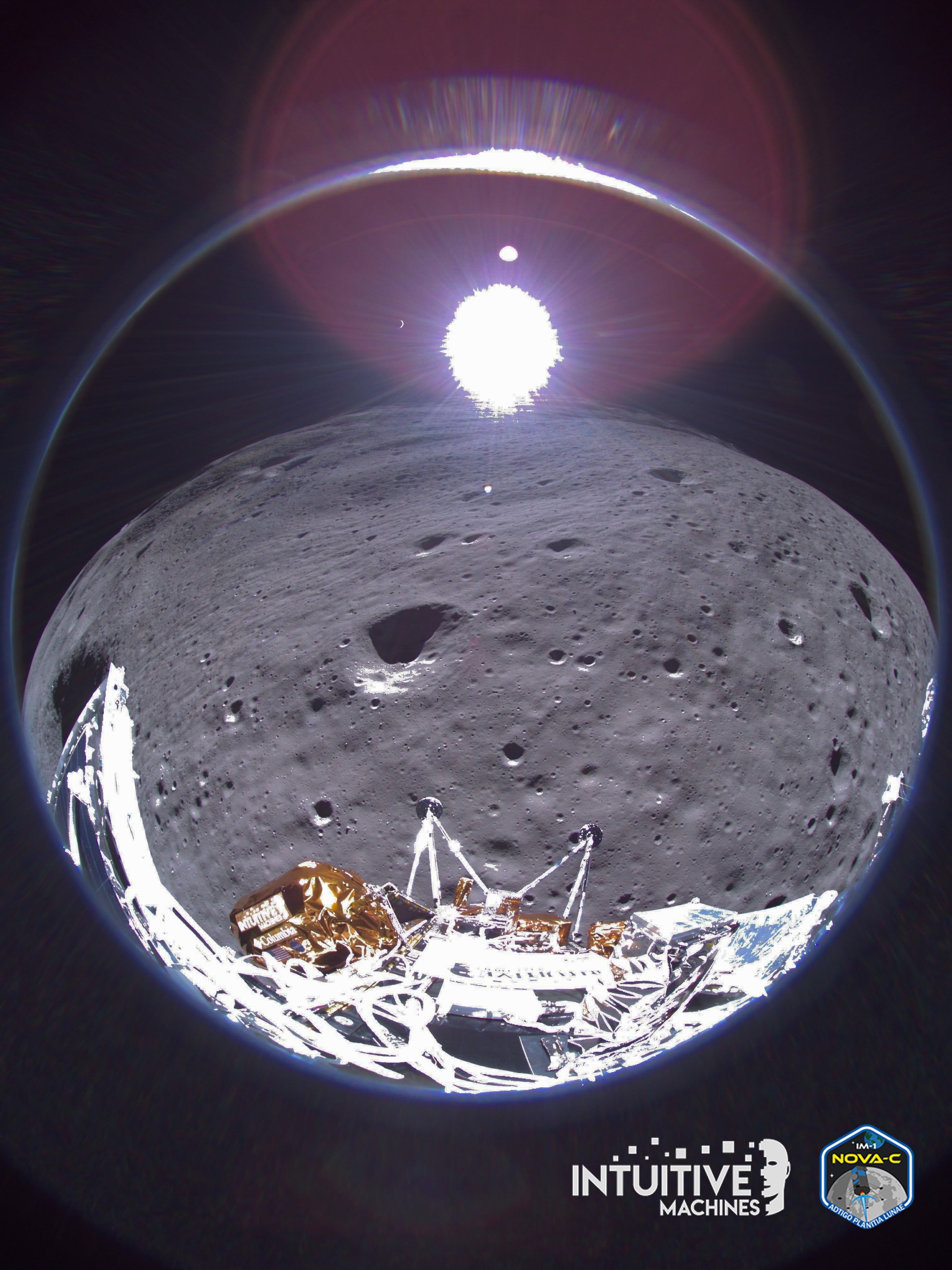
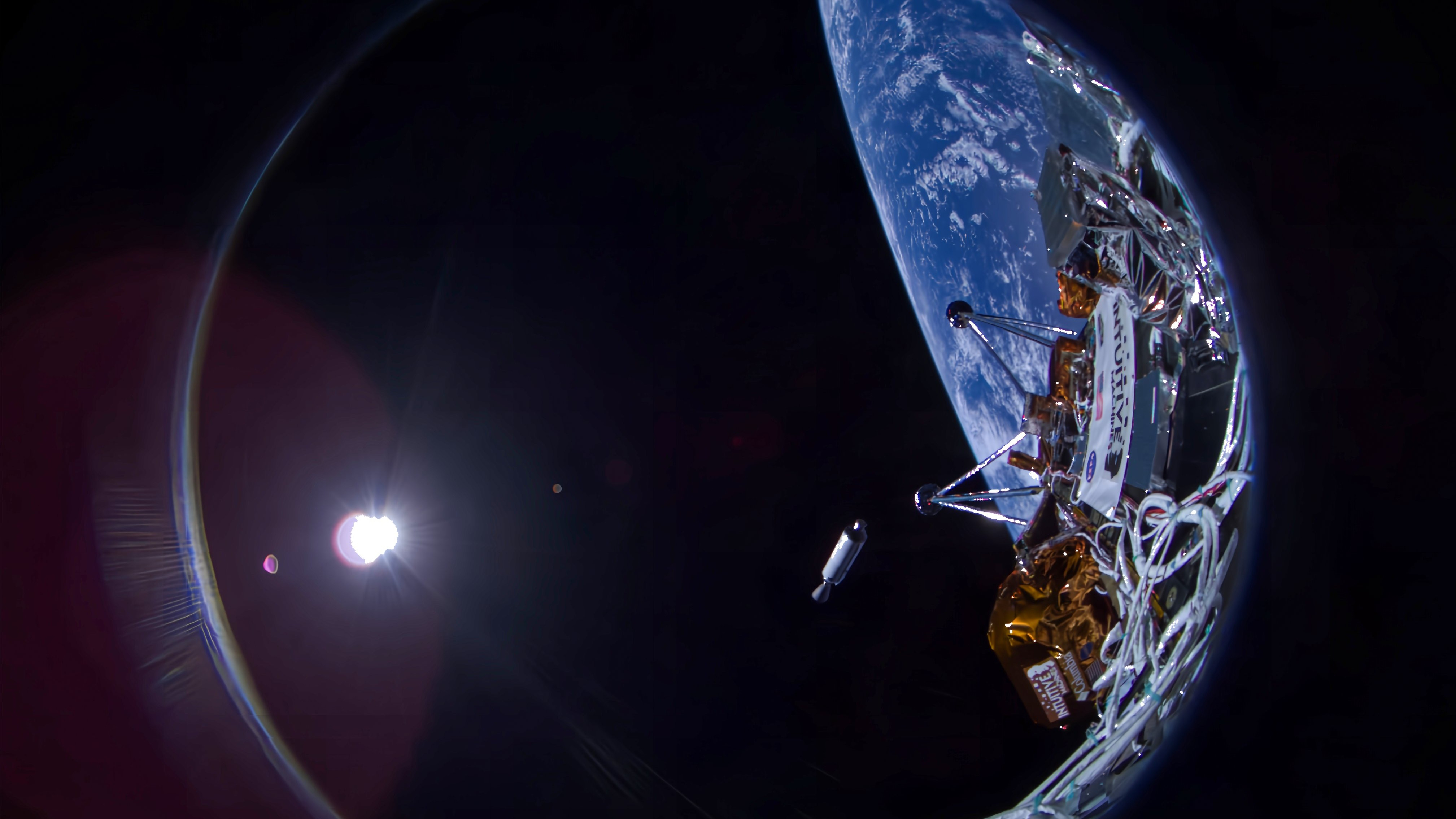
The Intuitive Machines IM-2 lunar mission represents a critical milestone in commercial space exploration, designed to deliver NASA payloads and commercial cargo to the Moon's South Pole region. As part of NASA’s Commercial Lunar Payload Services initiative, the mission leverages the company's Nova-C lander architecture to advance scientific discovery, test resource extraction technologies, and lay the groundwork for sustainable human presence on the lunar surface.
Introduction to the IM-2 Mission
The Intuitive Machines IM-2 mission is the second lunar flight contracted under NASA's Commercial Lunar Payload Services (CLPS) program. Following the historic flight of IM-1, which successfully landed near Malapert A in early 2024, IM-2 aims to push commercial deep-space capabilities further south. The mission targets the rugged, permanently shadowed regions of the lunar South Pole, an area of intense scientific and operational interest due to the suspected presence of water ice and other volatile compounds.
Understanding the architecture and objectives of IM-2 requires examining how commercial spaceflight providers integrate government and private payloads. By utilizing the Nova-C class lunar lander, Intuitive Machines offers a reliable transport service that significantly lowers the cost of lunar access. This mission overview explores the mission's technical payload suite, operational trajectory, landing site selection criteria, and broader implications for commercial space exploration.
Mission Objectives and Scientific Payloads
The primary purpose of the IM-2 mission is twofold: fulfilling contracted payload delivery obligations for NASA and carrying commercial payloads that demonstrate the viability of the lunar economy. The scientific instrumentation aboard the Nova-C lander is specifically chosen to study the lunar surface environment, test in-situ resource utilization (ISRU) concepts, and map surface composition.
NASA and Commercial Payload Integration
NASA’s contribution to the IM-2 manifest includes sophisticated instruments designed to characterize the polar environment. These instruments measure radiation, evaluate volatile abundance, and test subsurface drilling techniques. Among the key scientific payloads are:
- Polar Resources Ice Mining Experiment-1 (PRISM-1 / PRIME-1): A combination drill and mass spectrometer designed to harvest subsurface material and analyze it for water ice and other volatiles.
- The Micro-Nova Hopper: A secondary mobility asset designed to hop into craters and areas inaccessible to traditional wheeled rovers, providing high-resolution imagery and data from permanently shadowed regions.
- Commercial Technology Demonstrations: Various secondary payloads provided by private companies and academic institutions to test communications, solar power generation, and structural materials in the lunar environment.
In-Situ Resource Utilization (ISRU) Testing
A cornerstone of future deep-space exploration is the ability to "live off the land." The PRIME-1 payload aboard IM-2 directly supports this goal by attempting to drill up to one meter below the lunar surface. By extracting core samples and analyzing them for water, the mission provides crucial baseline data for NASA’s Artemis program, where local water extraction could be used for life support and rocket propellant production.
Spacecraft Architecture and Launch Profile
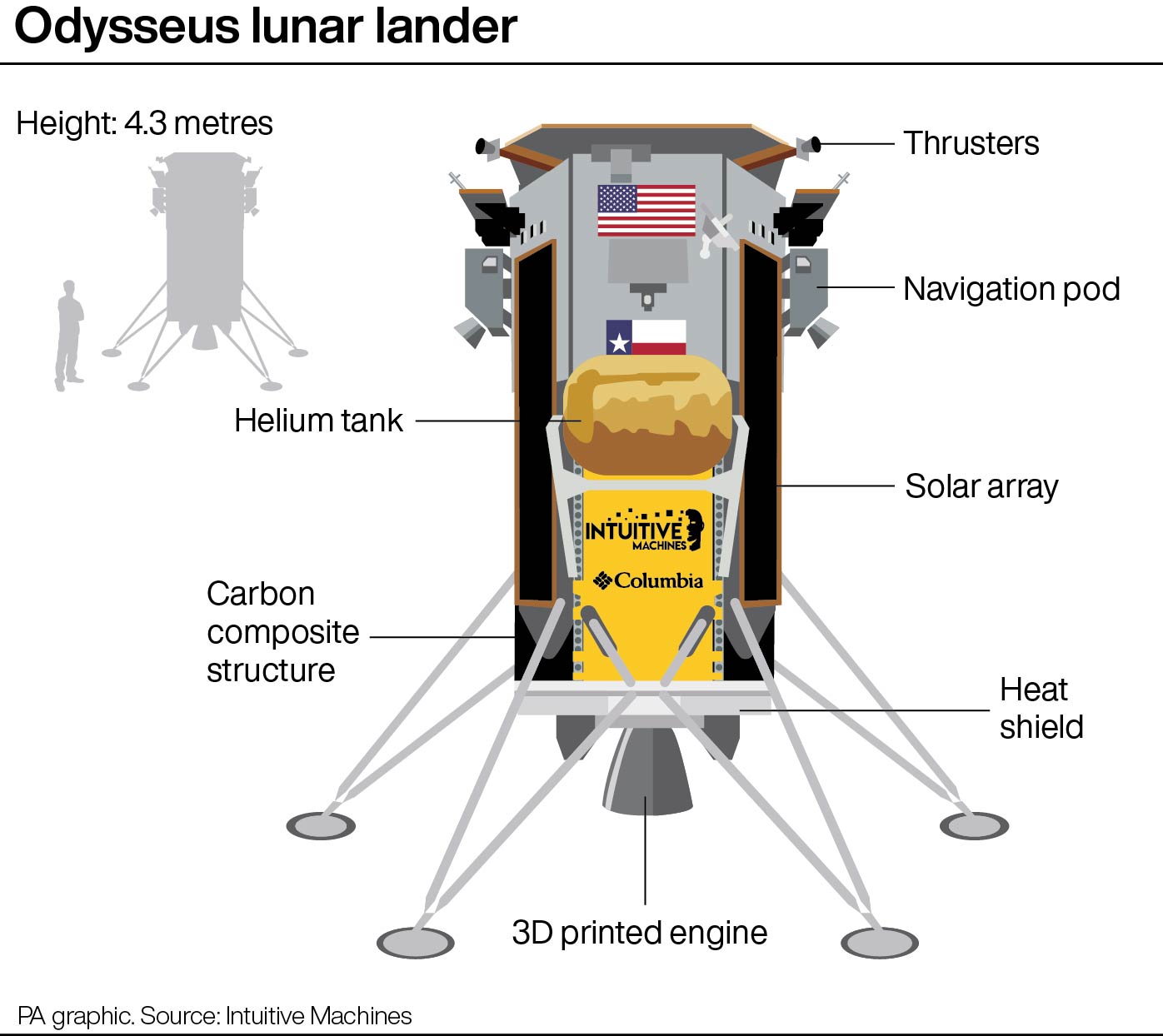
The IM-2 mission utilizes an evolved iteration of the Nova-C lander, a hexagonal column-structured spacecraft powered by a methane-liquid oxygen propulsion system. This propulsion choice allows for deep throttling capabilities, which are essential for the precise vertical descent required by lunar topography.
Launch Vehicle and Trajectory
The spacecraft is integrated and launched aboard a SpaceX Falcon 9 rocket from Launch Complex 39A at NASA's Kennedy Space Center in Florida. Following liftoff, the vehicle executes a trans-lunar injection (TLI) burn to place the stack on a trajectory toward the Moon.
- Launch and Insertion: The Falcon 9 delivers the Nova-C lander into a high-energy Earth-Moon transfer orbit.
- Trajectory Correction Maneuvers (TCMs): Throughout the transit phase, mission controllers at Intuitive Machines' mission operations center in Houston execute precise thruster burns to refine the flight path.
- Lunar Orbit Insertion (LOI): The spacecraft enters an initial elliptical lunar orbit before circularizing into a low-altitude operational orbit preceding the descent phase.
Descent and Landing Sequence
Landing near the lunar South Pole presents unique navigational challenges due to low sun angles, rugged terrain, and communication line-of-sight limitations with Earth. The Nova-C lander relies on autonomous landing navigation systems, utilizing optical terrain sensing and laser altimetry to identify hazards and guide itself to a safe touchdown.
| Mission Phase | Key Activity | Primary Technology / System |
|---|---|---|
| Launch | Earth departure and TLI | SpaceX Falcon 9 |
| Transit | Trajectory corrections and system checks | Nova-C propulsion and avionics |
| Lunar Orbit | Orbital insertion and circularization | Main engine throttle control |
| Descent | Autonomous hazard detection and avoidance | Optical navigation and LIDAR |
| Surface Ops | Science execution and data transmission | PRIME-1 drill and Micro-Nova hopper |
Landing Site Selection and Polar Challenges
Choosing a landing site for IM-2 required balancing scientific return with engineering constraints. The lunar South Pole is characterized by high-relief craters, steep slopes, and extreme thermal variations.
Why the South Pole Matters
The primary driver for targeting the South Pole is the presence of Permanently Shadowed Regions (PSRs). Sunlight never reaches the floors of these craters, keeping temperatures extremely low and trapping volatile substances like water ice over billions of years. Accessing these volatiles is essential for establishing sustainable outposts.
Operational Complexities
Operating in this region introduces significant hurdles:
- Communications: Direct line-of-sight communication with Earth can be obstructed by crater walls, requiring relay satellites or strategic landing site selection on elevated terrain.
- Power Generation: Low solar elevation angles mean that solar panels must be tilted or positioned carefully to capture continuous energy, often necessitating vertical tower mounts or batteries capable of surviving shadowed periods.
- Thermal Management: Extreme temperature swings between sunlit ridges and shadowed crater interiors test the limits of spacecraft thermal insulation systems.
Commercial Implications and the CLPS Framework
The IM-2 mission is more than a scientific expedition; it is a vital test case for the Commercial Lunar Payload Services model. By outsourcing the transportation of payloads to private enterprise, NASA aims to foster a robust commercial lunar economy where multiple vendors compete on cost, innovation, and reliability.
The Shift Toward Commercial Space Partnerships
Under the CLPS model, NASA acts as a customer rather than the sole owner and operator of the spacecraft. This approach reduces mission overhead and accelerates development timelines. Intuitive Machines, alongside other industry partners, demonstrates that private companies can successfully manage complex interplanetary logistics, opening the door for commercial mining, tourism, and infrastructure development on the Moon.
Economic and Strategic Impact
The success of missions like IM-2 validates the technical readiness of private lunar transport services. As international space agencies look toward long-term habitation, reliable cargo delivery systems form the backbone of strategic planning. The data gathered by IM-2 will directly inform future commercial payload manifests and private investments in space resources.
Frequently Asked Questions
What is the primary goal of the Intuitive Machines IM-2 mission?
The primary goal of IM-2 is to deliver scientific instruments and commercial payloads to the lunar South Pole region, focusing on searching for water ice, testing resource extraction technologies, and demonstrating autonomous landing capabilities.
How does the IM-2 lander reach the Moon?
The Nova-C lander is launched aboard a SpaceX Falcon 9 rocket from the Kennedy Space Center. It then executes a series of mid-course trajectory corrections before entering lunar orbit and initiating an autonomous powered descent to the surface.
What is the significance of the lunar South Pole landing site?
The lunar South Pole is scientifically valuable because it contains permanently shadowed regions that trap water ice and other volatiles, which are critical resources for future human exploration and propellant manufacturing.
What is the role of NASA's CLPS initiative in this mission?
The Commercial Lunar Payload Services (CLPS) initiative allows NASA to purchase payload delivery services from commercial providers like Intuitive Machines, stimulating the private space economy while efficiently gathering scientific data.
What happens to the spacecraft after landing?
Once safely on the surface, the Nova-C lander acts as a stationary science platform, powering its payloads, conducting drilling operations via the PRIME-1 system, and deploying secondary mobility assets like the Micro-Nova hopper to transmit data back to Earth.
Conclusion and Next Actions
The Intuitive Machines IM-2 lunar mission marks another vital step in humanity's return to the Moon. By combining government-sponsored scientific payloads with commercial delivery architecture, the mission expands our understanding of the lunar South Pole and tests the infrastructure needed for future habitation. For researchers, industry observers, and space enthusiasts, tracking the execution and data return of IM-2 provides a clear window into the future of commercial deep-space exploration. Review official NASA CLPS publications and Intuitive Machines mission updates to monitor ongoing surface operations, scientific findings, and data releases as the mission unfolds.