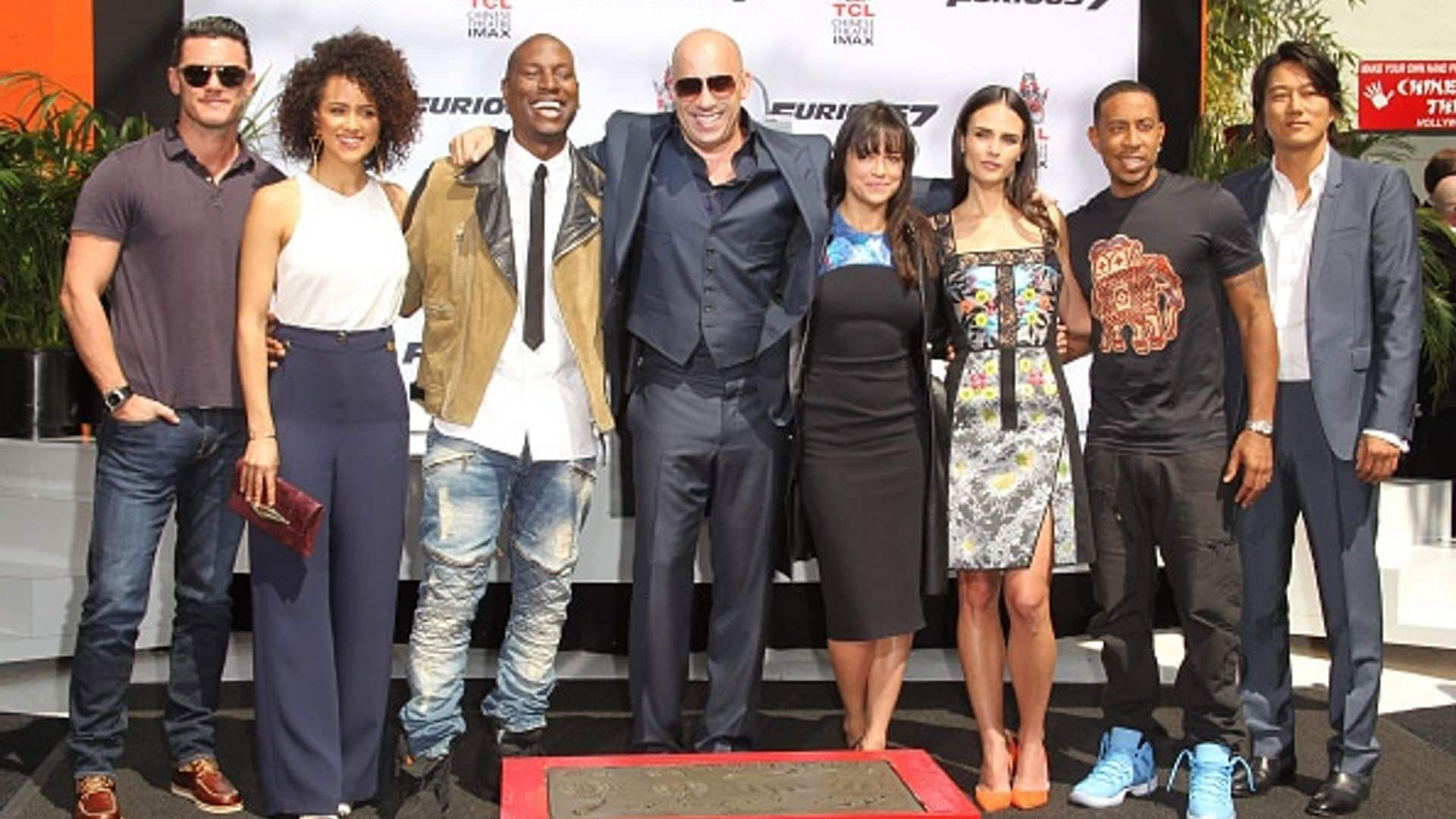
The sudden passing of Paul Walker on November 30, 2013, created an unprecedented crisis for the production of Furious 7. The cast and crew, many of whom had worked alongside Walker for over a decade, faced the dual challenge of grieving a close friend while simultaneously navigating the logistical and emotional complexities of completing a high-budget action film that centered on his character, Brian O’Conner.
The Immediate Aftermath: Production Suspension and Collective Grief
When news of the single-vehicle collision in Santa Clarita reached the Fast & Furious set, production was officially suspended. Universal Pictures made the critical decision to halt filming indefinitely to allow the cast and crew to process the loss. This was not merely a contractual pause; it was a necessary humanitarian intervention.
The chemistry of the Fast & Furious franchise was famously built on the concept of "family," a narrative theme that mirrored the off-screen relationships of the actors. For Vin Diesel, who worked closely with Walker for twelve years, the loss was personal and profound. His early public statements reflected a man struggling to reconcile the reality of the tragedy with the necessity of moving forward. Other cast members, including Tyrese Gibson, Ludacris, and Michelle Rodriguez, utilized social media and public appearances to express their devastation, effectively turning their grief into a communal experience shared with the global fanbase.
Navigating the Emotional Burden of the Set
Resuming production in early 2014 required the cast to step back into their roles while knowing that Walker’s scenes would remain incomplete. This created a unique psychological environment. The actors were not just performing; they were memorializing a colleague in real-time.
- Re-evaluating the Narrative: The writers and director James Wan had to pivot. The script, which initially had a different ending, was reworked to provide a "send-off" for Brian O’Conner that felt earned and respectful rather than abrupt.
- The Use of Body Doubles: To complete the remaining sequences, the production utilized Paul Walker’s brothers, Caleb and Cody Walker, as stand-ins. This allowed the cast to interact with individuals who shared Paul’s physical presence and mannerisms, which helped normalize the atmosphere on set during the final shoots.
- CGI Integration: Advanced visual effects were employed to map Paul’s likeness onto his brothers' performances. For the cast, this meant acting alongside digital recreations, a technical necessity that required a high degree of focus to maintain emotional authenticity during scenes that served as a final farewell.
Comparative Reactions Among the Core Cast
The cast members processed their grief in varying ways, each reflecting their specific history with the late actor.
| Cast Member | Primary Focus of Reaction | Tone of Public Statements |
|---|---|---|
| Vin Diesel | Mentorship and Brotherhood | Somber, reflective, emphasizing long-term bond |
| Tyrese Gibson | Personal Friendship | Visible mourning, focus on faith and shared memories |
| Michelle Rodriguez | The Shared Journey | Honest, raw, focus on the transience of life |
| Ludacris | Professional Respect | Commemoration of Paul’s character and humility |
| Jordana Brewster | On-screen Partnership | Deep personal loss, focus on the tragedy of his daughter |
The collective reaction was unified by a desire to preserve the integrity of the Fast & Furious legacy. While many productions might have opted to scrap the project or recast the role, the ensemble made it clear that "Brian O’Conner" could not be replaced. The decision to retire the character rather than kill him off was the most significant point of consensus among the cast.
The Role of Social Media as a Mourning Platform
In 2013 and 2014, the use of platforms like Facebook, Instagram, and Twitter became the primary bridge between the cast’s private grief and the public’s desire for closure. Unlike previous decades where celebrities’ reactions were filtered through press releases, the Furious 7 cast communicated directly.
This transparency served a dual purpose. It allowed the actors to express their genuine sorrow, and it provided the audience with a sense of "permission" to mourn a character and actor who had become a fixture in popular culture. By sharing personal photos and stories, the cast members managed the narrative of their own grief, ensuring that the legacy of Paul Walker remained centered on his kindness and dedication to his family, rather than the sensationalism of the accident itself.
Technical and Narrative Resolution in Furious 7
The final sequence of Furious 7, often referred to as the "See You Again" montage, serves as the ultimate resolution to the cast's mourning process. This scene was specifically designed for the actors as much as it was for the fans. The "parting ways" moment, where Brian O’Conner drives off into the sunset, was the cast’s way of saying goodbye to the friend they were no longer able to work alongside.
The technical depth involved in this sequence was massive. It required careful lighting, framing, and sound design to ensure that the transition from reality to fiction was seamless. Because the actors were fully aware of the scene's intent, the emotional resonance shown on screen is often regarded as genuine rather than scripted.
Common Misconceptions Regarding the Production
A frequently asked question is whether the Furious 7 cast was forced to finish the film by contractual obligations. While contracts existed, evidence suggests that the final decision to finish the film was made in consultation with Paul Walker’s family. The actors were not merely fulfilling a work order; they were involved in the process of deciding whether continuing was appropriate.
Another misconception involves the perception that the use of CGI was a "cold" replacement. In reality, the cast has spoken at length about the care taken by the visual effects team, emphasizing that the focus was on honoring Paul’s essence rather than simply fixing a production error. The synergy between the human performance and the digital enhancement was a collaborative effort to ensure that Brian O’Conner’s legacy remained untarnished.
Frequently Asked Questions
1. Was the ending of Furious 7 changed because of Paul Walker’s death? Yes. The original script for Furious 7 did not end with Brian O’Conner retiring from the team. The entire concluding sequence, including the emotional drive between Dominic Toretto and Brian, was written specifically to provide a dignified exit for the character following the tragic real-life circumstances.
2. How did the cast work with Paul Walker’s brothers? Caleb and Cody Walker were brought on set to provide the physical movements and stature required to complete the unfinished scenes. The cast reported that having the brothers present provided a sense of comfort and continuity, making the process of finishing the film feel like a tribute to Paul rather than a technical simulation.
3. Did the cast feel pressure to continue filming? There was significant emotional pressure, but it was largely centered on doing justice to Paul’s memory. The cast has noted in various interviews that there was never a moment where they felt exploited; the production leadership, particularly Vin Diesel and director James Wan, prioritized the emotional well-being of the ensemble throughout the process.
4. Why did they decide not to kill off Brian O’Conner? The consensus among the production team and the cast was that Brian O’Conner was a character defined by love, family, and loyalty. To have him die in the film would have been tonally inconsistent with the character's journey and unnecessarily traumatic for the audience and the cast, who wanted to celebrate his life rather than dwell on his loss.
5. How much of Furious 7 was finished when the accident happened? While the exact percentage varies depending on the specific sequences, a significant portion of the film was already shot. However, many of the key character-driven scenes involving Brian O’Conner were still in the planning or early production stages, necessitating the rewrite and the use of the stand-in strategy.
Recommendation for Further Understanding
To fully grasp the magnitude of the Furious 7 cast’s reaction, one should view the behind-the-scenes documentation and interviews provided by the film's production team during the 2015 promotional cycle. These primary sources provide a clearer view of the internal consensus within the cast. For fans seeking to understand the technical resolution, analyzing the specific visual effects breakdown of the film’s final scene offers insight into how the digital recreation maintained the emotional integrity of Paul Walker’s final performance.
Ultimately, the cast’s response was a rare example of a professional group successfully channeling personal tragedy into a piece of art that offered collective closure, setting a standard for how film franchises navigate the loss of a lead actor while maintaining respect for the legacy involved.