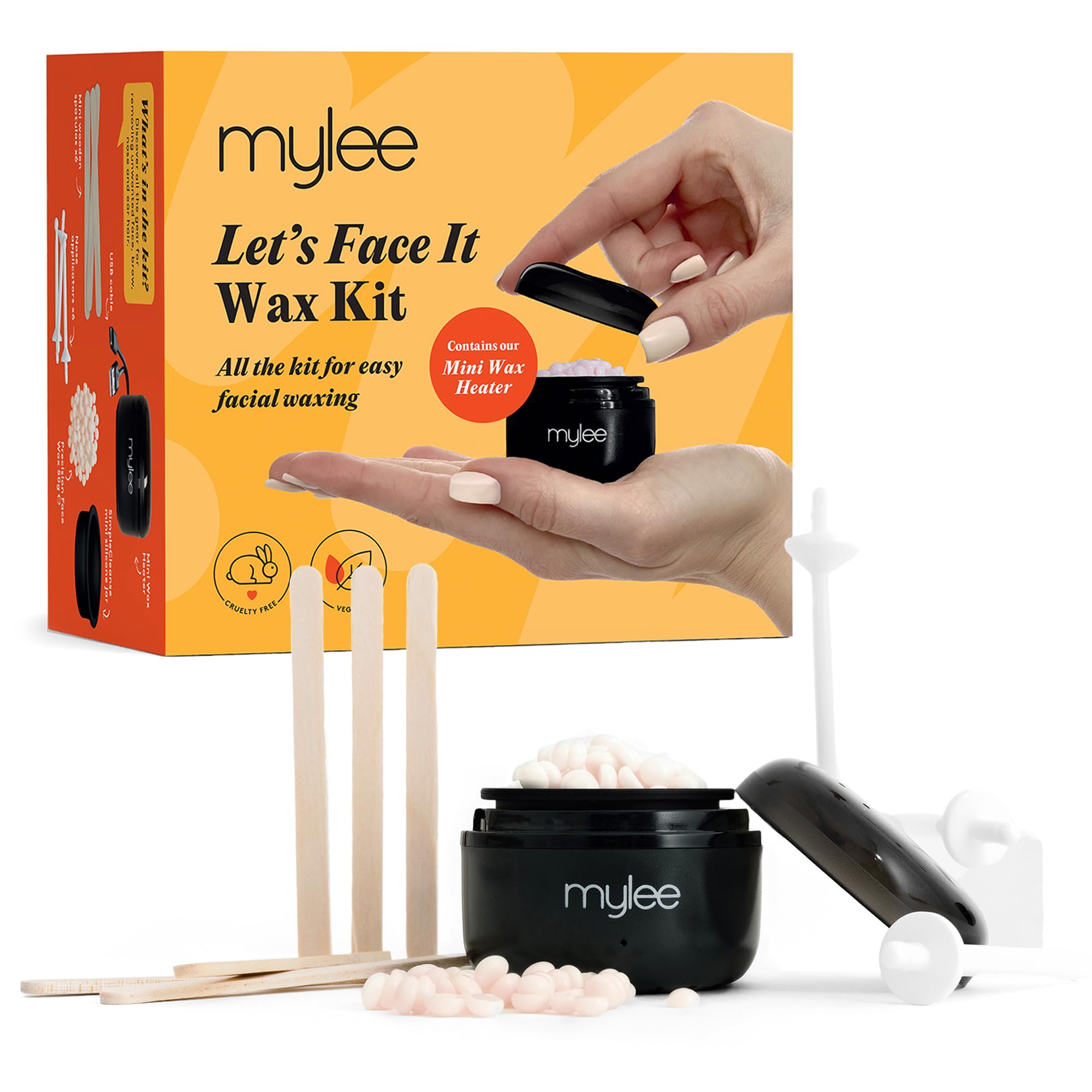
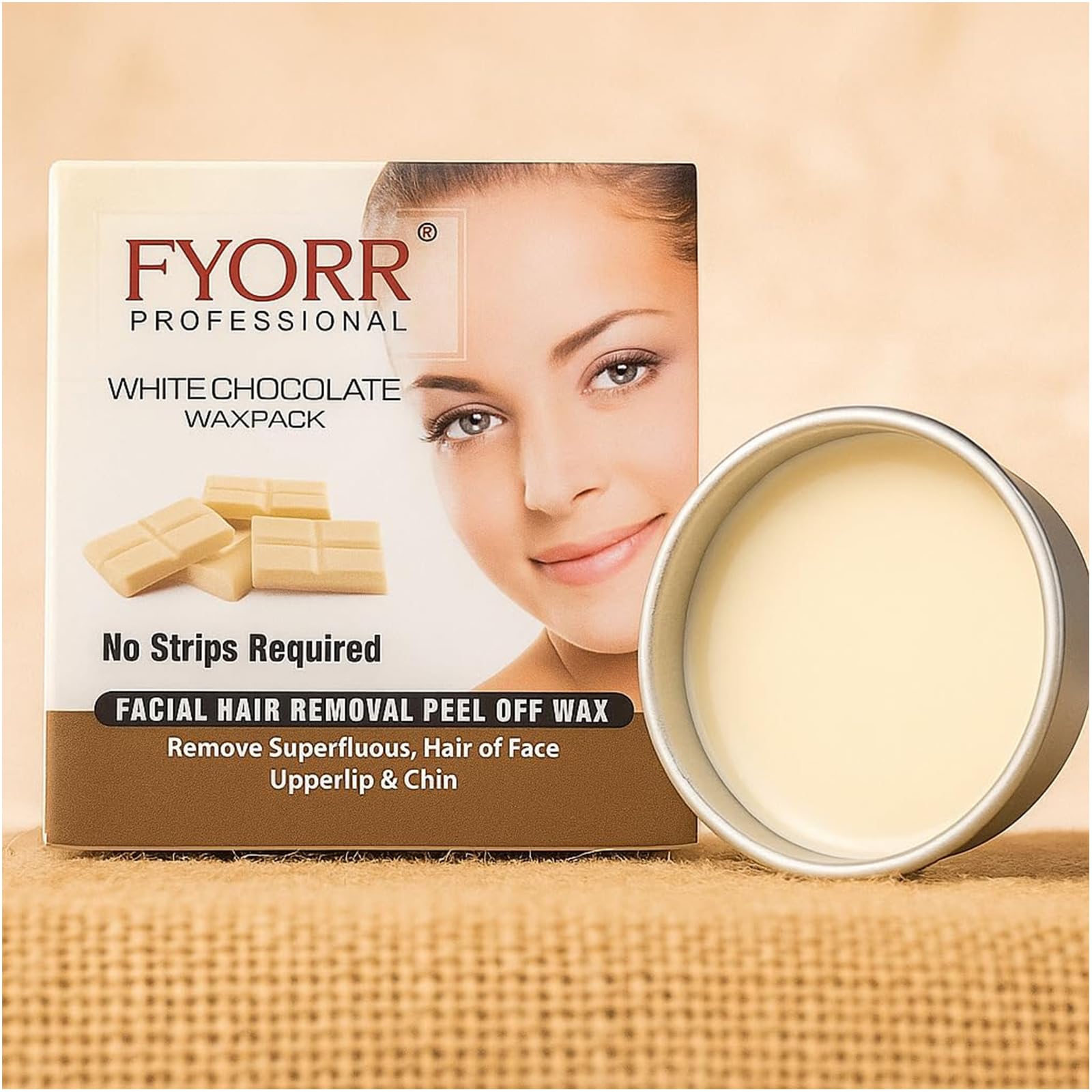
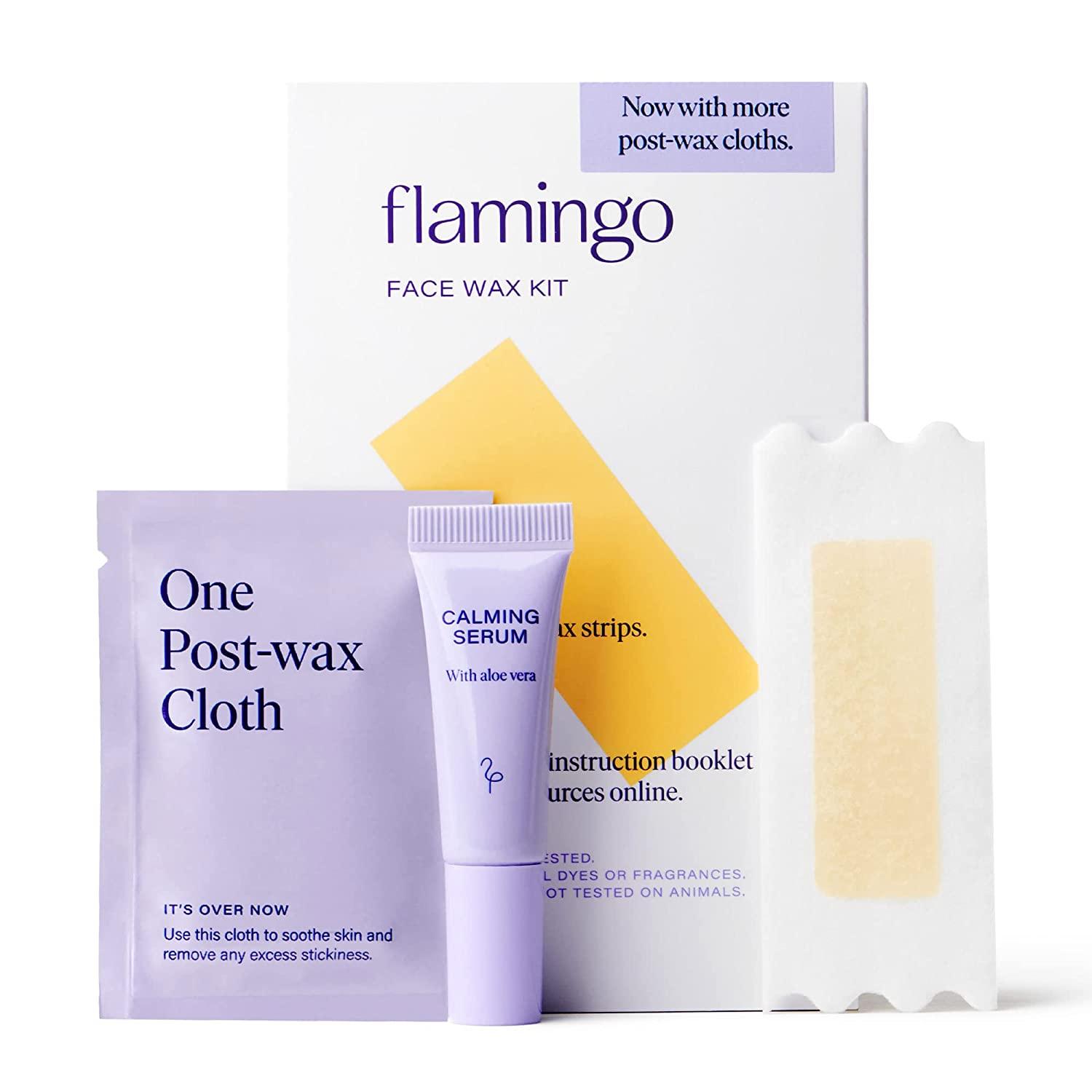
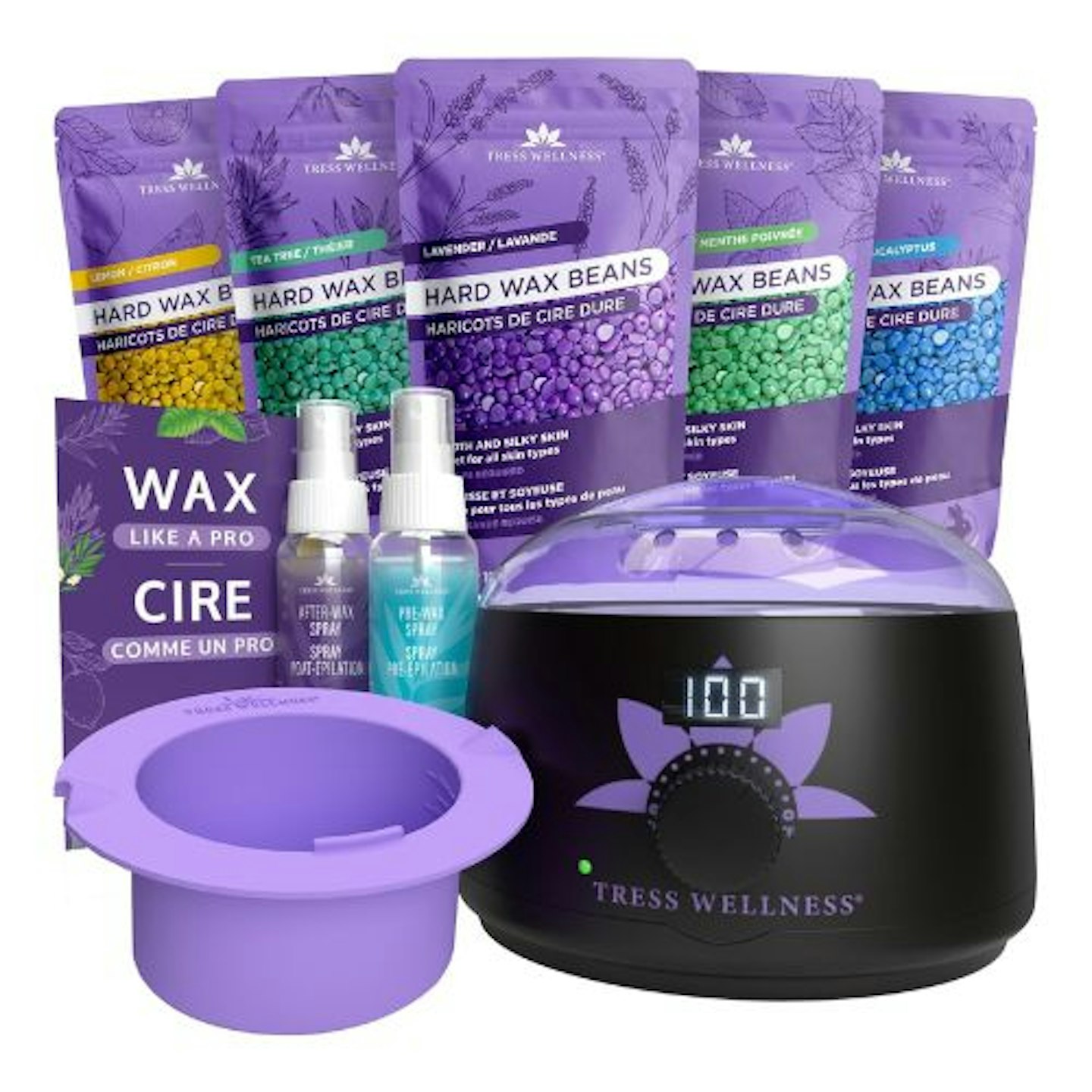
Achieving long-lasting, smooth facial skin at home comes down to choosing the right system: the Parissa Mini Wax Strip Kit stands out as the best face wax kit for smooth results because it combines gentle, organic ingredients with mess-free, pre-lined strips that minimize irritation and reduce the learning curve for sensitive facial contours.
Navigating the world of at-home facial hair removal can feel like walking through a minefield of redness, ingrown hairs, and sticky cleanups. Whether you are dealing with stray brow hairs, a peach-fuzz upper lip, or refining your jawline, the quest for salon-quality smoothness without the salon price tag leads many to facial waxing kits. However, the skin on your face is significantly thinner, more sensitive, and more reactive than the skin on your legs or underarms. This means standard body waxes will not suffice. Selecting the right product requires balancing formula gentleness, ease of application, strip design, and post-treatment care to ensure a clean pull without unnecessary trauma to the epidermis.
Understanding Facial Waxing: Why Formulations Matter
Before diving into specific product attributes, it is vital to understand why facial waxing demands specialized products. The facial epidermis is packed with delicate nerve endings and sebaceous glands, making it prone to lifting, bruising, and severe irritation if the incorrect wax is applied.
Unlike body hair, facial hair grows in multiple directions and can be fine and vellus (peach fuzz) or coarse and terminal (chin and lip hairs). This diverse texture profile requires a wax that can shrink-wrap around individual strands without adhering too aggressively to live skin cells.
Hard Wax vs. Soft Wax for the Face
When evaluating the best options on the market, you will generally encounter two primary types of wax:
- Soft Wax (Strip Wax): Applied in a thin layer and removed using paper or muslin strips. Soft wax adheres strongly to both hair and skin. While it is exceptionally efficient at grabbing fine, short vellus hairs in a single pass, it carries a higher risk of skin irritation if applied over the same area twice.
- Hard Wax (Strip-Less Wax): Applied thickly, allowed to cool and harden on its own, and then peeled off manually without strips. Hard wax shrinks as it cools, gripping only the hair while shrinking away from the skin. It is generally considered safer for sensitive facial skin, though it may require more practice to master the correct application thickness and edge-lifting technique.
Criteria for Evaluating the Best Face Wax Kit
To determine which kit truly delivers superior, long-lasting smoothness, several technical and practical performance indicators must be assessed. A top-tier facial waxing kit cannot rely on marketing claims alone; it must meet rigorous safety and usability standards.
Ingredient Transparency and Skin Safety
Facial skin reacts poorly to synthetic fragrances, harsh chemical colorants, and petroleum-derived bases. The ideal kit utilizes natural resins, beeswax or plant-based alternatives (like sugar paste for sugaring kits), and soothing botanical oils such as azulene, chamomile, or tea tree oil. These ingredients help mitigate inflammation immediately upon application.
Precision Applicator Design
Precision is everything when shaping eyebrows or defining the upper lip. Kits that include oversized body-wax spatulas make accurate placement nearly impossible. The best kits provide micro-applicators, angled wooden sticks, or pre-cut, perfectly sized strips that conform to the natural curves of the face—such as the lip contour, the arch of the brow, and the hollow of the cheek.
Comprehensive Post-Care Support
Waxing removes not only the hair shaft but also a microscopic layer of dead skin cells. Consequently, post-wax care is not an optional bonus; it is a clinical necessity. Kits that include a dedicated post-calming oil, lotion, or ingrown hair treatment score significantly higher because they restore the skin barrier's pH balance and soothe follicular shock.
Detailed Examination of the Parissa Mini Wax Strip Kit
When looking at top-performing options for facial use, the Parissa Mini Wax Strip Kit consistently earns high marks among dermatological aestheticians and home users alike for its specific formulation and delivery method.
Identity and Scope
The Parissa Mini Wax Strip Kit is a targeted, all-natural warm wax system designed specifically for facial and bikini use. Rather than requiring a professional wax warmer, the wax in this kit is warmed gently via conventional methods (such as a microwave or hot water bath) and is paired with reusable, pre-cut fabric strips.
Features and Examined Contents
- Natural Resin and Botanical Formula: The wax is water-soluble and made from tree resins and vegetable oils, making cleanup remarkably simple with just warm water—eliminating the need for harsh chemical oils or mineral spirits.
- Pre-Cut Mini Strips: The inclusion of smaller, anatomically shaped strips prevents the user from accidentally waxing areas they did not intend to touch, such as the eyelid or too high up the forehead.
- Azulene After-Care Oil: Packaged with a small vial of azulene oil, derived from chamomile, which actively neutralizes redness and calms the skin immediately post-removal.
Practical Performance and Value
For users tackling the upper lip, chin, and brows, the performance-to-cost ratio is exceptional. Because the strips are pre-measured, there is virtually zero risk of applying too thick a layer of wax, which is the number one cause of breakage and sticky residue. The water-soluble nature of the formula means that any mistakes can be washed away instantly without scrubbing or irritating the skin further.
Comparative Overview of At-Home Facial Hair Removal Methods
Choosing a face wax kit involves understanding how waxing compares to alternative methods in terms of longevity, skin impact, and time investment.
| Hair Removal Method | Average Longevity | Primary Skin Risk | Cost Efficiency | Skill Requirement |
|---|---|---|---|---|
| Face Wax Kit (Soft/Hard) | 3 to 6 weeks | Redness, lifting, ingrown hairs | High (low per-use cost) | Moderate |
| Sugaring Kit | 3 to 6 weeks | Mild irritation, sticky residue | High | Moderate to High |
| Electric Facial Epilator | 2 to 4 weeks | Ingrown hairs, mechanical discomfort | Very High (one-time device cost) | Low |
| Traditional Razors / Dermaplaning | 3 to 7 days | Nicks, razor burn, rapid stubble | Very High | Low |
| Chemical Depilatory Creams | 1 to 2 weeks | Chemical burns, allergic dermatitis | Moderate | Low |
Step-by-Step Guide to Using a Face Wax Kit Safely
Achieving smooth results without adverse effects requires strict adherence to preparation and execution protocols. Rushing through the process is the primary catalyst for skin damage.
1. Preparation and Skin Cleansing
Begin with completely clean skin. Wash your face with a gentle, non-oily cleanser to remove all traces of makeup, sebum, and skincare products. Pat the skin completely dry. If moisture or oils remain, the wax will fail to grip the hair shafts properly, forcing you to go over the same patch of skin multiple times. Dusting a tiny amount of cornstarch or baby powder over the target area absorbs any residual surface moisture and protects the live skin cells from direct adhesion.
2. Temperature and Consistency Check
If your kit requires heating, follow the manufacturer's time guidelines meticulously. Overheated wax can cause second-degree thermal burns on delicate facial skin. Always test a small dab of the warmed wax on the inside of your wrist before applying it to your face. The consistency should resemble warm honey—runnable enough to spread thinly, but thick enough not to drip off the applicator.
3. Application Technique
Using the precision applicator, apply the wax strictly in the direction of hair growth. For the upper lip, this typically means dividing the lip in half and applying from the center outward toward the corners of the mouth. For eyebrows, carefully trace the desired shape below the brow line, ensuring you maintain a safe buffer zone away from the actual hairs you want to keep.
4. Removal Technique
Press the fabric or paper strip firmly onto the wax, smoothing it down three to four times in the direction of hair growth to ensure complete adherence. Hold the skin taut with one hand—this is a critical step to prevent skin bruising and sagging over time. With a fast, confident motion, pull the strip back parallel to the skin surface against the direction of hair growth. Never pull upward or away from the face, as this increases trauma to the hair follicle and can cause bruising.
5. Immediate Post-Wax Care
Immediately press the freshly waxed area with a clean, cool hand or a cool compress to close the pores and calm the nerve endings. Apply the soothing oil or post-wax lotion provided in your kit. Avoid applying makeup, heavy moisturizers, chemical exfoliants (such as AHAs or BHAs), or retinoids for at least 24 to 48 hours to prevent severe irritation.
Common Mistakes to Avoid When Waxing Your Face
Even with the best face wax kit, user error can turn a simple grooming session into a painful experience. Recognizing these pitfalls ensures consistent, professional-grade results.
- Waxing Over Compromised Skin: Never wax skin that has been treated with prescription acne medications (such as tretinoin, Retin-A, or Accutane) or physical exfoliants within the past week. These products thin the stratum corneum, making the skin exceptionally vulnerable to severe lifting and tearing.
- Pulling Upward Instead of Parallel: Yanking the strip away from the face vertically rather than pulling horizontally along the skin surface causes immense stress on the follicle and often breaks the hair off at the surface instead of pulling it out from the root.
- Re-Waxing the Same Area: If a few stray hairs are left behind after a pull, do not apply hot wax to that exact spot a second time. This strips the delicate facial skin twice and leads to raw, weeping patches. Instead, tweeze remaining individual hairs with a sanitized pair of slant-tweezers.
- Skipping the Patch Test: Always test a new formulation on your inner arm or jawline 24 hours prior to full application to rule out allergic contact dermatitis.
Troubleshooting Common Issues
When unexpected challenges arise during or after your waxing session, knowing how to troubleshoot effectively prevents minor inconveniences from escalating into skin damage.
Stubborn Wax Residue
If you are using a non-water-soluble wax and find sticky patches left behind, do not attempt to scrub them off with water and soap, as this will inflame the skin. Instead, saturate a cotton pad with a small amount of baby oil, mineral oil, or the post-wax oil provided in your kit, gently massage the residue until it dissolves, and then wipe it clean with a damp cloth.
Ingrown Hairs Post-Treatment
As new facial hair begins to grow back over the subsequent weeks, some hairs may curl back into the follicle. To prevent and treat this, introduce a gentle chemical exfoliant (like a low-percentage salicylic acid toner) starting 48 hours after your waxing session, and use it two to three times a week to keep the follicular opening clear of dead skin buildup.
Persistent Redness and Small Bumps
Minor pinprick redness immediately after waxing is normal and usually subsides within two to six hours. If small white bumps (milia or mild folliculitis) appear the following day, apply a thin layer of over-the-counter hydrocortisone cream or a pure aloe vera gel kept in the refrigerator. Avoid touching the area with unwashed hands to prevent secondary bacterial infections.
Suitability: Is Facial Waxing Right for You?
While waxing offers weeks of smooth skin without the daily maintenance of shaving, it is not universally suitable. Individuals with chronic skin conditions such as eczema, rosacea, severe cystic acne, or psoriasis should consult a dermatologist before attempting any form of mechanical hair removal. Furthermore, if you have naturally fragile capillaries around the nose and cheeks, the pulling action of waxing can occasionally rupture these tiny blood vessels, leading to permanent thread veins (telangiectasia). For those individuals, alternative methods such as precise threading or dermaplaning may represent safer long-term choices. However, for healthy skin types seeking clean lines and touchable softness, mastering a reliable kit provides unmatched value and convenience.