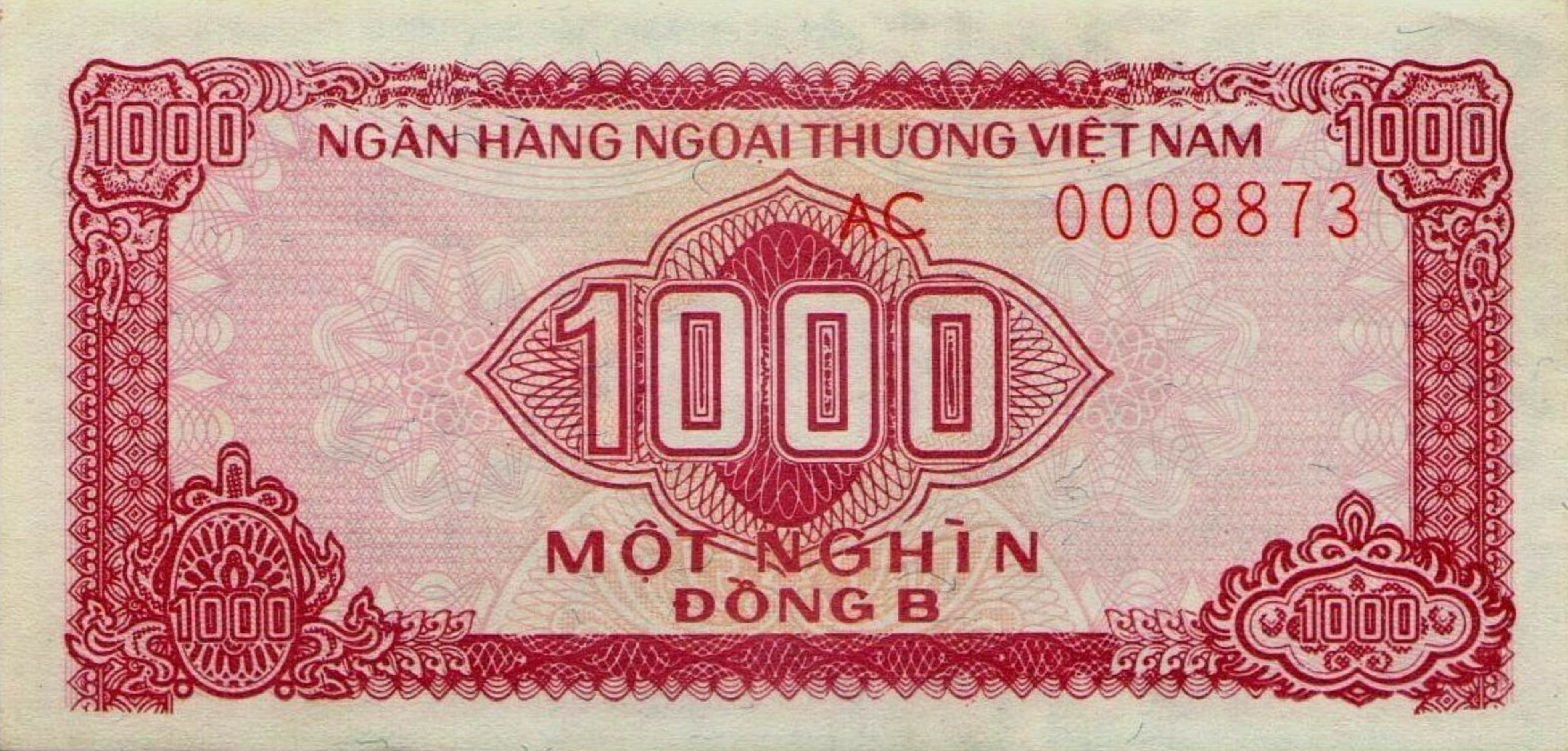
Finding the absolute best exchange rate for the Vietnamese Dong (VND) requires balancing fee structures, transaction methods, geographical timing, and currency regulations, as the Dong is an exotic, non-freely convertible currency with strict capital controls.
Navigating the foreign exchange market for the Vietnamese Dong (VND) involves far more than simply looking at the top number on an online currency converter. Because the Dong is a restricted, non-freely convertible currency managed by the State Bank of Vietnam, its availability outside of Southeast Asia is limited, and the rates offered to retail travelers and investors can vary wildly depending on the conversion channel. Whether you are planning a trip to Hanoi, managing cross-border business remittances, or diversifying a portfolio with emerging market assets, understanding how exchange rates work in practice will save you from hidden markups and uncompetitive pricing.
This guide explores the mechanics of VND exchange rates, examines the true costs associated with various financial channels, breaks down the difference between mid-market rates and retail rates, and provides actionable strategies to maximize your purchasing power.
The Mechanics of Vietnamese Dong Exchange Rates
To secure a favorable deal when exchanging currency, you must first understand how pricing is determined in the global foreign exchange (forex) market. When individuals search for the "best exchange rate," they are often looking for a price that matches or closely approximates the true interbank rate.
The Interbank Rate vs. Retail Rates
The mid-market rate—frequently tracked on sites like XE or Google—represents the midpoint between the buy and sell prices of two global currencies. However, retail consumers cannot trade at this rate. Financial institutions, currency kiosks, and remittance providers add a margin or markup to cover operational costs, exchange rate volatility, and profit margins.
For the Vietnamese Dong, this margin is often significantly wider than it is for major currencies like the Euro or the British Pound. Because local Vietnamese banks tightly control the flow of VND across international borders, offshore liquidity is restricted. Consequently, international banks must absorb higher costs to source physical bank notes or settle electronic transactions, which trickles down to the consumer as a less favorable exchange rate.
Buying in Your Home Country vs. Waiting Until Arrival
One of the most common dilemmas travelers and financial planners face is whether to convert their home currency (such as USD, EUR, or AUD) into VND before departure or upon arrival in Vietnam.
- Home Country Conversion: If you attempt to buy Vietnamese Dong at a bank or post office in North America, Europe, or Australia, you will likely encounter poor exchange rates and limited physical inventory. Many high street banks do not stock VND routinely and must order it, passing on steep processing fees.
- Destination Conversion: Generally, exchanging major reserve currencies (particularly US Dollars) directly within Vietnam yields a much more competitive rate. Licensed gold shops, local commercial banks, and authorized money changers in major hubs like Ho Chi Minh City and Hanoi frequently offer tighter spreads than international institutions. However, this approach requires carrying physical cash, which introduces security risks.
Comparing Channels for Exchanging Currency
Different financial channels cater to different needs. A digital nomad paying rent in Da Nang requires a different approach than a tourist buying souvenirs or an investor executing a corporate transaction.
1. Traditional High Street Banks
Traditional commercial banks provide high security and regulatory compliance, but they are rarely the most cost-effective option for exotic currencies. When you request VND from a domestic bank, you typically face a double conversion process if the bank routes the trade through USD, alongside flat international wire fees or cash-handling fees.
2. Specialized Multi-Currency Accounts and Fintech Cards
Fintech platforms and modern travel debit cards have transformed how consumers spend abroad. Providers such as Wise, Revolut, or regional equivalents allow users to hold balances or convert funds at rates very close to the mid-market rate, charging a transparent, nominal percentage fee.
- The Catch with VND: Because VND is a restricted currency, you typically cannot hold a balance of Vietnamese Dong in a digital multi-currency wallet. Instead, these platforms automatically convert your home currency to VND at the exact moment of withdrawal or point-of-sale purchase using real-time interbank rates. This makes them exceptionally efficient for card payments and ATM withdrawals, provided you navigate local ATM operator fees correctly.
3. Local Vietnamese Banks and Authorized Exchangers
Once you arrive in Vietnam, state-owned commercial banks (such as Vietcombank, BIDV, and Agribank) offer reliable official rates. Additionally, authorized gold and jewelry shops (most notably Ha Tuong or Minh Ngoc in Hanoi's Old Quarter, or various trusted gold shops on Nguyen An Ninh street in Ho Chi Minh City) operate legally under local oversight and frequently beat commercial bank cash rates by a narrow margin.
Evaluating Channels for Exchanging Vietnamese Dong
| Exchange Channel | Typical Rate Competitiveness | Fee Transparency | Convenience Level | Security Risk | Best Suited For |
|---|---|---|---|---|---|
| Home Country Banks | Poor | Low (Hidden in spreads) | High | Low | Emergency cash only |
| Fintech Travel Cards | Excellent (Near mid-market) | High (Transparent tier) | Very High | Low (Card lock features) | Daily spending & card transactions |
| Local Vietnamese Banks | Moderate to Good | Moderate | Moderate | Moderate (Carrying cash) | Exchanging physical foreign cash |
| Licensed Local Gold Shops | Best (For physical cash) | Low | Low to Moderate | Moderate (Carrying cash) | Maximizing cash value on arrival |
| Airport Kiosks | Very Poor | Low transparency | High | Low | Small initial transit expenses |
Practical Strategies to Maximize Your Rate
Securing a favorable exchange rate is not just about finding the right institution; it is also about timing, preparation, and operational awareness.
Minimize Double Conversion Traps
Always avoid converting currencies through intermediary steps unless necessary. If you are holding US Dollars, converting USD to VND directly yields a much cleaner and cheaper transaction than converting British Pounds to USD and then USD to VND. If you are traveling from a non-USD country, calculate whether it is cheaper to bring pristine US Dollar bills to exchange locally or use a direct international debit card.
Condition of Physical Banknotes Matters
If you plan to exchange physical cash (such as USD or EUR) at local banks or gold shops in Vietnam, the physical condition of your banknotes is paramount. Exchange booths routinely reject, or offer significantly discounted rates for, banknotes that are torn, heavily creased, stamped, or printed before 2013. Always bring crisp, unblemished, high-denomination notes (such as $100 bills) to secure the best tier rate.
Understanding ATM Quotas and Fees
Using local ATMs is a convenient way to access VND, but it comes with structural limitations. Vietnamese ATMs have strict per-transaction withdrawal limits—typically ranging from 2,000,000 VND to 5,000,000 VND (approx. $80 to $200 USD equivalent)—while charging local operator fees of 30,000 to 100,000 VND per withdrawal. To optimize this, seek out domestic banks that offer higher limits or partner with international networks that waive local fees, and always decline the ATM's dynamic currency conversion (DCC) offer if prompted to be billed in your home currency.
Regulatory Framework and Capital Controls
Operating with the Vietnamese Dong requires an understanding of legal boundaries. The State Bank of Vietnam enforces strict foreign exchange controls to maintain macroeconomic stability and manage inflation.
- Cash Import/Export Limits: Travelers entering or leaving Vietnam are legally required to declare physical cash amounts exceeding 15,000,000 VND, or foreign currencies equivalent to $5,000 USD, to customs authorities. Failure to declare can result in heavy fines or temporary asset seizure.
- Legal Tender Laws: Under Vietnamese ordinance, transactions within the country should legally be priced and settled in VND. While US Dollars were historically accepted for major purchases, strict enforcement mandates local currency settlement for daily commerce.
Frequently Asked Questions
Is it better to exchange money at the airport in Vietnam?
Airport exchange booths in Hanoi (Noi Bai) and Ho Chi Minh City (Tan Son Nhat) offer maximum convenience upon landing, but they feature some of the least competitive exchange rates and wider spreads. It is advisable to exchange only a small amount at the airport to cover immediate transportation costs (such as a taxi or ride-hailing service) and change the bulk of your funds at a commercial bank or authorized gold shop in the city center.
Can I buy Vietnamese Dong online before traveling?
Yes, some specialized currency delivery services and major retail banks allow you to order VND online and have it delivered to your home or a local branch. However, this method usually incurs premium delivery charges and uncompetitive exchange rates. For most travelers, relying on local ATM withdrawals or bringing major foreign banknotes for on-the-ground exchange is far more economical.
Why do some exchange booths offer different rates for different banknote denominations?
In many emerging markets, higher-denomination banknotes (such as $100 USD bills) are preferred by exchangers because they require less processing overhead and represent higher liquidity. Consequently, exchange booths frequently offer a tiered rate structure, giving a better exchange rate for $50 and $100 bills while penalizing smaller denominations like $5, $10, or $20 bills.
Are credit cards widely accepted in Vietnam?
Credit cards (Visa and Mastercard are most common; American Express is less widely accepted) are readily accepted in hotels, upscale restaurants, modern retail malls, and supermarkets in major urban areas like Ho Chi Minh City, Hanoi, and Da Nang. However, cash remains essential for street food vendors, local markets, traditional transport, and rural excursions. Always notify your bank of travel plans to prevent automated fraud freezes.
Final Recommendation
When optimizing your exchange rate for the Vietnamese Dong, abandon the pursuit of an elusive "perfect" rate and focus on minimizing cumulative friction costs. For day-to-day spending, utilize a fee-transparent multi-currency card that draws directly from the interbank rate at the point of sale. For physical cash needs, bring pristine, high-denomination US Dollar banknotes and exchange them at reputable local commercial banks or authorized urban gold shops rather than airport kiosks or home-country institutions.