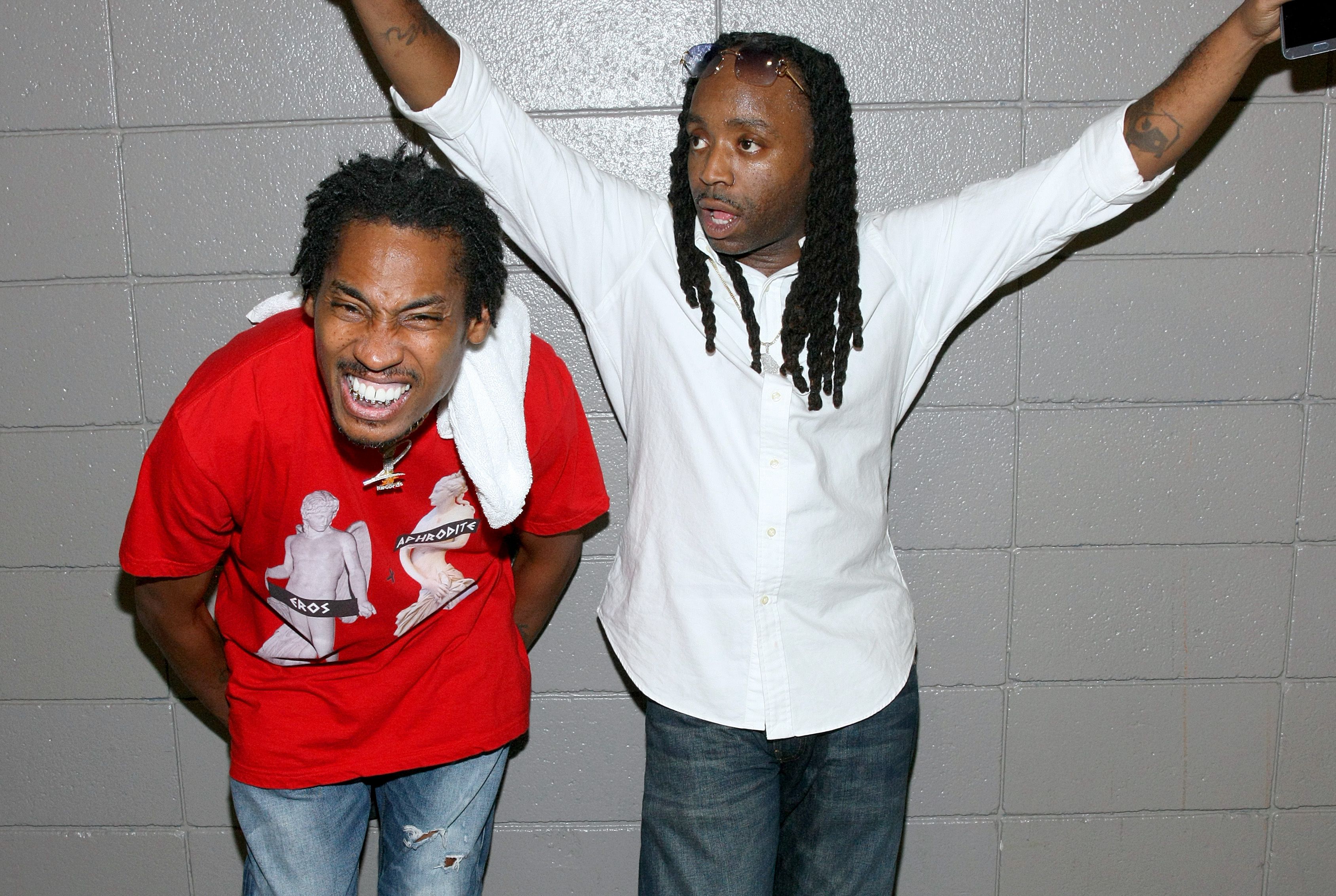
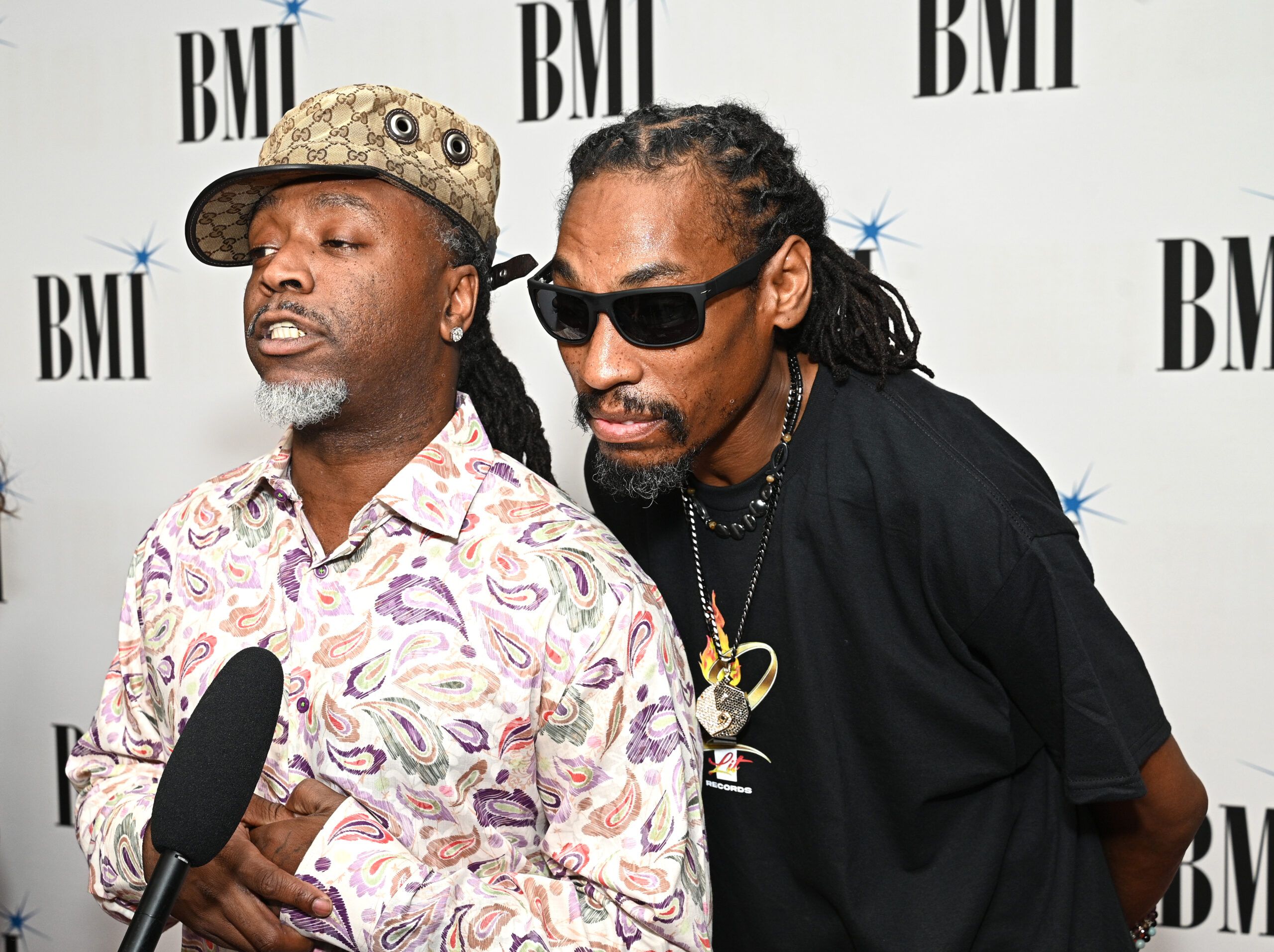
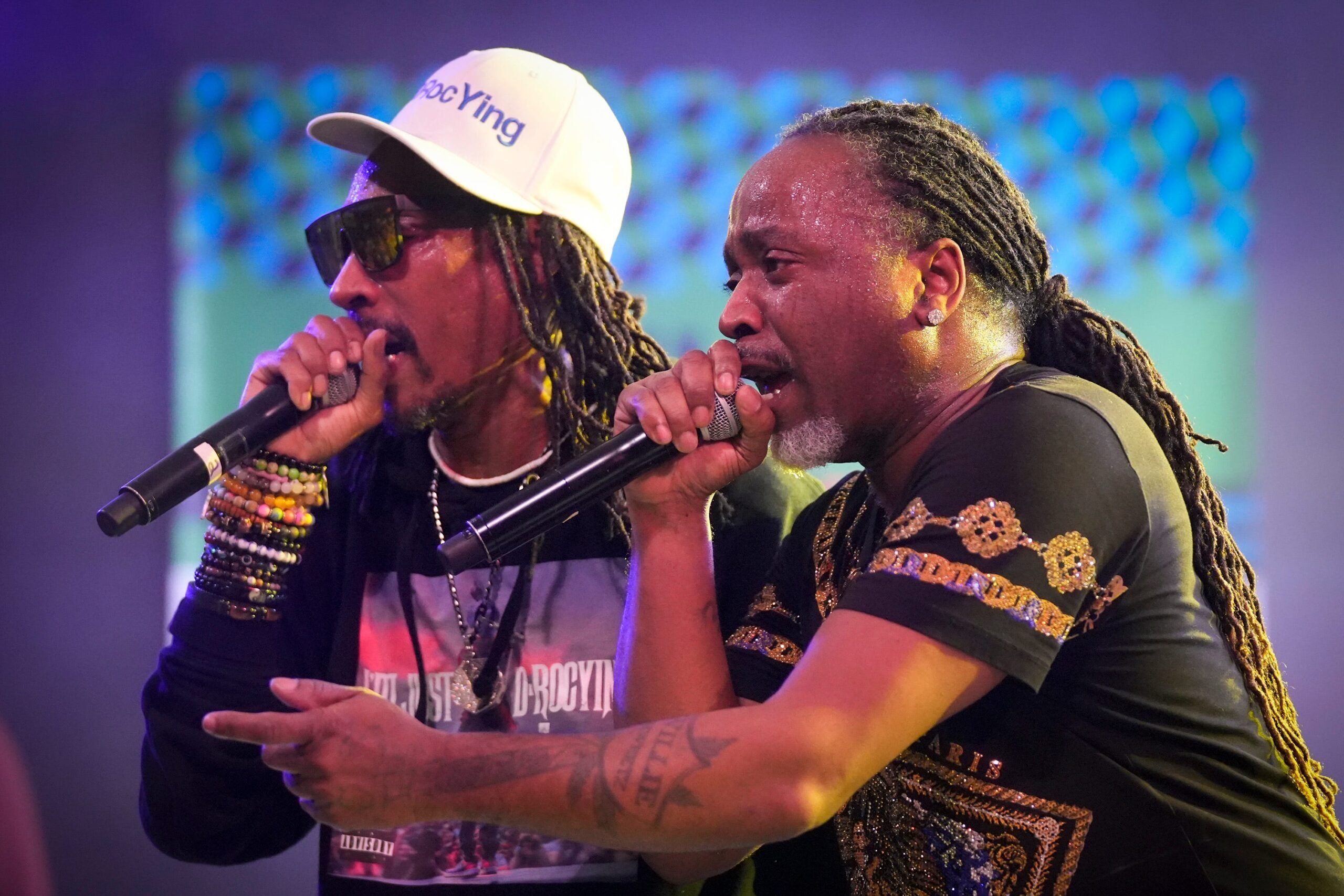
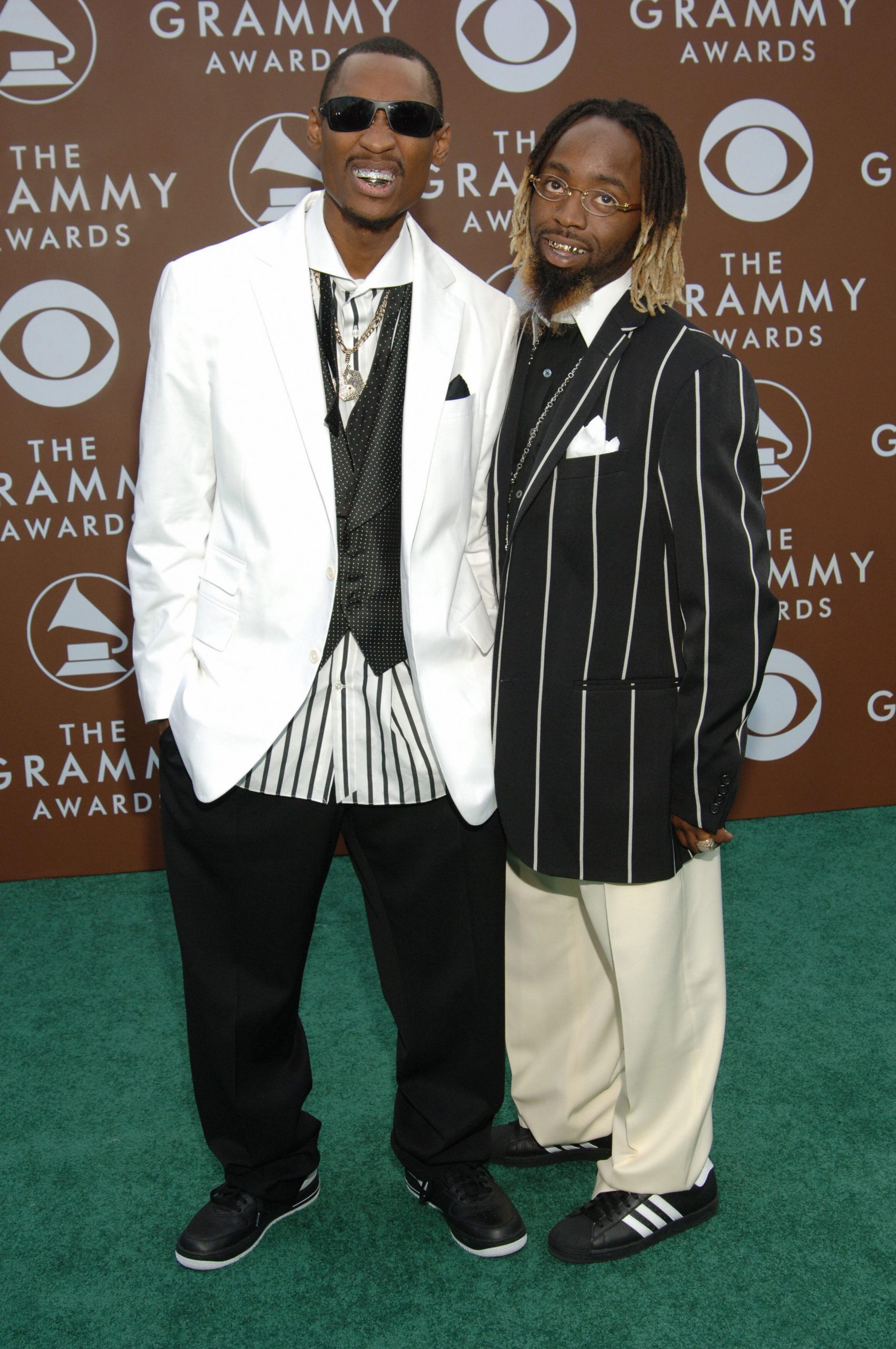
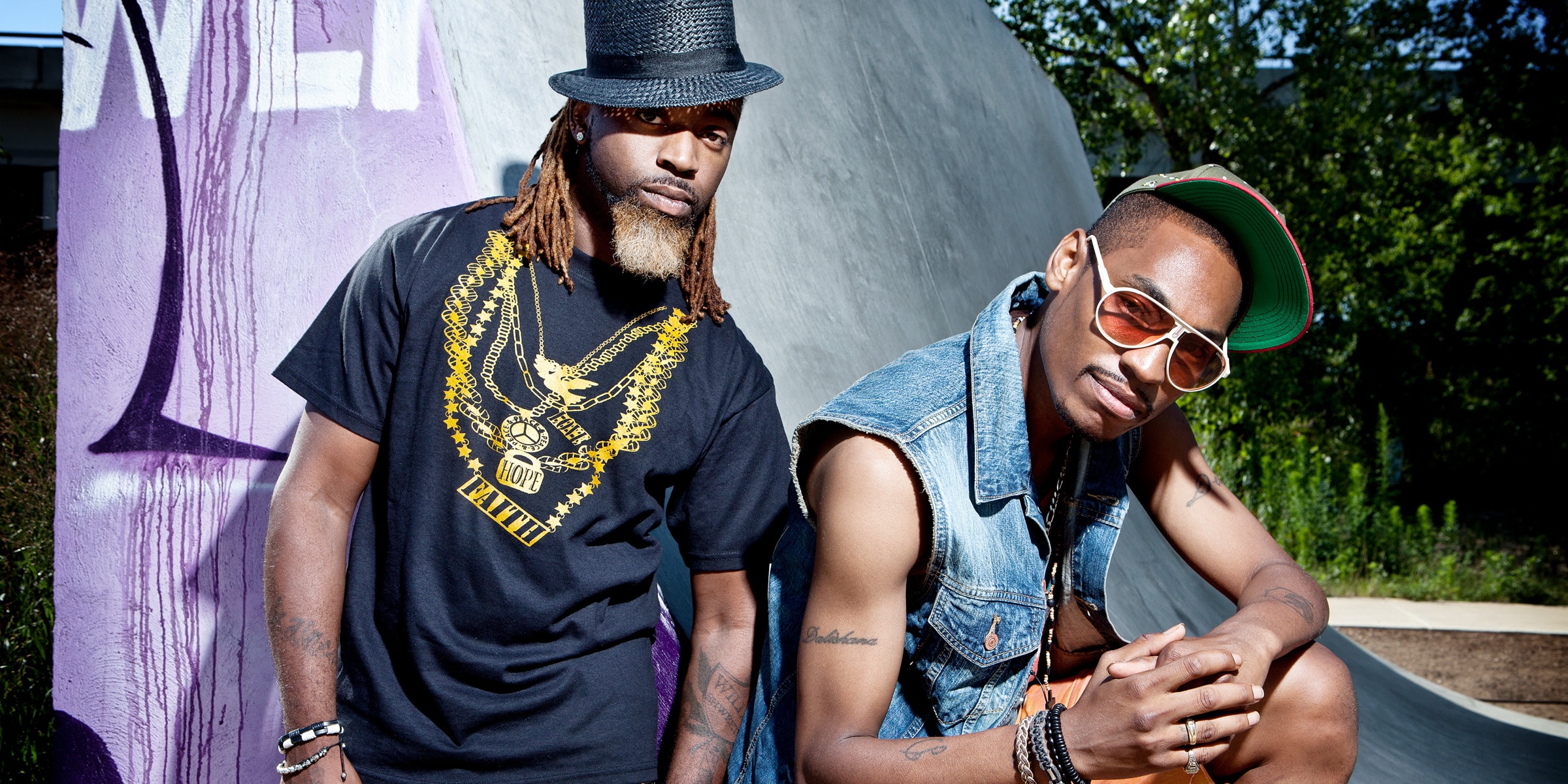
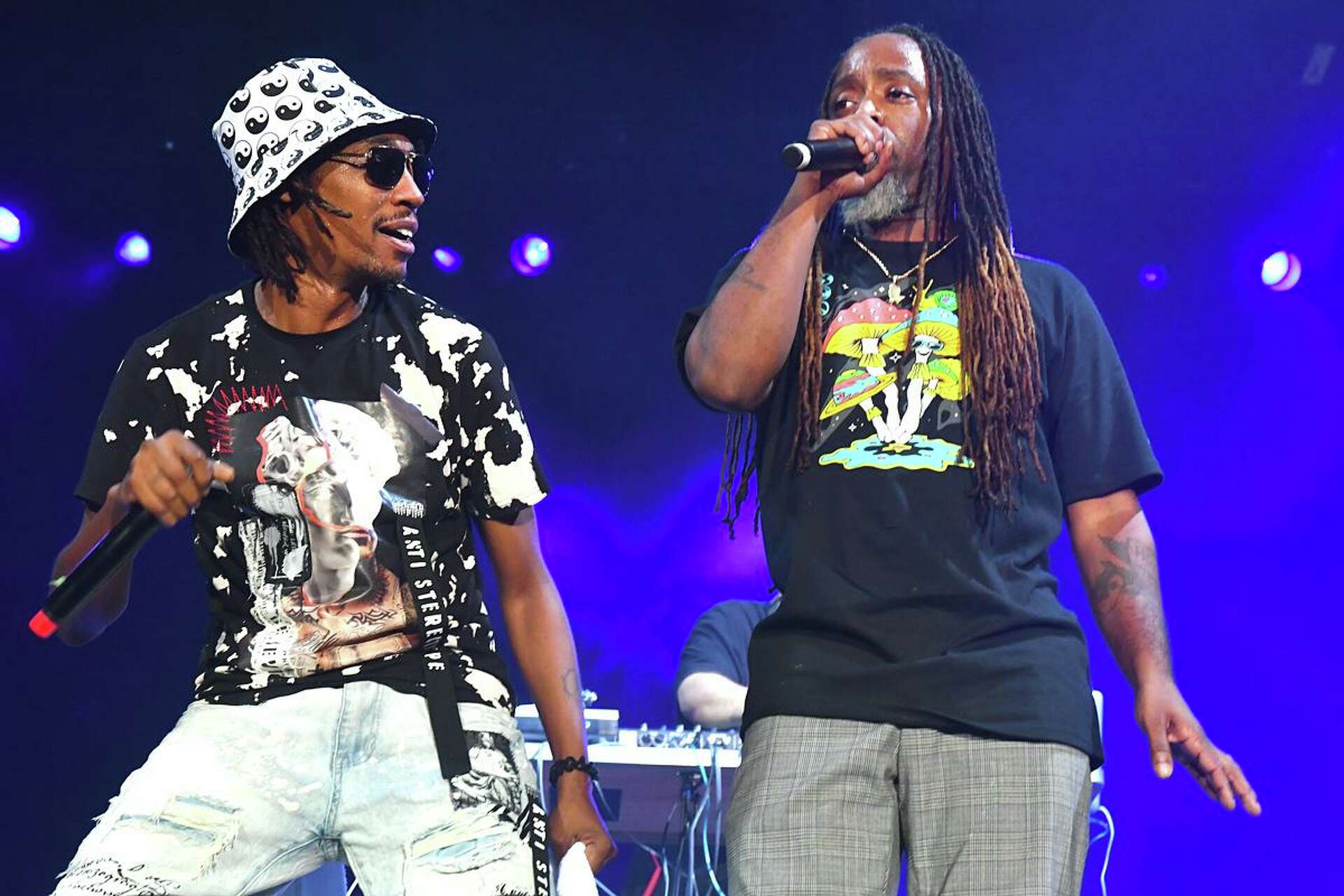
Despite their convincing stage name and decades of seamless collaboration, the Ying Yang Twins are not biological twins, nor are they related by blood. The duo consists of Kaine (born Eric Jackson) and D-Roc (born Deongelo Holmes), two talented artists from Atlanta, Georgia, who joined forces in the late 1990s. They chose the moniker to represent the balance and synergy of their musical partnership, rather than to signify a genetic connection.
The Origin Story: Eric Jackson and Deongelo Holmes
To understand why the "Ying Yang Twins" name was chosen, one must look back at the individual histories of the men behind the microphones. Both Eric Jackson (Kaine) and Deongelo Holmes (D-Roc) grew up in the vibrant, albeit challenging, neighborhoods of Atlanta. During the 1990s, Atlanta was rapidly transforming into the "Motown of the South," a brewing pot of hip-hop innovation that would eventually dominate the global charts.
Kaine and D-Roc were not childhood friends, but their paths converged in the local music circuit. Before they were a duo, they were individual hustlers in the music industry, looking for a way to break through the noise of a crowded scene. When they finally began working together, the chemistry was immediate. They realized that their voices—Kaine’s often deeper, gritty delivery and D-Roc’s higher-pitched, energetic flow—complemented each other perfectly.
The decision to call themselves "twins" was a strategic branding move. In the late 90s and early 2000s, hip-hop was dominated by solo superstars or large collectives. A duo that presented itself as a unified, fraternal unit offered something unique. The "Ying Yang" portion of the name was inspired by the ancient Chinese philosophy of dualism, suggesting that while they were different individuals, they were interconnected and interdependent, creating a whole that was greater than the sum of its parts.
Decoding the Stage Names: Kaine and D-Roc
The personas of Kaine and D-Roc are essential to the group's identity. Understanding who these men are individually helps clarify why the "twin" label was more of a professional philosophy than a biological fact.
Kaine (Eric Jackson)
Eric Jackson, known to the world as Kaine, is often recognized by his distinct physical presence and his rhythmic, gravelly voice. A significant aspect of Kaine’s life that fans often notice is his slight limp. Kaine was born with a mild case of cerebral palsy. Rather than letting this condition hinder his career, he incorporated his unique gait into his stage presence, turning a potential obstacle into a part of his authentic "Thug Walkin'" persona. Kaine’s lyrical style often grounded the duo’s tracks, providing a rhythmic anchor for their more high-energy club anthems.
D-Roc (Deongelo Holmes)
Deongelo Holmes, or D-Roc, provided the high-octane energy that defined the "Crunk" era. Known for his rapid-fire delivery and infectious enthusiasm, D-Roc was the perfect "Yin" to Kaine's "Yang." His ability to craft catchy hooks and energetic ad-libs made the duo a favorite for club DJs across the country. Throughout their career, D-Roc has been the more vocally flamboyant of the two, often leading the charge on their more aggressive, up-tempo tracks.
The Rise of the Crunk Era and the "Twin" Branding
The Ying Yang Twins rose to national prominence during the early 2000s, a period when "Crunk" music—a subgenre of Southern hip-hop characterized by high-energy beats and repetitive, club-friendly lyrics—was at its peak. Their debut single, "Whistle While You Twurk," released in 2000, peaked at number 17 on the Billboard Hot R&B/Hip-Hop Singles & Tracks chart.
The success of this single solidified their brand. Because they were constantly seen together, dressed in similar urban fashion, and finishing each other's sentences in interviews, the public easily accepted the "twin" narrative. This branding was so effective that many fans in 2026 are still surprised to learn they are not related. This confusion is a testament to their professional chemistry; they moved, performed, and marketed themselves with the synchronization typically reserved for siblings.
Their partnership with Lil Jon and the East Side Boyz further cemented their status. The 2003 hit "Get Low" became a global phenomenon, and the Ying Yang Twins' contribution to the track was pivotal. In the music video and during live performances, the duo functioned as a single unit, further blurring the lines between their individual identities for the casual observer.
Why the "Ying Yang" Concept Mattered
In traditional Chinese philosophy, Yin and Yang represent contrary forces that may actually be complementary. For Kaine and D-Roc, this was not just a clever name but a functional description of their creative process.
- Vocal Contrast: As mentioned, their vocal ranges are distinct. In a genre where many artists sounded similar, the Ying Yang Twins offered a "stereo" experience where two different frequencies hit the listener simultaneously.
- Performance Dynamics: On stage, they operated with a "push and pull" dynamic. While one would engage the crowd, the other would focus on the rhythmic delivery of the verses.
- Business Unity: In an industry where groups often split due to ego clashes, the "Twins" branding created a psychological pact of equality. They weren't "D-Roc featuring Kaine"; they were a singular entity.
Comparing the Duo: Quick Facts
To better understand the differences and similarities between the two members, the following table breaks down their profiles.
| Feature | Kaine | D-Roc |
|---|---|---|
| Legal Name | Eric Jackson | Deongelo Holmes |
| Birth Date | December 16, 1978 | February 23, 1979 |
| Hometown | Atlanta, Georgia | Atlanta, Georgia |
| Role in Duo | Deep vocals, rhythmic grounding | High-energy vocals, hook specialist |
| Health Note | Born with mild cerebral palsy | No publicized chronic conditions |
| Musical Style | Smooth, rhythmic "Thug Walk" | Aggressive, high-pitched "Crunk" |
The "Brotherhood" Beyond Biology
While they are not biological twins, Kaine and D-Roc have often described their relationship as a brotherhood. In the music industry, longevity is rare. The fact that the Ying Yang Twins have remained a cohesive unit since their formation in 1997—spanning nearly three decades as of 2026—suggests a bond that transcends mere business interests.
They have faced the ups and downs of the industry together, including the transition from physical record sales to the streaming era, and the shift from Crunk to Trap dominance in their hometown of Atlanta. Throughout these changes, they have maintained a consistent touring schedule and have continued to release music that stays true to their high-energy roots. This enduring partnership is why many people still assume they are brothers; the loyalty they exhibit is a trait often associated with family.
Historical Impact on Atlanta Hip-Hop
The Ying Yang Twins played a crucial role in establishing Atlanta as a commercial powerhouse. While artists like Outkast and Goodie Mob brought critical acclaim and "conscious" lyricism to the South, the Ying Yang Twins (alongside Lil Jon and Ludacris) brought the party. They were essential in proving that Southern rap could be a dominant force in pop culture and nightlife.
Their technical contribution to music production shouldn't be overlooked either. The "whisper" style, most famously heard in their 2005 hit "Wait (The Whisper Song)," was a radical departure from the loud, shouting style of Crunk. It showed that the duo had the range to innovate within their subgenre. The song was a massive commercial success, proving that their "twin" synergy could adapt to different sonic environments.
Common Misconceptions and Rumors
Over the years, several rumors have circulated regarding the duo's relationship and personal lives.
- The "Separated at Birth" Myth: Some early internet forums suggested they were twins separated at birth who reunited through music. There is zero factual basis for this; both grew up in Atlanta and were aware of their separate families.
- The Disability Misunderstanding: Because Kaine has cerebral palsy, some fans mistakenly thought D-Roc was his "caretaker" or that the "twin" label was a way to support Kaine's career. In reality, Kaine is a fully independent artist and a powerhouse performer in his own right. The partnership has always been one of equals.
- The Retirement Rumors: Periodically, rumors surface that the duo has officially retired. As of 2026, they continue to perform at "I Love the 2000s" tours and various festivals, proving that while they may not be topping the Billboard Hot 100 every week, their legacy and active career remain intact.
The Legacy of the Ying Yang Twins in 2026
As we look at the landscape of hip-hop in 2026, the influence of the Ying Yang Twins is visible in the energy and showmanship of modern artists. Their ability to create "viral" moments before social media existed—through catchy hooks and distinct dance moves—laid the groundwork for the TikTok era of music marketing.
They remain one of the most successful duos in hip-hop history, with multiple platinum and gold certifications. Their discography, including albums like Me & My Brother (2003) and United State of Atlanta (2005), serves as a time capsule of a specific, high-energy moment in American music history.
FAQ
Are Kaine and D-Roc related in any way?
No. There is no biological relationship between Eric Jackson (Kaine) and Deongelo Holmes (D-Roc). They are close friends and long-term professional partners who chose the name "Ying Yang Twins" for branding purposes.
Does Kaine from the Ying Yang Twins have a disability?
Yes, Kaine was born with a mild form of cerebral palsy. He has been open about this throughout his career, and it is the reason for his distinctive walking style, which he often references in his music (such as in the song "Thug Walkin'").
Where are the Ying Yang Twins from?
Both members are from Atlanta, Georgia. Their music is deeply rooted in the Atlanta hip-hop scene, specifically the Crunk subgenre that originated in the city's clubs during the late 90s.
What is the Ying Yang Twins' most famous song?
While they have several hits, "Wait (The Whisper Song)," "Get Low" (with Lil Jon), "Salt Shaker," and "Say I Yi Yi" are among their most commercially successful and culturally enduring tracks.
Why did they choose the name "Ying Yang"?
The name was chosen to represent balance. The duo felt that their different vocal styles and personalities complemented each other, similar to the Yin and Yang symbols in Chinese philosophy, which represent two halves that complete a whole.
Are the Ying Yang Twins still performing in 2026?
Yes. The duo remains active on the touring circuit, frequently appearing at nostalgic music festivals and multi-artist tours focused on the hip-hop and R&B hits of the early 2000s.
Practical Guidance for Fans
If you are a fan looking to explore the Ying Yang Twins' legacy in 2026, the best approach is to revisit their "Big Three" albums: Thug Walkin', Me & My Brother, and United State of Atlanta. These records provide the most comprehensive look at their evolution from local Atlanta favorites to international stars.
For those attending live shows, it is important to appreciate the performance for what it is—a celebration of an era. While Kaine and D-Roc are not biological brothers, their stage presence is built on decades of mutual respect and synchronization. Understanding that they are a "manufactured" brotherhood doesn't diminish the quality of their work; rather, it highlights their brilliance as marketers and entertainers who understood the power of a unified identity.