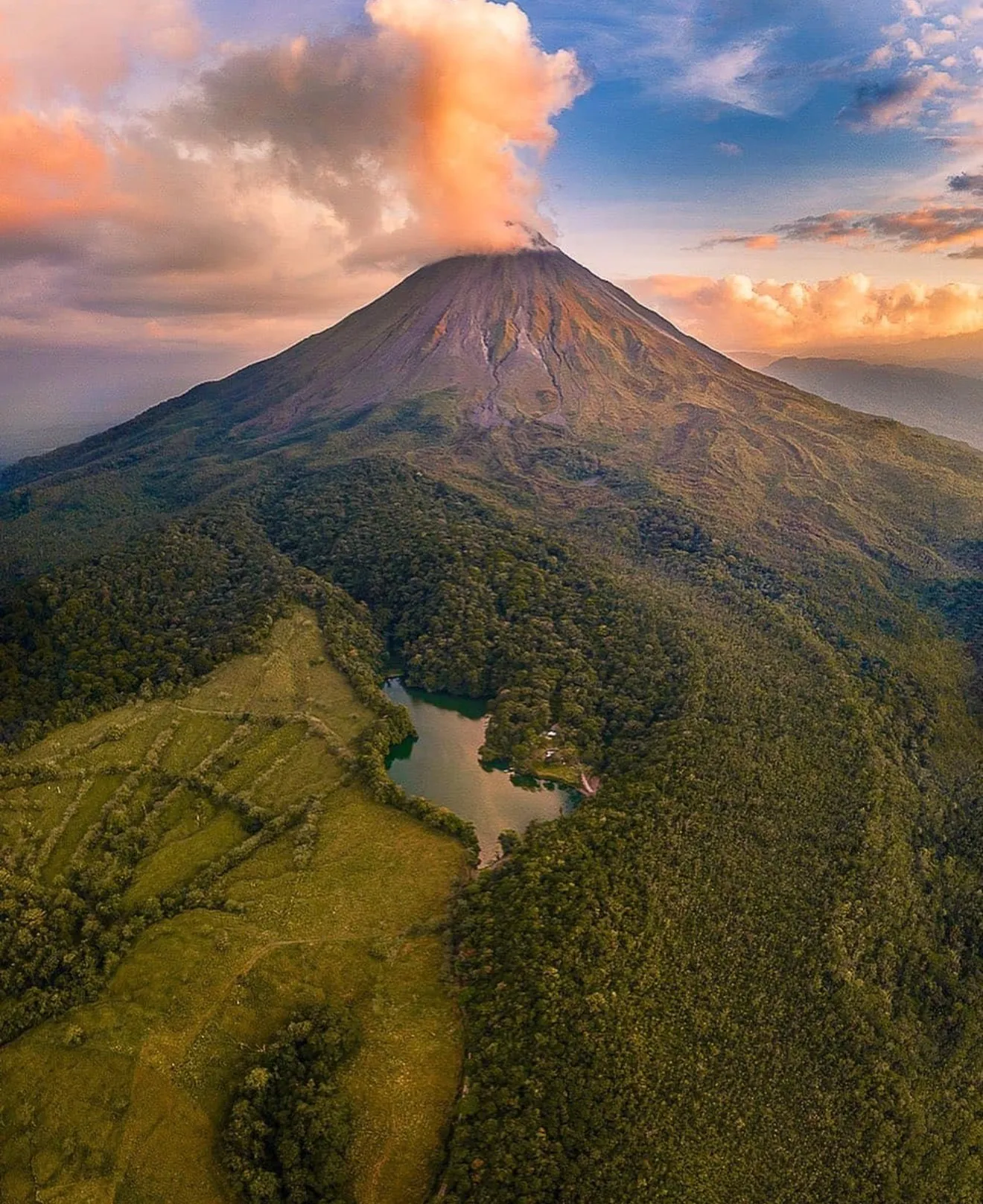
Planning a trip to an active volcanic region requires balancing the desire for awe-inspiring landscapes with a rigorous understanding of geological hazards, safety protocols, and environmental conditions. This guide provides travelers with the comprehensive framework necessary to evaluate volcanic destinations, prepare for expeditions, interpret volcanic activity levels, and respond effectively to emergency situations while respecting local laws and Indigenous sacred sites.
Understanding Volcanic Activity and Hazard Levels
Before selecting a volcanic destination, travelers must understand how scientists monitor activity and classify hazards. Volcanoes are dynamic geological features governed by tectonic forces, magma chambers, and gas pressures. An active volcano is generally defined as one that has erupted within historical timeframes or shows signs of unrest, such as seismic activity or significant gas emissions.
Volcanologists use standardized alert systems—often ranging from Level 0 (normal/dormant) to Level 4 or 5 (widespread eruption)—to communicate immediate risks to the public. However, these systems vary by country. For instance, the United States Geological Survey (USGS) uses a four-level color code system (Green, Yellow, Orange, Red) combined with aviation color codes, while other nations employ numeric scales. Travelers must research the specific monitoring agency for their destination, such as the Smithsonian Institution's Global Volcanism Program, to understand local warning indicators before arrival.
Types of Eruptions and Associated Risks
Different volcanoes produce different types of eruptions, directly dictating the safety precautions travelers must take:
- Effusive Eruptions: Characterized by fluid, low-viscosity basaltic lava flows (common in Hawaii or Iceland). While mesmerizing, these flows can destroy infrastructure rapidly. The primary dangers are radiant heat, toxic volcanic gases, and uneven, sharp terrain.
- Explosive Eruptions: Characterized by high-viscosity magma that traps gases, leading to violent fragmentation (common in stratovolcanoes like Mount St. Helens or Mount Merapi). Hazards include pyroclastic flows (superheated avalanches of gas and rock), ballistic projectiles (flying volcanic bombs), and extensive ashfall.
- Lahars and Mudflows: A significant hazard even weeks after an eruption. Heavy rainfall can remobilize loose ash and debris on steep slopes, creating fast-moving mudflows that can bury entire valleys miles away from the crater.
Essential Travel Planning and Preparation
Visiting a volcano demands far more logistical foresight than a standard hiking trip. Environmental conditions change rapidly, and remoteness often limits emergency response capabilities.
Researching Local Access and Regulations
National parks and protected areas surrounding active volcanoes strictly regulate public access based on daily scientific assessments. Check official government park services or civil protection websites immediately before your trip.
- Permits and Guides: Many high-risk volcanoes (such as Mount Agung in Indonesia or Mount Vesuvius in Italy) legally require licensed mountain guides. Hiring a local expert not only ensures regulatory compliance but provides critical knowledge regarding escape routes and localized weather shifts.
- Exclusion Zones: Respect all restricted areas and perimeter fences. Exclusion zones are established based on real-time gas monitoring and seismic data; entering them carries severe legal penalties and mortal danger.
Essential Gear and Safety Equipment
Standard hiking gear is insufficient for active volcanic zones. Packing must account for sharp volcanic rock, abrasive ash, corrosive gases, and extreme temperature variations.
| Equipment Category | Recommended Items | Purpose |
|---|---|---|
| Respiratory Protection | N95 or P100 Respirator Masks | Filters out fine volcanic ash and particulate matter; surgical masks are ineffective against fine silica dust. |
| Eye Protection | Wraparound Goggles | Prevents airborne ash and abrasive dust from causing severe corneal abrasions in windy conditions. |
| Footwear | Sturdy, High-Top Hiking Boots | Protects ankles and resists the cutting edges of sharp, newly cooled basalt and obsidian. |
| Clothing | Full-Length Synthetic Pants, Long Sleeves | Shields skin from intense UV rays, abrasive debris, and acidic moisture present in steam vents. |
| Navigation | Offline GPS, Physical Topographic Map | Essential for navigation if ash obscures trails or wipes out electronic landmarks. |
Navigating Specific Volcanic Environments
Different geographic regions present distinct challenges for travelers. Understanding what to expect ensures appropriate tactical adjustments during your excursion.
Island Shield Volcanoes (e.g., Hawaii, Canary Islands, Iceland)
Shield volcanoes typically offer wider expanses for viewing slow-moving lava flows. The primary hazards here relate to thermal burns, uneven walking surfaces over cooling crust, and laze—a toxic steam plume created when hot lava enters the ocean, combining hydrochloric acid and glass particles. Travelers must maintain a safe distance from active ocean entries and respect all coastal closures enforced by park rangers.
Continental Stratovolcanoes (e.g., Pacific Ring of Fire, Andes)
Stratovolcanoes rise steeply and are prone to sudden, catastrophic explosions. Altitude sickness is often an compounding factor here, as many famous stratovolcanoes exceed 3,000 meters (10,000 feet) in elevation. Acclimatization schedules must be respected to avoid debilitating fatigue or cerebral edema, which impairs rapid self-evacuation during an emergency.
Hydrothermal and Geothermal Fields (e.g., Yellowstone, New Zealand)
Even dormant or slumbering volcanoes harbor active hydrothermal systems featuring boiling mud pots, fumaroles, and geysers. The ground crust in these areas can be paper-thin and hide boiling water reservoirs. Travelers must strictly remain on designated boardwalks and marked trails to avoid severe thermal burns or exposure to lethal concentrations of hydrogen sulfide and carbon dioxide gas.
Health, Safety, and Emergency Protocols
Volcanic gases—primarily sulfur dioxide ($SO_2$), carbon dioxide ($CO_2$), and hydrogen sulfide ($H_2S$)—pose invisible, silent threats. $CO_2$ is heavier than air and can pool in low-lying depressions, displacing oxygen and causing rapid asphyxiation without warning.
Emergency Response Steps During Unrest
- Monitor Alarms: Pay immediate attention to local civil defense sirens, text alerts, or instructions from park rangers.
- Evacuate Upwind and High: If an explosive eruption begins, move perpendicular to the wind direction to avoid ash clouds. Seek high ground if a lahar or mudflow warning is issued, moving away from river valleys and low ravines.
- Protect Airways: Put on your respirator or mask immediately. Wet cloth masks offer temporary relief if specialized respirators are unavailable, but they saturate quickly.
- Drive with Caution: If driving during ashfall, reduce speed significantly. Volcanic ash ruins engines, clogs air filters, and reduces traction to ice-like levels. Keep headlights on and windshield wipers off until heavy accumulation is cleared manually to avoid scratching glass.
Frequently Asked Questions
Is it safe to visit an active volcano?
Yes, provided you visit within officially sanctioned viewing areas, heed all closure warnings, and monitor daily geological advisory reports. Millions of travelers visit active volcanoes safely every year by respecting established safety perimeters and traveling with certified guides.
What should I do if I get caught in an ashfall?
Seek shelter indoors immediately, seal windows and doors with damp towels if possible, and wear a tight-fitting N95 respirator mask. If you are outdoors without shelter, cover your nose and mouth with a damp cloth, wear goggles to protect your eyes, and evacuate the immediate area toward unpolluted air zones.
How do I check if a volcano is safe to visit before my trip?
Consult official government geological agencies responsible for the specific region, such as the USGS Volcano Hazards Program in the United States, the Icelandic Meteorological Office, or national geological survey websites. These organizations provide real-time webcams, seismic charts, and daily aviation and ground alert levels.
Are volcanic gases dangerous to tourists?
Yes. Volcanoes emit invisible and toxic gases such as sulfur dioxide and carbon dioxide. These gases can irritate the respiratory tract, trigger asthma attacks, or accumulate in low-lying pockets, causing suffocation. Pay close attention to posted warning signs regarding gas concentrations, especially if you have underlying respiratory conditions.
Conclusion and Next Actions
Traveling to a volcano offers an unmatched connection to the raw, creative forces shaping our planet. To ensure a safe and memorable journey, verify the operational status of your chosen destination through official geological monitoring sites, secure necessary local permits, invest in specialized safety gear, and never compromise on established perimeter boundaries or guide instructions. Before finalizing your itinerary, check the current hazard tier with the relevant national civil protection agency to align your travel plans with real-time scientific data.