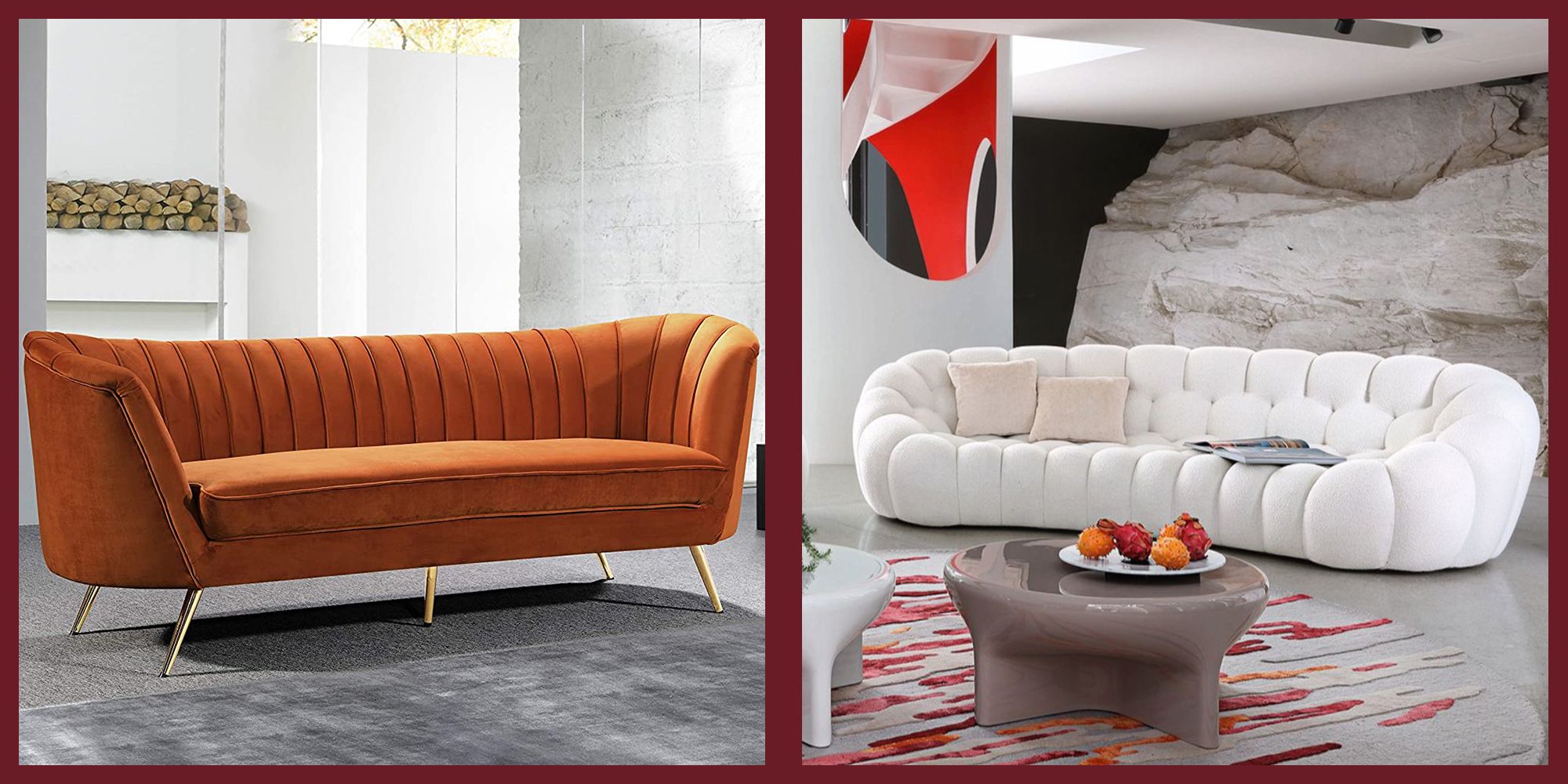
The evolution of sofa brands has transitioned from 18th-century independent master craftsmen to 20th-century industrial powerhouses, culminating in the 2026 landscape of digital-first, sustainable, and modular-focused companies. This progression reflects broader shifts in manufacturing technology, global logistics, consumer design preferences, and the rise of the circular economy.
The Pre-Industrial Foundations (1700s–1850s): The Rise of the Named Artisan
Before the concept of a "brand" existed in the modern sense, the "sofa brand list" was essentially a registry of master cabinetmakers. In the 18th century, furniture was a bespoke luxury reserved for the aristocracy. The evolution began not with logos, but with the publication of design books that standardized styles across borders.
The Age of the Pattern Books
In the mid-to-late 1700s, names like Thomas Chippendale, George Hepplewhite, and Thomas Sheraton became the first proto-brands. Chippendale’s "The Gentleman and Cabinet-Maker's Director" (1754) allowed his aesthetic to be replicated by other builders, effectively creating the first "brand identity" in furniture history. During this period, a "sofa" (often called a settee or couch) was characterized by hand-carved mahogany frames and expensive silk damask upholstery.
Transition to Early Manufacturing
By the early 1800s, firms began to scale. In London, Gillows of Lancaster and London became one of the first entities to function like a modern high-end brand, maintaining a consistent reputation for quality across generations. They were among the first to stamp their furniture, a direct precursor to the modern brand logo.
The Industrial Revolution and the Birth of Mass Production (1850s–1910s)
The mid-19th century marked a pivotal shift in the evolution of sofa brands as steam power and mechanized saws replaced manual labor. This era saw the transition from bespoke pieces to "catalogue" furniture.
Thonet and the Innovation of Bentwood
In 1859, Gebrüder Thonet (Thonet Brothers) revolutionized the industry with the No. 14 chair, but their subsequent application of steam-bending technology to sofas changed the market. Thonet was perhaps the first true global furniture brand, utilizing a franchise-like model and international shipping. Their ability to mass-produce curved wooden frames allowed for a lighter, more organic sofa silhouette that moved away from the heavy, Victorian "stuffed" look.
The Rise of Department Store Brands
By the late 19th century, the "brand" was often synonymous with the retailer. In the United States and Europe, department stores like Macy’s, Sears, Roebuck & Co., and Harrods began selling sofas under their own labels or through exclusive partnerships. This period democratized the sofa, making upholstered seating available to the emerging middle class through installment payment plans and mail-order catalogues.
The Mid-Century Modern Renaissance (1940s–1970s): The Golden Age of Brand Identity
Post-World War II, the furniture industry entered its most influential era. The focus shifted toward the marriage of industrial materials (steel, plastic, plywood) and high design. This is when the "sofa brand list" became dominated by names that remain prestigious in 2026.
The Powerhouses of Design: Knoll and Herman Miller
Founded in 1938, Knoll became the gold standard for office and home sophistication. Florence Knoll’s "Planning Unit" redefined the sofa as a clean, architectural element rather than a decorative one. Simultaneously, Herman Miller (founded earlier but pivoted to modernism in the 1940s) collaborated with designers like Charles and Ray Eames and George Nelson. Their sofas, such as the Marshmallow sofa, transformed furniture into functional art.
The Italian Emergence
The 1960s and 70s saw the rise of Italian brands that prioritized experimental materials like polyurethane foam. Brands like B&B Italia (originally C&B Italia, founded in 1966) and Flexform utilized injection-molding technology to create seamless, sculptural sofas that were impossible to craft via traditional woodworking. This era solidified Italy as the world’s hub for luxury sofa design.
The Era of Global Giants and Retail Supremacy (180s–2000s)
As globalization accelerated, the furniture market split into two distinct tiers: high-end "designer" brands and "big box" mass-market retailers.
The IKEA Phenomenon
While founded in 1943, IKEA's global dominance in the sofa category solidified in the late 1970s and 80s. The introduction of the Klippan sofa in 1979 was a watershed moment. It was designed to be affordable, durable, and easily transportable via flat-pack boxes. This model changed consumer expectations—the sofa was no longer an "investment for life" but a replaceable lifestyle choice.
The North American "Big Box" Era
In the United States, Ashley Furniture (founded in 1945) rose to become the largest furniture manufacturer in the world by the early 2000s. Along with brands like La-Z-Boy and Ethan Allen, these companies focused on vertical integration—controlling everything from the timber mills to the retail showrooms. The "brand" here was built on the promise of immediate availability and showroom variety.
The Direct-to-Consumer (DTC) Revolution (2010s–2020)
The rise of the internet and the success of "bed-in-a-box" companies like Casper paved the way for a new generation of sofa brands. These companies sought to solve the traditional "pain points" of sofa buying: long lead times, high markups, and difficult delivery.
Solving the "Last Mile" Delivery
Brands like Burrow (founded 2017) and Campaign focused on modularity. By shipping sofas in multiple manageable boxes via standard carriers like UPS or FedEx, they bypassed the need for expensive "white glove" delivery services. Article and Joybird focused on aesthetic niches—Mid-Century Modern and Scandinavian styles—offered directly to consumers at a fraction of the price of traditional showrooms.
Customization and Digital Tools
This period saw the integration of Augmented Reality (AR) into the branding experience. Brands were no longer just selling a physical product; they were selling a digital-first service where customers could visualize a sofa in their living room via a smartphone app before clicking "buy."
Modern Evolution in 2026: Sustainability, Modular Tech, and Circularity
In 2026, the evolution of sofa brands has been dictated by the climate crisis and the demand for "forever furniture" that can evolve with the user.
The Rise of Sustainable "B-Corp" Brands
The most successful brands of 2026, such as Sabai and Maiden Home, have built their identities around ethical manufacturing. The "sofa brand list" now prioritizes certifications over mere aesthetics. Consumers look for FSC-certified wood, recycled velvet, and "non-toxic" certifications (such as CertiPUR-US).
The Circular Economy Model
A significant evolution in 2026 is the "Sofa-as-a-Service" or buy-back program. Brands like FloorFound have partnered with major manufacturers to facilitate the resale of open-box or lightly used sofas. This has created a secondary "certified pre-owned" brand market, mirroring the automotive industry.
Smart and Bio-Digital Sofas
The technical depth of sofas has increased. High-end brands now integrate "invisible" tech—built-in wireless charging, haptic feedback for home theaters, and even "self-cleaning" fabrics engineered at the molecular level to repel stains without PFAS chemicals.
Comparative Analysis of Major Brand Eras
The following table summarizes the shifts in brand focus, manufacturing, and consumer targets across the timeline.
| Era | Dominant Brand Type | Key Innovation | Iconic Brand Examples | Primary Material Focus |
|---|---|---|---|---|
| 1750–1850 | Master Artisans | Design Pattern Books | Chippendale, Gillows | Solid Mahogany, Silk |
| 1850–1910 | Industrial Pioneers | Steam-Bending, Catalogues | Thonet, Sears | Bentwood, Iron |
| 1940–1970 | Design Houses | Industrial Modernism | Knoll, Herman Miller | Steel, Plywood, Foam |
| 1980–2000 | Global Retailers | Flat-Pack, Mass Logistics | IKEA, Ashley Furniture | Particle Board, Microfiber |
| 2010–2020 | DTC Startups | Modular Shipping, Social Marketing | Burrow, Article, Joybird | Performance Fabrics |
| 2021–2026 | Circular/Eco Brands | Sustainability, Resale Platforms | Sabai, Maiden Home | Recycled Plastics, Bio-Foam |
Technical Considerations: How Brands Are Defined in 2026
When evaluating the current "list" of top-tier sofa brands, three technical criteria have become the industry standard for quality and brand longevity.
1. Frame Joinery and Construction
High-quality brands in 2026 have moved away from staples and glue. The industry gold standard remains kiln-dried hardwood frames with double-doweled, glued, and corner-blocked joints. Lower-tier mass-market brands often utilize "engineered wood" (plywood or OSB), which significantly reduces the sofa's lifespan.
2. Suspension Systems
The evolution of comfort has centered on the "Eight-Way Hand-Tied" spring system. While labor-intensive, it remains the hallmark of luxury brands. Mid-tier brands typically use Sinuous Springs (S-shaped wires), which provide a firmer sit and allow for lower-profile designs.
3. Textile Engineering
The "brand" identity is now often tied to the durability of its fabrics. Performance fabrics (like Crypton or Sunbrella) are no longer just for outdoor use. In 2026, the focus has shifted toward "Plant-Based Performance," where fabrics are treated with natural extracts rather than synthetic fluorocarbons to achieve stain resistance.
Common Questions Regarding Sofa Brand Evolution
What was the first "modern" sofa brand?
While companies like Gillows existed earlier, Thonet is widely considered the first modern furniture brand due to its use of mass-production techniques, global distribution, and a trademarked aesthetic that was recognizable across different countries in the 19th century.
Why did so many DTC sofa brands emerge in the 2010s?
The emergence was driven by the inefficiency of the traditional furniture supply chain. Before 2010, furniture had high "showroom markups" and required complex logistics. DTC brands utilized modular designs that fit into standard shipping containers and boxes, allowing them to sell higher-quality materials at lower prices by cutting out the middleman.
How has sofa brand loyalty changed by 2026?
Loyalty has shifted from "heritage names" to "values-aligned brands." Consumers in 2026 are less likely to buy a sofa because their parents had that brand and more likely to buy it because the brand offers a transparent supply chain, carbon-neutral shipping, and a modular design that can be repaired or expanded over time.
Are "Big Box" brands like IKEA still relevant in 2026?
Yes, but they have evolved. IKEA and similar giants have shifted toward "Circular Hubs" where customers can buy spare parts, covers, and even sell back old sofas for store credit. Their relevance now stems from their role in the "affordable circularity" movement rather than just low prices.
Practical Recommendations for Navigating the Brand Landscape
If you are looking to invest in a sofa in the current 2026 market, follow these steps to ensure you are choosing a brand that matches the current evolution of quality:
- Check for "Repairability": Choose brands that sell individual replacement parts (legs, cushion covers, or even individual modular sections). This is the hallmark of a modern, sustainable brand.
- Verify Frame Materials: In the 2026 market, avoid "MDF" or "Particle Board" if you want a sofa to last more than three years. Look for kiln-dried hardwoods or high-grade recycled steel.
- Evaluate the "Second Life" Value: Check marketplaces like FloorFound or Kaiyo to see how well the brand holds its value in the resale market. A brand with a high resale value is a strong indicator of build quality.
- Analyze the Lead Time vs. Quality Trade-off: Be wary of brands promising 48-hour delivery on "custom" pieces; true quality upholstery usually requires a minimum of 4–8 weeks for proper curing of foams and hand-stitching of covers.
The evolution of sofa brands reflects our changing relationship with the home—moving from a display of wealth to a tool for lifestyle flexibility and environmental responsibility.