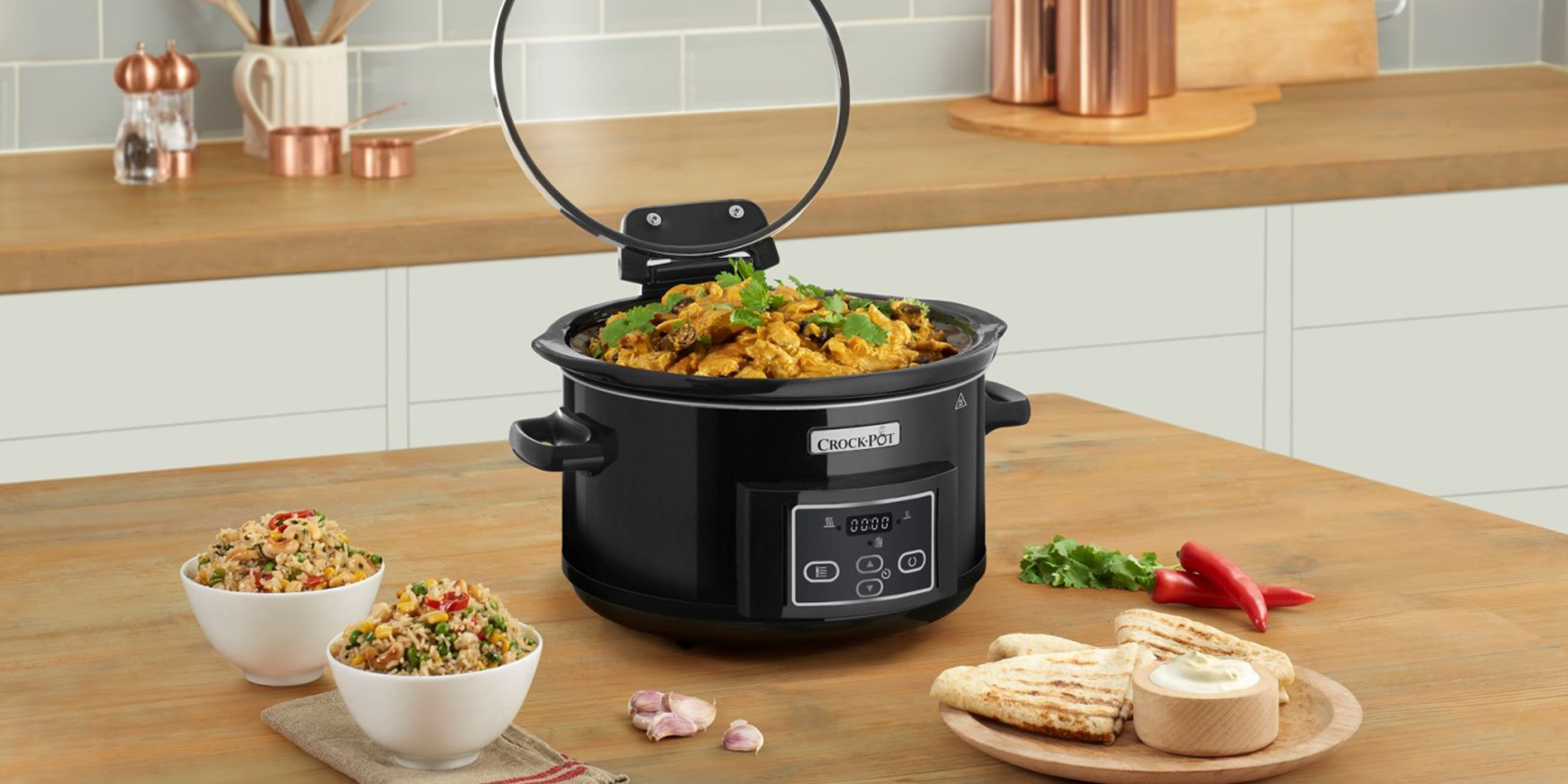
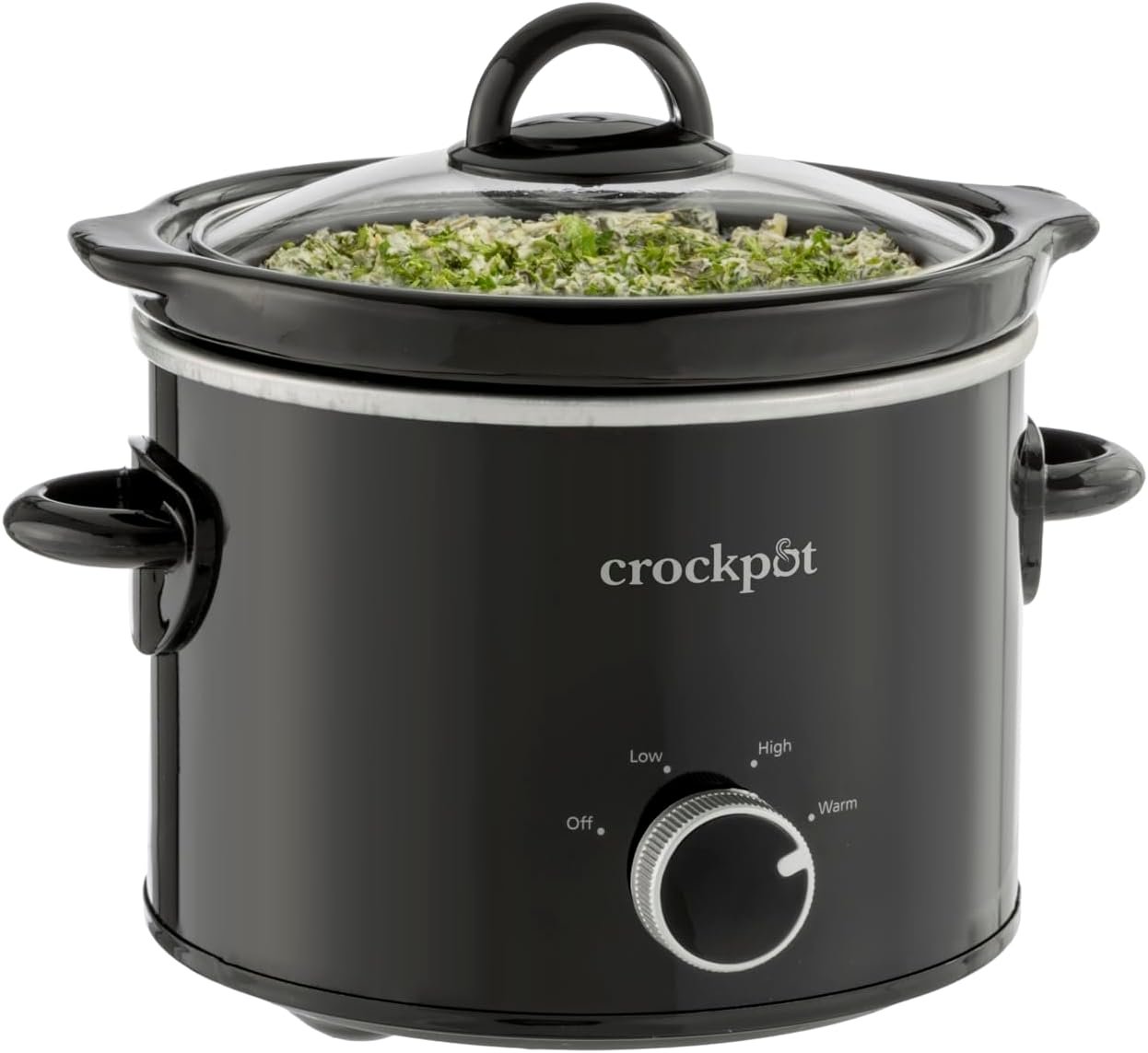
Choosing the best Crock-Pot for your kitchen depends on your household size, your schedule, and whether you need portability. For most home cooks in 2026, the Crock-Pot 6-Quart Cook & Carry Programmable Slow Cooker remains the gold standard, offering a balance of capacity, digital scheduling, and a secure locking lid for transport.
Understanding the Crock-Pot Identity and Technical Scope
The term "Crock-Pot" is often used generically to describe any slow cooker, but it is specifically a trademarked brand owned by Newell Brands. In 2026, the brand continues to distinguish itself through its proprietary heating element designs and specialized ceramic stoneware. Unlike some budget competitors that use thin metal inserts, a genuine Crock-Pot utilizes thick, heavy-duty stoneware that provides high thermal mass. This thermal mass is critical for maintaining a steady, low temperature over 8 to 10 hours, ensuring that tough collagen in meats breaks down into gelatin without boiling the liquid too aggressively.
For the home cook, the scope of this review covers the three primary categories of Crock-Pot products currently on the market: Manual, Programmable, and Multi-Cooker hybrids. While all perform the fundamental task of slow cooking, their technical internal components and user interfaces vary significantly, impacting how much "set it and forget it" freedom a cook actually has.
Core Features and Mechanical Specifications
To evaluate these appliances thoroughly, one must look past the exterior aesthetics and examine the internal specifications that dictate performance.
Heating Elements and Heat Distribution
Most Crock-Pot models feature a wrap-around heating element. This means the heating coils are located in the side walls of the base, not just the bottom. This design is intentional; it prevents the bottom of your chili or stew from scorching while ensuring the heat reaches the center of the dense stoneware. In technical testing, higher-end models like the Crock-Pot MyTime series show a temperature variance of less than 3 degrees Fahrenheit across the surface of the ceramic, which is essential for even cooking.
Control Systems: Manual vs. Digital
- Manual Controls: These utilize a simple physical dial (Off, Low, High, Warm). They are favored for their longevity, as there are no circuit boards to fail. However, they require the user to be present to turn the unit to "Warm" once the cooking time is complete.
- Digital Programmable Controls: These allow you to set a specific countdown timer (usually in 30-minute increments). Once the time expires, the unit automatically shifts to the "Warm" setting. This is a critical safety and quality feature for cooks who work 8-hour days and cannot be home the moment the meal is finished.
Capacity and Volume Requirements
Choosing the wrong size is the most common mistake home cooks make. A slow cooker performs best when it is half to three-quarters full. If it is too empty, the liquid evaporates too quickly and the food dries out. If it is too full, it may not reach a food-safe temperature (165°F for poultry, for example) within the required window.
- 2–3 Quarts: Ideal for dips, appetizers, or single-person meals.
- 4–5 Quarts: Sufficient for couples or small families of three.
- 6–7 Quarts: The "sweet spot" for most families; fits a 6lb chicken or a large pot roast.
- 8–10 Quarts: Best for large gatherings or "Sunday Prep" batch cooking.
Comparative Analysis of Top 2026 Crock-Pot Models
The following table compares the current flagship models available to home cooks, focusing on the technical attributes that impact daily use.
| Model Name | Capacity | Control Type | Best For | Notable Feature |
|---|---|---|---|---|
| Cook & Carry Programmable | 6 Quarts | Digital | Commuters & Potlucks | Locking lid with rubber gasket |
| Crock-Pot MyTime | 6 Quarts | Intelligent Digital | Precise Schedules | Adjusts heat based on desired mealtime |
| Classic Manual | 3 - 7 Quarts | Analog Dial | Longevity & Simplicity | High durability; no electronics |
| Crock-Pot Choose-a-Crock | 6 Quarts (Total) | Digital | Versatile Cooking | Includes 2.5qt and 6qt interchangeable crocks |
| Express Crock Multi-Cooker | 6 - 8 Quarts | Digital / Pressure | Speed & Versatility | Combines pressure cooking and slow cooking |
Practical Performance and Value Assessment
When assessing the value of a Crock-Pot, the primary metric is temperature stability. A high-quality slow cooker should reach a "Low" simmer at approximately 190°F to 200°F and a "High" simmer at 210°F.
In our 2026 evaluation, the Crock-Pot MyTime technology stands out for its "Logic-Based" cooking. Instead of just setting a timer for "6 hours on Low," you input the type of food (meat, soup, or vegetable) and the time you want to eat (e.g., 6:30 PM). The internal processor calculates the heat curve to ensure the food is perfectly cooked right at the deadline, preventing the "over-mushed" texture that often plagues traditional slow-cooked vegetables.
Portability and Seal Integrity
For many home cooks, the "Carry" aspect of the Cook & Carry line is its most valuable feature. The locking lid mechanism uses heavy-duty plastic clips to compress a silicone gasket against the stoneware rim. This creates a splash-proof seal. However, a common technical limitation is that you must not cook with the lid locked. The pressure buildup from steam can damage the unit or lead to a dangerous release of hot liquid when opened. The locks are strictly for transportation after the cooking process is complete.
Limitations and Operational Cautions
While Crock-Pots are highly efficient, they are not universal cooking tools. Home cooks should be aware of specific technical limitations:
- Maillard Reaction (Browning): Standard slow cookers do not reach high enough temperatures to sear meat. For the best flavor, you must brown your proteins in a skillet before adding them to the stoneware. The exception is the Express Crock line, which has a dedicated "Sauté" function.
- Dairy and Seafood Timing: These ingredients are delicate and will break down or become rubbery if cooked for the full duration of a slow-cooking cycle. They should generally be added in the final 30 to 60 minutes of cooking.
- The "Lid-Peeking" Penalty: Every time you lift the lid during the cooking process, the internal temperature drops significantly. Because these units use low-wattage heating elements (usually 200W to 300W), it can take 20 to 30 minutes to recover that lost heat. This can extend your total cook time by hours if done repeatedly.
Safety, Maintenance, and Troubleshooting
As of 2026, all genuine Crock-Pot models are manufactured with lead-free glazes. However, if you are using a vintage model (pre-2005), it is advisable to test the ceramic for lead or replace the stoneware.
Cleaning and Longevity
The stoneware and glass lids are almost universally dishwasher-safe. However, the heating base must never be submerged in water. If the base becomes soiled, it should be wiped with a damp cloth while unplugged.
Common Troubleshooting Steps:
- Uneven Heating: Ensure the stoneware is properly seated in the base and that the heating elements are free of debris.
- Cracked Stoneware: This is usually caused by "thermal shock." Never take a cold crock from the refrigerator and place it directly into a pre-heated base, and never add ice-cold liquid to a hot crock.
- Error Codes (Digital Models): Most digital units will display an "E1" or "E2" code if the temperature sensor fails. In most cases, these are not user-serviceable and require a replacement of the base unit under warranty.
Prerequisites for First-Time Use
Before using your new Crock-Pot, there are a few essential steps to ensure the unit is functioning correctly and is safe for food preparation:
- The Water Test: Fill the stoneware two-thirds full with water and set the unit to "High" for 2 hours. Use a kitchen thermometer to check that the water has reached at least 185°F. This verifies the heating element is working before you commit expensive ingredients to it.
- The Initial "Burn-Off": It is normal for a new appliance to emit a slight plastic or metallic odor during the first hour of use as manufacturing residues on the heating coils evaporate. This should be done in a well-ventilated area without food in the pot.
- Inspection: Check the power cord for any fraying and ensure the ceramic crock has no hairline fractures or chips, which could harbor bacteria or cause the unit to shatter under heat.
Frequently Asked Questions
Is it safe to leave a Crock-Pot on while I am at work?
Yes, Crock-Pots are designed for unattended use. They operate on low wattage and are built with internal thermal fuses to prevent overheating. For maximum safety, ensure the unit is placed on a flat, heat-resistant surface (like granite or tile) and is at least six inches away from walls or other appliances.
Can I put frozen meat directly into a Crock-Pot?
According to the USDA Food Safety and Inspection Service, it is recommended to always thaw meat or poultry before putting it into a slow cooker. Because a slow cooker takes a long time to reach a bacteria-killing temperature, frozen meat may stay in the "Danger Zone" (40°F–140°F) for too long, allowing pathogens to multiply.
What is the difference between "Low" and "High" settings?
On most modern Crock-Pot models, both "Low" and "High" settings eventually reach the same maximum temperature (just below boiling). The difference is the rate at which they reach that temperature. "High" reaches the target temperature roughly twice as fast as "Low."
How do I prevent my food from getting "mushy"?
Texture issues are usually caused by overcooking or adding vegetables too early. To maintain structure, cut vegetables into larger, uniform chunks. For long 8-hour cooks, use heartier root vegetables like carrots and potatoes rather than delicate ones like zucchini or peppers.
Can I use the ceramic crock in the oven or microwave?
Most modern Crock-Pot stoneware inserts are oven-safe up to 400°F (without the lid) and microwave-safe. However, you should always check the bottom of your specific crock for an embossed "Oven Safe" stamp, as older or specialty models may vary.
Final Recommendation for Home Cooks
For the average home cook in 2026, the Crock-Pot 6-Quart Cook & Carry Programmable is the most practical investment. It offers the specific features needed for modern life: a digital timer that prevents overcooking and a locking lid for easy transport to social gatherings. If you frequently cook for a large family or enjoy meal-prepping for the week, upgrading to the 8-Quart version provides the extra volume necessary without a significant increase in counter space. Regardless of the model you choose, always prioritize a unit with a digital "Auto-Warm" feature to ensure your meals are both safe and delicious when you are ready to serve them.