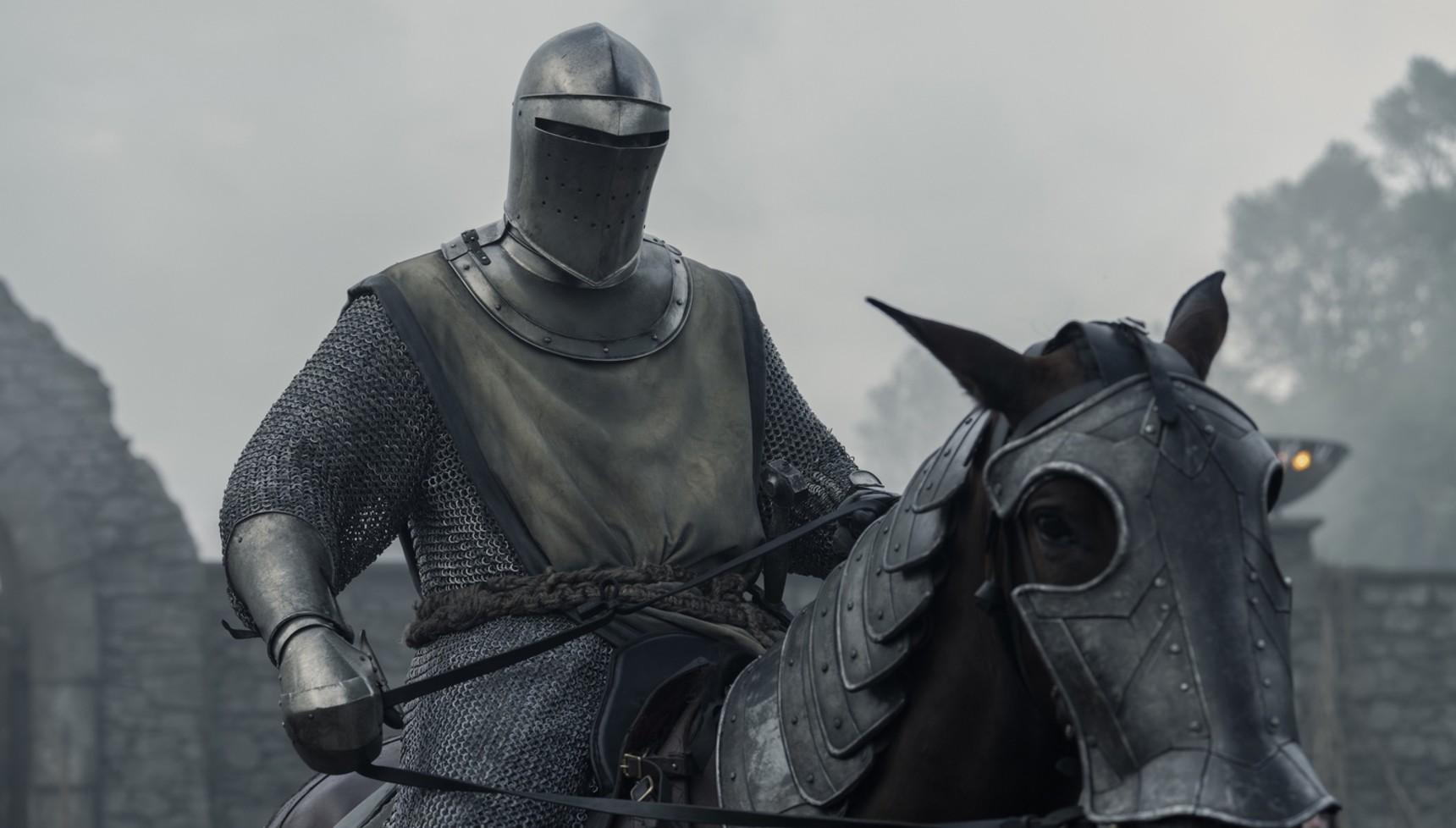
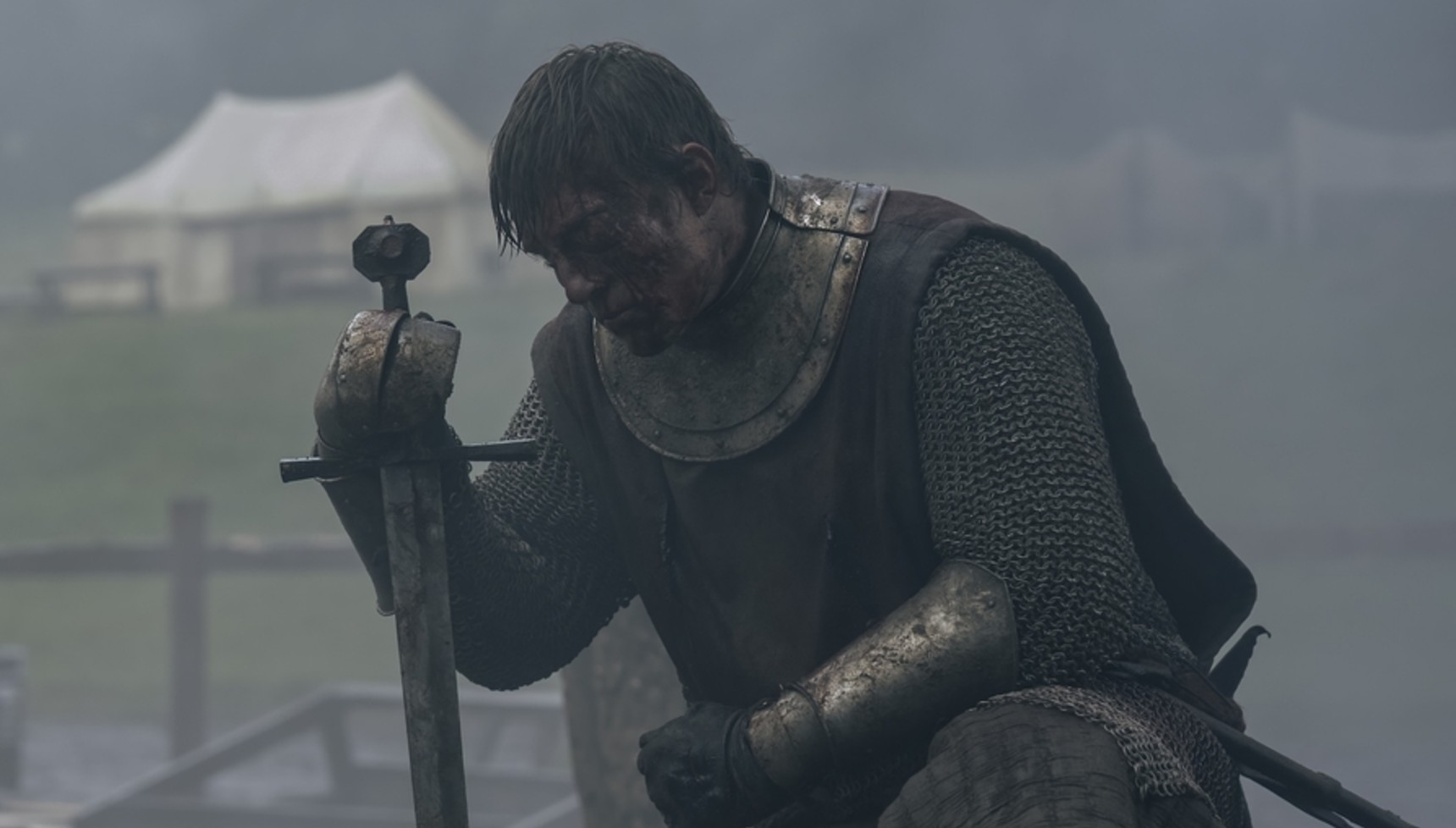
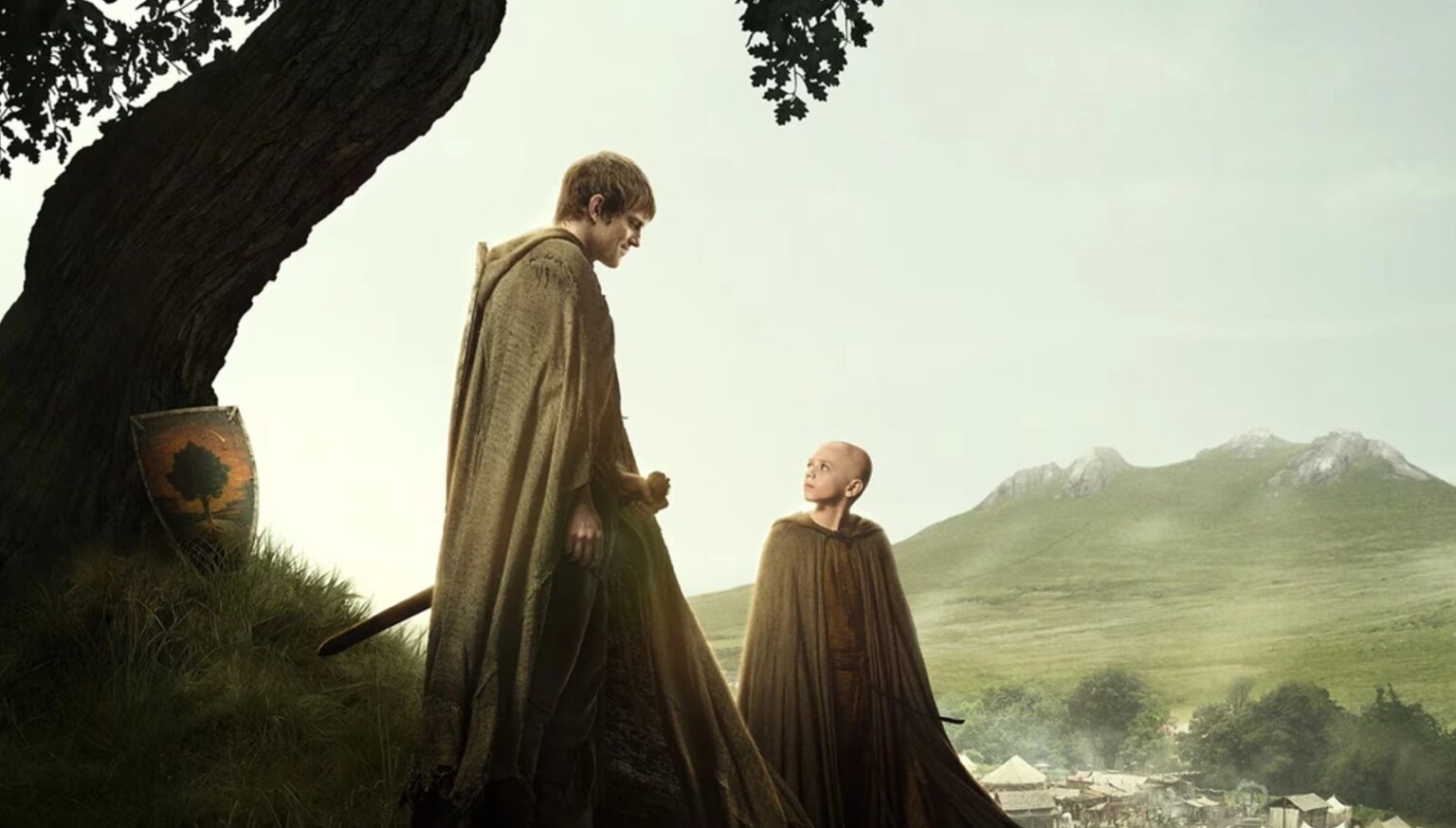
The television series A Knight of the Seven Kingdoms is set approximately 90 years before the events of Game of Thrones and roughly 70 to 80 years after the conclusion of House of the Dragon. Specifically, the story begins in 209 AC (After Conquest), during the peaceful yet politically tense reign of King Daeron II Targaryen.
Understanding the specific "time" of this series is essential for fans of George R.R. Martin’s "A Song of Ice and Fire" universe. This era, often referred to as the era of the "Tales of Dunk and Egg," represents a unique middle ground in Westerosi history. It is a period where the memory of dragons has faded into legend, but the Targaryen dynasty remains at the height of its administrative power, albeit fractured by recent civil wars and internal family rivalries.
The Chronological Placement in Westerosi History
To pinpoint exactly when A Knight of the Seven Kingdoms occurs, one must look at the "After Conquest" (AC) dating system used by the Maesters of the Citadel. This system centers on Aegon the Conqueror’s coronation.
The events of the first season, based on the novella The Hedge Knight, take place in 209 AC. For context, the "Dance of the Dragons" depicted in House of the Dragon concluded around 131 AC. This means nearly eight decades have passed since the last great dragon war. Conversely, the start of Game of Thrones—marked by the death of Jon Arryn—occurs in 298 AC.
This 90-year gap before Game of Thrones is significant. It is close enough that characters like Maester Aemon (who appears in Game of Thrones as an elderly man) are alive as children or young men during the time of Dunk and Egg. In fact, Prince Aegon Targaryen (Egg) is Maester Aemon’s younger brother. This connective tissue makes the timeline feel intimate and relevant to the broader saga, as the decisions made during this period directly influence the eventual fall of the Targaryen house.
The Political Landscape: Post-Blackfyre Rebellion
The "time" of A Knight of the Seven Kingdoms is defined primarily by the shadow of the First Blackfyre Rebellion. Occurring in 196 AC, just thirteen years before the series begins, this conflict was a massive civil war that pitted Targaryen against Targaryen.
King Aegon IV (the Unworthy) legitimized all his bastards on his deathbed, leading his eldest legitimized son, Daemon Blackfyre, to challenge the trueborn King Daeron II for the Iron Throne. Although Daemon Blackfyre was defeated at the Redgrass Field, the realm remained deeply divided.
When Ser Duncan the Tall (Dunk) begins his journey, the wounds of this rebellion are still fresh. Many lords who supported the "Black Dragon" (Blackfyre) still harbor resentment toward the "Red Dragon" (Targaryen). This atmosphere of suspicion and "broken vows" serves as the backdrop for the entire series. Unlike the world-ending threat of the White Walkers or the total atmospheric destruction of the Dance of the Dragons, the conflict here is more subtle, focusing on personal honor, knightly chivalry, and the lingering social scars of a divided country.
Life Without Dragons: The "Dragonbane" Legacy
One of the most striking differences between this time period and the era of House of the Dragon is the absence of dragons. The last dragon died in 153 AC during the reign of Aegon III, known as the "Dragonbane."
By 209 AC, dragons are a thing of the past. The younger generation has never seen one, and the Targaryens no longer possess the overwhelming military advantage that dragons provided. This shift fundamentally changes the nature of power in the Seven Kingdoms. Without dragons, the Targaryen kings must rely on traditional diplomacy, marriages, and the loyalty of their bannermen to maintain control.
For a "hedge knight" like Dunk, this means the world is more dangerous but also more egalitarian in a sense. Battles are fought with steel, horse, and shield rather than dragonfire. The lack of dragons also contributes to a sense of melancholy among some Targaryens, who feel their divine right to rule is slipping away, leading to desperate (and often disastrous) attempts to bring dragons back to life—an obsession that looms over the timeline of this series.
Key Figures and the Generation Gap
The "time" of the series is best viewed through its protagonists, whose ages and positions reflect the state of the world in 209 AC.
- Ser Duncan the Tall (Dunk): A young man in his late teens or early twenties at the start of the series. He represents the common folk trying to navigate a rigid class system. He is a "hedge knight," meaning he has no lord and no land, surviving on the "hedgerows" of the realm.
- Prince Aegon "Egg" Targaryen: About ten years old when he meets Dunk. He is the fourth son of a fourth son (Prince Maekar), making him very far down the line of succession. His anonymity allows him to travel the realm as Dunk’s squire, gaining a perspective on the common people that no other Targaryen king ever possessed.
- The Ruling Family: The realm is governed by King Daeron II, a scholar-king who integrated Dorne into the Seven Kingdoms through marriage rather than conquest. His heirs, Baelor "Breakspear" and Maekar, represent different facets of Targaryen leadership—diplomacy and martial strength, respectively.
Comparison of Westerosi Eras
To help visualize where A Knight of the Seven Kingdoms fits compared to the other major HBO series, the following table breaks down the key eras:
| Feature | House of the Dragon Era | A Knight of the Seven Kingdoms Era | Game of Thrones Era |
|---|---|---|---|
| Primary Timeline | 101 AC – 131 AC | 209 AC – 233+ AC | 298 AC – 305 AC |
| Current Monarch | Viserys I / Aegon II / Rhaenyra | Daeron II / Aerys I / Maekar I | Robert I / Joffrey I / Tommen I |
| Status of Dragons | Numerous and used in war | Extinct (since 153 AC) | Reborn (Daenerys Targaryen) |
| Primary Conflict | Familial Succession (The Dance) | Blackfyre Pretenders & Social Unrest | War of the Five Kings & The Great War |
| Tone | High-Stakes Epic / Political Tragedy | Grounded / Adventurous / Picaresque | Grimdark Fantasy / Geopolitical War |
| State of the Wall | Fully manned and operational | Beginning to decline, but still strong | Near collapse and undermanned |
The Geographical Scope in 209 AC
The "time" of this series is also characterized by a unique geographical focus. While Game of Thrones was a global story spanning from Beyond the Wall to Essos, A Knight of the Seven Kingdoms is more intimate.
The story moves through the Reach, the Riverlands, and Dorne. Because Dunk and Egg are traveling on horseback without the benefit of fast travel or dragons, the scale of Westeros feels much larger. Readers and viewers experience the "traveling time" of the era—the weeks it takes to get from one castle to another, the dangers of the road, and the regional cultures of the Seven Kingdoms before they were homogenized by the wars of later centuries.
In 209 AC, the Reach is particularly prosperous, but the lingering effects of the "Great Spring Sickness" (a devastating plague that occurred just before the series starts) have left many areas depopulated and in economic distress. This plague killed tens of thousands, including King Daeron II and his immediate heirs, drastically shifting the line of succession and creating the political instability that Dunk and Egg must navigate.
Production and Release Context (2026 Perspective)
As of 2026, A Knight of the Seven Kingdoms has transitioned from a highly anticipated prequel into a cornerstone of the expanded "Game of Thrones" television universe. Filming for the initial seasons took place primarily in Northern Ireland, returning to the roots of the original series to capture the lush, temperate landscapes of the Reach and the Stormlands.
The series was developed with a smaller, more focused scope in mind. Unlike the massive ensemble casts of House of the Dragon, this show focuses heavily on the chemistry between the two leads. The 2026 television landscape has seen a shift toward these "character-driven" stories within established franchises, providing a breath of fresh air compared to the high-budget spectacle of previous years. For viewers in 2026, the show represents a return to the "knightly virtues" and wandering adventure that was often sidelined in the more political entries of the franchise.
Frequently Asked Questions
Is A Knight of the Seven Kingdoms a sequel or a prequel?
It is a prequel to Game of Thrones but a sequel to the events of House of the Dragon. It bridges the gap between the era of dragon-riders and the era of the Baratheon rebellion. It explores how the Targaryen family functioned as "normal" humans without the power of dragons to back their rule.
Do I need to watch House of the Dragon first?
While not strictly necessary, watching House of the Dragon provides valuable context regarding the Targaryen family's history and why the loss of dragons was such a cultural shock. However, A Knight of the Seven Kingdoms is designed as a standalone adventure that is much more accessible to new viewers.
How many "Dunk and Egg" stories are there to adapt?
There are currently three published novellas by George R.R. Martin: The Hedge Knight, The Sworn Sword, and The Mystery Knight. Each season of the television show is expected to cover one novella, though there is potential for original stories to fill the gaps in the timeline as the characters age.
Who is the "Egg" in the title's time period?
"Egg" is the nickname for Prince Aegon Targaryen, who eventually grows up to become King Aegon V. He is the father of Jaehaerys II and the grandfather of the "Mad King" Aerys II. In the context of the series' time, he is a humble squire learning what it means to be a good man before he becomes a king.
Why is this time period called the "Tales of Dunk and Egg"?
This is the informal name given to the series of novellas by fans and the author. "Dunk" refers to Ser Duncan the Tall, and "Egg" refers to Aegon Targaryen. The TV series title, A Knight of the Seven Kingdoms, is the title of the collected edition of these three stories.
Final Recommendation for Viewers
To fully appreciate the "time" of A Knight of the Seven Kingdoms, viewers should focus on the social hierarchy and the Blackfyre history. This is not a show about kings sitting on thrones; it is a show about a knight and his squire sitting around a campfire. Pay close attention to the heraldry and the names of the minor houses, as many of the families who appear in this era are the ancestors of the characters we meet later in the Game of Thrones timeline. If you are looking for a more grounded, adventurous, and emotionally resonant take on Westeros, this is the ideal time period to explore.