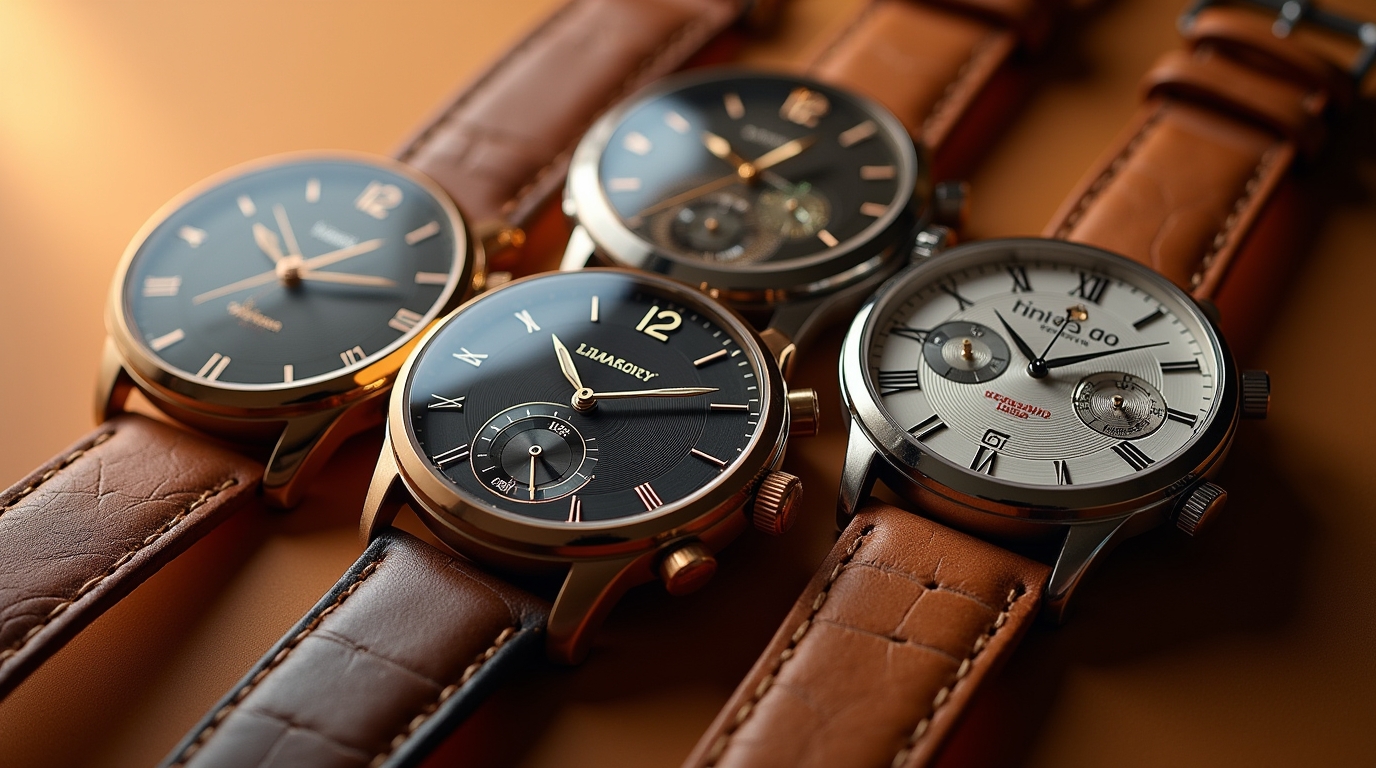
Determining if classy watches are worth the price depends on whether you view a timepiece as a functional tool, a piece of jewelry, or a financial asset. While inexpensive quartz watches provide superior accuracy, luxury mechanical watches offer meticulous craftsmanship, high-grade materials, and brand heritage that often allow them to retain value or even appreciate over time.
For centuries, the wristwatch has transitioned from a maritime necessity to a redundant accessory, and finally, to a pinnacle of personal expression. In 2026, the global appetite for "classy" watches—typically defined as elegant dress watches or high-end integrated-bracelet sports watches—remains robust. However, the justification for spending $5,000 to $50,000 on a device that performs a task your smartphone does for free requires a deep dive into the nuances of horology, economics, and social signaling.
Defining the "Classy" Watch: More Than Just Aesthetics
To understand the value, we must first define what constitutes a "classy" watch in the modern era. Generally, this category excludes rugged tool watches designed for saturation diving or tactical military use. Instead, it focuses on timepieces characterized by slim profiles, precious metals or high-polish steel, and sophisticated complications.
The Dress Watch Standard
A traditional classy watch is often a dress watch. Brands like Patek Philippe (with the Calatrava line), Vacheron Constantin (Patrimony), and A. Lange & Söhne (Saxonia) set the gold standard. These watches are usually gold or platinum, lack a date window for maximum symmetry, and are thin enough to slide effortlessly under a shirt cuff. The value here is found in the extreme restraint of design and the perfection of every microscopic edge.
The Luxury Sports Crossover
Since the 1970s, the definition has expanded to include "luxury sports watches." Pieces like the Audemars Piguet Royal Oak or the Vacheron Constantin Overseas are considered classy despite their stainless steel construction. Their value lies in the revolutionary finishing of the steel—often more difficult to polish than gold—and the architectural complexity of their integrated bracelets.
The Engineering Value: Why Mechanical Movements Cost Thousands
The primary driver of the price tag is the movement, or "caliber," ticking inside the case. Unlike mass-produced quartz movements that cost dollars to manufacture, a high-end mechanical movement is a marvel of micro-engineering.
In-House vs. Generic Movements
In the entry-level luxury market (under $3,000), many brands use "eubauche" movements from suppliers like ETA or Sellita. While reliable, they lack the exclusivity that justifies a "classy" premium. True luxury value begins with in-house movements, where the brand designs, manufactures, and assembles the caliber themselves. This requires millions of dollars in R&D and specialized watchmakers who may spend weeks on a single engine.
Hand-Finishing and Decoration
The "worth" of a watch often reveals itself under a loupe. High-end watches feature Anglage (hand-beveled edges), Perlage (circular graining), and Côtes de Genève (Geneva stripes). In 2026, while CNC machines can do much of the heavy lifting, the final polishing of a Patek Philippe or a Grand Seiko "Zaratsu" finish is still done by hand. This labor-intensive process ensures that no two watches are identical, elevating the object from a commodity to a work of art.
Complications and Complexity
The price escalates rapidly with "complications"—any function beyond simple timekeeping.
- Annual and Perpetual Calendars: Mechanisms that track months of varying lengths and leap years.
- Tourbillons: A rotating cage designed to counter the effects of gravity on the movement's accuracy.
- Minute Repeaters: A complex series of hammers and gongs that chime the time on demand. These features represent the peak of human mechanical ingenuity, and for collectors, the price reflects the preservation of this rare skill set.
Material Excellence: Beyond Stainless Steel
The materials used in classy watches are selected for longevity, weight, and luster. While a $500 watch might look similar to a $15,000 watch from across a room, the tactile and chemical differences are profound.
Precious Metals and Proprietary Alloys
Luxury brands frequently use 18k gold, but they often develop their own alloys to improve durability or color retention. Rolex uses Everose gold, which incorporates platinum to ensure the pink hue doesn't fade when exposed to salt water or chlorine. Omega utilizes Sedna gold. These materials have intrinsic melt value, providing a "floor" for the watch's worth, though the retail price far exceeds the weight of the gold.
Sapphire Crystals and Ceramic
In 2026, sapphire crystal is standard in luxury watches, offering a Mohs hardness second only to diamond. This ensures the watch face remains scratch-free for decades. Furthermore, the use of ceramic bezels (like Rolex’s Cerachrom) ensures that the watch will not fade or scratch, maintaining its "new" appearance much longer than cheaper aluminum alternatives.
The Financial Perspective: Investment or Expense?
One of the most common justifications for the price of classy watches is their ability to hold value. However, it is vital to distinguish between a "luxury purchase" and a "financial investment."
Brands That Retain Value
Historically, three brands—Rolex, Patek Philippe, and Audemars Piguet—have shown the strongest resistance to depreciation. In many cases, specific models (like the Cosmograph Daytona or the Nautilus) trade on the secondary market for significantly more than their retail price. For these specific pieces, the watch is undeniably "worth it" from a fiscal standpoint, as it acts as a liquid asset.
The Depreciation Reality
For the vast majority of brands, a watch is like a luxury car: it loses 20% to 40% of its value the moment you leave the boutique. Brands like IWC, Cartier, and Jaeger-LeCoultre produce world-class timepieces, but they generally do not appreciate. They are "worth the price" for their craftsmanship and the joy of ownership, not as a vehicle for capital gains.
The 2026 Secondary Market
By 2026, the secondary market has become highly transparent. Platforms like Chrono24 and specialized auction houses have made it easier for buyers to verify the "true" value of a watch. This transparency has led to a "flight to quality," where buyers are more willing to pay a premium for watches with "full set" (original box and papers) and a documented service history.
Comparative Value Tiers in 2026
To visualize the value proposition, the following table compares different tiers of classy watches based on their typical characteristics and market performance.
| Tier | Price Range (USD) | Primary Value Driver | Typical Resale Value | Examples |
|---|---|---|---|---|
| Entry-Level Luxury | $2,000 – $5,500 | Brand name, build quality, sapphire/steel. | 50% – 70% | Longines, Tudor, Nomos |
| Mid-Tier Luxury | $6,000 – $15,000 | In-house movements, iconic design, prestige. | 70% – 100% | Rolex, Omega, Cartier |
| High Horology | $20,000 – $100,000+ | Hand-finishing, precious metals, complications. | 80% – 150%* | Patek Philippe, A. Lange & Söhne |
| Independent/Artisanal | $50,000+ | Scarcity, extreme craftsmanship, innovation. | Highly Variable | F.P. Journe, H. Moser & Cie |
*Specific "hype" models can exceed 200% of retail.
The Intangible Factors: Status and Sentiment
Beyond the gears and the gold, a classy watch carries significant psychological and social weight.
The "Handshake" of the Horological World
In professional and social circles, a classy watch serves as a subtle signal. It suggests an appreciation for detail, a respect for tradition, and a certain level of success. Unlike a flashy car or loud designer clothing, a slim dress watch is often a "stealth wealth" item—unnoticed by the masses but instantly recognized by those who understand the craft.
The Heirloom Potential
Mechanical watches are one of the few consumer goods that can be truly multi-generational. With proper maintenance, a mechanical watch purchased in 2026 can still be functioning perfectly in 2126. This "heirloom" factor adds a layer of value that is difficult to quantify. You aren't just buying a watch for yourself; you are buying a legacy piece for your children or grandchildren.
The Hidden Costs: Maintenance and Service
When asking if a watch is worth the price, one must factor in the long-term cost of ownership. A mechanical watch is a machine with moving parts that require lubrication and adjustment.
- Service Intervals: Most manufacturers recommend a full service every 5 to 10 years.
- Service Costs: For a standard luxury watch, a service can cost between $500 and $1,200. For complex "Grand Complications," this can skyrocket to several thousand dollars, as the watch may need to be sent back to Switzerland for months of work by a master watchmaker.
- Insurance: Insuring a high-value timepiece typically costs 1-2% of its appraised value annually.
If these costs seem prohibitive, a high-end luxury watch may not be "worth it" for your specific lifestyle, regardless of its initial quality.
FAQs About Luxury Watch Value
Do classy watches lose their value immediately?
Most luxury watches experience an initial drop in value, similar to new cars. However, unlike cars, they tend to hit a "floor" and eventually stabilize or rise as the model is discontinued and becomes vintage. Only a small percentage of "hype" watches increase in value the moment they are purchased.
Is a quartz watch ever "classy"?
While purists prefer mechanical movements, some quartz watches are highly respected. The Cartier Tank and the Grand Seiko 9F Quartz series are excellent examples. These offer the aesthetic of a classy watch with the convenience and accuracy of quartz, often at a slightly more accessible price point.
How do I know if a watch is a good "investment"?
Treat a watch as an investment only if you have deep market knowledge. Focus on brands with restricted supply and high demand (Rolex, Patek Philippe). However, most experts suggest buying a watch because you love it, and treating any value retention as a pleasant secondary benefit.
Are "micro-brands" worth considering for a classy look?
Yes. In 2026, many micro-brands offer incredible value by using high-quality third-party movements and focusing on unique designs. While they lack the heritage and resale value of a major Swiss house, they often provide 90% of the build quality for 20% of the price.
Does the "Gray Market" affect the worth?
The gray market (unauthorized dealers selling genuine products) often offers discounts on brands that don't hold their value well. Buying from the gray market can make a watch "worth it" by lowering your initial entry cost, but it may come without a manufacturer's warranty.
Practical Recommendation: Finding Your Value Point
If you are looking for a classy watch that justifies its price, the best approach is to look for a balance of heritage, movement quality, and timeless design.
For those seeking the safest financial bet, a stainless steel sports-luxury watch from a "Big Three" manufacturer (Patek Philippe, Vacheron Constantin, Audemars Piguet) or Rolex remains the gold standard in 2026. However, if your goal is the highest level of craftsmanship for your dollar, look toward German watchmaking (A. Lange & Söhne) or Japanese "High Horology" (Grand Seiko), where the finishing often exceeds Swiss competitors at similar price points.
Ultimately, a classy watch is worth the price if it provides a sense of satisfaction every time you check the time. It is a rare intersection of art and utility that defies the "disposable" nature of modern technology.