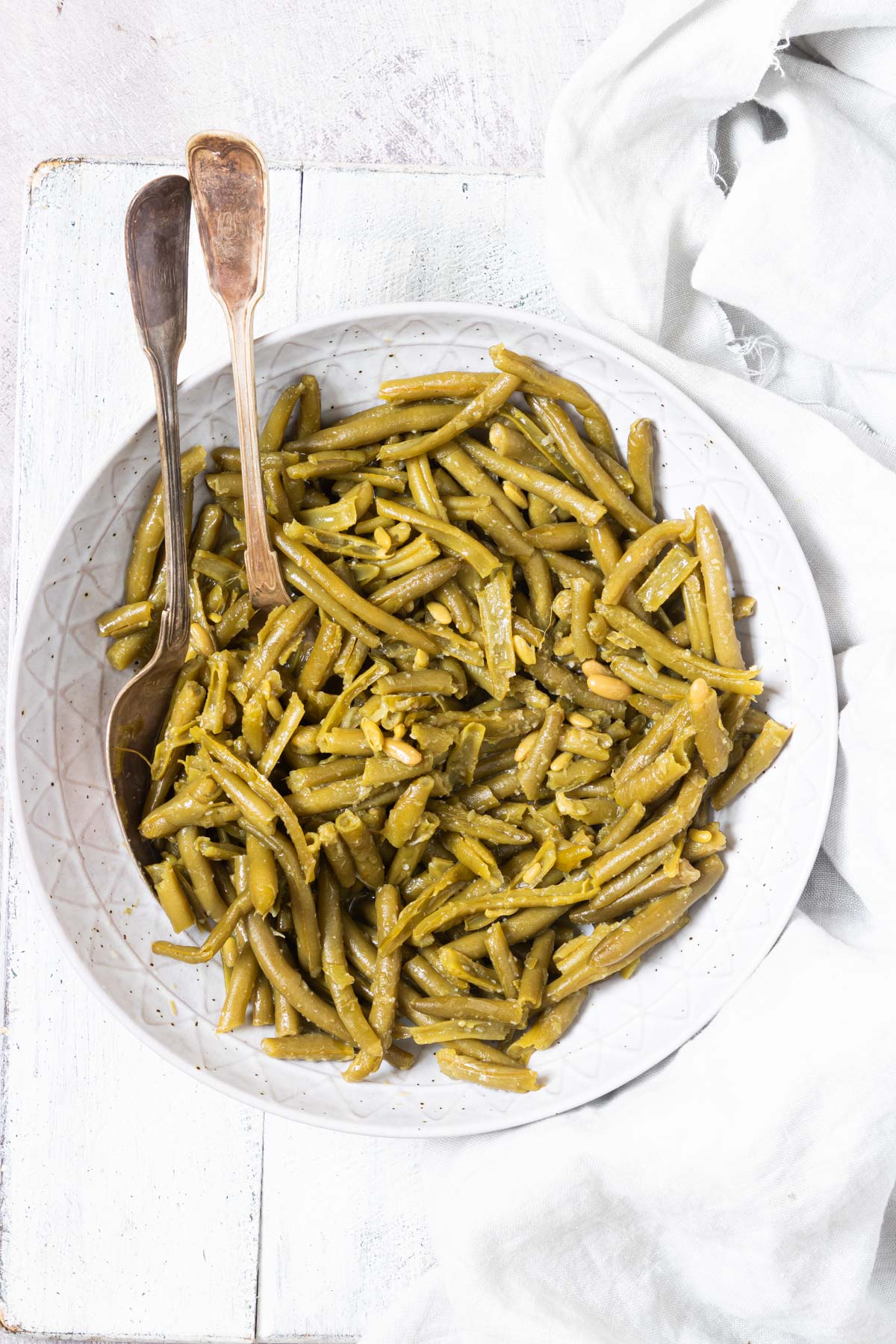
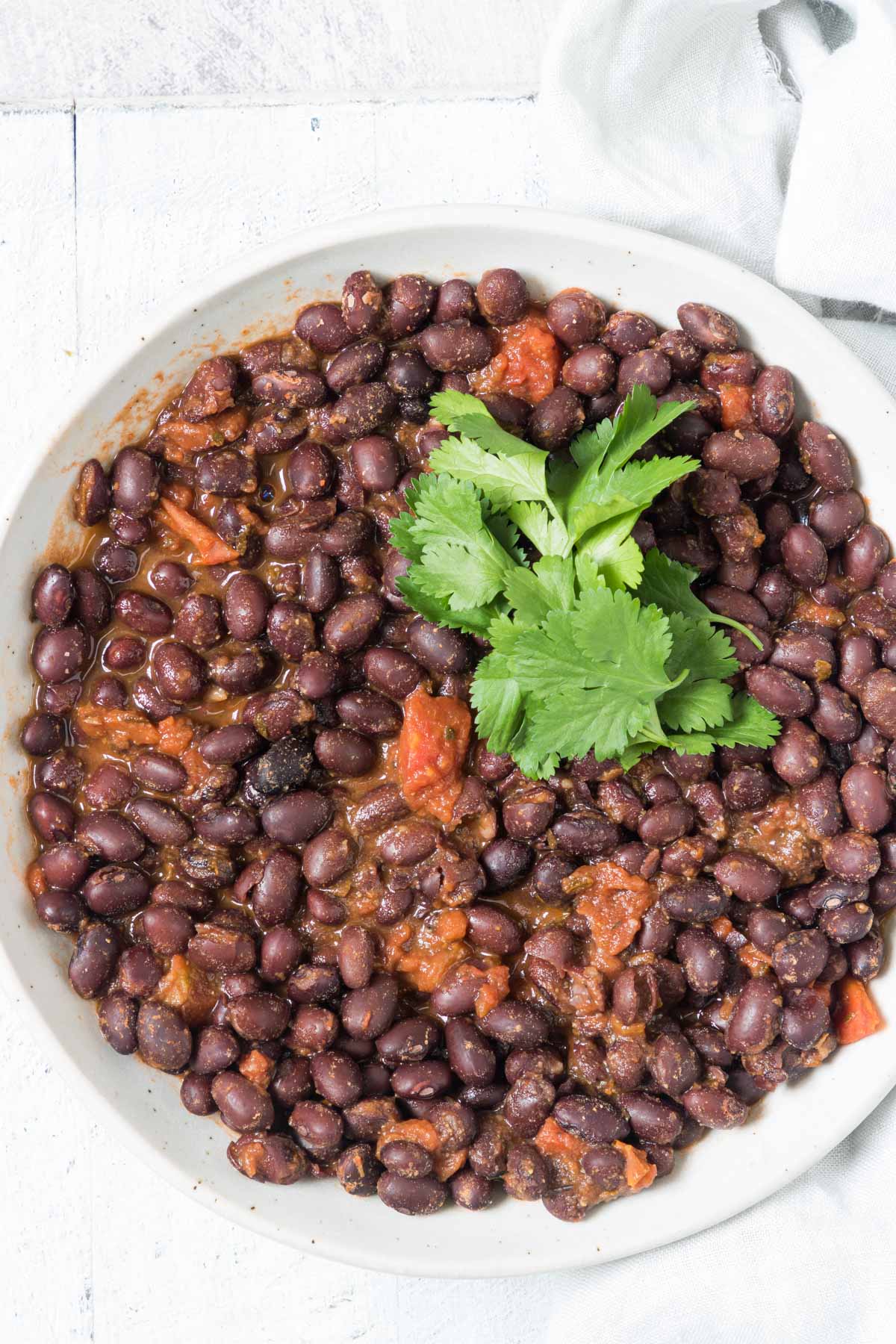
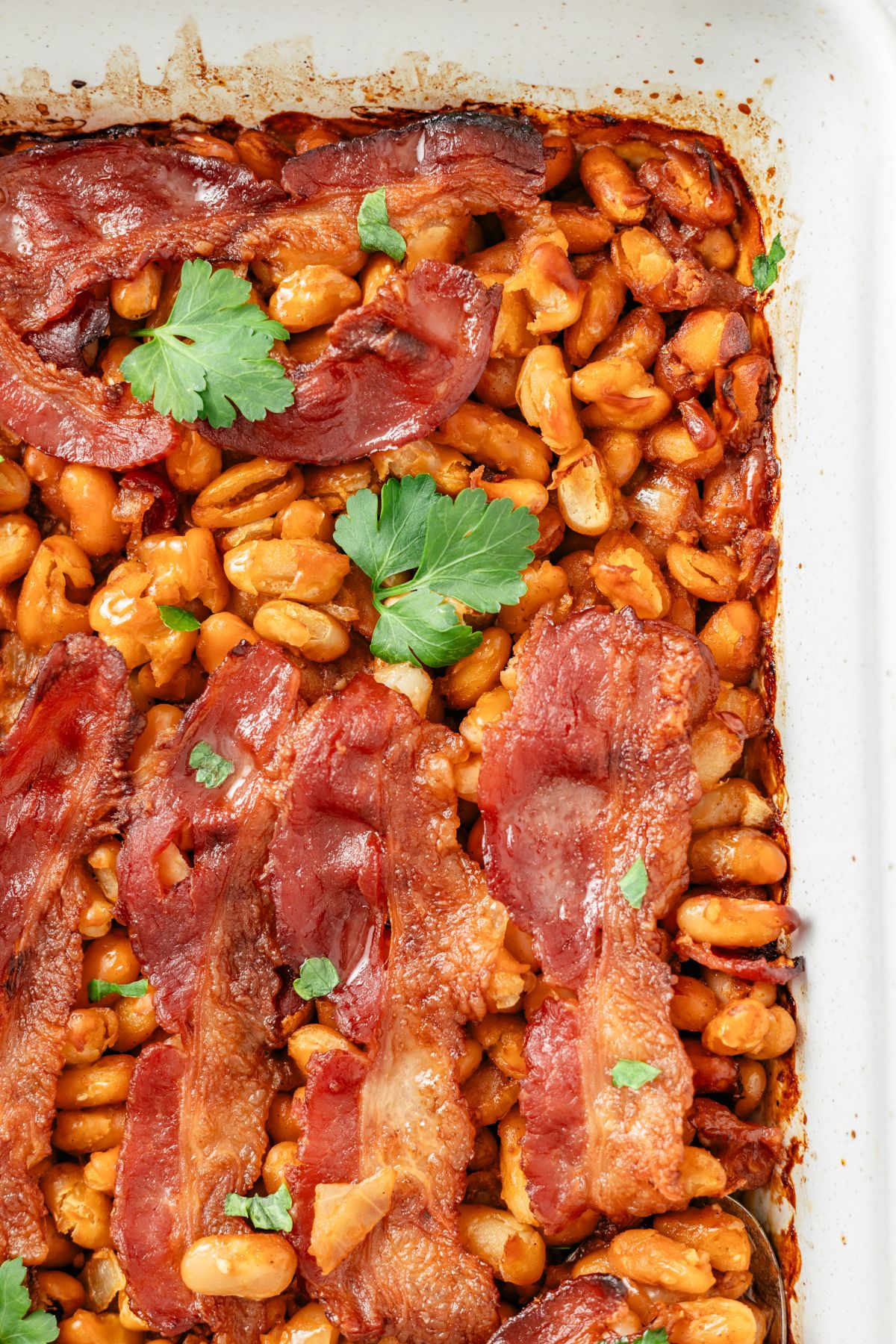
Yes, all commercially canned beans are fully cooked and safe to eat directly from the can. During the canning process, beans are blanched, sealed in cans with liquid, and then heated under high pressure in a machine called a retort. This process simultaneously cooks the beans and sterilizes them against bacteria.
In the fast-paced culinary landscape of 2026, the humble can of beans remains a cornerstone of efficient, nutritious meal preparation. Whether you are a seasoned chef or a home cook looking to save time, understanding the nuances of how these legumes are prepared can significantly improve your cooking results. This guide explores the science behind the canning process, safety considerations, and the best ways to utilize pre-cooked beans in your daily diet.
The Industrial Cooking Process: From Field to Can
To understand why canned beans are "cooked," one must look at the industrial process designed to ensure both shelf stability and edibility. The journey from a dried field bean to a soft, ready-to-eat product involves several critical steps that combine hydration and high-heat sterilization.
1. Cleaning and Sorting
Before any cooking occurs, dried beans are mechanically cleaned to remove dust, stones, and debris. Modern optical sorters in 2026 utilize high-resolution sensors to discard beans that are discolored or shriveled, ensuring that only high-quality legumes enter the canning line.
2. Hydration (Soaking)
Most beans are soaked in water to rehydrate them. This step is vital because it ensures the beans will cook evenly. Hydration can happen through a long cold-soak or a shorter hot-soak. During this phase, the beans double in size as they absorb water into their starch granules.
3. Blanching
After soaking, the beans undergo blanching—a brief immersion in boiling water or steam. This serves several purposes: it removes remaining air from the bean tissue, softens the skin, and helps preserve the natural color of the legume. Blanching is technically the beginning of the cooking process.
4. Filling and Brining
The blanched beans are placed into cans, and a "brine" is added. This liquid usually consists of water and salt, though some varieties include sugar, calcium chloride (to maintain firmness), or EDTA (to preserve color). In 2026, many premium brands offer "no salt added" versions that use only purified water.
5. Retort Sterilization: The Final Cook
Once sealed, the cans are placed into a retort, which is essentially a massive industrial pressure cooker. The cans are heated to temperatures typically between 240°F and 250°F (115°C to 121°C). This high heat serves a dual purpose:
- Commercial Sterilization: It kills all pathogenic bacteria, most notably Clostridium botulinum, which can thrive in anaerobic (oxygen-free) environments.
- Total Cooking: The beans are cooked thoroughly within the sealed environment, allowing them to reach a soft, creamy texture.
Why Canned Beans Are Safer Than "Raw" Home-Cooked Beans
One of the most significant advantages of the canning process is the guaranteed destruction of naturally occurring toxins. Raw or undercooked legumes, particularly kidney beans, contain high levels of Phytohaemagglutinin (PHA), a type of lectin that can cause severe food poisoning.
The high-pressure environment of the retort ensures that the internal temperature of every bean exceeds the threshold required to neutralize these lectins. While home-cooking dry beans in a standard pot can sometimes fail to reach these temperatures (especially at high altitudes or in slow cookers), the industrial canning process is regulated to ensure absolute safety. By 2026, food safety standards have only become more stringent, making canned beans one of the most reliable shelf-stable proteins available.
To Rinse or Not to Rinse: Managing Sodium and Texture
A common question among cooks is whether the liquid inside the can should be discarded. The answer depends entirely on your nutritional goals and the specific dish you are preparing.
The Argument for Rinsing
Rinsing canned beans under cold running water can reduce the sodium content by up to 40%. The viscous liquid, often referred to as "aquafaba" in the context of chickpeas, contains starches and proteins leached from the beans during the retort process. Rinsing also removes the metallic taste that some people associate with the canning process and helps reduce the "gas-producing" complex sugars (oligosaccharides) that can cause digestive discomfort.
The Argument for Retaining the Liquid
In certain recipes, the starchy liquid is an asset. For example, when making a thick chili or a Mediterranean bean stew, the canning liquid acts as a natural thickener. Furthermore, aquafaba (specifically from chickpeas) has become a staple in 2026 vegan cooking as a powerful egg substitute for meringues, mayonnaises, and baking.
Canned vs. Dried: A 2026 Comparison
While canned beans offer ultimate convenience, dried beans still hold a place in many kitchens. Below is a comparison to help you decide which is best for your current needs.
| Feature | Canned Beans | Dried Beans |
|---|---|---|
| Preparation Time | Zero (Ready to eat) | 2–12 hours (Soaking + Cooking) |
| Texture Control | Consistent, usually soft | High (Can be al dente or very soft) |
| Cost (per serving) | Higher ($0.80–$1.50 per can) | Very Low ($0.15–$0.30 per serving) |
| Sodium Content | Moderate to High (unless rinsed) | Very Low (User-controlled) |
| Shelf Life | 2–5 years (in optimal conditions) | 1–2 years (for best quality) |
| Flavor Depth | Mild, takes on brine flavor | Rich, takes on aromatics during cook |
Common Types of Canned Beans and Their Best Uses
Most legumes are available in canned form. Because they are pre-cooked, they behave differently in recipes than their dried counterparts.
- Black Beans: These hold their shape well. In 2026, they are a favorite for "pulse-forward" diets, used in everything from breakfast burritos to black bean brownies. Their skin is thin enough to be tender but tough enough to survive a quick sauté.
- Chickpeas (Garbanzo Beans): These are perhaps the most versatile canned bean. Since they are already cooked, they can be blended into hummus in seconds or tossed in olive oil and spices for air-frying into a crunchy snack.
- Kidney Beans: These have a thicker skin and a mealy interior. They are the standard for chili and minestrone soup because they don't disintegrate easily during simmering.
- Cannellini (White Kidney Beans): Known for their creamy texture, these are excellent for Italian-style pastas or mashed as a white bean dip.
- Pinto Beans: A staple of Mexican cuisine, canned pinto beans are pre-softened, making them perfect for "cheater" refried beans that can be made in under five minutes.
Nutritional Profile of Canned Beans
Canned beans are a nutritional powerhouse. Contrary to the myth that canning "kills" nutrition, most of the fiber and protein remains intact.
- Fiber: Canned beans are an excellent source of both soluble and insoluble fiber. A single cup of canned black beans provides roughly 15 grams of fiber, which is nearly half of the daily recommended intake for adults.
- Protein: As a plant-based protein, beans are essential for modern diets. They provide about 7-9 grams of protein per half-cup serving.
- Micronutrients: They are rich in folate, iron, potassium, and magnesium. While some heat-sensitive vitamins (like Vitamin C) may decrease during canning, the mineral content remains stable.
- Digestion: The high-pressure cooking in the can actually breaks down some of the difficult-to-digest starches, making canned beans easier on the stomach for many people than home-cooked varieties.
Identifying Spoiled or Unsafe Cans
Even though canned beans are pre-cooked and sterilized, the integrity of the packaging is paramount. In 2026, while canning technology is highly advanced, consumer vigilance is still necessary.
- Dents: Small dents on the side of a can are usually fine. However, avoid cans with deep dents on the top or bottom seams, as these can create microscopic tears that allow bacteria to enter.
- Bulges: A bulging can is a definitive sign of microbial activity. This is often caused by gases produced by bacteria like C. botulinum. Never open or taste the contents of a bulging can.
- Rust: Surface rust can be wiped away, but if the rust has pitted the metal or is found along the seams, the seal may be compromised.
- The "Hiss" Test: While a small release of air (a vacuum seal sound) is normal, a violent spray or an intensely foul odor upon opening indicates spoilage.
Storage and Handling Post-Opening
Because canned beans are cooked, they are a perishable food once the seal is broken. In 2026, the standard recommendation for storing leftover canned beans is as follows:
- Transfer the Beans: Never store an open tin can in the refrigerator. The metal can oxidize or leach a "tinny" flavor into the beans once exposed to oxygen. Transfer leftovers to a glass or BPA-free plastic airtight container.
- Refrigeration: Leftover beans stay fresh for 3 to 4 days in the refrigerator.
- Freezing: You can freeze leftover canned beans. Rinse and dry them first, then freeze them in a single layer on a baking sheet before transferring them to a freezer bag. They will last up to 6 months.
Frequently Asked Questions
Can you eat canned beans without heating them?
Yes. Since the canning process involves high-pressure steam cooking, the beans are already "done." You can eat them cold in salads, mash them for wraps, or snack on them straight from the can.
Why do canned beans sometimes have a white film on them?
This white substance is usually just bean starch or saturated fats that have solidified in the canning liquid. It is completely safe to eat and typically disappears when the beans are rinsed or heated.
Are "low sodium" canned beans still cooked the same way?
Yes. The cooking process is identical. The only difference is the amount of salt added to the brine. In 2026, many "low sodium" options contain about 140mg of sodium per serving, compared to the 400mg+ found in traditional versions.
Does the canning liquid cause gas?
The liquid contains complex sugars called oligosaccharides that the human body cannot fully digest. When these sugars reach the lower intestine, they ferment, causing gas. Rinsing the beans thoroughly under cold water removes a significant portion of these sugars.
Is the lining of the can safe?
By 2026, the industry has largely transitioned away from BPA (Bisphenol A) in can linings. Most modern cans use "BPA-NI" (BPA Non-Intent) linings, which use alternative resins like polyester or acrylic to prevent the food from reacting with the metal.
Final Practical Recommendation
Canned beans are a fully cooked, safe, and highly nutritious convenience food. To get the best results in your 2026 kitchen, we recommend rinsing your beans to control sodium and improve texture, unless the recipe specifically calls for the starchy canning liquid (aquafaba). Always inspect the can for structural integrity before opening. Whether you are adding them to a quick weeknight soup or using them as a protein base for a salad, canned beans provide a reliable, pre-cooked solution that balances health and efficiency.