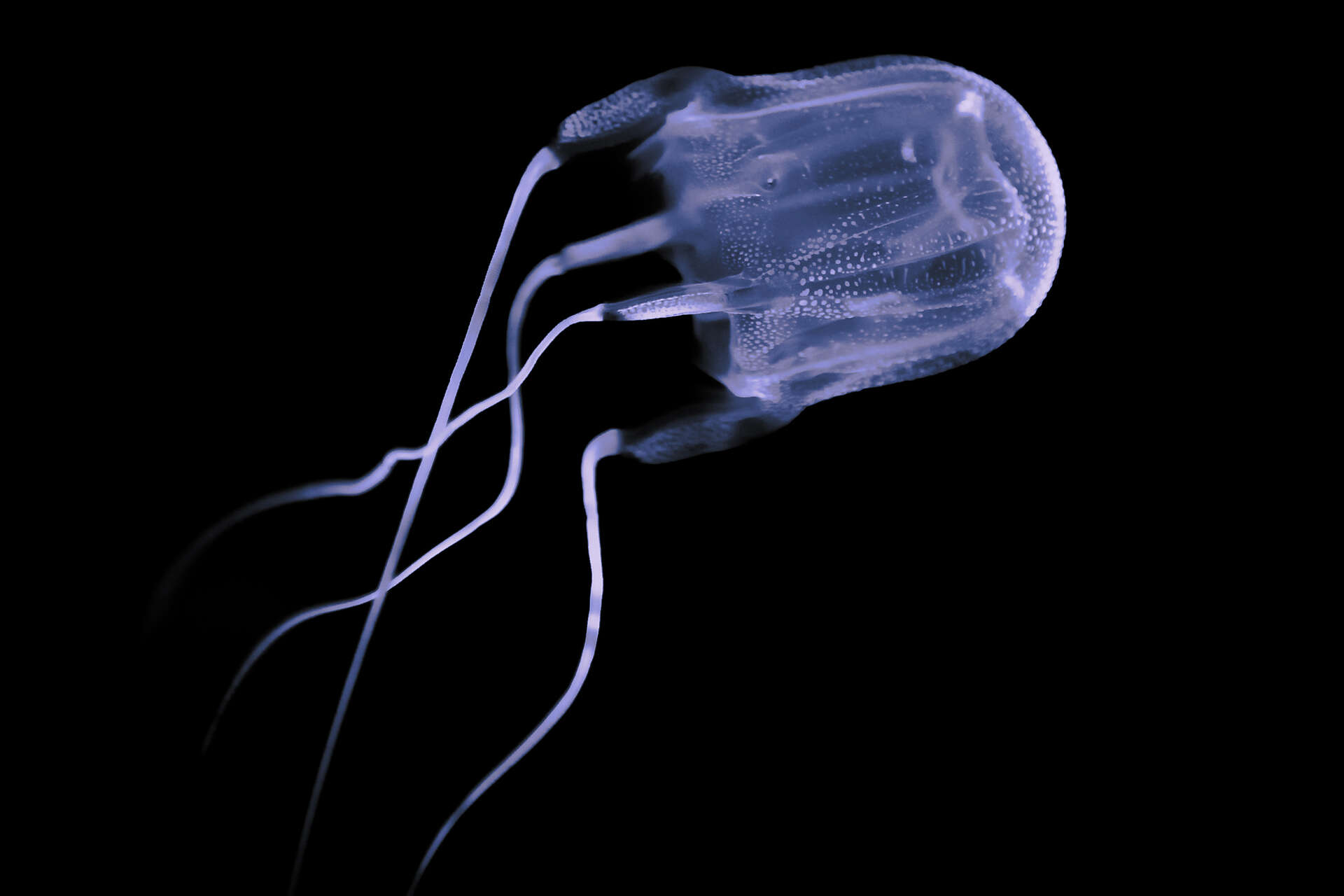
Yes, box jellyfish are present in Hawaii and appear predictably in large numbers along south-facing shores approximately 8 to 12 days after a full moon. While the Hawaiian species (Alatina alata) is significantly less lethal than its Australian counterparts, its sting remains extremely painful and requires specific first-aid protocols.
Hawaii’s pristine waters are a primary draw for millions of visitors annually, but the presence of the box jellyfish remains a critical safety consideration for swimmers, surfers, and snorkelers. In 2026, as ocean temperatures and lunar cycles continue to dictate marine behavior, understanding the specific patterns of these translucent invertebrates is essential for anyone entering the Pacific. Unlike many other marine hazards that are sporadic or accidental, the arrival of box jellyfish in Hawaii follows a remarkably consistent biological clock.
The Species: Meet the Hawaiian Box Jellyfish
The primary species encountered in Hawaiian waters is Alatina alata, formerly classified as Carybdea alata. While often referred to colloquially as "box jellies," they are distinct from the Chironex fleckeri found in Northern Australia, which is one of the most venomous creatures on Earth.
The Hawaiian box jellyfish is characterized by its cuboidal or "box-shaped" bell, which typically grows to about 2 to 3 inches in length. From the corners of this bell, four long, retractable tentacles extend, which can reach lengths of several feet when fully deployed. These tentacles are lined with millions of microscopic stinging cells called nematocysts.
One of the most fascinating—and dangerous—aspects of the box jellyfish is its sensory capability. Unlike "true" jellyfish, which drift aimlessly, box jellyfish have 24 eyes located in four clusters called rhopalia. These eyes allow them to detect light and dark, and even form basic images, enabling them to actively swim toward or away from objects rather than simply drifting with the current.
The Lunar Cycle: Why and When They Appear
The most critical piece of information for any beachgoer in Hawaii is the box jellyfish calendar. Their presence is not random; it is a synchronized spawning event.
Approximately 8 to 12 days after a full moon, these jellyfish migrate from the deep ocean toward the shallow reefs to spawn. This cycle is so consistent that the City and County of Honolulu, along with the Waikiki Aquarium, publish annual prediction calendars to warn the public.
During these peak "jellyfish days," thousands of individuals may be pushed into shorelines by the prevailing winds and tides. The influx typically lasts for two to three days. In 2026, ocean safety officials continue to emphasize that even if you do not see a jellyfish in the water, the presence of broken tentacles—which can still sting—is a high risk during these windows.
Why the South Shore?
While box jellyfish can theoretically appear anywhere in the archipelago, they are most frequently reported on the south-facing shores of Oahu. The geography of the islands and the direction of the trade winds often funnel these organisms into specific areas. Popular spots like Waikiki Beach, Ala Moana Beach Park, and Hanauma Bay are notorious for high concentrations during the lunar influx.
Identifying the Risks: Sting Severity and Symptoms
A sting from a Hawaiian box jellyfish is an immediate, traumatic experience. The venom is designed to paralyze small fish and prey, but in humans, it triggers an intense inflammatory response.
Immediate Symptoms
- Intense Burning: The sensation is often described as being branded with a hot iron or being struck by a whip.
- Red Welts: The skin will often show "ladder-like" red marks where the tentacles made contact.
- Swelling: The affected area may puff up and remain tender for several days.
Systemic Reactions
In some individuals, particularly those with pre-existing allergies or high sensitivity, a sting can lead to more severe symptoms. This is sometimes referred to as "Irukandji-like syndrome," although it is usually less severe than the actual Irukandji stings found in other parts of the world. Symptoms may include:
- Difficulty breathing or shortness of breath.
- Chest pain or heart palpitations.
- Severe muscle cramps or back pain.
- Nausea and vomiting.
If any systemic symptoms appear, it is imperative to seek emergency medical attention immediately. In 2026, Hawaii’s emergency services remain well-equipped to handle marine stings, but rapid response is key to preventing anaphylaxis or cardiac stress.
Essential First Aid: The Vinegar Protocol
The treatment for a box jellyfish sting is often a subject of myth and misinformation. In 2026, the medical consensus based on research from the University of Hawaii remains clear: acetic acid (vinegar) is the primary tool for neutralization.
Step-by-Step Treatment
- Do Not Rub the Area: Rubbing the sting or even touching it with your bare hands will trigger any un-fired nematocysts to release more venom.
- Rinse with Vinegar: Flush the affected area with plain white vinegar for at least 30 seconds. The vinegar does not "cure" the pain already in your system, but it chemically deactivates the stinging cells that haven't fired yet, preventing the injury from getting worse.
- Remove Tentacles: After soaking with vinegar, use tweezers or a gloved hand to carefully pluck away any remaining tentacle fragments.
- Apply Heat or Cold? There is ongoing debate, but many clinical studies suggest that applying heat (as hot as can be tolerated without burning, around 107-115°F) can help denature the venom proteins. However, if heat is unavailable, a cold pack can help manage pain and swelling.
- Monitor for 30 Minutes: Watch for signs of an allergic reaction or respiratory distress.
What to Avoid
- Fresh Water: Never use fresh water on a box jellyfish sting. The change in osmotic pressure causes the nematocysts to explode, releasing a massive second wave of venom.
- Urine: This is a common myth popularized by television. Urine does not have a consistent pH or chemical makeup to neutralize stings and may actually trigger more stings due to its fresh-water content.
- Alcohol or Ammonia: These substances can also trigger nematocyst discharge.
Comparing Hawaii’s Most Common Stinging Marine Life
Swimmers often confuse box jellyfish with other marine hazards. Understanding the differences is vital for correct treatment and risk assessment.
| Feature | Hawaiian Box Jellyfish (Alatina alata) | Portuguese Man-o-War (Physalia utriculus) |
|---|---|---|
| Appearance | Translucent, box-shaped bell, four tentacle clusters. | Blue/purple gas-filled float, long trailing tentacles. |
| Primary Location | South-facing shores (Waikiki, Ala Moana). | Windward (East) shores (Kailua, Lanikai). |
| Arrival Pattern | Predictable: 8–12 days after a full moon. | Unpredictable: Driven by strong onshore trade winds. |
| Sting Sensation | Deep, burning pain; potential for systemic reaction. | Sharp, stinging "electric" pain; localized welts. |
| Best Treatment | Vinegar (Acetic acid). | Vinegar (though some debate remains for Man-o-War). |
| Water Level | Often submerged and hard to see. | Floats on the surface; visible blue bubble. |
Prevention and Safe Practices
For those visiting Hawaii in 2026, "jellyfish days" do not necessarily mean you have to stay out of the water entirely, but they do require a higher level of vigilance and preparation.
Check the Calendar
Before planning a heavy beach day or a snorkeling excursion, consult the Waikiki Aquarium Box Jellyfish Calendar. If you are within the 8-to-12-day window following a full moon, assume that box jellyfish are present on south-facing shores.
Look for Signs
Hawaii’s Ocean Safety and Lifeguard Services are proactive. Look for yellow or red signs posted on the sand that explicitly state "Box Jellyfish Warning" or "Man-o-War Warning." Lifeguards also maintain a daily count; if you see a sign, the risk is real and documented.
Wear Protective Clothing
If you must enter the water during a known influx, wear a full-body rash guard or a stinger suit. Most box jellyfish tentacles cannot penetrate the synthetic fibers of a standard Lycra or neoprene suit. Even a thin layer provides a physical barrier that prevents the nematocysts from making contact with your skin.
Swim Near Lifeguard Towers
Always swim at guarded beaches. Lifeguards in Hawaii are first-responder trained and keep large containers of vinegar at their towers. If you are stung, they can provide immediate assistance and assess whether you need an ambulance.
The Ecological Role of Box Jellyfish
While they are viewed primarily as a nuisance to humans, box jellyfish are a vital part of the Hawaiian marine ecosystem. They serve as both predator and prey. They consume small larval fish and crustaceans, helping to regulate the population of these species near the reef. In turn, they are a food source for certain species of sea turtles, particularly the Green Sea Turtle (Honu), which has specialized throat structures that allow it to eat stinging jellies without injury.
The predictability of their migration has also made them a subject of intense scientific study at the University of Hawaii at Manoa. Researchers are studying the protein structure of their venom to develop better antivenoms and to understand how climate change and rising ocean temperatures might affect their breeding cycles in the coming decades.
Frequently Asked Questions
Are Hawaiian box jellyfish stings lethal?
While the sting is exceptionally painful and can cause severe systemic reactions in sensitive individuals, deaths from Alatina alata in Hawaii are extremely rare. Most cases are managed with first aid and, in some instances, antihistamines or pain medication. However, those with heart conditions or severe allergies should exercise extreme caution.
Can I swim at night during a box jellyfish influx?
Swimming at night during an influx is highly discouraged. Box jellyfish are attracted to light (including the lights of Waikiki hotels reflecting on the water) and are much harder to spot in the dark. Many stings occur during night swims or early morning sessions before lifeguards are on duty.
What is the best month to avoid box jellyfish in Hawaii?
There is no specific "jellyfish-free" month in Hawaii. Because their arrival is tied to the lunar cycle, they appear year-round. However, they are often more noticeable during the summer months when the south swell is active and more people are in the water on the south-facing beaches.
If I am stung, should I go to the emergency room?
Most stings do not require an ER visit. If the pain is localized and you have no trouble breathing, vinegar and a hot soak are usually sufficient. You should go to the ER if you experience chest pain, difficulty swallowing, widespread hives, or if the person stung is a small child or elderly individual showing signs of extreme distress.
Does "Jellyfish Sting Relief" spray work?
Many over-the-counter sprays are essentially diluted vinegar or lidocaine. While they can be convenient, a simple bottle of white vinegar is often more effective and significantly cheaper. Ensure any product you buy specifically mentions Alatina alata or box jellyfish, as some "sting reliefs" are formulated for sea lice or other organisms and may not be effective.
Final Recommendations for 2026 Travelers
If you are planning a trip to Hawaii in 2026, your best defense against box jellyfish is awareness. Check the lunar calendar before you arrive and identify which days fall into the high-risk window. If your vacation coincides with a box jellyfish influx, consider exploring the North Shore or the Windward side during those specific days, as the jellyfish are rarely found there in high concentrations. Always carry a small bottle of vinegar in your beach bag—it is a simple addition that can turn a potential medical emergency into a manageable inconvenience.