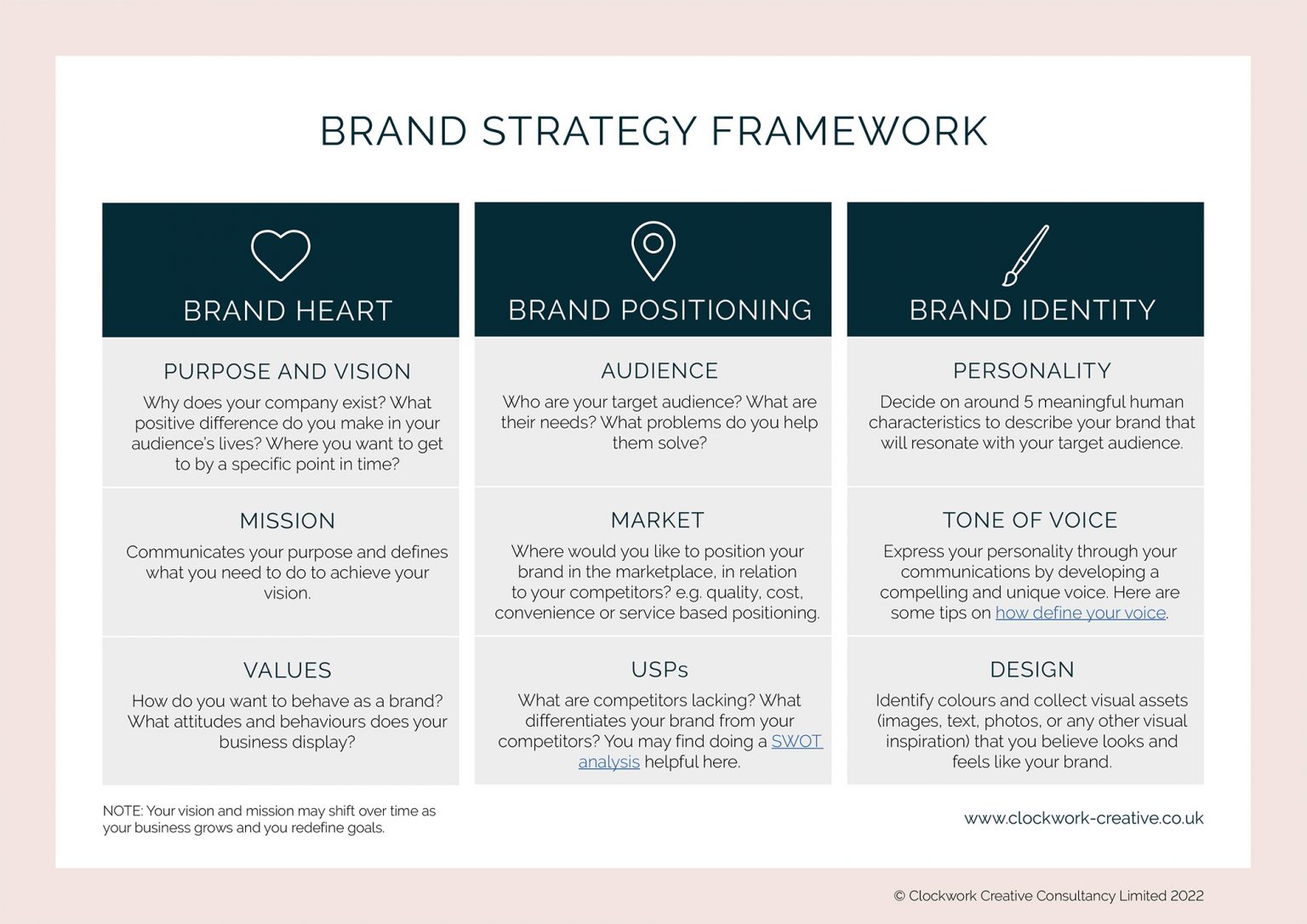
An effective Atlanta branding strategy is a comprehensive framework that aligns a business’s identity with the specific cultural, economic, and demographic nuances of the Atlanta metropolitan area. To succeed in 2026, brands must move beyond generic marketing and integrate hyper-local engagement, diverse representation, and data-driven digital presence to resonate with the city’s unique mix of corporate professionals, creative entrepreneurs, and long-standing local communities.
Building a brand in Atlanta requires more than a high-quality logo or a catchy slogan. As the commercial capital of the Southeast and a global hub for industries ranging from fintech and film to logistics and beverage manufacturing, Atlanta presents a complex market. A brand that succeeds in Midtown may struggle in Alpharetta or the Westside if it does not adapt its messaging. This guide explores the foundational pillars of an Atlanta branding strategy, the technical steps for implementation, and the specific market conditions that define the city in 2026.
The Evolution of the Atlanta Market in 2026
By 2026, Atlanta’s economy has solidified its position as a "top-tier global gateway." The city continues to attract major corporate relocations, while its status as the "Hollywood of the South" has created a permanent creative class that influences consumer behavior. Understanding these dynamics is the first step in any branding exercise.
The demographic shift towards a younger, more tech-savvy population—fueled by the growth of Georgia Tech’s "Anthem" ecosystem and the sprawling Beltline developments—has changed how brands must communicate. In 2026, the Atlanta consumer expects high-tech convenience paired with "Old South" hospitality. This duality is the cornerstone of successful local branding. Furthermore, with the ongoing expansion of the Hartsfield-Jackson International Airport’s cargo and passenger capacities, brands are increasingly using Atlanta as a springboard for national and international scaling.
Core Pillars of a Successful Atlanta Branding Strategy
To build equity in the Atlanta market, a strategy must rest on four specific pillars: Cultural Authenticity, Hyper-Local SEO, Community Integration, and Technological Fluency.
Cultural Authenticity and Representation
Atlanta is often referred to as a "Black Mecca" and a hub for civil rights history. Authentic representation is not just a diversity initiative; it is a business imperative. Branding that feels "carpetbagger"—appearing to be an outsider trying to capitalize on local trends without understanding the history—is often met with skepticism.
Brands should focus on:
- Vernacular and Visuals: Utilizing local landmarks (The Krog Street Tunnel, The Fox Theatre, or the Ponce City Market) and regional dialects in a way that feels organic.
- Historical Context: Acknowledging the city's heritage, from its railroad roots to its role in the 1996 Olympics and beyond.
- Inclusivity: Ensuring marketing materials reflect the actual demographic makeup of the 11-county metro area.
Hyper-Local SEO and Digital Presence
In a city with notorious traffic and distinct neighborhoods, "Atlanta" is often too broad a search term. A 2026 branding strategy must utilize neighborhood-level targeting. This involves optimizing for terms like "Buckhead boutique branding" or "Midtown fintech marketing."
Technical SEO for Atlanta brands involves managing local citations, ensuring Google Business Profile (GBP) accuracy across multiple locations, and generating reviews that mention specific Atlanta neighborhoods. This helps in capturing the "near me" intent which remains the primary driver of retail and service-based traffic.
Community Connectivity
Atlanta is a city of "who you know." Branding strategies should include a physical presence component. This might involve sponsoring a local "Lanta" festival, partnering with the Atlanta Beltline Lantern Parade, or hosting workshops in the Tech Square area. Being "seen" in the community builds a level of trust that digital ads cannot replicate.
Implementing the Atlanta Branding Framework
Developing a brand in this market follows a tiered process. Each phase builds upon the previous to ensure the final identity is both robust and flexible.
Phase 1: Psychographic and Geographic Segmentation
Atlanta is not a monolith. A strategy must segment the audience based on their specific relationship with the city.
- The In-Town Creative: Focus on sustainability, urban mobility, and "vibe."
- The Suburbs/OTP (Outside the Perimeter): Focus on family values, convenience, and status.
- The Corporate Professional: Focus on efficiency, networking, and high-end aesthetics.
Research should utilize data from the Atlanta Regional Commission to understand population shifts and economic forecasts for the 2026–2030 period.
Phase 2: Visual and Verbal Identity Development
The visual language of an Atlanta brand in 2026 often leans toward "Modern Industrial" (reflecting the city’s warehouse conversions) or "Polished Corporate." Your color palettes and typography should reflect the industry while nodding to local aesthetics. For example, the "peach" motif is a classic, but in 2026, many brands are opting for more sophisticated greens and earthy tones that reflect the "City in a Forest" moniker.
Phase 3: Channel Selection and Content Strategy
Where you tell your story matters as much as what you say.
- LinkedIn: Essential for the B2B tech and logistics sectors in Alpharetta and Buckhead.
- Instagram/TikTok: Crucial for lifestyle brands, leveraging the high density of influencers and content creators in the city.
- Local News Outlets: Partnering with legacy publications like the Atlanta Journal-Constitution or newer digital platforms like Rough Draft Atlanta to build local authority.
Comparison of Atlanta Branding Approaches by Sector
The following table illustrates how branding strategies differ across the city’s major industries in 2026.
| Industry Sector | Primary Target Audience | Messaging Tone | Key Branding Channels | Estimated Time to Brand Maturity |
|---|---|---|---|---|
| Fintech & B2B Tech | C-Suite, IT Decision Makers | Authoritative, Innovative | LinkedIn, Industry Whitepapers, Tech Square Events | 12–18 Months |
| Film & Creative Services | Producers, Art Directors | High-Aesthetic, Collaborative | Instagram, Portfolio Sites, Industry Mixers | 6–12 Months |
| Retail & Hospitality | Local Residents, Tourists | Welcoming, Culturally Aware | Local SEO, Influencer Partnerships, Yelp/GBP | 3–6 Months |
| Real Estate & Development | Investors, New Residents | Visionary, Community-Oriented | Outdoor Signage, Virtual Reality Tours, Local PR | 18–24 Months |
Strategic Resource Allocation and Budgeting
Budgeting for an Atlanta branding strategy depends heavily on the scale of the "footprint." A local boutique might focus its resources on high-quality photography and localized social media ads, whereas a multi-location enterprise must invest in a robust SEO architecture and traditional media buys.
In 2026, we recommend a 60/40 split for most Atlanta-based businesses:
- 60% Digital: Paid search, social media management, SEO, and email marketing.
- 40% Local/Experiential: Event sponsorships, local PR, physical collateral, and community partnerships.
Costs for a comprehensive brand overhaul in the Atlanta market typically range from $15,000 for small businesses to over $250,000 for mid-market firms seeking a total market penetration strategy. These figures account for market research, identity design, and the initial six months of activation.
Navigating Potential Pitfalls in the Atlanta Market
Even with a well-funded strategy, certain mistakes can derail a brand's progress in Georgia's capital.
- Over-Generalization: Treating "The South" as a single entity. Atlanta is a cosmopolitan international city; its branding should reflect sophistication, not stereotypes.
- Ignoring the "Intown" vs. "OTP" Divide: Messaging that works in Decatur may fall flat in Marietta. A successful strategy acknowledges these cultural micro-climates.
- Inconsistent Voice: Many brands attempt to use "street" terminology or local slang without a deep understanding of its origins, leading to a perception of inauthenticity.
- Neglecting Mobile Optimization: With a high population of commuters, Atlanta consumers interact with brands primarily via mobile devices while in transit or at local cafes.
The Role of Agencies vs. In-House Teams
Deciding whether to build an Atlanta branding strategy in-house or hire a local agency is a critical decision. In 2026, the complexity of local SEO and the importance of deep-rooted community connections often favor local agencies. Agencies based in the city (specifically those in the Midtown and Westside areas) have their "pulse on the street" and can pivot strategies quickly as local trends evolve.
However, for established corporations, an in-house team that works alongside a local consultant can provide a balance of global brand consistency and local relevance.
Frequently Asked Questions
What makes an "Atlanta" brand different from a national brand?
An Atlanta brand is defined by its ability to balance global competitiveness with local accessibility. While a national brand uses broad strokes, an Atlanta brand engages with the specific geography, history, and social fabric of the metro area, often incorporating local landmarks, neighborhood-specific events, and the city’s unique "hustle" culture into its identity.
How much should I focus on the "Peach State" imagery?
In 2026, the "peach" remains a powerful symbol of Georgia, but it is often used more subtly. Modern branding strategies use the peach as an accent or a clever nod rather than the centerpiece. Over-reliance on traditional state symbols can make a brand appear dated or lack creativity, especially in the high-tech and film sectors.
Is it necessary to have a physical office in Atlanta for the brand to be successful?
While not strictly necessary for e-commerce or SaaS brands, a physical presence significantly boosts brand trust in the Atlanta market. Even a "virtual" presence through local event sponsorships or participation in organizations like the Metro Atlanta Chamber of Commerce can establish the necessary local roots to be considered an "Atlanta brand."
How do I measure the success of my local branding strategy?
Success should be measured through a combination of quantitative and qualitative data. Key metrics include:
- Share of Voice (SOV): How often your brand is mentioned in local media and social conversations compared to competitors.
- Local Search Visibility: Your ranking in the Google "Local Pack" for target neighborhood keywords.
- Brand Sentiment: Analysis of reviews and social media comments to determine if the local community views the brand as authentic and valuable.
- Conversion Rate by Geography: Tracking if leads are coming from your targeted metro Atlanta ZIP codes.
How has the Atlanta film industry impacted local branding?
The film industry has turned Atlanta into a high-visibility city. Brands can now leverage "set locations" or local production partnerships as part of their story. This "Hollywood of the South" connection adds a layer of glamour and modernization to any Atlanta-based brand, making it more appealing to a national audience.
Next Steps for Your Atlanta Branding Strategy
To begin your journey, conduct a Brand Audit of your current presence within the metro area. Identify where your messaging is too generic and where it fails to connect with specific Atlanta neighborhoods.
The next action should be a Local Competitive Analysis. Look at the top three performers in your industry within the Atlanta market. Analyze their community involvement, their local SEO keywords, and their visual tone. Use this data to carve out a unique position that honors Atlanta’s heritage while looking toward its future as a global leader in 2026 and beyond.