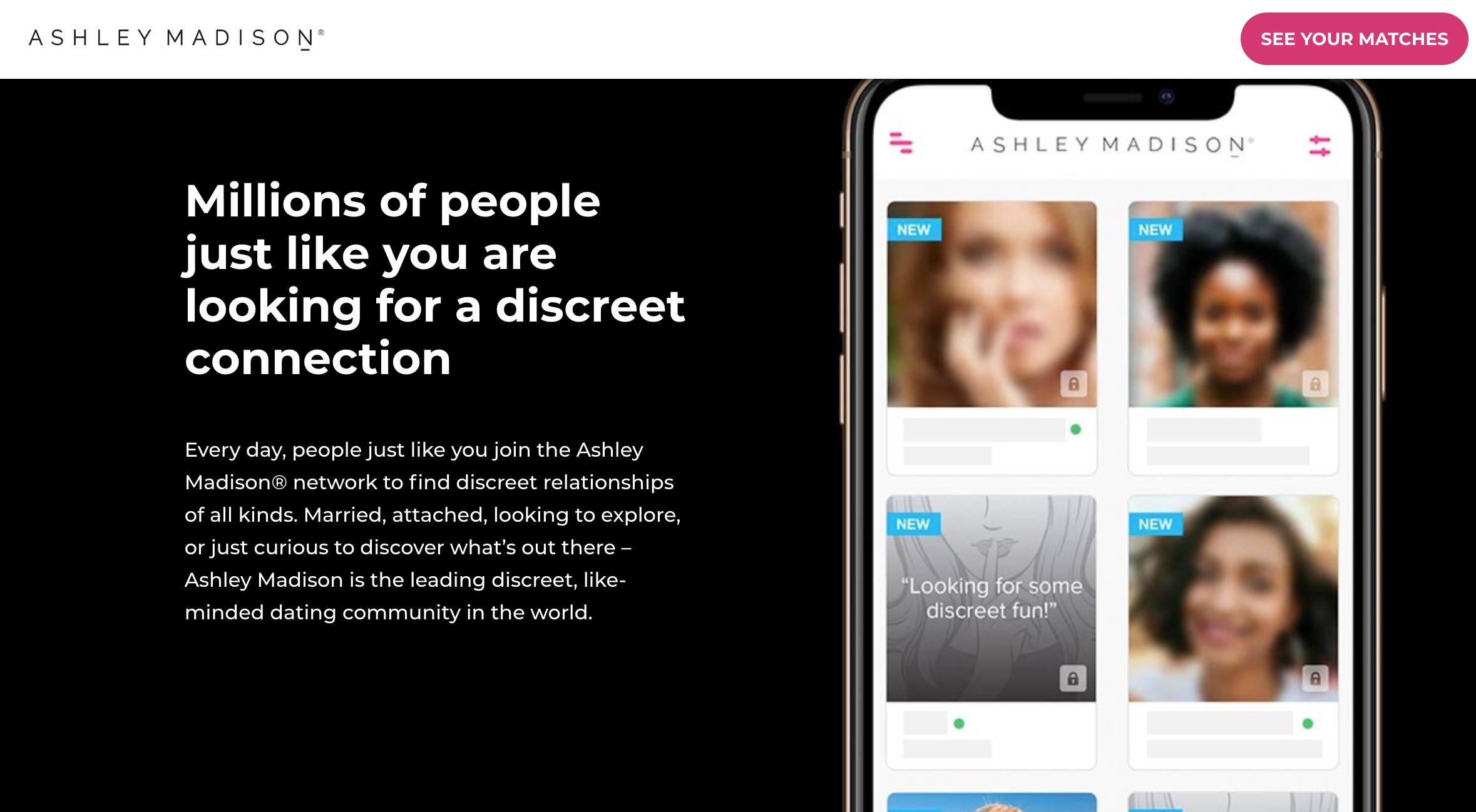
As of 2026, Ashley Madison remains the world’s most prominent platform for extramarital affairs, reporting over 80 million members globally despite a history marred by catastrophic data breaches and legal scrutiny. Its survival is attributed to aggressive rebranding and a pivot toward "discreet dating" for various relationship types, though significant questions regarding gender ratios, bot usage, and user privacy persist.
The Evolution of Ashley Madison: From Scandal to Resurgence
To understand the current state of Ashley Madison in 2026, one must look at its trajectory from a niche Canadian startup to a global pariah, and finally to its current status as a resilient, albeit controversial, tech entity. Founded in 2001 with the provocative slogan, "Life is short. Have an affair," the site was designed specifically to facilitate infidelity. For over a decade, it operated with relative obscurity in the mainstream until the 2015 "Impact Team" hack fundamentally altered the landscape of digital privacy.
The 2015 breach saw the personal data of over 32 million users leaked onto the dark web. This included real names, home addresses, search histories, and credit card transaction records. The fallout was devastating, leading to high-profile divorces, extortion attempts, and reported suicides. However, rather than folding under the weight of litigation and public outcry, the parent company—formerly Avid Life Media, rebranded as Ruby Life Inc.—embarked on a massive corporate restructuring.
By 2026, the platform has largely moved past the immediate trauma of the 2015 event by capitalizing on the short memory of the digital age and a global increase in non-traditional relationship structures. The platform now markets itself not just to those seeking affairs, but to individuals in "open marriages" or those seeking "discreet connections" without the intent of leaving their primary partners.
Membership Dynamics: Growth and Demographic Shifts
One of the most perplexing aspects of Ashley Madison is its continued growth. According to company reports, the platform adds several million new accounts annually. However, the nature of these memberships has shifted significantly over the last decade.
Geographic Expansion
While the United States, Canada, and the United Kingdom remain the core markets, Ashley Madison has seen a surge in membership across Latin America and Southeast Asia. In 2026, markets like Brazil and Mexico represent some of the fastest-growing demographics for the site. This expansion is often attributed to localized marketing campaigns that tap into cultural shifts regarding monogamy and digital anonymity.
The Gender Balance Debate: Real Users vs. Bots
The most persistent controversy regarding Ashley Madison’s membership is the ratio of men to women. During the 2015 leak, data analysis suggested that an overwhelming majority of female profiles were either inactive or "engagement bots" created by the company to entice paying male members.
In 2026, Ruby Life Inc. maintains that its gender ratio has improved, often citing a "1 to 1" or "nearly equal" sign-up rate in certain jurisdictions. However, independent researchers and former users often dispute these claims. The platform's business model—where men must purchase "credits" to send messages while women can use the site for free—inherently incentivizes the creation of female-leaning content to drive revenue.
Key membership factors in 2026 include:
- The "Curiosity Factor": High-profile media coverage, including the 2024 Netflix documentary Ashley Madison: Sex, Lies & Scandal, ironically led to a spike in "ironic" or "curiosity" sign-ups.
- Polyamory Integration: A segment of the growth is attributed to the "Ethical Non-Monogamy" (ENM) movement, where users seek a platform that already filters for people who are not looking for traditional dating.
- Verification Hurdles: While the site offers "identity verification" badges, many users opt for total anonymity, making it difficult to distinguish between genuine users and sophisticated AI-driven bots.
Analyzing the Controversies: A Legacy of Risk and Litigation
The controversies surrounding Ashley Madison are not merely historical footnotes; they are ongoing issues that define the platform’s operational risks in 2026.
The 2015 Data Breach and Its Legal Tail
The 2015 breach resulted in an $11.2 million class-action settlement in the United States and a $1.6 million settlement with the Federal Trade Commission (FTC). While these financial penalties were relatively small compared to the company’s revenue, they established a precedent for how dating sites must handle "PII" (Personally Identifiable Information). In 2026, the company continues to face sporadic litigation regarding how it handles the "Full Delete" feature—a paid service that supposedly scrubs a user's data but was found to be incomplete during the initial hack.
Allegations of Fictional Engagement (Bots)
The use of "hostess bots" remains a central point of contention. These are automated programs designed to look like real women who send "winks" or short messages to new male users, prompting them to spend credits to reply. While Ruby Life Inc. claimed to have phased out these bots following the FTC settlement, many tech analysts in 2026 point to the integration of advanced LLMs (Large Language Models) as a new frontier for "virtual engagement" that blurs the line between human interaction and algorithmic retention tactics.
Privacy and Security Protocols in 2026
In response to its past failures, Ashley Madison has implemented some of the most stringent—and complex—security measures in the dating industry. These include:
- Anonymous Billing: Ensuring that credit card statements do not display the "Ashley Madison" name, using generic corporate aliases instead.
- Masking Tools: Features that allow users to blur their photos or add digital masks, which can only be removed for specific "trusted" contacts.
- Two-Factor Authentication (2FA): Now a standard requirement for all accounts to prevent unauthorized access.
Comparing Ashley Madison to Discreet Dating Alternatives
Despite the controversies, Ashley Madison remains the market leader. The following table compares its current 2026 standing with its primary competitors in the discreet dating space.
| Platform | Primary Focus | Revenue Model | Key Privacy Feature | Market Sentiment |
|---|---|---|---|---|
| Ashley Madison | Extramarital / Discreet | Credit-based (Men) | Anonymous Billing / Photo Masking | High-risk, high-reward; massive user base. |
| Gleeden | Affairs (Women-led) | Credit-based | "Panic Button" (Quick exit) | Popular in Europe; perceived as more "classy." |
| Victoria Milan | Affairs / Long-term | Subscription | Anonymous profile blurring | Strong presence in Scandinavia and Benelux. |
| AdultFriendFinder | Casual sex / Swingers | Subscription | Encrypted private galleries | Less focused on "discretion," more on "openness." |
| Pure | Anonymous Hookups | Subscription | Self-destructing chats | High appeal for Gen Z; minimal data retention. |
The "Documentary Effect" and Cultural Perception
A significant shift in membership and public discourse occurred following the release of various investigative documentaries in the mid-2020s. These programs highlighted the technical vulnerabilities of the site but also humanized the users, moving the conversation from "moral failing" to "digital vulnerability."
In 2026, the cultural perception of Ashley Madison is paradoxical. It is widely mocked and viewed with suspicion, yet it remains a multi-million dollar enterprise. This suggests that the human desire for secrecy and exploration often outweighs the logical fear of data exposure. The platform has successfully rebranded "infidelity" as "self-discovery" or "discreet exploration," which has helped attract a younger demographic that views traditional marriage through a more cynical or flexible lens.
Technical Specifications: How the Platform Operates in 2026
For those considering the platform, understanding the technical and financial requirements is essential for managing risk.
- Account Creation: Users can sign up with a "throwaway" email address. The platform recommends not using any email linked to social media or work.
- Credit System: Unlike Tinder or Bumble, Ashley Madison does not use a monthly subscription for its primary features. Men buy packages of credits (e.g., 100, 500, or 1,000 credits). Sending a message or initiating a chat costs a specific number of credits.
- The "Full Delete" Feature: For a fee (approximately $19.99 in 2026), users can request a total deletion of their profile. The company claims this removes all messages, photos, and usage history from their active servers, though metadata required for financial auditing (tax purposes) may remain in offline archives for a set period.
- Priority Man: A premium feature that ranks a male user’s profile higher in search results, designed to combat the "sea of profiles" and the gender imbalance issue.
Managing the Risk of Discreet Platforms
The ongoing controversies highlight that no platform is 100% secure. Users in 2026 are advised to follow a protocol of "Digital Hygiene" when using Ashley Madison or similar services:
- Use a Dedicated Device: Avoid accessing the site on a work computer or a shared family iPad.
- Prepaid Payment Methods: Using a prepaid credit card or a digital wallet service can provide an extra layer of separation from primary bank accounts.
- Virtual Private Networks (VPNs): Accessing the site through a VPN hides the user's IP address from the platform’s own logs, providing a defense against future "Impact Team" style leaks.
- Avoid PII in Bio: Never include a real name, specific workplace, or recognizable landmarks in photos.
FAQ
Is Ashley Madison still using bots in 2026?
While Ruby Life Inc. officially maintains that they do not use bots to deceive paying members, the presence of "engagement algorithms" remains a point of debate. Many users report receiving "winks" from profiles that never respond to messages, a tactic often used to encourage the purchase of credits. However, the sophisticated AI profiles seen today are often the result of third-party scammers rather than the platform itself.
Can I actually delete my data from Ashley Madison?
The "Full Delete" feature is designed to remove your visible profile and message history. However, after the 2015 leak, it was revealed that data often persisted in backups. In 2026, the company is subject to stricter data privacy laws like GDPR and CCPA, which legally require them to honor deletion requests, though financial transaction records must be kept for a period of seven years for legal compliance.
How much does Ashley Madison cost in 2026?
Membership for women is generally free. For men, the site operates on a credit system. As of 2026, credit bundles typically range from $59 to $250, depending on the volume. Credits are consumed by sending messages, opening "collect" messages, and using premium features like "Priority Man."
Is it safe to use my real credit card?
Ashley Madison uses anonymous billing, meaning the name "Ashley Madison" will not appear on your statement. However, the transaction still exists. For maximum security, many experts suggest using a single-use virtual card or a prepaid card that is not linked to your primary identity.
What happened to the hackers from the 2015 breach?
The "Impact Team," the group responsible for the 2015 breach, was never publicly identified or prosecuted. This remains one of the greatest "cold cases" in the history of cybercrime and serves as a reminder of the permanent risks associated with storing sensitive personal data on central servers.
Practical Recommendation
If you are considering using Ashley Madison in 2026, the most practical action is to prioritize anonymity over convenience. Start by creating a completely isolated digital identity—using a non-identifiable email, a VPN, and a blurred profile picture. Assume that any data you upload could theoretically become public in the event of a future security breach. While the platform has significantly upgraded its defenses, the history of Ashley Madison proves that the nature of "discreet" services makes them a perpetual target for hackers.