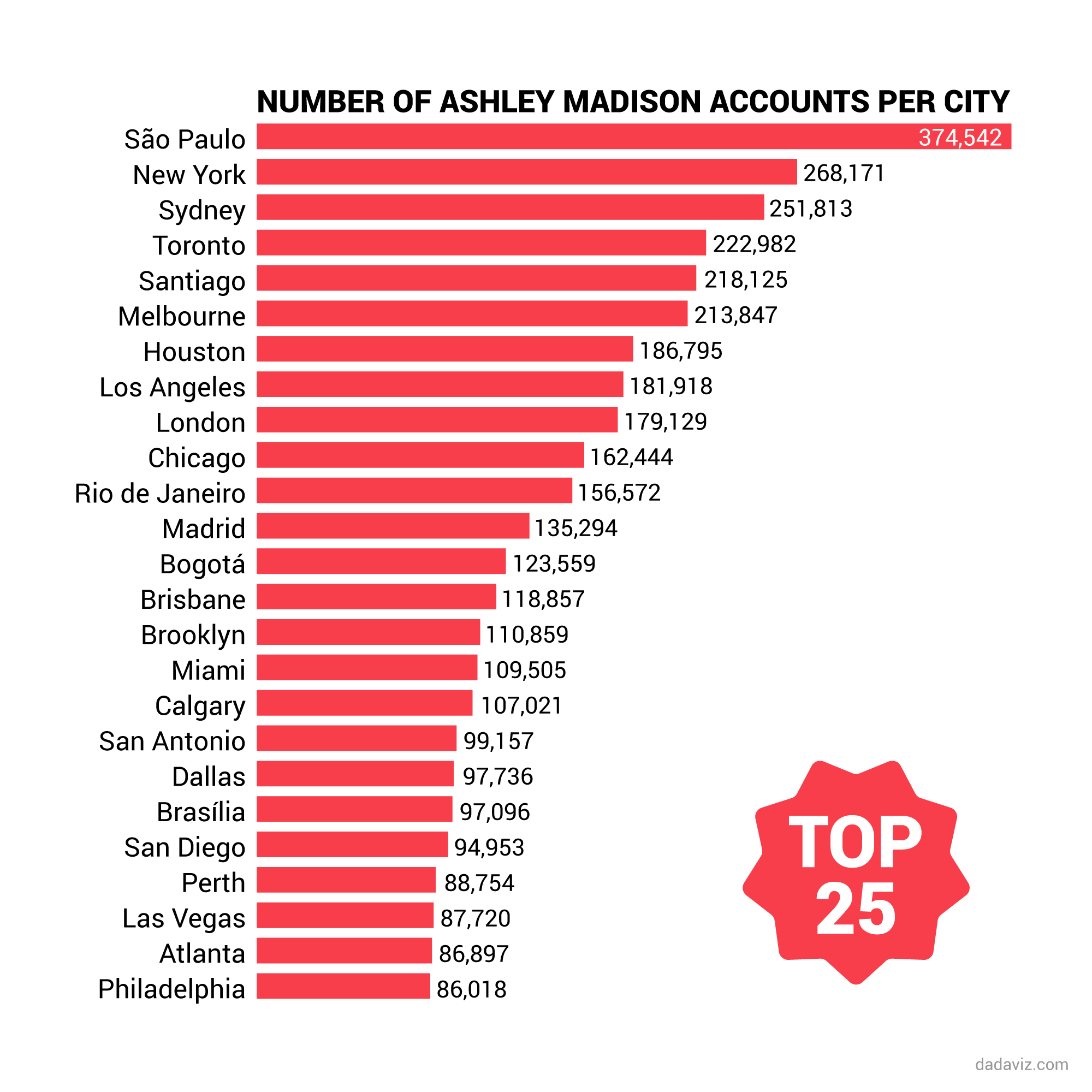
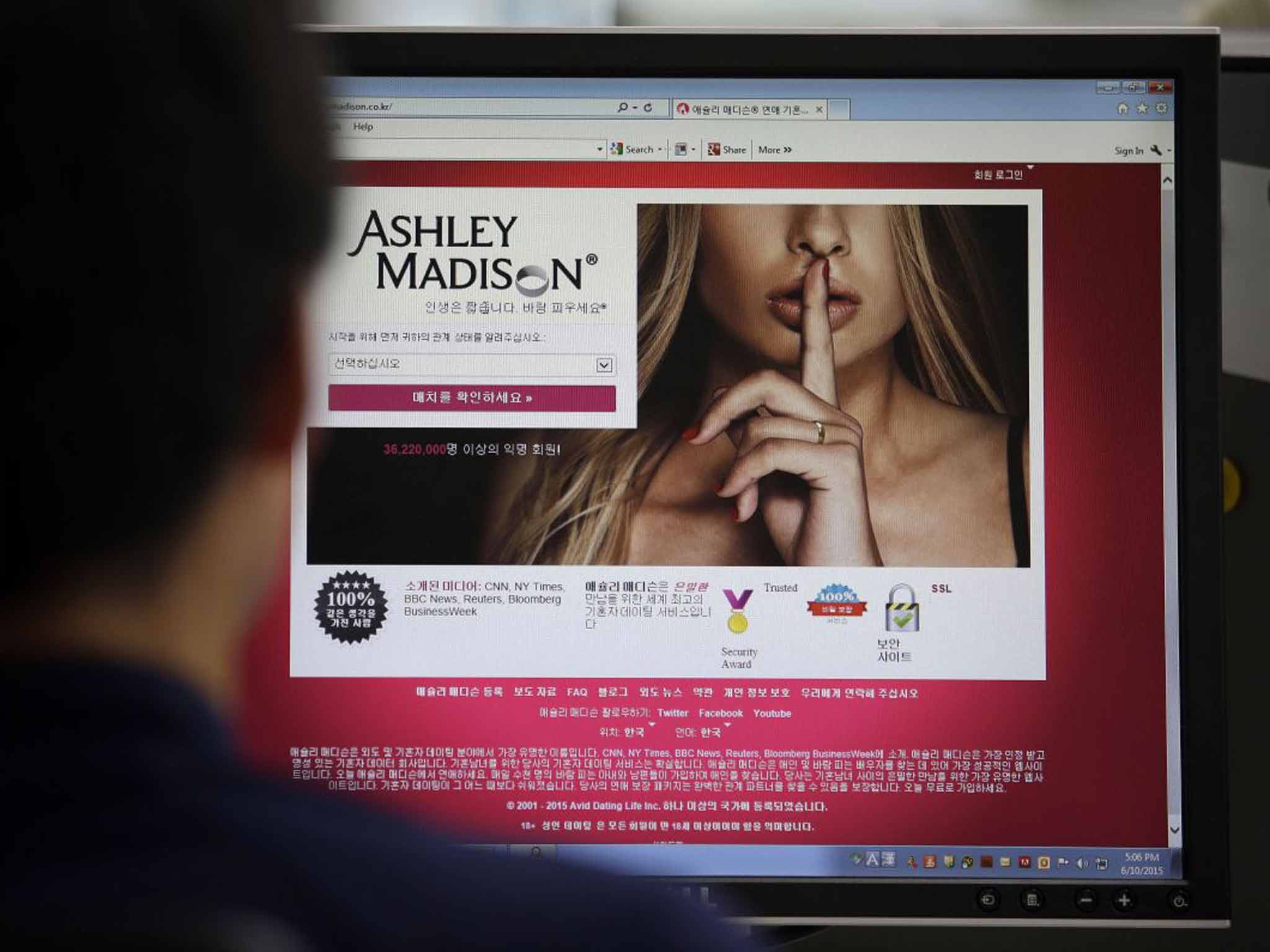
The Ashley Madison hack list refers to the massive 2015 data leak of over 32 million users from the extramarital affairs website. Orchestrated by a group calling itself "The Impact Team," the leak exposed names, email addresses, home addresses, and credit card transaction records, leading to widespread extortion, public shaming, and significant legal shifts in data privacy.
The Ashley Madison data breach remains one of the most culturally and legally significant events in the history of cybersecurity. Unlike standard financial breaches where the primary risk is monetary theft, this hack targeted the private lives and reputations of millions. In 2026, the data from this leak still circulates in the darker corners of the internet, serving as a cautionary tale about the permanence of digital footprints and the fragility of online anonymity.
The Origins of the Breach: Who and Why?
In July 2015, the parent company of Ashley Madison, Avid Life Media (ALM), discovered that its internal servers had been compromised. A group of hackers known as The Impact Team claimed responsibility. Their motive was not initially financial; instead, it was ideological. The group demanded that ALM shut down Ashley Madison and its sister site, Established Men, citing "fraudulent" business practices and the "failure" of the site’s paid "full delete" feature.
The hackers alleged that Ashley Madison’s $19 "Full Delete" service, which promised to wipe a user’s profile and history entirely, was a lie. They claimed the company retained user data and credit card information regardless of whether the fee was paid. When ALM refused to shut down the sites, The Impact Team followed through on their threat, releasing a massive 9.7-gigabyte compressed file (roughly 32 gigabytes uncompressed) onto the dark web via the Tor network and BitTorrent.
The Technical Failure
The breach was not just a result of a determined adversary but also of systemic security failures within Avid Life Media. Investigations later revealed that the company lacked a dedicated Chief Information Security Officer (CISO) and failed to implement multi-factor authentication (MFA) for its employees. Furthermore, the sensitive data, including passwords, was stored using the MD5 hashing algorithm—a method already considered insecure by 2015—making it relatively easy for researchers and hackers to "crack" millions of passwords within days of the leak.
What Information Was in the Ashley Madison Hack List?
The "list" was not a simple spreadsheet but a complex database containing several tables of sensitive information. Because Ashley Madison did not require email verification at the time of sign-up, the list contained many "dummy" accounts, yet the presence of credit card transaction data provided a high level of verification for millions of others.
The leaked data primarily included:
- Personally Identifiable Information (PII): Real names, street addresses, and GPS coordinates of users.
- Account Details: Username, bcrypt-hashed passwords, and secret questions/answers.
- Financial Records: Seven years’ worth of credit card transactions, including the last four digits of card numbers, billing addresses, and transaction amounts. (Notably, full credit card numbers were not stored, preventing direct financial theft but enabling identity verification).
- Communication Records: Millions of private messages, profile descriptions, and specific sexual preferences.
- Internal Corporate Data: Employee emails, organizational charts, and technical documentation regarding the site’s infrastructure.
The Problem of "Fembots"
One of the most damaging revelations within the leaked data was the evidence that Ashley Madison used "fembots"—automated programs designed to mimic real women. Analysis of the database showed that while there were millions of male profiles, only a tiny fraction of the female profiles belonged to active, real-world users. This supported The Impact Team’s claim that the site was largely a "scam" targeting men.
Comparing Major Data Breaches
To understand the scale and sensitivity of the Ashley Madison hack, it is helpful to compare it with other high-profile breaches.
| Feature | Ashley Madison (2015) | AdultFriendFinder (2016) | Equifax (2017) |
|---|---|---|---|
| Primary Data Type | Personal/Social/Extramarital | Personal/Sexual | Financial/SSNs |
| Number of Records | 32 Million+ | 412 Million | 147 Million |
| Primary Risk | Extortion/Social Ruin | Privacy/Shaming | Identity Theft/Financial |
| Hacker Motive | Ideological/Corporate Sabotage | Unknown/Criminal | State-sponsored (alleged) |
| Long-term Impact | Legal shifts in privacy | Repeated breaches | Massive regulatory fines |
The Social and Personal Fallout
The release of the Ashley Madison hack list triggered a wave of real-world consequences that persisted long after the initial news cycle. Because the data was searchable, third-party websites quickly emerged that allowed anyone to enter an email address to see if it appeared in the leak.
Extortion and Blackmail
For years following the leak, victims were targeted by "sextortion" scams. Criminals used the PII found in the database to send personalized emails to individuals, threatening to reveal their infidelity to spouses, employers, or church congregations unless a ransom (usually in Bitcoin) was paid. Even in 2026, these "credential stuffing" attacks continue, as bad actors combine the Ashley Madison data with more recent leaks to create a more terrifyingly accurate profile of their targets.
Professional and Legal Consequences
High-profile individuals, including government officials and celebrities, were outed by the leak. In some jurisdictions, the appearance of an email address on the list was used as evidence in divorce proceedings or led to the termination of employment in "morality clause" contracts. Tragically, the leak was also linked to several reported suicides, underscoring the extreme psychological toll of public shaming and the loss of privacy.
The Legal and Corporate Aftermath
The breach was a watershed moment for corporate liability regarding data protection. Avid Life Media rebranded as Ruby Life Inc. and faced a barrage of legal challenges.
- FTC and State Settlements: In 2016, the Federal Trade Commission (FTC) and several U.S. states reached a $1.6 million settlement with Ruby Life Inc. over its failure to protect user data and its use of fake profiles.
- Class Action Lawsuits: A massive class-action lawsuit in the United States was settled for $11.2 million in 2017. While this seems like a large sum, when distributed among the millions of affected users, the individual payouts were often less than $20.
- The "Full Delete" Deception: The settlement specifically addressed the fact that the company did not actually delete data for users who paid the $19 fee, cementing this as a landmark case in consumer protection law.
Is the List Still Accessible in 2026?
As of 2026, the original 32GB dump is no longer hosted on mainstream platforms, but it remains permanently accessible on the dark web and within specialized "leaked database" archives used by security researchers and cybercriminals.
Cautionary Note: Searching for or downloading the Ashley Madison hack list is highly discouraged. Many websites claiming to host the list are actually "honey pots" designed to infect the searcher’s computer with malware or further exploit the individuals involved. Furthermore, the ethical and legal implications of accessing stolen private data remain significant.
How to Check Your Exposure Safely
If you are concerned that your information was part of the original 2015 leak, you should use legitimate, non-malicious tools to verify your status.
- Have I Been Pwned (HIBP): This is the industry-standard tool for checking data breach exposure. Created by security researcher Troy Hunt, HIBP allows you to enter an email address or phone number to see if it has been part of any major breach, including Ashley Madison. You can access it at haveibeenpwned.com.
- Identity Monitoring Services: Many modern credit cards and security suites (like Norton or McAfee) offer dark web monitoring that alerts you if your credentials appear in historical or new data dumps.
- Password Managers: Use a password manager to ensure that no password used on Ashley Madison in 2015 is currently in use on any other platform.
Lessons for the Future of Data Privacy
The Ashley Madison hack list serves as a permanent record of the "privacy paradox." It highlights the gap between what users believe is private and the reality of how corporations store and protect that data.
- The Myth of Deletion: Once data is collected, "deleting" it is often a complex, multi-layered process that many companies fail to execute properly.
- Encryption is Non-Negotiable: The use of weak hashing algorithms (like MD5) turned a bad situation into a catastrophe. Modern standards like Argon2 or scrypt are now the baseline.
- Reputational Risk is a Business Risk: For companies dealing in sensitive personal data, a security breach is not just a technical failure but an existential threat to the brand.
Frequently Asked Questions
Can I remove my name from the Ashley Madison hack list?
No. Because the data was released via decentralized networks like BitTorrent and is archived in numerous offline locations, it is impossible to "delete" the information from the internet. You can, however, take steps to secure your current accounts and monitor for extortion attempts.
Was the Impact Team ever caught?
As of 2026, the identities of the individuals behind The Impact Team remain unknown. Despite a $500,000 (CAD) reward offered by Avid Life Media and investigations by the FBI and the Royal Canadian Mounted Police, no arrests have been made in connection to the hack.
Is Ashley Madison still in business?
Yes. Ashley Madison continues to operate under the ownership of Ruby Life Inc. Following the breach, the company implemented much stricter security protocols, including more robust encryption and the removal of the deceptive "Full Delete" fee in its original form.
Should I pay an extortionist who claims to have my data?
Absolutely not. Paying an extortionist confirms that your email is active and that you are susceptible to pressure, which often leads to further demands. Most modern "sextortion" emails are automated and sent to millions; the best course of action is to block the sender and ensure your current accounts have two-factor authentication enabled.
Does the list include photos?
The original 2015 dump included user profile information and messages, but it did not include a centralized "gallery" of photos in the same way it did for text-based data. However, private photos sent via the platform’s messaging system were part of the compromised environment.
Final Recommendations
If you suspect your data was part of the Ashley Madison hack list, the most important action you can take in 2026 is vigilant credential hygiene. Ensure that you are not using any passwords from 2015 on your current email, financial, or social media accounts. Be skeptical of any unsolicited communication that references "old secrets" or uses your PII to threaten you. While the digital record of the breach is permanent, its power to disrupt your life decreases significantly when you employ modern cybersecurity defenses like MFA and encrypted password management.