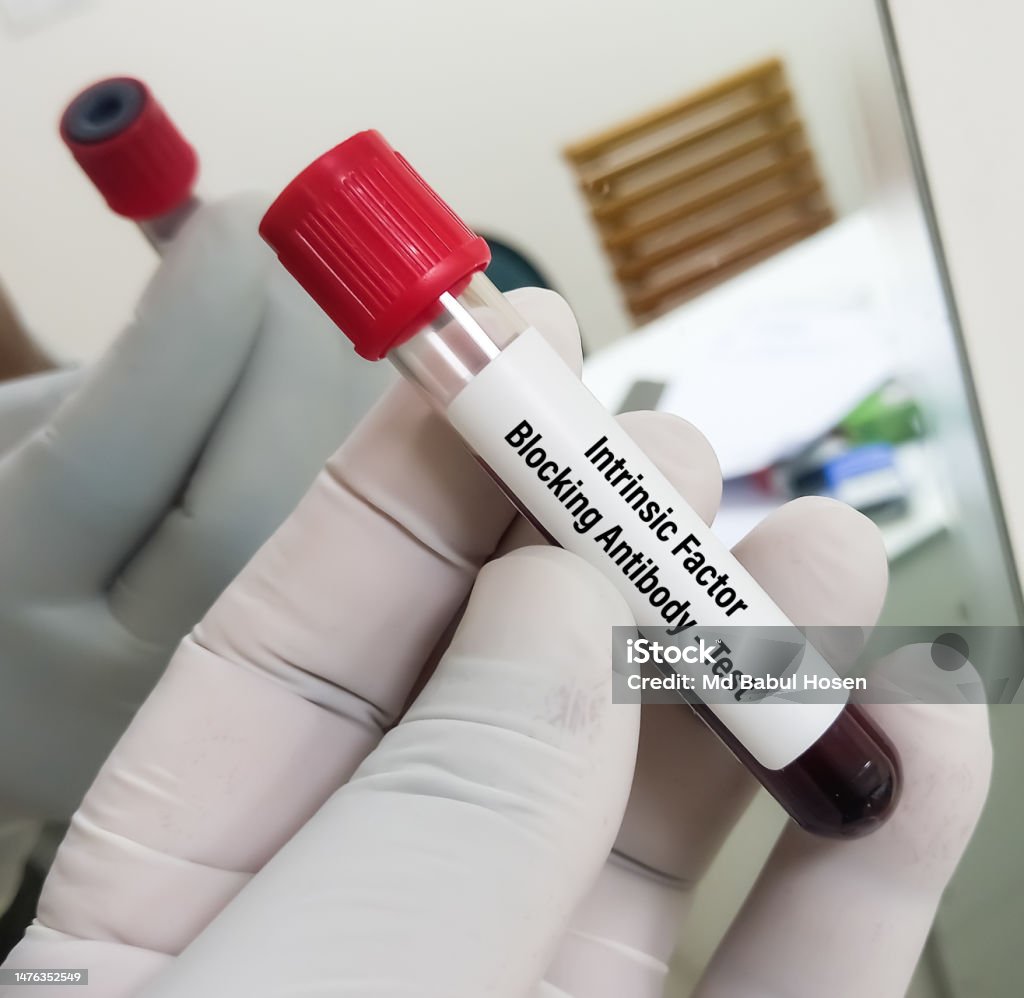
Anti-intrinsic factor antibodies are specialized proteins produced by the immune system that mistakenly attack intrinsic factor, a protein essential for Vitamin B12 absorption. Their presence is a definitive diagnostic marker for pernicious anemia, an autoimmune condition that leads to severe B12 deficiency, megaloblastic anemia, and potential neurological damage if left untreated.
Understanding the Mechanism of Pernicious Anemia
Pernicious anemia (PA) represents the most common cause of Vitamin B12 (cobalamin) deficiency worldwide. Unlike dietary deficiencies, PA is an autoimmune gastric disorder. To understand the role of anti-intrinsic factor (anti-IF) antibodies, one must first understand the normal physiological process of B12 absorption. In a healthy system, Vitamin B12 is released from food proteins by gastric acid and pepsin. It then binds to haptocorrin. As the mixture moves into the small intestine, pancreatic enzymes release the B12, which then binds to intrinsic factor (IF), a glycoprotein secreted by the gastric parietal cells located in the fundus and body of the stomach.
The IF-B12 complex travels to the terminal ileum, where specific receptors (cubilin) recognize the complex and allow for its absorption into the bloodstream. In patients with pernicious anemia, the immune system targets the gastric mucosa, leading to chronic atrophic gastritis. This autoimmune assault results in the destruction of parietal cells and the production of autoantibodies that specifically neutralize intrinsic factor, effectively "locking the door" to B12 absorption regardless of how much vitamin is consumed through the diet.
The Two Types of Anti-Intrinsic Factor Antibodies
Medical science classifies anti-intrinsic factor antibodies into two distinct categories based on how they interfere with the cobalamin absorption pathway. While clinical laboratories often report a single "anti-IF antibody" result, the underlying pathology usually involves one or both of these mechanisms.
Type I: Blocking Antibodies
Type I antibodies are the most prevalent, found in approximately 70% to 90% of patients who test positive for anti-IF antibodies. These are known as blocking antibodies because they physically occupy the binding site on the intrinsic factor molecule where Vitamin B12 would normally attach. By preventing the formation of the IF-B12 complex in the stomach or upper duodenum, these antibodies ensure that the vitamin remains "free" and unable to be recognized by the ileal receptors further down the digestive tract.
Type II: Binding (Precipitating) Antibodies
Type II antibodies are less common and usually occur in conjunction with Type I. These are referred to as binding antibodies. Rather than blocking the B12-binding site, they attach to a different location on the intrinsic factor molecule. This attachment interferes with the ability of the IF-B12 complex to bind to the cubilin receptors in the terminal ileum. Even if the vitamin successfully binds to intrinsic factor, the Type II antibody prevents the final "handshake" required for the complex to enter the intestinal wall.
Diagnostic Significance and Lab Interpretation
In 2026, the diagnosis of pernicious anemia relies heavily on serological testing, as the invasive and radioactive Schilling test has long been retired from standard clinical practice. The presence of anti-intrinsic factor antibodies is considered highly specific for pernicious anemia.
Specificity vs. Sensitivity
The primary challenge in diagnosing PA is the discrepancy between sensitivity and specificity. Anti-IF antibodies have a specificity of nearly 100%. This means that if a patient tests positive for these antibodies, it is virtually certain they have pernicious anemia. False positives are exceedingly rare.
However, the sensitivity of the test is relatively low, typically ranging between 40% and 60%. This means that roughly half of the patients who clinically have pernicious anemia will test negative for the antibodies. This phenomenon is often referred to as "antibody-negative pernicious anemia." In these cases, clinicians must look at other markers, such as anti-parietal cell antibodies (APCA), serum gastrin levels, and methylmalonic acid (MMA) elevations.
Comparing Diagnostic Markers
The following table outlines the differences between the two primary antibodies tested when pernicious anemia is suspected:
| Feature | Anti-Intrinsic Factor (IF) Antibodies | Anti-Parietal Cell Antibodies (APCA) |
|---|---|---|
| Primary Target | Intrinsic Factor protein | H+/K+ ATPase enzyme in parietal cells |
| Sensitivity | Low (40%–60%) | High (85%–90%) |
| Specificity | Very High (~100%) | Moderate (also seen in other AI disorders) |
| Clinical Utility | Confirms Pernicious Anemia | Screening tool; high negative predictive value |
| Pathological Effect | Prevents B12 binding or ileal uptake | Leads to gastric atrophy and low IF production |
Clinical Presentation and the Need for Testing
A physician will typically order an anti-intrinsic factor antibody test when a patient presents with macrocytic anemia or unexplained neurological symptoms. Because Vitamin B12 is essential for DNA synthesis and the maintenance of the myelin sheath surrounding nerves, the symptoms of deficiency are diverse and often debilitating.
Hematological Symptoms
The hallmark of B12 deficiency is megaloblastic anemia. On a Complete Blood Count (CBC), this is characterized by a high Mean Corpuscular Volume (MCV), indicating abnormally large red blood cells. Patients may experience:
- Extreme fatigue and lethargy.
- Shortness of breath (dyspnea).
- Palpitations.
- Pale or slightly jaundiced skin (due to ineffective erythropoiesis).
Neurological and Cognitive Impacts
Neurological symptoms can occur even in the absence of anemia. This is a critical point for 2026 clinical guidelines, as early detection can prevent permanent nerve damage. Symptoms include:
- Paresthesia: Tingling or "pins and needles" in the hands and feet.
- Loss of Proprioception: Difficulty with balance or walking (ataxia).
- Subacute Combined Degeneration: A serious condition involving the spinal cord.
- Cognitive Decline: Memory loss, confusion, and "brain fog" that can mimic dementia.
- Psychiatric Issues: Depression, irritability, or even psychosis (traditionally termed "megaloblastic madness").
The Diagnostic Pathway: Beyond the Antibody Test
Because the anti-IF antibody test misses a significant portion of PA cases, a multi-step diagnostic approach is required. If the antibody test is negative but clinical suspicion remains high, the following steps are usually taken:
- Serum Gastrin Levels: In pernicious anemia, the loss of parietal cells leads to achlorhydria (lack of stomach acid). The body attempts to compensate by overproducing gastrin. High levels of fasting serum gastrin are strongly suggestive of gastric atrophy.
- Pepsinogen I/II Ratio: Low levels of pepsinogen I or a decreased ratio of pepsinogen I to II indicate atrophy of the gastric body.
- Methylmalonic Acid (MMA) and Homocysteine: These are functional markers of B12 deficiency. When B12 levels are low, MMA and homocysteine levels rise. MMA is the more specific marker, as homocysteine can also be elevated by folate deficiency or renal failure.
- Gastroscopy and Biopsy: While not always necessary for diagnosis, a biopsy can confirm atrophic gastritis and rule out gastric adenocarcinoma or carcinoid tumors, which have a slightly higher incidence in patients with PA.
Management and Treatment Strategies in 2026
Once anti-intrinsic factor antibodies are identified, the diagnosis of pernicious anemia is confirmed, and the patient requires life-long Vitamin B12 replacement therapy. Since the mechanism of absorption is broken, standard low-dose oral supplements are generally ineffective.
Parenteral Therapy (Injections)
The gold standard remains intramuscular (IM) injections of hydroxycobalamin or cyanocobalamin. The typical protocol involves a loading phase (e.g., 1,000 mcg every other day for two weeks) followed by maintenance injections every one to three months. This bypasses the digestive tract entirely, ensuring 100% bioavailability.
High-Dose Oral Therapy
In recent years, high-dose oral therapy (1,000 to 2,000 mcg daily) has gained acceptance. Approximately 1% of a large oral dose is absorbed via passive diffusion throughout the entire length of the intestine, a process that does not require intrinsic factor. While effective for some, many clinicians prefer injections for patients with severe neurological symptoms to ensure rapid and guaranteed replenishment of stores.
Monitoring and Follow-up
Patients with anti-IF antibodies must be monitored not just for B12 levels, but for the potential development of other autoimmune conditions. There is a frequent overlap between pernicious anemia and Hashimoto's thyroiditis, Type 1 diabetes, and vitiligo. Additionally, the chronic inflammation of the stomach lining necessitates periodic monitoring for iron deficiency anemia, as stomach acid is also required for optimal iron absorption.
Potential Complications of Untreated Pernicious Anemia
Failure to identify anti-intrinsic factor antibodies and initiate treatment can lead to irreversible complications. The most concerning is the progression of neurological damage. Once the spinal cord undergoes significant demyelination, even aggressive B12 replacement may not fully restore motor function or sensation.
Furthermore, the "pernicious" nature of the disease refers to its historically fatal outcome before the discovery of B12. Today, the risk is shifted toward malignancy. The chronic atrophic gastritis associated with anti-IF antibodies is a precursor to gastric neoplasia. Regular screening and awareness of upper gastrointestinal symptoms are essential components of long-term care.
Common Diagnostic Pitfalls
There are several factors that can complicate the interpretation of anti-intrinsic factor antibody tests:
- Recent B12 Injections: Some assays can be interfered with if the patient has received a B12 injection within 48 to 72 hours of the blood draw, potentially leading to false results.
- Endogenous B12 Levels: Extremely high levels of circulating B12 can sometimes interfere with competitive binding assays used to detect the antibodies.
- Seronegativity: As previously mentioned, a negative result never rules out the disease. Clinical judgment must prevail when the MCV is high and B12 is low.
FAQs about Anti-Intrinsic Factor Antibodies
Can anti-intrinsic factor antibodies disappear over time?
No, once these autoantibodies are present, they generally persist for life. Pernicious anemia is a chronic autoimmune condition, and while the symptoms of B12 deficiency can be managed, the underlying immune response against intrinsic factor does not resolve.
Is it possible to have these antibodies but no symptoms?
Yes. The body maintains significant stores of Vitamin B12 in the liver (enough to last 3 to 5 years). A person may test positive for anti-IF antibodies during a screening or workup for another autoimmune disease before their B12 stores are fully depleted and symptoms appear.
Does a positive test mean I have stomach cancer?
Not directly. A positive test confirms an autoimmune condition that causes atrophic gastritis. While atrophic gastritis slightly increases the statistical risk of gastric cancer over many years, it is not a diagnosis of cancer. Most patients with PA live normal lifespans with proper B12 monitoring.
Why was my test for anti-parietal cell antibodies positive but anti-IF negative?
This is a common scenario. Anti-parietal cell antibodies are more sensitive and often appear earlier in the disease process. You may be in the early stages of gastric atrophy, or you may have a different form of autoimmune gastritis that has not yet resulted in the specific production of anti-intrinsic factor antibodies.
Are there any dietary changes that can fix anti-intrinsic factor antibodies?
No. Because the issue is an immune-mediated destruction of the absorption mechanism, increasing dietary intake of B12-rich foods (like meat or dairy) will not help. The antibodies will continue to block the absorption regardless of the amount of B12 present in the gut.
Next Steps for Patients and Clinicians
If you have tested positive for anti-intrinsic factor antibodies, the immediate priority is to establish a consistent B12 replacement schedule. It is vital to coordinate with a gastroenterologist or hematologist to assess the degree of gastric atrophy and determine if a baseline endoscopy is warranted. For clinicians, a positive anti-IF result should prompt a thorough neurological examination and a screening for related autoimmune endocrine disorders, particularly thyroid dysfunction. Early intervention remains the most effective tool in preventing the hematological and neurological morbidity historically associated with this "pernicious" condition.