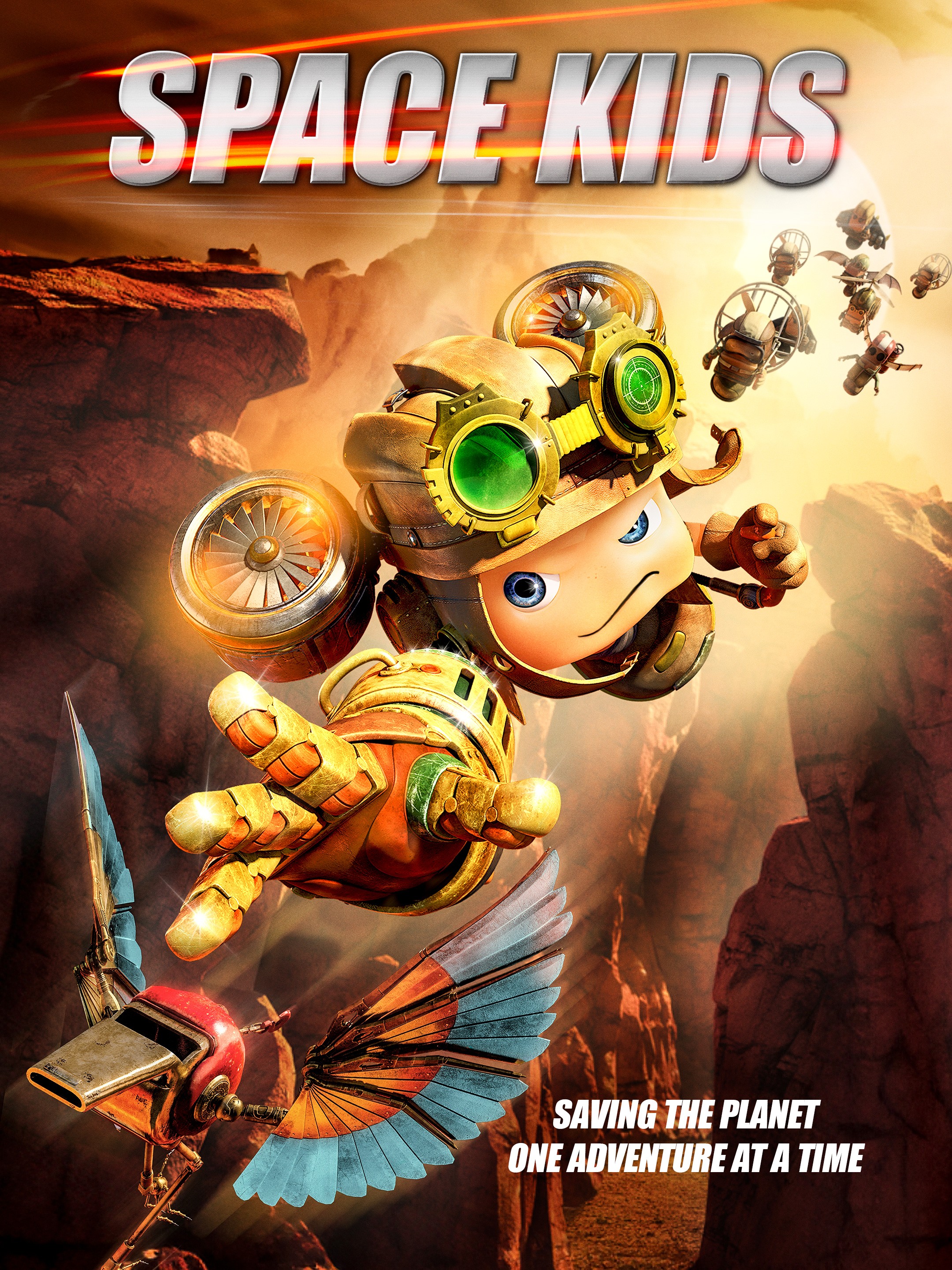
The 2000s represented a transformative era for animated space movies, bridging the gap between traditional hand-drawn artistry and the total dominance of computer-generated imagery (CGI). From the experimental photorealism of Final Fantasy: The Spirits Within to the silent storytelling brilliance of WALL-E, the decade redefined how audiences experienced the cosmos through animation.
The Technical Transition: From Cells to Pixels
The beginning of the 2000s was a volatile period for animation studios. Traditional 2D animation, which had reigned supreme for decades, began to lose its commercial grip as audiences flocked to the three-dimensional depth offered by pioneers like Pixar and DreamWorks. This shift was particularly evident in the science fiction genre, where the "vastness of space" provided the perfect canvas to test new rendering technologies.
In the early years of the decade, studios attempted to marry these two worlds. Films like Titan A.E. and Treasure Planet utilized a hybrid approach, placing hand-drawn characters within complex, 3D-rendered environments. This period of "Deep Canvas" technology allowed for sweeping camera movements that were previously impossible in 2D. However, the high production costs and lukewarm box office returns of these hybrid epics eventually pushed major studios to commit fully to CGI by the mid-2000s.
By 2026, looking back at this decade reveals a graveyard of ambitious "failures" that have since become cult classics. The 2000s were not just about the movies that succeeded; they were about the technical risks taken to prove what animation could achieve in a sci-fi setting.
Iconic Masterpieces: Defining Space in the 2000s
Several films from this era did more than just tell a story; they set new benchmarks for visual effects and narrative depth.
Titan A.E. (2000)
Released at the very dawn of the decade, Titan A.E. was a bold attempt by 20th Century Fox to create a "mature" animated space opera. Directed by Don Bluth and Gary Goldman, the film follows Cale Tucker as he searches for a massive spacecraft capable of creating a new home for humanity after Earth is destroyed by the Drej—an alien race made of pure energy.
Technically, the film was a marvel. It blended traditional cel animation with some of the most advanced CGI of the time, particularly in the creation of the Drej and the crystalline "Ice Rings of Tigrin." Despite its visual prowess and a screenplay co-written by Joss Whedon, the film was a box office disaster, leading to the closure of Fox Animation Studios. Its legacy, however, persists as one of the few animated films to treat space travel with a gritty, high-stakes tone.
Treasure Planet (2002)
Disney’s Treasure Planet remains one of the most expensive hand-drawn films ever made. It reimagined Robert Louis Stevenson’s Treasure Island in a "70/30" aesthetic—70% traditional and 30% futuristic. The movie featured "etherium," a breathable atmosphere in space that allowed characters to sail open-decked galleons through the stars.
The film's use of the "Deep Canvas" software allowed artists to paint 3D sets, giving the celestial backgrounds a lush, painterly feel. While it struggled to find an audience upon release, the character of John Silver remains a technical triumph, featuring a hand-drawn body with a fully 3D-rendered mechanical arm and eye.
WALL-E (2008)
If the early 2000s were defined by experimental hybrids, the late 2000s were defined by Pixar's mastery. WALL-E is often cited as one of the greatest science fiction films of all time, regardless of medium. The story of a lonely waste-collector robot on a deserted Earth who follows a probe into the stars transitioned the genre from "adventure" to "philosophy."
The animation in WALL-E was groundbreaking for its cinematography. Pixar consulted with legendary cinematographer Roger Deakins to mimic the look of anamorphic lenses and realistic light flares, making the cold vacuum of space and the sterile interior of the Axiom starship feel tangible. It proved that an animated space movie could carry a profound environmental and social message while using almost no dialogue in its first act.
Experimental Frontiers and Cult Classics
Beyond the major studio releases, the 2000s hosted several experimental films that pushed the boundaries of the genre.
- Final Fantasy: The Spirits Within (2001): This was the first major attempt to create a photorealistic animated film. While the story was criticized for being disconnected from the video game franchise, the technical achievement of rendering realistic skin pores, hair, and clothing was a milestone. It fell into the "uncanny valley" for many viewers, but it paved the way for the performance-capture technology used in modern cinema.
- Interstella 5555: The 5tory of the 5ecret 5tar 5ystem (2003): This unique Japanese-French collaboration is a visual realization of Daft Punk’s album Discovery. Created by the legendary Leiji Matsumoto, the film has no dialogue, relying entirely on music and animation to tell the story of an extraterrestrial band kidnapped by a human manager. It remains a pinnacle of the "space anime" aesthetic of the era.
- Kaena: The Prophecy (2003): A French-Canadian production that was the first CGI feature film from France. It featured a surreal world involving a giant tree reaching into space and alien oppressors. While not a commercial hit, it showcased the growing global capability to produce complex 3D space narratives.
Family-Centric Space Adventures
Not every film was a heavy space opera; many utilized the setting for high-energy comedy and family themes.
- Jimmy Neutron: Boy Genius (2001): This film utilized then-emerging CGI to tell a story about kids flying homemade spaceships into the stars to rescue their parents from the Yolkians. It focused on the "fun" of space travel, prioritizing gadgetry and alien planet exploration.
- Lilo & Stitch (2002): While much of the film takes place in Hawaii, its foundation is rooted in space. The opening sequence, featuring an intergalactic court and a high-speed chase through a nebula, is quintessential 2000s sci-fi. It successfully blended the "alien" with the "domestic," creating a unique sub-genre of the space movie.
- Planet 51 (2009): Toward the end of the decade, Planet 51 flipped the "alien invasion" trope. It tells the story of an American astronaut who lands on a planet of green aliens living in a 1950s-style society, where he is the alien.
Comparative Overview of Key 2000s Animated Space Movies
| Movie Title | Year | Primary Studio | Animation Style | Notable Innovation |
|---|---|---|---|---|
| Titan A.E. | 2000 | Fox Animation | 2D/3D Hybrid | Early CGI/2D integration |
| Final Fantasy | 2001 | Square Pictures | Photorealistic CGI | First "human" photorealism |
| Treasure Planet | 2002 | Disney | Deep Canvas Hybrid | 3D environments with 2D characters |
| Interstella 5555 | 2003 | Toei Animation | Traditional Anime | Dialogue-free musical narrative |
| WALL-E | 2008 | Pixar | Advanced CGI | Realistic lighting & cinematography |
| Monsters vs. Aliens | 2009 | DreamWorks | 3D CGI | Stereoscopic 3D focus |
The Role of International Animation
While Hollywood dominated the box office, international contributions to the space genre in the 2000s were significant. Japan, in particular, continued its long-standing tradition of space epics. Beyond Interstella 5555, the decade saw the release of various Mobile Suit Gundam and Macross projects that utilized CGI to enhance massive space battles.
In Europe, animation was often used for more avant-garde storytelling. Films like the Swedish Metropia (2009), while more "inner space" and dystopian, used stylized animation to depict a future that felt cold and sterile—themes often explored in space-bound sci-fi. This global diversity ensured that the 2000s were not just about the "Pixar look," but a worldwide exploration of what "the future" looked like.
The Decline of the Traditional Space Epic
By 2009, the landscape had changed. The massive financial losses of Titan A.E. and Treasure Planet had scared studios away from high-budget "serious" space operas for a long time. The industry moved toward "creature features" or "character comedies" where space was a backdrop rather than the central theme.
The 2000s showed that while space was a technically challenging environment to animate, it was also a risky commercial bet. The audience for "adult" or "mature" animated sci-fi was growing but had not yet reached the critical mass seen in the 2020s. Consequently, the decade ended with a pivot toward more accessible, earth-bound, or brightly colored alien adventures like Monsters vs. Aliens and Space Chimps.
Why the 2000s Mattered for the Genre
The importance of this decade cannot be overstated. It was the "testing ground." Without the failure of Final Fantasy, we might not have reached the level of detail seen in modern CGI. Without the visual risks of Treasure Planet, the integration of different art styles in films like Spider-Man: Into the Spider-Verse might have been delayed by decades.
The 2000s taught filmmakers that space animation requires more than just "black backgrounds with dots." It requires a mastery of light, a sense of scale, and most importantly, a human (or robotic) heart at the center of the vast void. The decade left us with a library of films that are as beautiful as they are technically fascinating.
Frequently Asked Questions
What was the first fully CGI animated space movie?
While Toy Story was the first CGI feature, Final Fantasy: The Spirits Within (2001) was the first to attempt a photorealistic sci-fi epic. For a more traditional "cartoon" style, Jimmy Neutron: Boy Genius (2001) is often cited as a pioneer in bringing the genre to 3D for younger audiences.
Why did many 2000s space movies struggle at the box office?
During the early 2000s, there was a disconnect between marketing and audience expectations. Many space movies like Titan A.E. were marketed to teens and young adults, but general audiences still viewed "cartoons" as strictly for children. Additionally, the high costs of emerging CGI technology made it difficult for these films to reach profitability.
Which 2000s animated movie is considered the most visually advanced?
WALL-E (2008) is widely considered the most visually advanced of the decade. Its use of realistic lighting, depth of field, and textures set a standard that many films in 2026 still struggle to match. Its ability to create emotion through mechanical movements rather than facial expressions was a landmark in animation history.
Are there any hand-drawn space movies from the late 2000s?
By the late 2000s, hand-drawn space movies were becoming rare in the West. Most traditional animation in this period shifted to television or independent Japanese anime. Major Western studios had almost entirely transitioned to 3D CGI by 2004 following the success of films like Shrek and Finding Nemo.
What is "Deep Canvas" technology?
Deep Canvas was a software developed by Disney (first used significantly in Tarzan and then expanded for Treasure Planet) that allowed artists to paint on 3D models. This allowed for a hand-drawn look with the camera freedom of a 3D environment, creating the lush, moving backgrounds seen in Treasure Planet.
Choosing Your Next Watch
If you are looking to revisit this era, your choice should depend on what you value most in animation. For those who appreciate the height of hand-drawn artistry and "what might have been," Treasure Planet is an essential watch. If you prefer a gritty, high-stakes story that feels like a classic 80s sci-fi novel, Titan A.E. remains a unique experience. However, for the ultimate blend of technical perfection and emotional storytelling, WALL-E remains the gold standard of the decade.