Angela Leong On-kei built her multibillion-dollar net worth by transforming entry into Macau’s high-stakes gaming sector into a diversified commercial real estate empire. Starting as a dance instructor, she leveraged strategic corporate roles within SJM Holdings and aggressive property acquisitions across Hong Kong, Shanghai, and London to secure a lasting fortune.
Early Life and the Strategic Pivot to Macau
Angela Leong was born in Guangzhou, Guangdong province, China, in 1961. Trained in classical dance and performance, she spent her early youth operating within regional cultural troupes. In 1980, seeking greater economic opportunities, she relocated to Macau. During the early 1980s, Macau was a Portuguese-administered territory on the verge of major structural evolution, with an economy largely defined by maritime commerce, manufacturing, and a tightly regulated gaming monopoly.
Upon arriving in Macau, Leong worked multiple jobs, including teaching dance and working as an administrative worker. Her pivot into the upper echelons of Macau's business community occurred in 1986, when she met Dr. Stanley Ho Hung-sun at a private private dance event. Ho was the dominant figure in Asian gaming, having held Macau's exclusive casino monopoly through his company, Sociedade de Turismo e Divertimentos de Macau (STDM), since 1962.
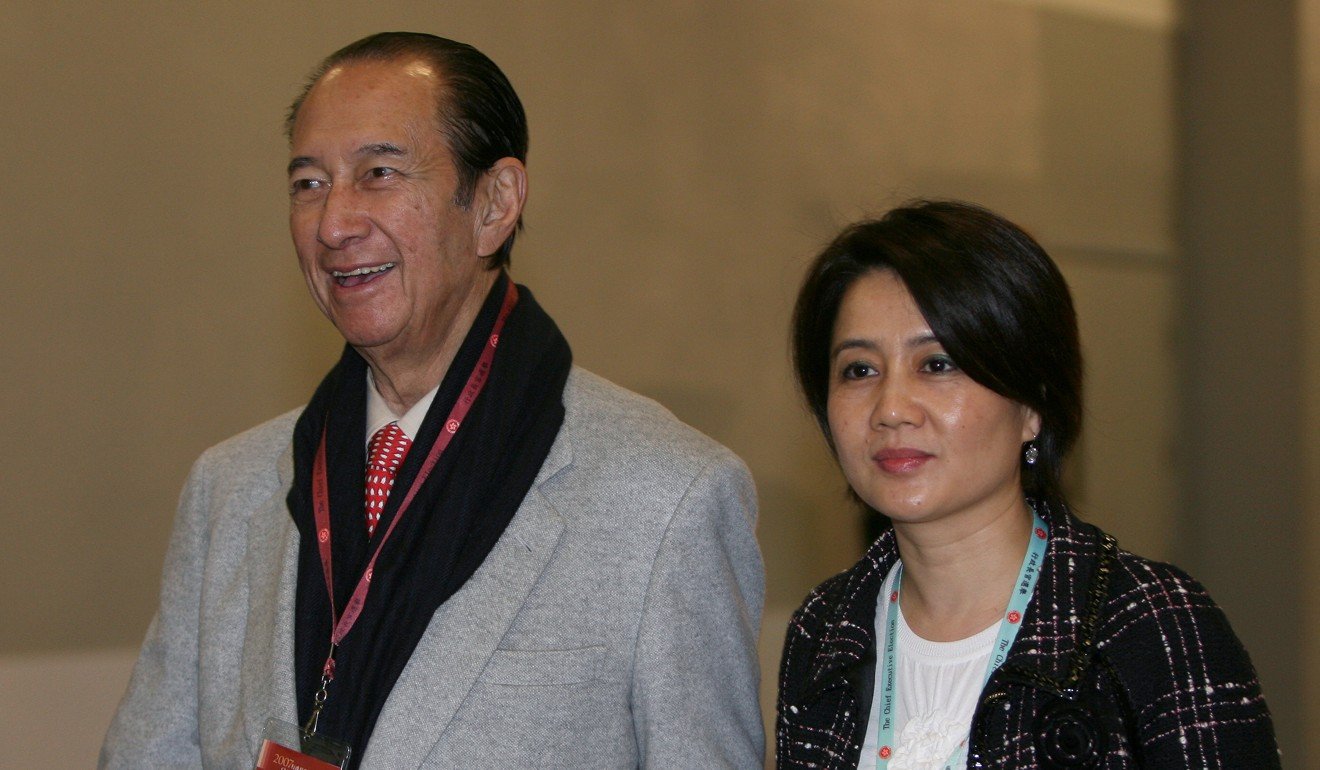
By 1989, Leong became recognized as Stanley Ho’s fourth wife (or domestic partner). Rather than remaining a passive beneficiary of the Ho family wealth, Leong immediately demonstrated a sharp aptitude for corporate finance, land management, and commercial deal-making. Recognizing that reliance on family wealth alone presented long-term vulnerabilities, she systematically embedded herself into the operational architecture of Ho’s business enterprises while simultaneously building an independent balance sheet.
Navigating Macau's Gaming Monopoly and SJM Holdings
To understand Leong's financial trajectory, one must examine the corporate structure of Macau’s gaming market. For four decades, STDM controlled all casino licenses, land grants for resort development, and auxiliary ferry transportation services between Hong Kong and Macau. When the Macau government ended the monopoly system in 2002 and issued new concessions, STDM established SJM Holdings Limited (Sociedade de Jogos de Macau) to bid for and maintain its casino operations.
Leong actively participated in the executive management of SJM Holdings during its transformation into a publicly traded corporate entity. She secured an executive directorship and eventually rose to become the Co-Chairman and Managing Director of SJM Holdings.
- STDM / SJM Empire
- SJM Holdings (Gaming)
- Managing Director & Co-Chair
- Direct Stock Ownership
- Casino Operating Dividends
- Real Estate & Private Assets
- Hong Kong Commercial Real Estate
- Mainland China Joint Ventures
- International Property Holdings
- SJM Holdings (Gaming)
Key Elements of Her Gaming Strategy:
- Equity Accumulation: Leong secured a direct personal stake in SJM Holdings, alongside shares in the parent company, STDM. At peak valuation, her direct equity in SJM made up over a third of her total liquid wealth.
- Operational Leadership: As Managing Director, she directly influenced operational decisions, human resources, and local government relations, solidifying her standing within Macau's tightly knit corporate ecosystem.
- VIP Slot and Junket Oversight: During the growth phase of Macau’s gaming market (2004–2014), Leong oversaw key aspects of SJM's VIP operations and property developments, capitalizing on the rapid inflow of mainland Chinese capital.
Her leadership within SJM was not merely operational; it was deeply political. In 2005, Leong secured a seat in the Legislative Assembly of Macau, representing the Macau Development Alliance. Re-elected across multiple cycles, her legislative presence allowed her to advocate for infrastructure development, urban planning, and policies that benefited both the community and the region's commercial expansion.
Real Estate Strategy: Building an Asset Shield Outside of Gaming
While gaming provided high-margin operational income, Leong recognized the inherent cyclicality and regulatory volatility of Macau’s casino market. To protect her net worth against regulatory shifts, casino concession renewals, and macroeconomic downturns, she executed an aggressive commercial real estate strategy across Greater China and Europe.
Rather than concentrating investments in residential properties, Leong focused on trophy commercial assets, retail hubs, and high-yield prime office spaces in major global financial centers. Her strategy relied on long-term capital appreciation, aggressive leverage during low-interest periods, and securing creditworthy anchor tenants.
- Real Estate Wealth Engine
- Hong Kong
- Central HK Commercial
- Mainland China
- Shanghai Luxury Retail Hubs
- International
- London Office Trophy Assets
- Hong Kong
Key Real Estate Holdings and Investments
| Asset / Location | Market / Region | Property Type | Strategic Financial Value |
|---|---|---|---|
| Entertainment Building | Central, Hong Kong | Commercial Office & Retail | Acquired in 2005 for HK$2.7 billion; serves as a prime revenue-generating office asset in Hong Kong's financial core. |
| L'Avenue Shanghai | Shanghai, Mainland China | Commercial / Luxury Mall | Developed/acquired in partnership with luxury conglomerate LVMH; captures high-end mainland retail spend. |
| Aldwych House | London, United Kingdom | Prime Commercial Office | Acquired for approximately £250 million in 2017; provides sterling-denominated rental yields and international asset diversification. |
| King’s Road Properties | Fortress Hill, Hong Kong | Retail & Commercial Space | High-density street-level commercial assets generating consistent recurring leasing cash flow. |
| Macau Theme Park & Resort | Cotai, Macau | Integrated Resort / Real Estate | Non-gaming real estate and leisure developments designed to capture long-term domestic tourism. |
Hong Kong Commercial Dominance
Hong Kong served as the primary repository for Leong's real estate allocations. Through her primary investment vehicle, L'Avenue International Holdings, she systematically purchased full commercial buildings, prime street-level retail frontage in Causeway Bay and Central, and industrial conversion sites.
Her acquisition of the Entertainment Building in Central, Hong Kong, for HK$2.7 billion in 2005 demonstrated her ability to execute large-scale, high-conviction transactions. By renovating the property and restructuring tenant leases to command premium rents, she substantially increased both the building's asset valuation and its annual rental yield.
Global and Mainland Diversification
Beyond Hong Kong, Leong expanded into Mainland China and Western Europe:
- Shanghai Market Entry: Partnering with luxury group LVMH, Leong co-developed L'Avenue Shanghai, a high-end commercial complex in the Changning District. The property established her presence in mainland China's commercial real estate market, capitalizing on expanding consumer demand for premium retail space.
- London Expansion: In 2017, amid shifts in global real estate yields, Leong acquired Aldwych House in London for roughly £250 million. The 174,000-square-foot office building added stable, foreign-currency-denominated rental income from international corporate tenants, protecting her portfolio against regional currency risks in East Asia.
Corporate Restructuring and the 2010–2011 Ho Family Asset Settlement
A critical chapter in Angela Leong’s financial history occurred between late 2010 and early 2011, when a public legal dispute broke out regarding the distribution of Stanley Ho’s vast holdings in STDM and SJM Holdings.
The conflict centered on Lanceford Company Limited, an intermediary holding vehicle that controlled a decisive 31.6% stake in STDM. When shares were initially transferred away from Stanley Ho to specific family factions, Leong used her corporate positioning and direct management mandate at SJM to defend her equity rights and operational control.
Outcome of the Settlement:
- Secured Equity Ownership: The dispute ended in a legally binding settlement in March 2011. Leong formally secured her position as the second-largest individual shareholder in SJM Holdings.
- Long-Term Directorship: She retained her executive directorship and Co-Chairman role, ensuring operational oversight of key casino properties like the Grand Lisboa and the Cotai development, Grand Lisboa Palace.
- Protected Net Worth: The resolution established legal title over her personal equity stake, solidifying her status on global wealth rankings, including the Forbes Billionaires List, where her net worth was estimated between $2 billion and $4.1 billion over subsequent cycles.
- 2010-2011 Ho Family Settlement
- Equity Security Established
- Direct shareholding in SJM Holdings
- Clear title to private holdings
- Corporate Control Retention
- Retained Co-Chair & Managing Director
- Maintained seat on Board of Directors
- Equity Security Established
Financial Resilience Amid Macau’s Concession Renewal and Post-Pandemic Era
The period between 2020 and 2024 presented structural challenges to Macau's gaming sector. Pandemic-related travel restrictions, tighter capital controls on cross-border gambling, and the 2022 overhaul of Macau’s Gaming Law completely altered the business model of casino operators.
Macau Gaming Law Overhaul (2022)
Under the revised legal framework enacted by the Macau government:
- Concession Terms Reduced: Casino operating concessions were shortened from 20 years to 10 years.
- Junket System Restructured: The traditional VIP junket operator system was heavily restricted, shifting the primary revenue focus to mass-market gaming and non-gaming amenities.
- Managing Director Ownership Mandates: The law required the local Managing Director of each concessionaire to hold at least 15% of the operating entity's capital stock (up from 10%), while restricting foreign capital influence.
Leong adapted to these changes by rebalancing her executive responsibilities within SJM Holdings. In 2022, during the concession renewal process, Daisy Ho assumed the official delegate role for SJM's operating subsidiary to align with internal corporate realignments, while Leong retained her directorship, substantial equity investments, and non-gaming commercial holdings.
Because her portfolio was heavily weighted toward physical real estate outside of core gaming operations, Leong maintained her multi-billion-dollar net worth even as SJM's stock price experienced market corrections.
Wealth Breakdown: Gaming vs. Real Estate Portfolio
Angela Leong’s balance sheet reflects a classic transition from high-cash-flow, high-beta operational equity to low-beta, hard physical assets.
- Leong's Asset Allocation Matrix
- Prime Commercial Real Estate (~55-60% of Net Worth)
- HK Central Commercial
- Shanghai & UK Property
- High-Street HK Retail
- SJM Holdings / STDM Equity (~25-30% of Net Worth)
- Direct Shares in SJM
- Dividends & Board Fees
- Private Capital & Investments (~10-15% of Net Worth)
- Cash Reserves & Fixed Income
- Macau Hospitality Projects
- Private Private Ventures
- Prime Commercial Real Estate (~55-60% of Net Worth)
Financial Mechanics of Her Asset Mix:
- Cash Flow Recycling: Dividends generated by SJM Holdings during peak gaming growth years (2004–2019) were systematically deployed into purchasing debt-free or low-leveraged commercial properties in Hong Kong.
- Capital Appreciation Shield: As cap rates for Hong Kong commercial property tightened over two decades, the asset values of her office towers and retail spaces appreciated significantly, compensating for equity drawdowns in the gaming sector.
- Debt Management: Leong utilized prudent debt-to-equity ratios when financing acquisitions, ensuring her real estate portfolio could withstand period-specific drops in occupancy or rising global interest rates.
Lessons from Angela Leong’s Wealth Accumulation Strategy
For investors, business strategists, and wealth managers, Angela Leong's path from a dance instructor to a multibillion-dollar asset manager offers several strategic insights into enterprise building and risk management.
- Capital Recycling: High-volatility earnings from cyclical operational businesses (such as casinos) should be routinely harvested and redeployed into non-correlated, durable capital assets (such as commercial real estate).
- Strategic positioning in regulated markets: Securing leadership and board seats in highly regulated industries provides direct insight into policy changes, enabling proactive risk mitigation.
- Geographic and Currency Diversification: Holding assets across multiple legal jurisdictions (Hong Kong, Mainland China, Macau, and the UK) protects net worth from regional policy interventions and currency devaluations.
- Active Corporate Governance: In family-controlled conglomerates, securing explicit equity ownership and corporate titles is critical for long-term capital protection during generational transfers of wealth.
Frequently Asked Questions
What is Angela Leong’s current net worth?
As estimated by global financial publications like Forbes and Bloomberg, Angela Leong’s net worth fluctuates between $2 billion and $3 billion, depending on public equity valuations for SJM Holdings and current real estate cap rates in Hong Kong and Mainland China.
How did Angela Leong start her investment portfolio?
Leong initially built her capital through corporate leadership roles and equity participation within Stanley Ho's business network following their union in 1989. She then deployed her earnings into Hong Kong property investments, using early real estate gains to finance progressively larger commercial acquisitions.
What is Angela Leong’s role in SJM Holdings today?
Angela Leong serves as a member of the Board of Directors and Co-Chairman of SJM Holdings Limited. She has historically been one of the company's largest individual shareholders alongside other branches of the Ho family.
What are Angela Leong’s largest real estate holdings?
Her most valuable documented real estate assets include the Entertainment Building in Central, Hong Kong, L'Avenue Shanghai in Mainland China, and Aldwych House in London, alongside extensive retail holdings along King's Road in Hong Kong.
Does Angela Leong hold an official role in Macau’s government?
Yes, Angela Leong has served as an elected member of the Legislative Assembly of Macau since 2005, representing the Macau Development Alliance. Her legislative focus centered primarily on community development, business growth, and cultural initiatives.
Strategic Takeaways for Business Leaders and Wealth Managers
Angela Leong’s financial ascension illustrates how focused execution, strategic real estate acquisition, and corporate governance can transform initial opportunity into lasting generational wealth.
To apply these wealth-building principles within portfolio management:
- Audit Asset Allocation for Concentration Risk: Ensure operational business earnings are routinely diversified into physical, cash-flowing assets to insulate net worth against regulatory shifts.
- Focus on Trophy Locations: When acquiring commercial property, prioritize supply-constrained financial districts (e.g., Central Hong Kong, City of London) that maintain long-term institutional demand.
- Maintain Strong Legal Titles: Ensure equity stakes within corporate enterprises or joint ventures are clearly defined and protected by robust legal structures to weather corporate or family disputes.
Financial Advice Disclaimer: This article is for informational and educational purposes only and does not constitute financial, legal, or investment advice. Public net worth estimates and asset valuations are derived from historical filings, public disclosures, and third-party financial reporting.