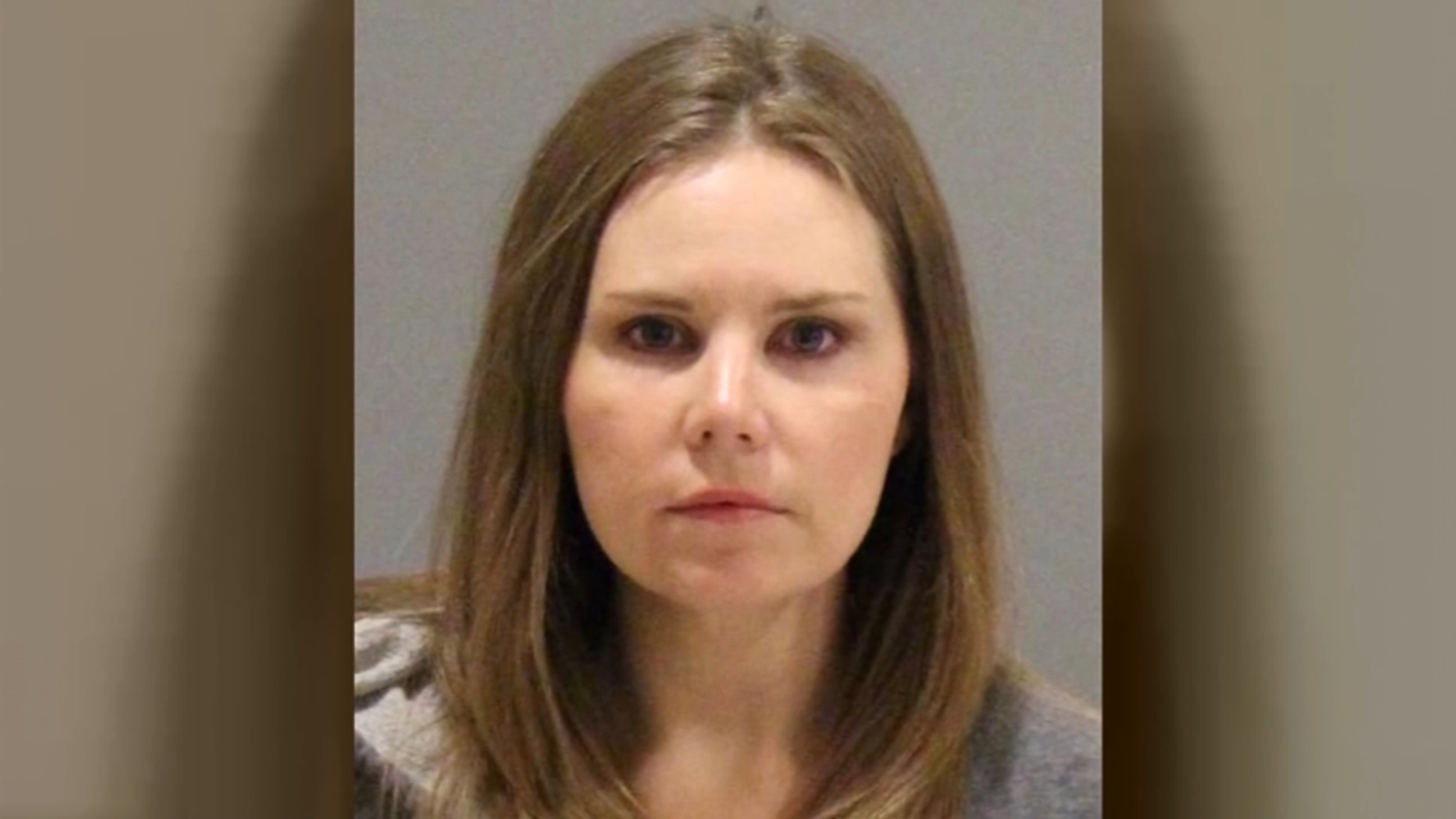
The 2019 Angela Hock case in Omaha, Nebraska, brought intense public and legal scrutiny to unlicensed midwifery, home birth safety standards, and state credentialing laws. Following a fatal high-risk home delivery complication, Hock faced felony child abuse charges, highlighting critical distinctions between certified nurse-midwives, legal scopes of practice, and emergency delivery protocols.
Overview of the Angela Hock Case
In June 2019, a home birth in Omaha, Nebraska, ended in severe medical complications and the subsequent death of a newborn infant, sparking a high-profile criminal investigation into the attendant, Angela Hock. Operating as an independent midwife in the Omaha metropolitan area, Hock was hired by expectant parents Emily and Dwight Delacourt to manage the home delivery of their child, Vera Delacourt.
During labor, the delivery encountered critical complications when the infant presented in a footling breech position—a dangerous presentation where the fetus's feet or knees are positioned to descend first into the birth canal, rather than the head or bottom. As labor progressed, the infant's head became trapped in the birth canal, leading to acute fetal hypoxia (severe oxygen deprivation).
According to police records and court documents, Hock performed an episiotomy—a surgical incision of the perineum—to attempt to free the infant. Hock performed this surgical procedure despite holding no state medical, nursing, or midwifery license authorizing surgical intervention or medical practice in Nebraska.
When emergency medical services (EMS) were eventually summoned to the residence, paramedics found the newborn in cardiac arrest. Emergency responders resuscitated the infant, who was transported to Children’s Hospital & Medical Center in Omaha. The baby suffered irreversible hypoxic-ischemic encephalopathy (brain damage caused by lack of oxygen) and died several days later after being removed from life support.
Criminal Investigation and Legal Proceedings
Following an extensive investigation by the Omaha Police Department and the Douglas County Attorney's Office, Angela Hock was arrested in July 2019. Prosecutors initially charged Hock with child abuse resulting in death, a Class 1B felony under Nebraska law carrying a potential sentence of up to 20 years to life in prison.
The state's prosecution focused on three major legal and clinical issues:
- Practicing Medicine Without a License: Hock engaged in invasive surgical procedures (an episiotomy) and managed an extraordinarily high-risk obstetric situation without holding a valid state license or nursing credential.
- Failure to Adhere to Safety Standards: Medical evidence established that a footling breech presentation requires immediate advanced medical care, often necessitating an emergency cesarean section in a hospital setting.
- Delayed Emergency Response: Investigators determined that emergency services were not called in a timely manner when clinical distress first became apparent.
Plea Agreement and Sentencing
In August 2020, Hock reached a plea agreement with Douglas County prosecutors. She entered a plea of no contest to an amended charge of attempted child abuse, a Class 3A felony. The plea bargain resolved the charges without a full criminal trial while establishing legal accountability for her actions during the delivery.
In November 2020, a Douglas County District Court judge sentenced Hock to:
- Probation: Two years of formal felony probation.
- Jail Time: Thirty days of incarceration in the Douglas County Department of Corrections.
- Community Service: Two hundred hours of community service work.
- Practice Prohibition: Explicit court-ordered prohibitions preventing Hock from providing birth attendant services, acting as a midwife, or holding herself out as a healthcare provider during her probation and beyond.
Midwifery Credentials and Legal Frameworks
The Hock case highlighted widespread public confusion surrounding the titles, credentials, and legal qualifications of birth attendants in the United States. Midwifery is regulated at the state level, resulting in significant variance in licensing requirements, permitted clinical settings, and authorized scopes of practice.
Midwifery Pathways:
- Nursing-Based Path
- Certified Nurse-Midwife (CNM)
- Master's / Doctorate Degree
- RN License Required
- Hospital & Home Practice
- Full Clinical / Rx Scope
- Certified Nurse-Midwife (CNM)
- Direct-Entry Pathways
- Certified Professional Midwife (CPM)
- Out-of-hospital focus
- NARM Exam / Portfolio
- Legality varies by state
- Direct-Entry / Lay Midwife
- No standard licensure
- State legality varies
- Unregulated in some areas
- Certified Professional Midwife (CPM)
Certified Nurse-Midwife (CNM)
A Certified Nurse-Midwife is a registered nurse (RN) who has completed a graduate-level degree (Master of Science in Nursing or Doctor of Nursing Practice) specializing in midwifery. CNMs are certified national board members through the American Midwifery Certification Board (AMCB) and are licensed advanced practice registered nurses (APRNs).
- Scope of Practice: Full reproductive healthcare, prenatal care, low-risk labor and delivery management, gynecological care, and prescription authority.
- Practice Settings: Hospitals, accredited birth centers, and home settings. CNMs maintain formal physician consultation agreements or hospital transfer protocols.
Certified Midwife (CM)
A Certified Midwife holds a graduate degree in midwifery and passes the same national certification exam as a CNM, but enters the field through a direct-entry healthcare background rather than a nursing degree. CMs are recognized and licensed in a limited number of states.
Certified Professional Midwife (CPM)
A Certified Professional Midwife is credentialed by the North American Registry of Midwives (NARM). The CPM pathway specifically focuses on out-of-hospital birth management, including home births and birth centers.
- Education and Training: Requires completion of an accredited apprenticeship or formal educational program accredited by the Midwifery Education Accreditation Council (MEAC).
- Licensure Status: CPMs are legal and licensed in over 30 states, but their legal status varies widely. In states like Nebraska, non-nurse midwives historically faced stringent legal barriers or prohibitions regarding independent practice.
Unlicensed Direct-Entry or Lay Midwife
An unlicensed direct-entry midwife (often referred to as a lay midwife) provides birth care without recognized state licensure or standardized national board credentials. While some lay midwives complete informal apprenticeships, they lack formal oversight from state nursing boards or medical licensing agencies. Practicing direct-entry midwifery in states that require formal licensure constitutes the illegal practice of medicine or nursing.
Clinical Risks in Out-of-Hospital Births
The clinical circumstances of the 2019 Omaha home birth underscore the vital importance of strict risk screening and emergency preparedness during out-of-hospital deliveries. Obstetric guidelines established by the American College of Obstetricians and Gynecologists (ACOG) define specific clinical parameters for safe home birth candidates.
High-Risk Fetal Presentations: Breech Deliveries
In an obstetric setting, a breech presentation occurs when the fetus is positioned to emerge feet- or buttocks-first rather than head-first (cephalic presentation). Breech presentations occur in approximately 3% to 4% of full-term pregnancies.
Breech Presentation Types in Clinical Practice:
Frank Breech
- Buttocks first, legs up
- Standard Out-of-Hospital Risk Screening Threshold
Complete Breech
- Cross-legged position
- Requires High Clinical Monitoring
Footling Breech
- One/both feet presenting
- EXTREME RISK: Hospital/C-Section Mandatory in Most Guidelines
Frank Breech: The hips are flexed and the knees extended so the feet are near the head. This is the most common breech presentation.
Complete Breech: Both hips and knees are flexed, so the baby sits cross-legged over the cervix.
Footling Breech: One or both feet present below the fetus's buttocks. This presentation carries the highest risk of umbilical cord prolapse, where the cord slips through the cervix ahead of the baby, compressing fetal blood flow and oxygen supply.
Medical consensus strongly dictates that footling breech presentations should be managed in a hospital environment, where emergency cesarean delivery can be performed immediately. Attempting to deliver a footling breech fetus at home severely increases the risk of head entrapment, umbilical cord compression, brain injury, and fetal mortality.
Prohibition of Surgical Interventions in Home Settings
An episiotomy is a surgical incision made in the perineum to enlarge the vaginal opening. In modern hospital obstetrics, routine episiotomy is no longer recommended and is reserved for specific clinical emergencies executed by licensed physicians or certified nurse-midwives equipped with sterile surgical tools, local anesthetics, and suture skills.
In an out-of-hospital setting, an unlicensed provider performing an episiotomy presents severe risks, including unmanageable maternal hemorrhage, severe infection, tissue tearing, and acute trauma. Performing surgical procedures without a license violates state medical practice acts and constitutes criminal negligence.
Comparing Midwifery Credentials and Practice Scopes
Understanding how different midwives operate helps expectant parents evaluate providers, safety protocols, and statutory compliance.
| Feature / Credential | Certified Nurse-Midwife (CNM) | Certified Professional Midwife (CPM) | Unlicensed / Lay Midwife |
|---|---|---|---|
| Primary Educational Requirement | Master's or Doctorate in Nursing/Midwifery | MEAC-accredited program or Portfolio Evaluation | Informal training or self-directed study |
| National Certification Body | American Midwifery Certification Board (AMCB) | North American Registry of Midwives (NARM) | None |
| State Licensure Availability | Recognized in all 50 U.S. States | Licensed in 30+ States; Restricted in others | Generally unlicensed; Illegal in many jurisdictions |
| Primary Practice Environment | Hospitals, Accredited Birth Centers, Home Settings | Home Births, Independent Birth Centers | Home Births |
| Prescription Authority | Yes (all states, subject to state APRN rules) | Limited (oxygen, anti-hemorrhagic agents in licensed states) | None |
| Emergency Transfer Plan | Required written protocols & hospital connections | Required in regulated states | Varies; often uncoordinated |
| Management of High-Risk Births | Mandatory physician consultation/transfer | Contraindicated; requires immediate transfer | Unregulated; high legal and medical liability |
Evaluating Home Birth Safety Protocols
For families considering an out-of-hospital birth, selecting a qualified birth attendant and verifying adherence to safety standards is vital. Professional midwifery organizations recommend rigorous evaluation before committing to a home birth plan.
1. Verify Professional Licensure and Board Certification
Always check the credentials of any birth provider with state regulatory authorities:
- State Nursing Boards: Verify active APRN or CNM licenses through state government databases (e.g., state Department of Health and Human Services or Board of Nursing).
- NARM Registry: Check the certification status of a Certified Professional Midwife via the North American Registry of Midwives database.
- Hospital Privileges: Inquire whether the midwife maintains active clinical privileges or formal consultation arrangements with a local hospital.
2. Confirm Strict Candidate Screening Standards
Safe out-of-hospital birth depends entirely on selecting low-risk pregnancies. A qualified midwife will not accept or continue care for patients presenting with high-risk indicators, including:
- Breech or transverse fetal positions at full term.
- Multiple gestation (twins, triplets).
- Previous cesarean sections (VBAC) without specific legal and clinical protocols in place.
- Pre-existing maternal health conditions such as chronic hypertension, preeclampsia, gestational diabetes requiring insulin, or placental abnormalities (e.g., placenta previa).
3. Review Emergency Transport and Communication Protocols
Emergency transfer plans must be established well before labor begins. Families should ask potential providers:
- What is the specific, written protocol if a transfer to a hospital becomes necessary?
- Which hospital will receive the patient, and how far is it from the birth location?
- Does the provider carry emergency equipment, including medical oxygen, anti-hemorrhagic medications (pitocin/oxytocin) for postpartum hemorrhage, and neonatal resuscitation gear?
- How does the midwife coordinate with local emergency medical services (EMS)?
Legal and Regulatory Impact of the Case
The criminal proceedings against Angela Hock brought long-term legislative and regulatory consequences across Nebraska and influenced discussions nationwide.
Legislative Debates on Midwifery Licensure
Following the trial, Nebraska lawmakers and public health officials re-examined state regulations governing birth attendants. Prior to the case, Nebraska had some of the nation's strictest limitations on non-nurse midwives, creating an environment where some families sought out-of-hospital birth services from unregulated providers.
Advocates for safe home birth argue that clear legal pathways, licensure frameworks, and state regulation for Certified Professional Midwives (CPMs) improve public safety by establishing clear education requirements, peer review, mandatory emergency transfer protocols, and transparent accountability. Conversely, medical societies emphasize that home births must remain strictly within low-risk parameters supported by seamless medical integration with emergency obstetric hospitals.
Enhanced Public Awareness and Patient Advocacy
The publicity surrounding the case heightened public awareness regarding credential transparency. Patients and consumer advocacy groups increasingly emphasize that prospective parents must independently confirm their provider's legal standing, insurance coverage, medical scope, and risk management qualifications rather than relying solely on informal reviews or word-of-mouth recommendations.
FAQs About the Angela Hock Case and Midwifery Regulations
What were the formal criminal charges against Angela Hock?
Angela Hock was initially charged by Douglas County prosecutors with child abuse resulting in death, a Class 1B felony. In August 2020, she reached a plea bargain and pleaded no contest to an amended charge of attempted child abuse (a Class 3A felony). She was sentenced to two years of probation, 30 days in jail, 200 hours of community service, and barred from attending births.
Is home birth legal in Nebraska?
Yes, home birth is legal in Nebraska, but the provider's qualifications are strictly regulated by state law. Certified Nurse-Midwives (CNMs) are fully recognized advanced practice registered nurses authorized to attend home deliveries within established clinical guidelines. However, practicing clinical midwifery or performing surgical/medical procedures without state certification or licensure is illegal.
Why is a footling breech delivery dangerous at home?
A footling breech presentation occurs when a baby's foot or feet present first down the birth canal. This creates a severe risk of umbilical cord prolapse, which cuts off fetal blood and oxygen supply. Furthermore, the baby's head can become trapped by the cervix, leading to acute fetal hypoxia, brain damage, or death unless emergency medical interventions, such as a cesarean delivery, are performed immediately.
What is the difference between a CNM and an unlicensed midwife?
A Certified Nurse-Midwife (CNM) holds a graduate degree in nursing/midwifery, is board-certified nationally, licensed by state nursing boards, and has full authority to prescribe medications and manage low-risk births. An unlicensed midwife lacks recognized state licensure or standardized APRN credentials, operates without formal state oversight, and cannot legally perform surgical procedures or prescribe medication.
How can expectant parents verify a midwife's credentials?
Parents can verify credentials by searching state licensing databases maintained by their state's Department of Health or Board of Nursing. Additionally, certifications can be validated directly through the American Midwifery Certification Board (AMCB) for CNMs/CMs or the North American Registry of Midwives (NARM) for CPMs.
Practical Checklist for Expectant Families
Selecting a birth provider is one of the most critical decisions during pregnancy. To ensure maternal and infant safety, families evaluating out-of-hospital birth options should take the following steps:
- Request Formal Credential Documentation: Ask the midwife for their full legal name, state license number, and national certification details. Confirm these credentials through official state licensing portals.
- Review Risk Assessment Protocols: Confirm that the provider adheres to established obstetric guidelines that exclude high-risk conditions (such as breech presentation or multiple gestation) from out-of-hospital birth.
- Inspect Emergency Equipment: Ensure the provider carries functional emergency equipment, including neonatal resuscitation apparatus and anti-hemorrhagic medications.
- Establish a Hospital Transfer Plan: Confirm a written emergency plan identifying the nearest emergency hospital, estimated transfer times, and direct communication channels with local EMS.
- Consult an Independent Healthcare Provider: Discuss home birth plans with a licensed obstetrician or primary healthcare provider to ensure an unbiased assessment of maternal health risks.
Disclaimer: This article provides factual reporting and educational information regarding legal proceedings, regulatory standards, and medical guidelines. It does not constitute formal medical or legal advice. Expectant parents should consult licensed healthcare professionals and state regulatory agencies for individual medical guidance and licensing verification.