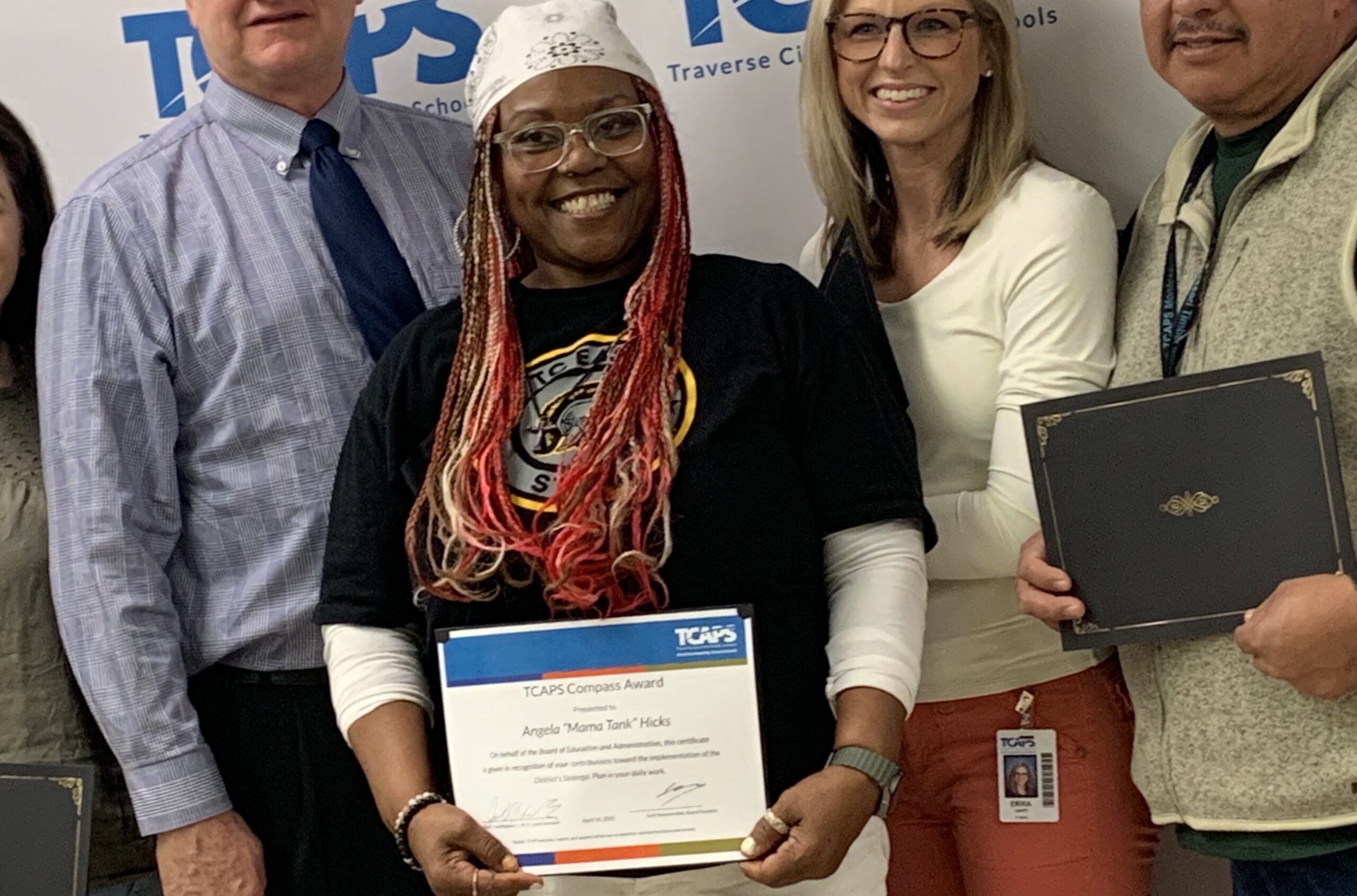
Angela Houston is recognized as a trailblazer in digital learning for her transformative contributions to instructional design, educational technology integration, and digital equity. Her work focuses on bridging pedagogical theory with scalable technology, empowering educators to build accessible, student-centered online learning environments that enhance engagement, retention, and measurable learning outcomes across academic and professional settings.
The Evolution of Digital Learning and Angela Houston’s Contributions
The landscape of education has undergone a profound shift over recent decades, evolving from static, correspondence-style online courses into dynamic, highly interactive digital learning ecosystems. In the early stages of educational technology (EdTech), digital formats often functioned merely as electronic repositories for lecture slides and textbook documents. This passive model frequently resulted in low student completion rates, limited interaction, and significant gaps in content comprehension.
Pioneering educators and leaders like Angela Houston recognized that technology alone could not fix foundational learning challenges without a corresponding shift in pedagogical design. Rather than treating digital tools as digital file cabinets, modern instructional leaders rethink how knowledge is constructed, transmitted, and assessed in virtual spaces. Houston’s work reflects a deliberate shift toward learner-centric frameworks, where technology serves as a flexible mediator for collaboration, critical thinking, and personalized learning pathways.
By championing structured instructional design principles, data-informed intervention, and inclusive learning technologies, Angela Houston helped establish blueprints for how K-12 school districts, higher education institutions, and corporate learning organizations navigate digital transformation. Her focus extends beyond basic technology adoption to address systemic barriers, ensuring that digital learning initiatives remain equitable, engaging, and aligned with practical educational outcomes.
Core Pillars of Angela Houston’s Digital Learning Philosophy
To understand the broader impact of pioneering work in digital learning, it is necessary to examine the foundational pillars that drive effective online instruction. Rather than adopting every emerging technology, effective digital leadership relies on intentional, evidence-based frameworks.
- Universal Design for Learning (UDL)
- Technology & Pedagogy Alignment (TPACK/SAMR)
- Data-Informed Learning Analytics & Feedback
- Equitable Access & Digital Literacy Infrastructure
1. Universal Design for Learning (UDL) and Accessibility
A cornerstone of modern digital education is the integration of Universal Design for Learning (UDL) guidelines. UDL emphasizes providing multiple means of engagement, representation, and action or expression. In practice, this means digital course material must accommodate diverse learning preferences, cognitive styles, and physical abilities from the outset, rather than applying reactive accommodations after a course is published.
- Multiple Means of Representation: Presenting core concepts through text, visual graphics, interactive media, and structured audio transcripts.
- Multiple Means of Action and Expression: Allowing learners to demonstrate mastery through written assignments, video presentations, peer reviews, or interactive assessments.
- Multiple Means of Engagement: Incorporating self-paced modules, real-world case studies, collaborative discussion forums, and gamified mastery checkpoints.
Accessibility compliance—aligned with Web Content Accessibility Guidelines (WCAG 2.1 Level AA) and Section 508 standards—is treated as a fundamental prerequisite rather than an optional add-on. This includes closed captioning for video assets, screen-reader-compatible document architecture, alt-text for imagery, and accessible color contrast ratios.
2. Strategic Pedagogical Models: TPACK and SAMR Integration
Integrating technology into education requires clear theoretical framework guidance to prevent technology from becoming a distraction. Digital learning pioneers rely heavily on established models like TPACK (Technological Pedagogical Content Knowledge) and SAMR (Substitution, Augmentation, Modification, Redefinition):
- TPACK Alignment: Ensuring educators possess a balanced intersection of content knowledge (what is taught), pedagogical knowledge (how teaching occurs), and technological knowledge (which tools support learning).
- SAMR Transformation: Moving beyond simple Substitution (using a PDF instead of a print worksheet) toward Modification and Redefinition—such as using asynchronous collaborative workspaces, virtual simulation labs, and global peer-learning networks that were impossible in physical-only environments.
3. Data-Informed Learning Analytics
Modern digital learning environments generate rich datasets regarding student engagement, quiz performance, video watch times, and forum participation. Trailblazers in this field leverage learning analytics not for punitive tracking, but to identify early risk factors for learner drop-off. By analyzing dashboard telemetry within Learning Management Systems (LMS), instructional designers can deploy targeted automated interventions, personalized feedback loops, and dynamic remediation pathways before a student falls behind.
Comparative Analysis: Traditional E-Learning vs. Pioneering Digital Learning
The transition from early digital course hosting to modern, immersive digital learning environments highlights the structural differences in how educators approach online instruction.
| Operational Dimension | Traditional E-Learning Approach | Pioneering Digital Learning Framework (Houston Model) | Key Educational Benefit |
|---|---|---|---|
| Pedagogical Structure | Instructor-led, passive transmission of static documents | Learner-centered, active problem-based modular units | Higher retention, deeper conceptual comprehension |
| Technology Role | Content repository and digital document delivery | Interactive medium for collaboration, simulation, and creation | Enhanced student engagement and real-world skill application |
| Accessibility & Inclusion | Reactive accommodations upon specific student requests | Proactive Universal Design for Learning (UDL) built into content | Total demographic reach and full compliance with WCAG standards |
| Student Assessment | High-stakes summative exams at fixed time intervals | Continuous formative micro-assessments with instant feedback | Reduced assessment anxiety and real-time learning tracking |
| Content Adaptability | One-size-fits-all linear progression | Personalized, adaptive learning pathways driven by analytics | Targeted support for both struggling and advanced learners |
| Educator Training | Basic operational software tutorials | Ongoing professional development in digital pedagogy | High teacher efficacy and sustainable EdTech adoption |
Bridging the Digital Divide and Championing Educational Equity
A significant barrier to digital learning success is the persistent digital divide, which encompasses hardware access, high-speed broadband availability, and baseline digital literacy skills. Pioneering work in digital learning emphasizes that advanced instructional technology is ineffective if a substantial portion of learners cannot access or navigate the platform.
| Operational Challenges | Strategic Solutions |
|---|---|
| - Limited Broadband | - Offline LMS sync capability |
| - Hardware Disparities | - Mobile-first content design |
| - Low Digital Literacy | - Asynchronous micro-learning |
Low-Bandwidth and Offline Optimization
To ensure equitable access across varying socioeconomic backgrounds and geographic regions, digital learning strategies must account for low-bandwidth environments. Key strategies include:
- Mobile-First Design: Structuring Learning Management System (LMS) interfaces and content layouts to render natively on mobile smartphones and low-cost tablets.
- Asset Compression: Optimizing video resolutions, converting audio streams to compact formats, and relying on lightweight vector graphics to prevent bandwidth congestion.
- Offline Synchronization: Implementing LMS features that allow students to download learning modules, complete assignments offline, and sync their progress automatically once connected to a network.
Building Digital Literacy Across Diverse Student Populations
Technological access must be paired with structured digital literacy instruction. Digital learning programs spearheaded by leaders in the field incorporate onboarding modules that instruct students on digital citizenship, online research evaluation, communication etiquette, and navigating virtual productivity tools. This foundational training builds learner confidence and prevents technological friction from obstructing academic success.
Strategic Implementation Roadmap for Institutions
For educational institutions, school districts, and training departments aiming to adopt digital learning frameworks inspired by pioneers like Angela Houston, implementation requires a structured, multi-phase roadmap.
- Phase 1: Readiness Assessment & Needs Audit
- Phase 2: Curriculum Redesign & UDL Framework Integration
- Phase 3: Educator Professional Development & Mentorship
- Phase 4: Continuous Evaluation & Iterative Scaling
Phase 1: Readiness Assessment and Needs Audit
Before purchasing technology or deploying new platforms, institutions must conduct an internal audit of their digital ecosystem.
- Infrastructure Evaluation: Assess current network bandwidth, LMS capabilities, device availability, and administrative IT support capacity.
- Pedagogical Baseline: Survey faculty and students to establish current digital literacy levels, comfort with online tools, and current instructional methods.
- Policy & Compliance Audit: Review institutional policies regarding student data privacy (FERPA/COPPA compliance), copyright standards, and accessibility requirements.
Phase 2: Curriculum Redesign and Content Strategy
Transforming traditional courses into high-impact digital learning modules requires rethinking curriculum structure.
- Deconstruct Learning Objectives: Break down term-long courses into bite-sized, modular learning units aligned with measurable performance indicators.
- Embed Interactive Elements: Replace standard lectures with interactive video modules containing embedded check-for-understanding questions.
- Establish Clear Rubrics: Create transparent assessment rubrics for online discussion boards, group projects, and asynchronous assignments to maintain consistent grading expectations.
Phase 3: Educator Professional Development and Mentorship
Technology adoption fails when educators are not supported with sustained pedagogical coaching. Training must go beyond functional software tutorials to emphasize digital teaching tactics.
- Peer Mentorship Networks: Pair tech-savvy educators with colleagues who are transitioning to digital instruction to encourage collaborative learning.
- Asynchronous Teacher Training: Provide professional development in the same digital format teachers will use, allowing them to experience the learner perspective directly.
- Continuous Feedback Loops: Collect weekly feedback from instructional staff during initial rollout phases to identify software glitches or pedagogical pain points.
Phase 4: Continuous Evaluation and Analytics Optimization
Digital learning programs require continuous monitoring to maintain quality and adapt to evolving educational needs.
- Analyze Retention Data: Track module completion rates, drop-off points, and time spent per asset to identify non-engaging content.
- Student Satisfaction Surveys: Gather qualitative data directly from learners regarding platform navigation, content clarity, and overall workload balance.
- Iterative Updates: Update course materials annually based on performance metrics, industry advancements, and student feedback.
Overcoming Common Operational Challenges in Digital Learning
Implementing complex digital learning systems frequently presents technical, administrative, and cultural obstacles. Addressing these proactively prevents program disruption.
Managing Resistance to Change
Transitioning from traditional classroom models to digital or hybrid frameworks can meet resistance from educators, students, and administrators accustomed to conventional methods. Successful digital transformation relies on clear change management strategies:
- Highlighting Tangible Benefits: Demonstrating how digital tools automate routine tasks—such as automated grading of objective quizzes—freeing up teacher time for personalized student mentorship.
- Incentivizing Innovation: Recognizing and rewarding educators who lead successful digital pilot programs or develop high-impact open educational resources (OER).
Ensuring Data Privacy and Cybersecurity
As educational activities shift to digital networks, protecting sensitive student data becomes paramount. Digital learning infrastructure must implement rigorous security standards:
- Role-Based Access Control (RBAC): Restricting user access to personal data based on specific administrative roles to protect privacy.
- Data Encryption: Ensuring all student records, submission files, and communication logs are encrypted in transit and at rest using industry-standard AES encryption protocols.
- Vendor Security Audits: Conducting regular security evaluations of third-party EdTech software tools before integrating them into the institutional LMS.
Frequently Asked Questions
What makes Angela Houston a trailblazer in digital learning?
Angela Houston is recognized as a trailblazer due to her systematic integration of sound instructional design frameworks, digital equity initiatives, and data-informed learning strategies. Her approach shifts digital education from simple online file hosting to dynamic, student-centered learning environments that prioritize accessibility, active participation, and measurable learning outcomes.
How does modern digital learning differ from early online education?
Early online education relied primarily on passive content consumption, such as uploading text documents, PDFs, and long video lectures with minimal interaction. Modern digital learning uses interactive media, adaptive learning paths, real-time analytics, collaborative online spaces, and Universal Design for Learning (UDL) to create engaging, personalized, and fully accessible experiences.
What are the core components of an effective digital learning strategy?
An effective digital learning strategy rests on four key components: robust technical infrastructure, evidence-based instructional design (utilizing frameworks like TPACK and SAMR), equitable access for all learners regardless of device or bandwidth, and continuous professional development for educators delivering the curriculum.
How can institutions ensure digital learning materials are accessible?
Institutions can ensure accessibility by designing courses in accordance with Web Content Accessibility Guidelines (WCAG 2.1 Level AA) and UDL principles. This includes adding closed captions and transcripts to multimedia assets, structuring documents for screen reader compatibility, maintaining high visual contrast, and offering alternative formats for course materials.
What role do learning analytics play in digital instruction?
Learning analytics track student interaction, engagement patterns, quiz performance, and completion rates within a Learning Management System. Educators and instructional designers use this real-time data to identify struggling learners early, evaluate course effectiveness, deliver automated target interventions, and continuously improve instructional materials.
How can digital learning strategies address low-bandwidth challenges?
Digital learning strategies address low-bandwidth limits by optimizing digital assets—compressing video and audio files, using lightweight graphics, adopting mobile-first responsive design, and selecting platform tools that allow offline content downloads and synchronization when internet connections are restored.
Strategic Recommendations for Future-Ready Education
To build sustainable, scalable, and impactful learning environments, educational leaders and instructional teams should act on the following strategic priorities:
- Prioritize Inclusive Design from Day One: Adopt Universal Design for Learning (UDL) principles during the initial phase of course development rather than attempting to retrofit existing courses later.
- Invest in Ongoing Faculty Coaching: Move away from one-time software workshops toward continuous, pedagogy-focused professional development and peer mentorship networks.
- Leverage Analytics for Support, Not Oversight: Use LMS analytics proactively to identify students who need academic help early in the learning process, ensuring high course completion rates and student retention.
- Optimize for Mobile and Low-Bandwidth Environments: Ensure all digital learning content is fully functional on mobile devices and accessible to students with limited internet access to close equity gaps.
- Maintain Continuous Curriculum Review: Routinely audit digital course modules using student feedback and performance data to ensure materials remain accurate, engaging, and aligned with educational outcomes.
By grounding digital transformational strategies in equity, sound pedagogy, and user-friendly technology, educational leaders can continue building on the foundations established by digital learning pioneers like Angela Houston.