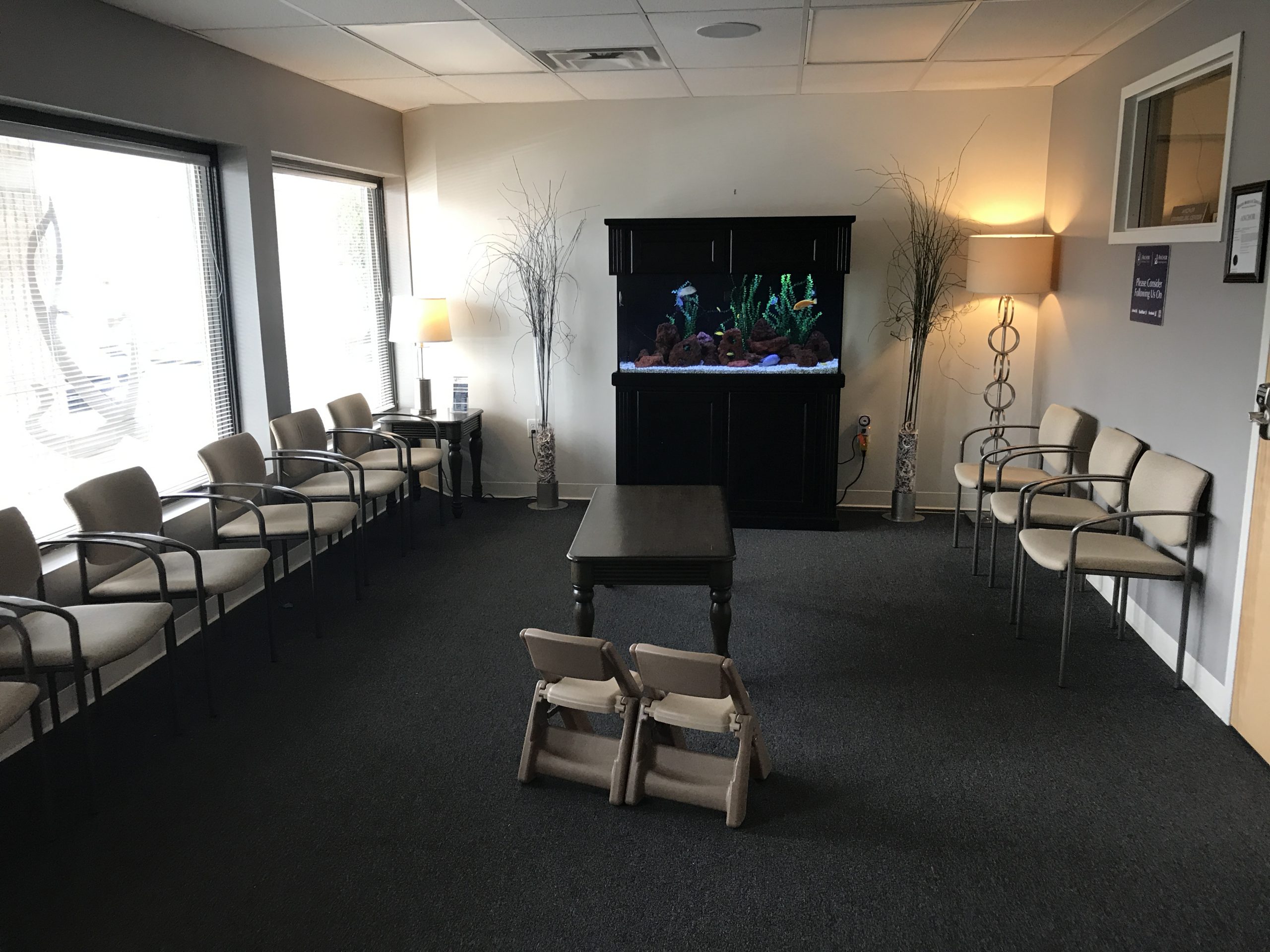
Anchor Counseling Center in Lincoln, Rhode Island, provides comprehensive outpatient behavioral healthcare, including individual counseling, psychiatric medication management, child and adolescent therapy, and family counseling. Located along George Washington Highway, the center serves residents across Northern Rhode Island with both in-person sessions and HIPAA-compliant telehealth services accepted by major regional insurance providers.
Overview of Anchor Counseling Center in Lincoln, Rhode Island
Accessing timely, high-quality mental healthcare is one of the most critical steps in managing emotional well-being, psychological distress, and interpersonal challenges. Anchor Counseling Center operates as a multi-disciplinary behavioral health practice in Rhode Island, with its Lincoln office serving as a primary care hub for individuals and families residing in Providence County and the broader Blackstone Valley region.
The Lincoln office, situated near major arterial routes such as Route 116 (George Washington Highway) and Route 146, offers accessible care to surrounding communities, including Cumberland, Smithfield, North Providence, Central Falls, and Pawtucket. By bringing together licensed clinical social workers (LCSWs), licensed mental health counselors (LMHCs), licensed marriage and family therapists (LMFTs), and psychiatric Advanced Practice Registered Nurses (APRNs), the facility delivers holistic mental health treatment under one roof.
Mental health needs vary significantly across different life stages. A child experiencing academic anxiety requires a vastly different therapeutic strategy than an adult navigating clinical depression, complex PTSD, or marital distress. Anchor Counseling Center addresses these varied needs through specialized treatment programs designed to serve children, adolescents, adults, and seniors.
Core Mental Health Services Offered in Lincoln, RI
Outpatient behavioral therapy at the Lincoln location encompasses evidence-based psychological treatments tailored to specific diagnoses, symptoms, and client goals.
Individual Therapy for Adults
Adult individual counseling focuses on treating mood disorders, anxiety spectrum conditions, trauma, grief, and major life transitions. Clinicians work collaboratively with patients to identify negative cognitive patterns, unhelpful behaviors, and physiological stress responses.
- Anxiety Disorders: Treatment for Generalized Anxiety Disorder (GAD), panic disorder, social anxiety, and specific phobias using cognitive restructuring and exposure techniques.
- Depressive Disorders: Evidence-based approaches for Major Depressive Disorder (MDD) and persistent depressive disorder (dysthymia), focusing on behavioral activation and emotional regulation.
- Trauma and Stressor-Related Disorders: Processing acute trauma, childhood neglect, and Post-Traumatic Stress Disorder (PTSD) using structured, trauma-informed clinical frameworks.
- Life Transitions and Stress Management: Guidance for individuals facing career shifts, divorce, bereavement, or chronic medical diagnoses.
Child, Adolescent, and Teen Counseling
Pediatric and adolescent mental health requires specialized approaches that account for developmental milestones, family dynamics, and educational environments. Clinicians in Lincoln utilize age-appropriate techniques to help younger patients process emotions and build resilience.
- Parent/Guardian Intake & Developmental History Review
- Individual Child Assessment & Rapport Building
- Multi-Disciplinary Goal Setting (Emotional/Academic/Behavioral)
- Bi-Weekly or Weekly Therapy Sessions (Play/CBT Modalities)
- Periodic Family Consultation & Progress Evaluations
Child therapy often integrates play therapy, art-based interventions, and modified cognitive behavioral techniques to treat behavioral challenges, attention-deficit/hyperactivity disorder (ADHD) executive dysfunction, peer conflicts, and school refusal. Adolescents receive targeted support for identity development, self-harm urges, social media stress, and emotional regulation.
Couples and Family Therapy
Relational dynamics strongly influence individual psychological stability. Anchor Counseling Center offers systemic family therapy and couples counseling to resolve chronic conflict, rebuild interpersonal trust, and improve communication.
Therapists assist couples in identifying repetitive negative interaction cycles, addressing infidelity, navigating co-parenting challenges, and managing emotional detachment. Family counseling sessions aim to re-establish healthy boundaries, resolve intergenerational disputes, and support families adjusting to major life changes.
Psychiatric Medication Management
While talk therapy is essential for cognitive and emotional development, psychiatric conditions involving chemical imbalances or severe neurobiological symptoms often benefit from pharmacological support. The psychiatric staff in Lincoln provides comprehensive evaluation, prescription, and monitoring of psychiatric medications.
- Initial Psychiatric Evaluation: A detailed review of medical history, current symptoms, prior medication responses, and potential substance use interaction.
- Medication Selection: Prescribing evidence-based pharmacotherapies, including selective serotonin reuptake inhibitors (SSRIs), serotonin-norepinephrine reuptake inhibitors (SNRIs), mood stabilizers, and non-stimulant or stimulant ADHD medications.
- Ongoing Monitoring: Regularly scheduled follow-up visits to assess dosage effectiveness, monitor potential side effects, and coordinate care with the patient's psychotherapist.
Evidence-Based Therapeutic Modalities Used
Therapists at Anchor Counseling Center draw from several validated clinical frameworks. Treatment plans are customized based on diagnostic criteria established in the Diagnostic and Statistical Manual of Mental Disorders (DSM-5-TR).
- Evidence-Based Approaches
- Cognitive Behavioral Therapy (CBT)
- Dialectical Behavior Therapy (DBT)
- EMDR (Trauma Processing)
Cognitive Behavioral Therapy (CBT)
Cognitive Behavioral Therapy operates on the core principle that thoughts, feelings, and behaviors are interconnected. Clinicians help clients identify automatic negative thoughts (cognitive distortions—such as catastrophizing or all-or-nothing thinking) and evaluate their factual accuracy. By reframing distorted thoughts and modifying unhelpful behaviors, patients experience direct relief from anxiety and depression.
Dialectical Behavior Therapy (DBT) Skills
Originally developed for severe emotional dysregulation and borderline personality traits, DBT combines cognitive techniques with mindfulness practices. DBT emphasizes four foundational skill areas:
- Mindfulness: Increasing present-moment awareness without judgment.
- Distress Tolerance: Managing intense emotional crises without engaging in impulsive or self-destructive actions.
- Emotion Regulation: Identifying, understanding, and modifying overwhelming emotional states.
- Interpersonal Effectiveness: Maintaining personal boundaries and assertive communication while preserving relationships.
Eye Movement Desensitization and Reprocessing (EMDR)
For individuals struggling with single-event trauma or complex developmental trauma, EMDR offers an alternative to traditional talk therapy. According to clinical research published by the American Psychological Association (APA), EMDR uses bilateral stimulation—typically side-to-side eye movements or tactile taps—to help the brain reprocess traumatic memories, reducing their distressing emotional charge.
Modality Comparison Matrix
Understanding the differences between therapeutic modalities helps patients actively participate in their treatment planning.
| Modality | Primary Clinical Focus | Target Symptoms / Conditions | Typical Treatment Duration | Key Interventions Used |
|---|---|---|---|---|
| Cognitive Behavioral Therapy (CBT) | Cognitive reframing & behavioral activation | Anxiety, Depression, OCD, Panic | 12 to 24 weeks | Thought records, exposure logs, behavioral experiments |
| Dialectical Behavior Therapy (DBT) | Emotion regulation & distress tolerance | Borderline Personality, Self-harm, Chronic Suicidality | 6 months to 1 year+ | Mindfulness exercises, diary cards, distress tolerance skills |
| EMDR Therapy | Neurological processing of traumatic memories | PTSD, Childhood Trauma, Phobias | 8 to 20 sessions | Bilateral stimulation, memory desensitization, cognitive interweaves |
| Psychiatric Medication Management | Neurochemical regulation | Bipolar Disorder, Severe MDD, ADHD, Psychosis | Ongoing / Long-term | Pharmacological monitoring, lab work review, dose titration |
| Family / Couples Counseling | Systemic interaction patterns & communication | Interpersonal conflict, Co-parenting, Marital strain | 10 to 30 sessions | Boundary setting, active listening training, structural mapping |
Insurance Coverage, Fees, and Verification Process
Navigating healthcare finances can be stressful, but understanding your mental health coverage helps prevent unexpected expenses.
Accepted Insurance Plans
Anchor Counseling Center accepts most major commercial and regional health insurance plans in Rhode Island. While specific coverage varies by individual policy, commonly accepted networks include:
- Blue Cross Blue Shield of Rhode Island (BCBSRI)
- Neighborhood Health Plan of Rhode Island (NHPRI)
- UnitedHealthcare (UHC)
- Aetna
- Cigna / Evernorth
- Tufts Health Plan
- Medicare (for eligible clinical services)
For state-administered programs and guidelines regarding mental health parity, readers can consult the official Rhode Island Office of the Health Insurance Commissioner (OHIC).
Insurance Verification Checklist:
- Confirm behavioral health benefit inclusion with insurer
- Verify annual deductible balance and copayment amount
- Check if pre-authorization is required for outpatient visits
- Determine telehealth parity rules under your current policy
Self-Pay and Out-of-Network Options
For individuals who prefer not to use health insurance, or whose specific plan is out-of-network, direct self-pay rates are available. Patients choosing out-of-network benefits can request a monthly itemized statement (Superbill) containing standard diagnostic (ICD-10) and procedure (CPT) codes to submit to their insurance carrier for potential partial reimbursement.
Disclaimer: Financial terms, insurance network participation, and copayments are subject to change. Always verify specific coverage directly with your insurance carrier prior to your initial consultation.
Step-by-Step: What to Expect During Your Therapy Journey
Entering therapy involves clear, structured steps designed to ensure psychological safety and clinical fit.
- Initial Intake Scheduling
- Clinical Assessment (60 Minutes)
- Treatment Plan & Goal Setting
- Active Therapy & Reviews
Step 1: Initial Contact and Intake Screening
The process begins by contacting the intake department online or by phone. During this initial screening, the intake coordinator gathers basic demographic details, insurance information, primary clinical concerns, and preferences regarding therapist gender or therapeutic style. This step ensures proper matching with an appropriately credentialed clinician at the Lincoln office.
Step 2: Comprehensive Initial Assessment
The first formal appointment lasts approximately 50 to 60 minutes. The clinician conducts a thorough evaluation covering:
- Current psychological distress and timeline of symptoms.
- Personal medical, psychiatric, and developmental history.
- Family history of mental illness or substance use disorders.
- Social support systems, coping mechanisms, and environmental stressors.
- Formal baseline assessment measures (such as the PHQ-9 for depression or GAD-7 for anxiety).
Step 3: Collaborative Treatment Planning
Based on the assessment, the therapist and client construct a formal treatment plan. This document outlines clear, measurable goals (e.g., "reduce panic attack frequency from three times per week to zero over 90 days") and specifies the evidence-based interventions that will be used to achieve them.
Step 4: Active Therapy and Progress Monitoring
Regular therapy sessions usually occur weekly or bi-weekly for 45 to 50 minutes. As treatment progresses, the therapist periodically reviews goals to evaluate clinical change. Once goals are met, frequency may be reduced to monthly maintenance sessions before formal discharge.
Comparing In-Person Sessions in Lincoln vs. Telehealth Care
Anchor Counseling Center provides both office visits in Lincoln and remote telehealth appointments across Rhode Island. Selecting the appropriate format depends on clinical necessity, logistical requirements, and personal preference.
- In-Person vs. Telehealth Decision Map
- IN-PERSON PREFERRED IF:
- Patient is a young child requiring hands-on play therapy
- Home environment lacks privacy or quiet space
- Complex trauma requires direct physical therapeutic presence
- TELEHEALTH PREFERRED IF:
- Patient faces mobility limitations or transportation barriers
- Schedule demands rapid transition between work and session
- Medically vulnerable individuals reducing exposure risks
- IN-PERSON PREFERRED IF:
In-Person Therapy at the Lincoln Office
Visiting the physical office located on George Washington Highway provides a neutral, structured space away from daily domestic or work distractions.
- Best Suited For: Young children engaged in play therapy, individuals needing complex trauma work (EMDR), and clients who lack private, confidential spaces at home.
- Atmosphere: Quiet, confidential clinical suites designed to promote comfort and focus.
Telehealth Services
Telehealth sessions take place via secure, HIPAA-compliant video platforms accessible from smartphones, tablets, or computers.
- Best Suited For: Busy professionals, parents with childcare responsibilities, individuals with mobility challenges, or residents living further away in Rhode Island.
- Requirements: A stable high-speed internet connection, a private room where confidentiality can be maintained, and a device equipped with a functional camera and microphone.
According to research synthesized by the Substance Abuse and Mental Health Services Administration (SAMHSA), telemental health delivers comparable clinical outcomes to in-person therapy for standard depression, anxiety, and stress-related conditions.
Frequently Asked Questions
How do I schedule an appointment at Anchor Counseling Center in Lincoln, RI?
You can schedule an appointment by calling the central intake phone line or submitting a secure contact form on the official website. The intake team will confirm your insurance coverage, collect basic diagnostic background, and match you with a clinician whose expertise aligns with your needs.
What should I bring to my first mental health intake session?
For your initial appointment, bring a valid government-issued photo ID, your active health insurance card, a current list of all medications and dosages, and any completed initial intake paperwork. If the session is for a minor, bring relevant legal guardianship documentation if applicable.
Are psychiatric medications prescribed during the first visit?
Not necessarily. The initial psychiatric evaluation focuses primarily on diagnostic assessment and medical history gathering. While a prescription may be written during the first visit if clinically indicated, the provider may first request medical records, laboratory testing, or psychological evaluation results to ensure safe prescribing.
What is the cancellation policy for scheduled therapy sessions?
Standard clinical practices require at least 24 to 48 hours' advance notice for cancellations or rescheduling. Failing to provide adequate notice or missing an appointment entirely may result in a late cancellation fee, which is typically not covered by health insurance.
Is therapy confidential?
Yes, mental health services are strictly confidential under state and federal law, including the Health Insurance Portability and Accountability Act (HIPAA). Information cannot be shared with family, employers, or third parties without written consent, except under specific legal obligations such as imminent risk of harm to self or others, or suspected abuse of a child or vulnerable adult.
What should I do if I am experiencing a mental health emergency?
Outpatient practices such as Anchor Counseling Center do not provide immediate 24/7 crisis emergency services. If you or someone you know is in immediate physical danger or experiencing a crisis, call or text 988 to reach the national Suicide & Crisis Lifeline, visit the nearest hospital emergency room, or contact emergency services (911).
Practical Recommendations and Next Actions
If you are considering mental health care at Anchor Counseling Center in Lincoln, RI, follow these actionable steps to prepare:
- Verify Your Insurance Benefits: Call the member services number on the back of your insurance card. Inquire specifically about outpatient behavioral health benefits, deductible status, and required copayments.
- Define Your Goals: Write down a brief summary of the primary symptoms, stressors, or behavioral patterns you wish to address. This helps focus your initial intake session.
- Initiate Contact: Contact the intake department to start the clinician matching process. Specify whether you prefer in-person appointments at the Lincoln office or telehealth care.
- Prepare Confidential Space: If choosing telehealth, test your audio and camera connections in advance and select a secure room free from household interruptions.
Professional Disclaimer: This guide is for informational purposes only and does not constitute formal medical diagnosis, clinical treatment advice, or a physician-patient relationship. Individuals experiencing acute psychiatric distress should seek immediate care from licensed medical personnel or call emergency services.