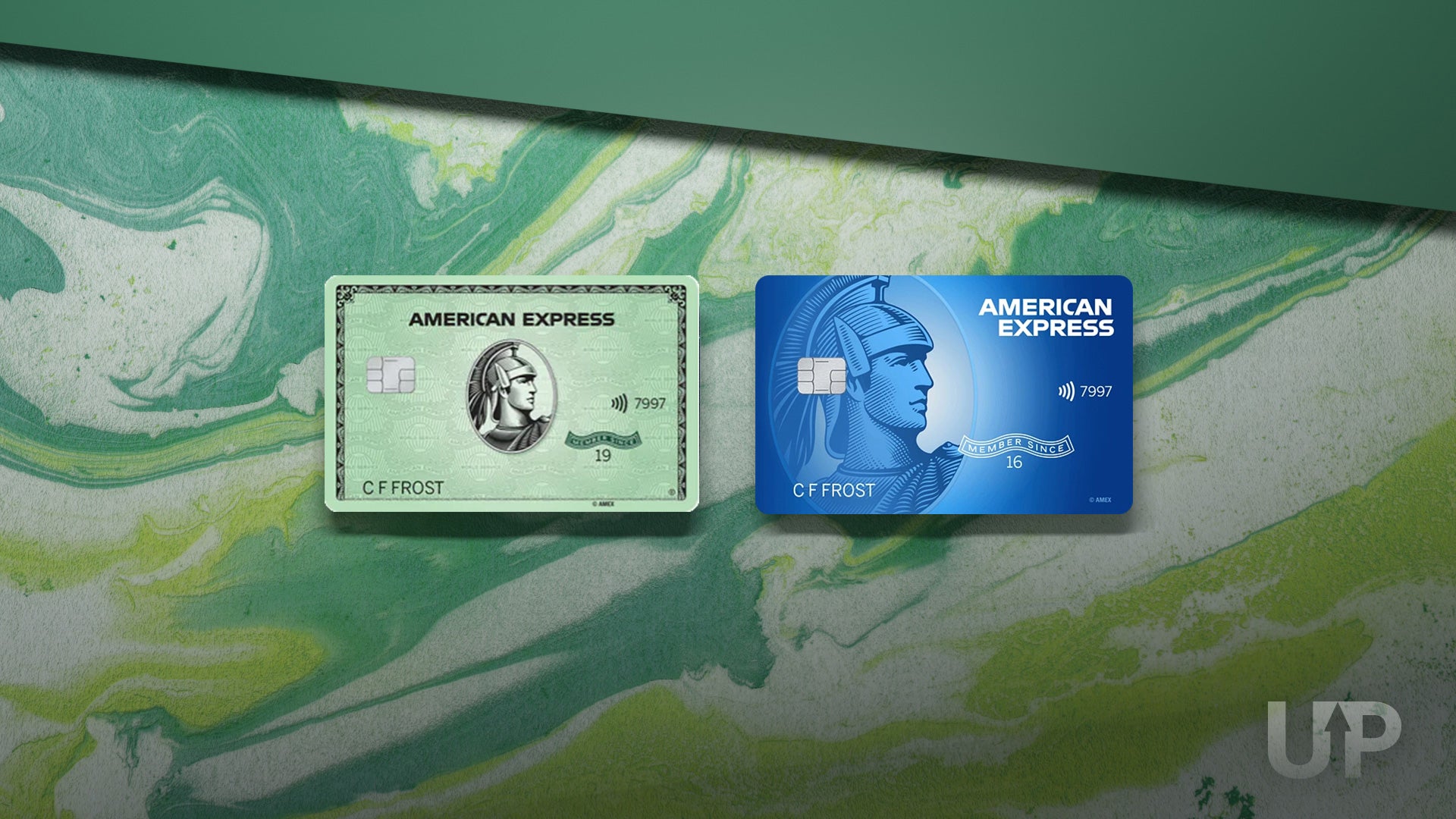
The American Express Blue Cash Everyday® Card remains one of the most competitive no-annual-fee credit cards in 2026, offering 3% cash back on essential categories like U.S. supermarkets, U.S. online retail purchases, and U.S. gas stations (on up to $6,000 per year in purchases for each category). It is an ideal choice for households looking to maximize rewards on daily necessities without the burden of a yearly membership cost.
Identity and Scope of the Blue Cash Everyday Card
The Blue Cash Everyday® Card from American Express has long occupied a strategic position in the "tier-one" cash-back market. Unlike premium cards that focus on luxury travel or high-end dining, this card is designed for the domestic consumer. In 2026, its relevance has only increased as inflation and shifting consumer habits have made "everyday" categories like groceries and online shopping the primary targets for reward optimization.
The card is structured as a cash-back instrument, meaning rewards are earned as Blue Cash Reward Dollars. These can be redeemed easily for statement credits, providing a direct "discount" on your monthly bills. This simplicity is a major draw for users who do not want to navigate the complexities of travel loyalty programs or point valuations.
Detailed Feature and Reward Analysis
To understand the value of this card, one must look at the specific tiers of its reward program. American Express has carefully selected categories that represent the bulk of the average American's non-housing expenses.
3% Cash Back on U.S. Supermarkets
The grocery reward is the flagship feature of the Blue Cash Everyday card. As of 2026, the 3% rate applies to the first $6,000 in annual spending at U.S. supermarkets. After reaching this cap, the rate drops to 1%.
It is important to distinguish between "supermarkets" and "superstores." American Express typically excludes wholesale clubs like Costco or Sam’s Club and "superstores" like Amazon (Fresh excepted in some cases), Target, and Walmart from this 3% category. To maximize this benefit, cardholders should ensure they are shopping at traditional grocery chains like Kroger, Publix, Safeway, or specialized grocers like Whole Foods and Aldi.
3% Cash Back on U.S. Online Retail Purchases
This category was a significant addition to the card’s refresh a few years ago and remains a standout feature in 2026. While many cards offer rewards for specific websites, the Blue Cash Everyday covers a broad range of U.S. online retail. This includes major e-commerce platforms, clothing retailers, electronics stores, and even many pet supply websites.
The flexibility here is immense. Whether you are ordering a new laptop from a major electronics retailer or buying clothes from a boutique’s online storefront, the 3% rate usually applies (subject to the $6,000 annual spending cap). This makes the card a formidable competitor to store-specific cards like the Amazon Prime Visa.
3% Cash Back on U.S. Gas Stations
Despite the rise of electric vehicles, gas remains a primary expense for millions. The 3% back at U.S. gas stations (up to the $6,000 annual cap) provides a consistent hedge against fluctuating fuel prices. This category generally includes most domestic gas stations, though fuel purchased at superstores or warehouse clubs may not always trigger the higher rate, depending on how the merchant is categorized by American Express.
1% Cash Back on Other Purchases
For all spending outside the three primary categories or once the $6,000 annual caps are met, the card earns a flat 1% cash back. While not industry-leading, it ensures that no purchase goes unrewarded.
Beyond Cash Back: Credits and Added Value
One of the ways American Express differentiates its no-annual-fee offerings is by including monthly statement credits that mimic the "lifestyle" perks of its more expensive siblings, like the Gold or Platinum cards.
- Disney Bundle Credit: In 2026, the digital entertainment landscape is more expensive than ever. This card offers a $7 monthly statement credit when you spend $9.99 or more each month on an eligible Disney Bundle subscription. Over a year, this amounts to $84 in value—a significant return for a card with no annual fee.
- Home Chef Credit: For those who prefer meal kits, the card offers up to $15 per month in statement credits for Home Chef purchases (subject to enrollment). If fully utilized, this adds another $180 in annual value.
These credits are "use-it-or-lose-it," meaning they only provide value if you were already planning to use these services. However, for a household that already pays for Disney+, the credit effectively acts as a negative annual fee.
Practical Performance and Value Comparison
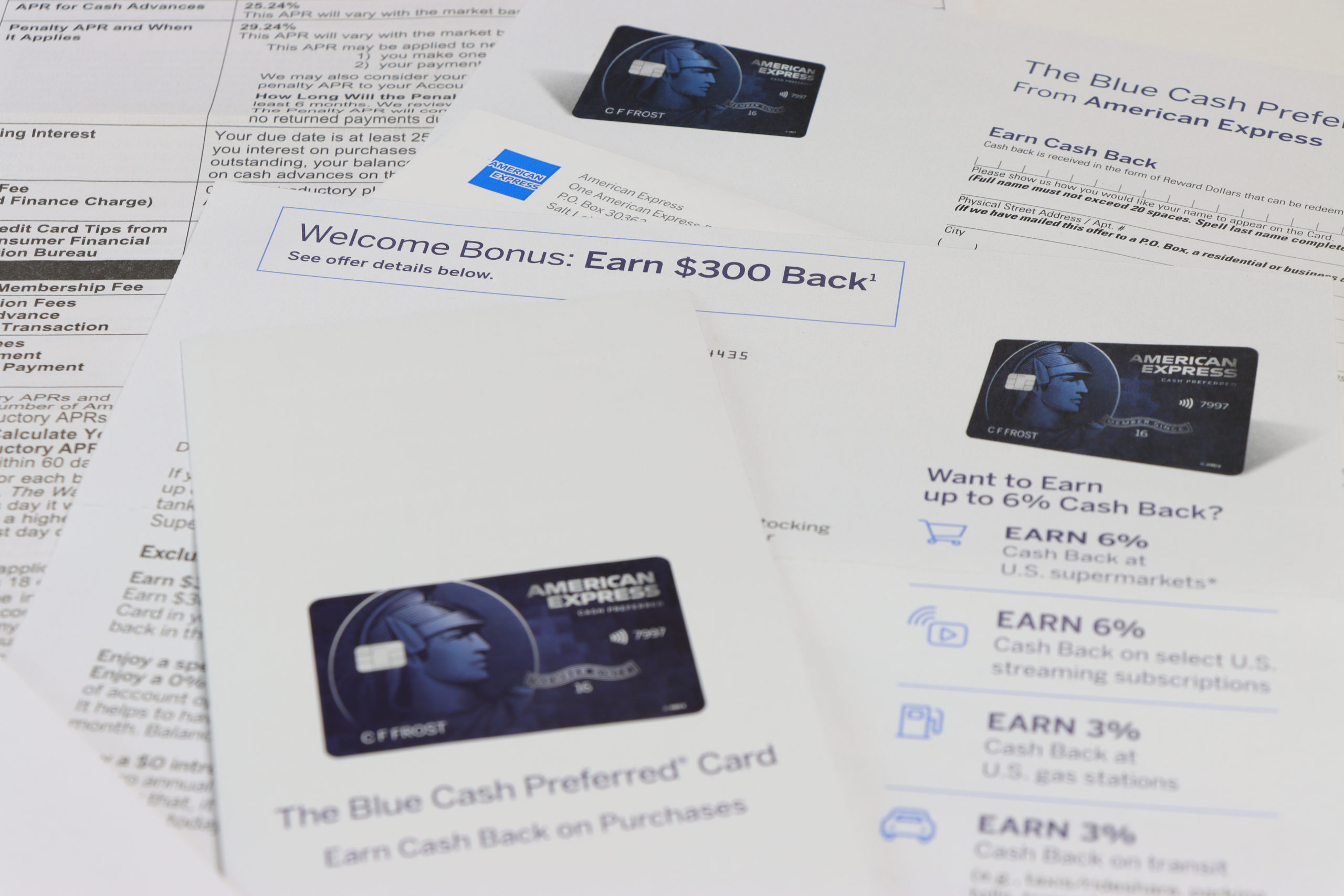
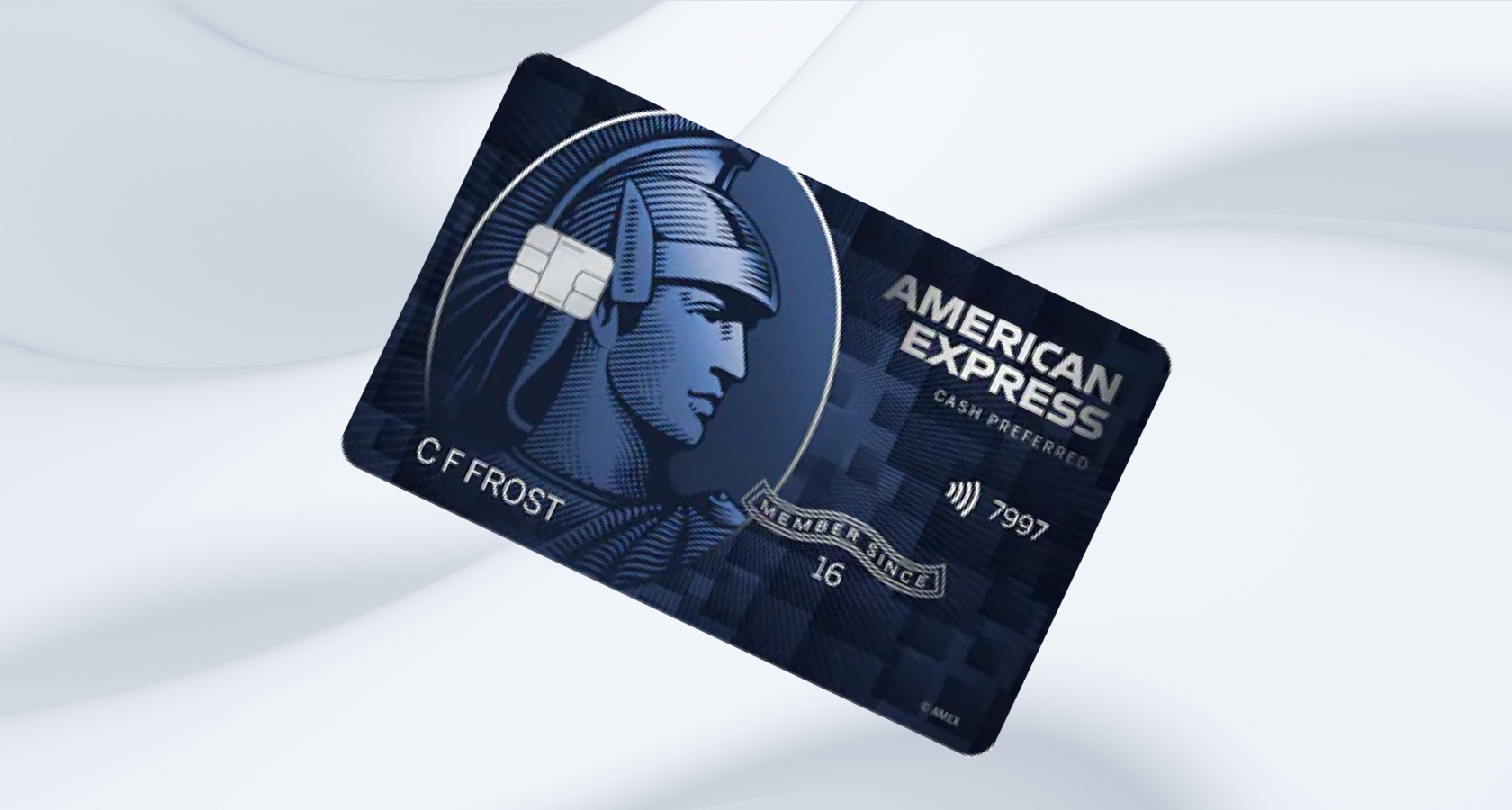
When evaluating the Blue Cash Everyday, the most common comparison is with its "big brother," the Blue Cash Preferred® Card.
| Feature | Blue Cash Everyday | Blue Cash Preferred |
|---|---|---|
| Annual Fee | $0 | $95 (often waived first year) |
| U.S. Supermarkets | 3% (up to $6k spend) | 6% (up to $6k spend) |
| U.S. Online Retail | 3% (up to $6k spend) | N/A (earns 1%) |
| U.S. Gas Stations | 3% (up to $6k spend) | 3% |
| Select U.S. Streaming | 1% | 6% |
| U.S. Transit | 1% | 3% |
| Intro APR | 0% for 15 months | 0% for 12 months |
The "Breakeven" Analysis
For many users, the choice between these two cards comes down to grocery spending. The 6% grocery rate on the Blue Cash Preferred is the highest in the industry, but it comes with a $95 annual fee.
To justify the Blue Cash Preferred over the Everyday, you must earn enough extra cash back to cover the $95 fee. Since the difference in grocery rewards is 3%, you would need to spend at least $3,167 annually at U.S. supermarkets to "break even" compared to the Everyday card. If you spend less than that, or if a large portion of your budget goes to online retail (which is not a 6% category on the Preferred), the Blue Cash Everyday is mathematically the superior choice.
Fees, Requirements, and Limitations
While the card is powerful, it is not without its limitations and costs.
Credit Score Requirements
American Express typically looks for applicants with "Good" to "Excellent" credit. In the 2026 lending environment, this usually translates to a FICO score of 690 or higher. Those with a shorter credit history may still be approved if they have an existing relationship with American Express or a strong income-to-debt ratio.
Foreign Transaction Fees
The Blue Cash Everyday is a poor choice for international travel. It carries a 2.7% foreign transaction fee. If you use this card while vacationing outside the United States, the fee will almost entirely negate the rewards you earn. For international spending, a card like the Capital One SavorOne is a better alternative as it has no foreign transaction fees.
Interest Rates and APR
The card offers a competitive introductory 0% APR on both purchases and balance transfers for the first 15 months of account opening. This is an excellent tool for financing a large purchase or paying down existing high-interest debt. However, once the intro period ends, the variable APR kicks in (typically ranging from 19.24% to 29.99% based on creditworthiness as of 2026). As with all rewards cards, the interest charges will far outweigh any cash back earned if you carry a monthly balance.
Who Should Apply for This Card?
The Blue Cash Everyday is a "specialist" card for the domestic spender. It is ideally suited for:
- The Suburban Commuter: If your budget is dominated by grocery runs and trips to the gas station, the 3% categories align perfectly with your lifestyle.
- The E-commerce Enthusiast: Because "online retail" is such a broad category, this card serves as a catch-all for digital shopping that most other cards relegate to the 1% tier.
- The Fee-Averse Saver: If you refuse to pay an annual fee on principle, this is one of the highest-value $0 cards on the market.
- Existing Amex Fans: If you already use the American Express app or website, adding this card is seamless and allows you to consolidate your financial management.
Conversely, it is not the right fit for:
- Frequent Travelers: The foreign transaction fees and lack of travel protections (like primary rental car insurance) make it a "stay-at-home" card.
- Big Grocery Spenders: If your family spends $1,000 a month on groceries, you will hit the $6,000 cap by June. In that case, the Blue Cash Preferred or the American Express® Gold Card (which has a $25,000 cap on groceries) would be more lucrative despite their annual fees.
Maximizing Your Cash Back
To get the most out of the Blue Cash Everyday in 2026, cardholders should adopt a few strategic habits:
- Use the "Plan It" Feature: American Express often offers "Plan It" options where you can pay off large purchases over time with a fixed monthly fee instead of interest. Sometimes, there are promotions for $0 fee plans, which can be useful for budgeting.
- Monitor Amex Offers: One of the most underrated benefits of any Amex card is the "Amex Offers" section in the app. These are targeted discounts or extra cash-back opportunities at specific retailers (e.g., "Spend $50 at Best Buy, get $10 back"). These offers can easily save a cardholder an additional $100–$200 per year.
- Enroll in Statement Credits: The Disney Bundle and Home Chef credits are not automatic. You must log in to your American Express account and manually enroll in these benefits before they will apply.
Frequently Asked Questions
What counts as "U.S. Online Retail Purchases"?
This category includes purchases made on a website or through an app from a merchant located in the U.S. that sells physical goods. This includes most major retailers (Amazon, Walmart.com, etc.), but excludes service-based online transactions like food delivery (UberEats), travel bookings, or digital subscriptions (Netflix).
Does the Blue Cash Everyday have a welcome bonus?
Yes, American Express typically offers a welcome bonus for new cardholders. In 2026, this is usually structured as a $200 statement credit after you spend $2,000 on eligible purchases within the first 6 months of account opening. These terms can vary, so it is vital to check the current offer before applying.
Is there a limit to how much cash back I can earn?
There is no limit on the total cash back you can earn at the 1% level. However, the 3% categories (Supermarkets, Online Retail, and Gas) are each capped at $6,000 in spending per calendar year. Once you hit that $6,000 limit in a category, you will earn 1% on those purchases for the remainder of the year.
How do I redeem my cash back?
You can redeem your Reward Dollars for a statement credit or for merchandise through the American Express portal. The most efficient way is the statement credit, which is usually available once you have accumulated at least $25 in rewards.
Final Recommendation: Should You Get It?
As we move through 2026, the American Express Blue Cash Everyday® Card remains a top-tier recommendation for anyone seeking a no-nonsense, high-value cash-back card. Its strength lies in its balance. It offers high rewards on the three most common spending categories for the average American household without demanding an annual fee.
While the $6,000 caps may be restrictive for very large families, the inclusion of the online retail category makes this card a modern essential. If you spend heavily on gas, groceries, and internet shopping—and you want a card from a reputable issuer with excellent customer service—the Blue Cash Everyday should be at the top of your list.
Next Action: Before applying, review your last three months of bank statements. If your combined spending on groceries, gas, and online retail exceeds $500 per month, the rewards from this card will likely provide a significant boost to your monthly budget. Ensure your credit score is in the "Good" range (690+) to maximize your chances of approval.