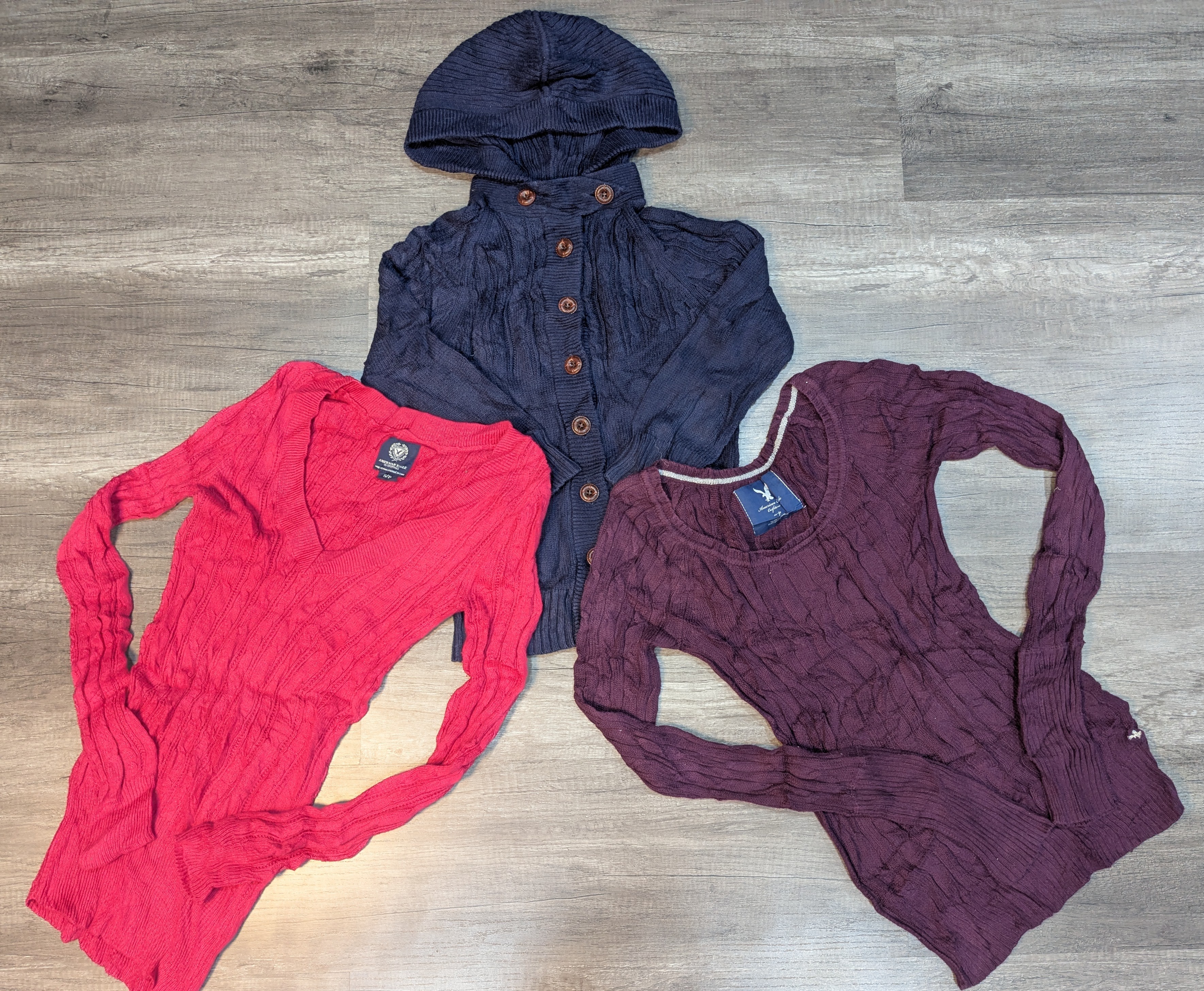
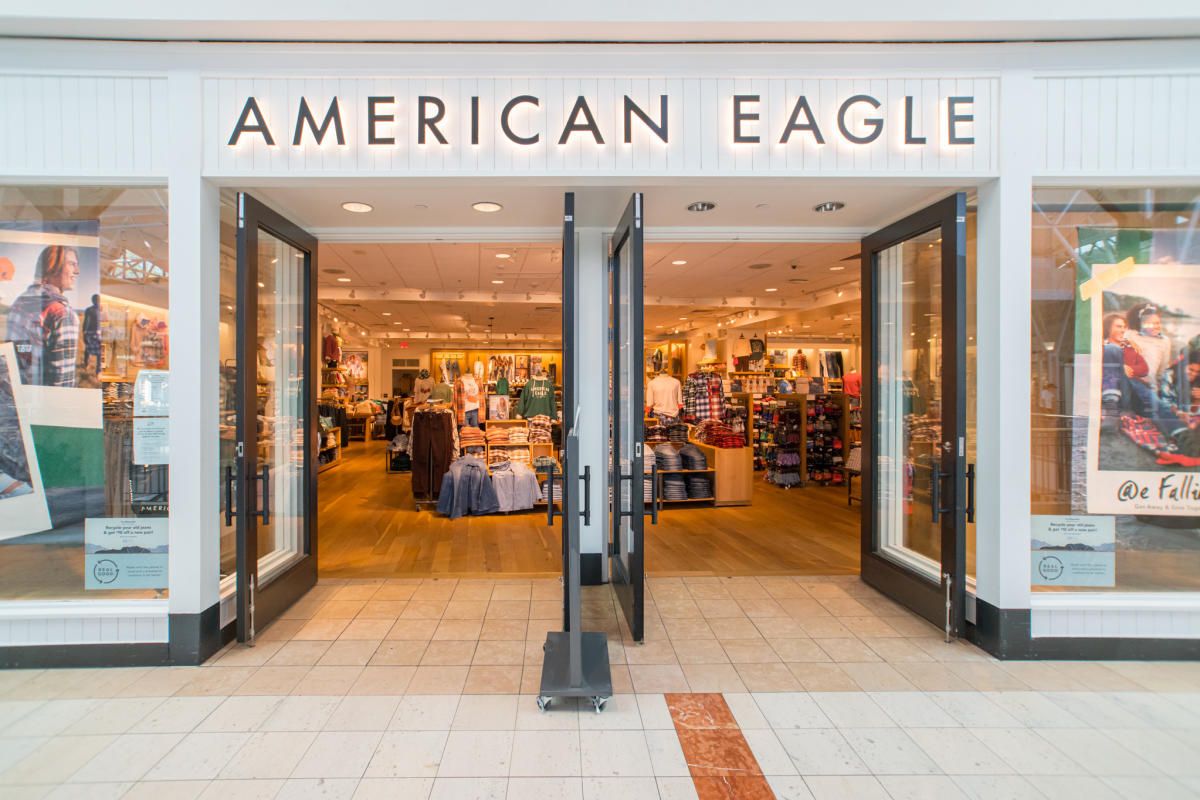
In 2026, the American Eagle and Aeropostale retail landscape is defined by a sharp divergence in business models and market positioning. American Eagle Outfitters (AEO) has transitioned into a lifestyle powerhouse driven by the explosive growth of Aerie and a sophisticated supply chain, while Aeropostale has found stability as a high-volume, value-driven brand under the ownership of the SPARC Group.
The Evolution of Teen Retail: From Mall Staples to Lifestyle Brands
The retail landscape for teen apparel has undergone a radical transformation over the last decade. Once defined solely by large-scale mall footprints and aggressive logo-driven marketing, the sector in 2026 is now characterized by digital-first strategies and highly segmented brand identities. The survival and subsequent success of American Eagle and Aeropostale represent two distinct paths through the "retail apocalypse" that claimed many of their contemporaries.
American Eagle has successfully pivoted by moving away from being just a "clothing store" to becoming a platform for self-expression. By 2026, their focus on denim—a category they consistently lead—has been bolstered by significant investments in fit technology and sustainable manufacturing. Meanwhile, Aeropostale, which faced bankruptcy in 2016, has been revitalized through a unique ownership structure. Being part of the SPARC Group (a joint venture between Authentic Brands Group and Simon Property Group) has allowed Aeropostale to leverage massive real estate advantages and operational efficiencies that standalone retailers struggle to match.
American Eagle Outfitters: A Dominant Force in Lifestyle and Inclusivity
American Eagle Outfitters (AEO) entered 2026 as one of the most resilient players in the apparel industry. Their success is built on a "portfolio" approach, where the flagship American Eagle brand provides a steady foundation of denim and casual wear, while sub-brands like Aerie and Offline by Aerie provide high-growth engines.
The Aerie Phenomenon and Market Disruption
Aerie remains the crown jewel of the AEO portfolio. By sticking to its "Aerie Real" campaign—which famously pledges never to retouch models—the brand has captured a massive share of the intimate and activewear market. In 2026, Aerie is no longer just a "sidekick" to American Eagle; it is a standalone destination that rivals legacy players like Victoria's Secret. The expansion into Offline by Aerie has allowed the company to capitalize on the "athleisure" trend, which has evolved into a permanent fixture of the 2026 wardrobe.
Denim Leadership and Technical Innovation
Denim is the core of the American Eagle brand identity. To maintain its lead, AEO has invested heavily in "Real Good" denim, a sustainability initiative that focuses on water reduction and recycled materials. In 2026, the brand uses AI-driven fit tools both online and in-store to reduce return rates and improve customer satisfaction. This technical depth allows them to command a higher price point than value-oriented competitors like Aeropostale or fast-fashion giants like Shein.
Aeropostale: The Value-Driven Resurgence
While American Eagle occupies the "premium-lifestyle" tier of the mall, Aeropostale has carved out a dominant position in the value-driven segment. After its restructuring, the brand moved away from trying to set expensive trends and instead focused on providing "on-trend essentials" at a price point that appeals to budget-conscious Gen Z and Gen Alpha consumers.
The SPARC Group Advantage
Aeropostale’s 2026 operations are a masterclass in modern retail efficiency. Because the brand is co-owned by Simon Property Group, one of the largest mall owners in the United States, Aeropostale enjoys strategic placement in high-traffic locations with lease terms that are often more favorable than those of independent retailers. This "landlord-retailer" synergy allows Aeropostale to maintain a robust physical presence even as other brands retreat to purely digital models.
Navigating the "Fast-Fashion" Competition
Aeropostale has successfully positioned itself as a bridge between high-end mall brands and ultra-fast-fashion websites. By maintaining physical stores where teens can try on clothes—a key social activity for Gen Alpha—Aeropostale offers a tangible experience that online-only retailers cannot replicate. In 2026, their product cycle has been shortened significantly, allowing them to react to TikTok-driven trends in weeks rather than months.
Comparative Analysis: Strategic Differences in 2026
The following table outlines the key differences in how these two entities navigate the 2026 retail landscape, focusing on their business models, target demographics, and core strengths.
| Feature | American Eagle Outfitters (AEO) | Aeropostale (SPARC Group) |
|---|---|---|
| Primary Demographic | Ages 15–25 (Gen Z / Young Millennial) | Ages 13–19 (Gen Z / Gen Alpha) |
| Pricing Strategy | Mid-range ($40–$80 for denim) | Value-oriented ($20–$50 for denim) |
| Key Growth Driver | Aerie and Offline sub-brands | Mall-based volume and SPARC efficiencies |
| Digital Integration | Advanced; Quiet Platforms logistics | Improving; Focused on Social Commerce |
| Sustainability | High (Real Good initiative, ESG focus) | Moderate (Standard industry compliance) |
| Brand Identity | Inclusivity, denim expertise, lifestyle | Trend-right basics, affordability, school-wear |
Omnichannel Logistics and the Supply Chain Edge
In 2026, the "retail landscape" is as much about logistics as it is about fashion. American Eagle took a bold step years ago by acquiring Quiet Logistics (now Quiet Platforms), a move that has paid dividends. By owning the fulfillment centers and the technology that powers them, AEO can offer faster shipping and more efficient store replenishment than many of its peers. This vertical integration allows American Eagle to act as a logistics provider for other brands, creating a diversified revenue stream that buffers them against dips in apparel sales.
Aeropostale, conversely, relies on the scale of the SPARC Group. By sharing logistics and back-end technology with other SPARC-owned brands like Forever 21 and Brooks Brothers, Aeropostale achieves economies of scale that keep their overhead low. This allows them to maintain the aggressive promotional cadence (e.g., "Buy One Get Two Free" sales) that their customer base has come to expect, without eroding their profit margins to unsustainable levels.
The Impact of Gen Alpha and Social Commerce
By 2026, the oldest members of Gen Alpha are in their mid-teens, and their shopping habits are significantly different from the Millennials who preceded them. Both American Eagle and Aeropostale have had to adapt to a landscape where the "storefront" is often a smartphone screen.
TikTok Shop and Viral Marketing
Both brands have integrated deeply with social commerce platforms. However, their approaches differ:
- American Eagle focuses on long-term influencer partnerships and community-building. They use "ambassadors" who reflect their inclusivity values, creating high-quality content that feels more like entertainment than advertising.
- Aeropostale leans into high-frequency, trend-based viral moments. Their strategy involves saturating platforms with "hauls" and quick-look videos that highlight price accessibility.
Sustainability and Ethical Sourcing in 2026
Consumer demand for transparency has made ESG (Environmental, Social, and Governance) reporting a non-negotiable part of the retail landscape. American Eagle Outfitters has set ambitious goals for carbon neutrality and water reduction, particularly in their denim manufacturing processes. This has helped them retain the loyalty of older Gen Z consumers who are increasingly critical of "fast fashion" waste.
Aeropostale has also had to step up its sustainability efforts to remain competitive. While their primary focus remains value, they have introduced recycled polyester lines and more transparent sourcing disclosures to meet the minimum expectations of the 2026 consumer. For Aeropostale, the challenge is balancing these environmental improvements with the low price points their customers demand.
Frequently Asked Questions
Which brand is currently more popular in 2026?
In terms of total market valuation and cultural "cool factor," American Eagle (AEO) holds the lead, largely due to the massive success of the Aerie brand. However, Aeropostale remains a top choice for "back-to-school" shopping and value-conscious families, maintaining a very high volume of unit sales across North America.
Does American Eagle own Aeropostale?
No. American Eagle Outfitters is a publicly traded company (NYSE: AEO). Aeropostale is a private brand owned by the SPARC Group, which is a partnership between Authentic Brands Group and Simon Property Group. They are direct competitors in the teen apparel space.
Why is denim more expensive at American Eagle than Aeropostale?
American Eagle's higher price point reflects their investment in technical denim design, specialized fabrics (like their "AirFlex" and "Strigid" lines), and more rigorous sustainability standards. Aeropostale focuses on "essential" denim styles that use more standardized production methods to keep costs low.
Are physical malls still relevant for these brands in 2026?
Yes, but their roles have changed. For American Eagle, malls serve as "experience centers" and fulfillment hubs for online orders. For Aeropostale, malls remain the primary sales channel, benefiting from the brand's relationship with Simon Property Group to secure prime locations that still attract significant foot traffic.
How do these brands handle online returns?
AEO uses its Quiet Platforms logistics network to process returns efficiently, often encouraging in-store returns to drive additional foot traffic. Aeropostale leverages its wide store network for "BOPIS" (Buy Online, Pick Up In Store) and "BORIS" (Buy Online, Return In Store) to minimize the high shipping costs associated with mail-in returns.
Practical Recommendation: Navigating the 2026 Landscape
For investors and industry analysts, the 2026 retail landscape suggests a "barbell" strategy is winning. On one end, you have American Eagle, which is winning by moving upmarket into "lifestyle" and "specialty" categories (denim and intimates) where brand loyalty is high. On the other end, Aeropostale is winning by dominating the "value" segment through operational efficiency and strategic real estate partnerships.
For consumers, the choice remains clear: if you are looking for high-performance denim and inclusive branding with a focus on sustainability, American Eagle is the primary destination. If your priority is staying on-trend while managing a strict budget, Aeropostale offers the best price-to-style ratio in the current market. As we move deeper into the 2020s, the ability of these brands to integrate their physical presence with the digital lives of Gen Alpha will be the ultimate determinant of their longevity.