For decades, the American Dental Association (ADA) has partnered with Great-West Life & Annuity Insurance Company to provide exclusive, member-only insurance products designed for the unique professional and personal risks faced by dentists. These plans, often referred to as ADA Member Insurance Plans, offer competitive group rates and specialized coverage options—including term life, universal life, and disability protection—tailored specifically to the career stages of dental professionals.
The relationship between the American Dental Association (ADA) and Great-West Life & Annuity Insurance Company (now often operating under the protective umbrella of its successor entities or specific ADA-branded divisions) is one of the most enduring professional insurance partnerships in the United States. As of 2026, this collaboration continues to serve as a cornerstone of the ADA Member Advantage program, providing financial security to tens of thousands of dentists, dental students, and their families.
Navigating insurance as a dental professional requires understanding how group policies differ from individual market products. Because dentists face specific ergonomic risks and high educational debt, the ADA-sponsored plans are structured to address these nuances. Whether you are a dental student looking for foundational protection or a seasoned practitioner planning an exit strategy, the American Dental Association Great-West life insurance suite offers a range of products designed to grow with your practice.
The Evolution of the ADA and Great-West Partnership
The ADA first endorsed Great-West Life in 1934. Over nearly a century, the partnership has evolved to meet the changing economic landscape of the dental profession. While corporate restructuring in the insurance industry has occurred—notably with Great-West’s individual life insurance business being serviced through various administrative platforms—the ADA Member Insurance Plans remain a distinct entity managed with the oversight of the ADA Council on Members Insurance and Retirement Programs.
This oversight is critical. Unlike a standard commercial broker, the ADA Council acts as a fiduciary-style advocate for members, ensuring that the Great-West underwritten policies maintain high standards of solvency, claim-handling transparency, and price stability. In 2026, the focus remains on "returning value," often manifested through premium credits or dividends that lower the net cost of insurance for members.
Core Life Insurance Products for ADA Members
The primary focus for many members is the life insurance portfolio. Great-West underwrites several distinct types of life insurance for the ADA, each serving a different financial purpose.
1. ADA Term Life Insurance
Term life insurance is the most common choice for younger dentists and those with significant liabilities, such as mortgages or practice loans. It provides high coverage amounts for a lower initial cost compared to permanent insurance.
- Coverage Limits: Members can typically apply for coverage up to $3,000,000.
- Renewability: Policies are generally renewable up to age 80, though premiums increase in five-year age brackets.
- The "Plus" Component: Many ADA term plans include a "Term Plus" option, which allows for a portion of the premium to be directed toward a side fund or to facilitate easier conversion to permanent coverage later.
2. ADA Universal Life Insurance
For dentists seeking permanent protection with a cash-value component, Universal Life (UL) is the flagship offering. This product is designed for estate planning, long-term wealth transfer, or simply ensuring that a death benefit remains in place regardless of age.
- Flexible Premiums: UL allows policyholders to adjust their premium payments within certain limits, making it useful for practitioners with fluctuating annual incomes.
- Tax-Deferred Growth: The cash value component grows on a tax-deferred basis, which can be a valuable supplement to traditional 401(k) or SEP-IRA retirement accounts.
- Permanent Security: Unlike term insurance, which expires, Universal Life is intended to remain in force for the member's entire life, provided the policy is adequately funded.
3. Student Term Life Insurance
The ADA and Great-West place a high priority on dental students. To encourage early participation, the ADA often provides a base amount of term life insurance (frequently $50,000) at no cost to student members. This introduces students to the importance of risk management before they enter the high-stakes environment of private practice.
Disability and Income Protection: A Critical Companion
While "life insurance" is the primary search intent for many, the Great-West suite for the ADA is incomplete without mentioning Disability Income protection. For a dentist, their ability to perform fine-motor tasks is their greatest asset.
The ADA Great-West Disability Income Plan is famous for its "Own-Occupation" definition of disability. This means that if a dentist is unable to perform the specific duties of dentistry due to injury or illness, the policy pays out even if they are healthy enough to work in another profession (such as teaching or consulting). In 2026, this remains a non-negotiable feature for specialists whose income depends on specific surgical or clinical skills.
Eligibility and Enrollment Requirements
To access these insurance products, individuals must meet specific criteria. The group nature of the plan means that while rates are often lower, the eligibility rules are strict.
- ADA Membership: Active membership in the American Dental Association is a prerequisite for most plans. If membership lapses, the policyholder may lose the preferential group rate or the ability to renew the policy under the same terms.
- Medical Underwriting: Except for certain "guaranteed issue" periods (often during dental school or immediately upon joining the ADA), applicants must undergo medical underwriting. This may include a health questionnaire, a paramedical exam, and a review of medical records.
- Age Limits: Most new applications for term life insurance must be submitted before the applicant reaches age 70, though existing policies can often be maintained much longer.
Comparing ADA Great-West Plans
The following table outlines the primary differences between the most popular life insurance products offered through the ADA-Great West partnership as they stand in 2026.
| Feature | Term Life Insurance | Universal Life Insurance | Term Plus |
|---|---|---|---|
| Primary Goal | Affordable, high-limit protection | Long-term wealth & permanent cover | Hybrid of term with savings potential |
| Duration | Set terms (renewable to age 80) | Lifetime (Permanent) | Set terms (convertible) |
| Cash Value | No | Yes (Tax-deferred growth) | Limited / Side-fund options |
| Premium Structure | Increases every 5 years | Flexible (based on funding) | Level for specific periods |
| Max Coverage | Up to $3,000,000 | Variable based on underwriting | Up to $3,000,000 |
| Best For | Young families, debt coverage | Estate planning, lifelong security | Transitional career stages |
Understanding Premium Credits and Dividends
One of the unique aspects of the American Dental Association Great-West life insurance programs is the historical distribution of Premium Credits. Because the plan is a non-participating group policy but managed for the benefit of members, the ADA often negotiates a return of "excess" premiums.
When the claims experience of the group is better than anticipated (i.e., fewer deaths or disabilities than the actuarial models predicted), the surplus may be returned to the policyholders. This effectively lowers the annual cost of the insurance. While not guaranteed, these credits have been a staple of the program for decades. In 2026, members are encouraged to check their annual statements to see how these credits have been applied to their current year's premiums.
The Claims Process and Beneficiary Management
Filing a claim with Great-West (through the ADA Member Insurance Plans) is designed to be streamlined, recognizing the stress that dental families are under during a loss.
- Notification: The beneficiary or the executor of the estate must contact the ADA Member Insurance Plans administrator.
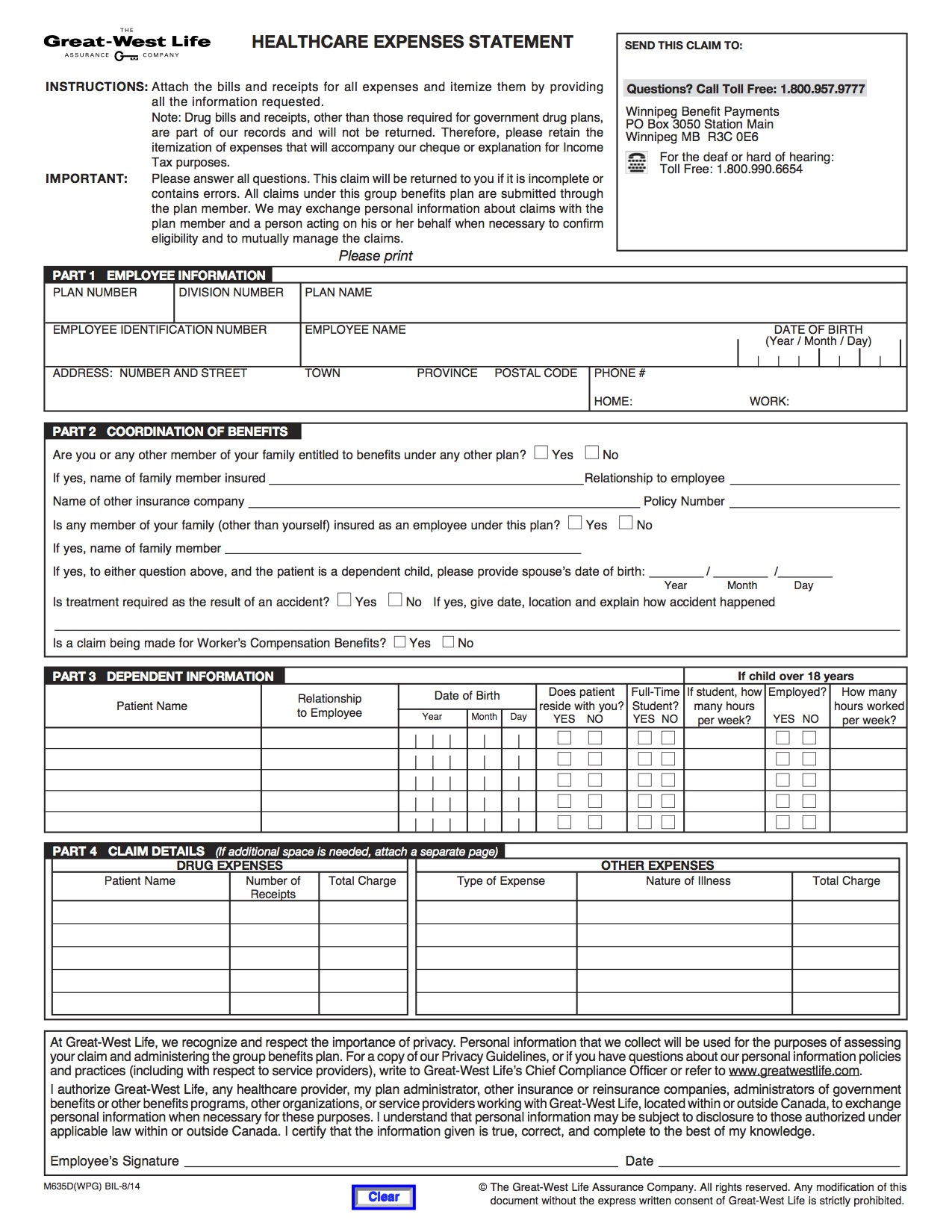
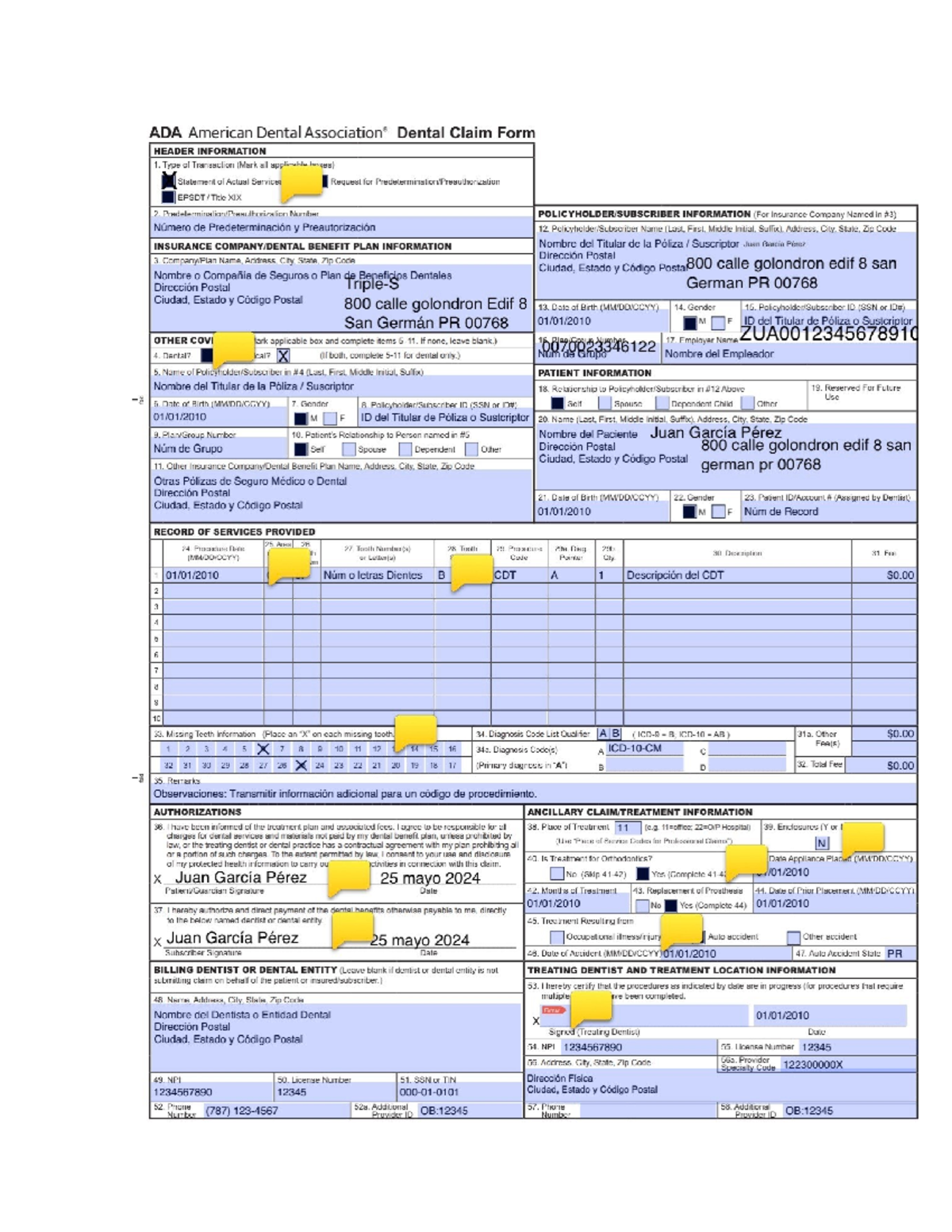
- Documentation: Standard requirements include a certified copy of the death certificate and a completed claim form.
- Verification: The claims department verifies that the policy was in force and that the cause of death does not trigger any standard exclusions (such as suicide within the first two years of the policy, which is a standard industry clause).
- Payout: Payouts are typically made via check or electronic transfer. In some cases, beneficiaries may choose to leave the funds in an interest-bearing account managed by the insurer.
Beneficiary Updates: It is a common mistake for dentists to set up a policy during residency and forget to update the beneficiary after marriage or the birth of children. The ADA recommends a "policy check-up" every two years or after any major life event.
Why Choose ADA Great-West Over Commercial Alternatives?
Dentists are frequently targeted by independent insurance agents. While commercial "Big Name" insurers offer excellent products, the ADA-sponsored plans have distinct advantages:
- Portability: The insurance generally stays with you regardless of whether you change practices, move states, or switch from private practice to academia, as long as you maintain your ADA membership.
- Specialized Advocacy: If a member has a dispute regarding a claim or underwriting, the ADA Council on Members Insurance can often provide a level of intervention and oversight that an individual consumer would not have against a massive insurance corporation.
- Volume Discounts: By pooling over 100,000 members, the ADA leverages massive purchasing power to keep administrative costs lower than individual retail policies.
Common Pitfalls and Considerations
While the American Dental Association Great-West life insurance plans are robust, they are not a "one-size-fits-all" solution.
- The "Membership Trap": If you decide to leave the ADA or if your local dental society has a dispute that affects your membership status, your insurance costs could rise significantly, or you could lose coverage.
- Step-Rate Premiums: Younger dentists often find the term insurance incredibly cheap, but they may fail to account for the price hikes that occur every five years. It is important to project your insurance costs into your 50s and 60s to ensure the plan remains affordable.
- Underwriting Sensitivity: Because it is a group plan, the underwriting can sometimes be more "binary." If you have a specific chronic health condition, you might occasionally find better specialized rates with an independent broker who can shop your specific medical profile to multiple carriers.
FAQs
Can I keep my ADA Great-West life insurance if I retire?
Yes, you can generally maintain your coverage as long as you maintain an "Affiliate" or "Retired" membership status with the ADA. Many dentists transition from the Term Life plan to a Universal Life plan as they approach retirement to ensure they have permanent coverage without the rising costs of age-bracketed term insurance.
Is the ADA Great-West plan available to dental office staff?
The primary ADA Member Insurance Plans are designed specifically for dentist members and student members. However, the ADA often provides separate resources or endorsed programs for staff through different vendors. The Great-West life and disability products discussed here are typically reserved for the dentists themselves.
How do I increase my coverage limit as my practice grows?
Increasing coverage usually requires "evidence of insurability." This means you will need to complete a new health application and potentially undergo a new medical exam. It is often wise to apply for more coverage than you currently need if you anticipate significant lifestyle or practice debt increases in the near future.
What is the difference between ADA Member Advantage and Great-West?
ADA Member Advantage is the entity within the ADA that vets and endorses products and services. Great-West Life & Annuity is the actual insurance company that underwrites the policies and pays the claims. When you buy "ADA Insurance," you are buying a Great-West policy that has been customized and endorsed by the ADA.
Are premiums for ADA life insurance tax-deductible?
Generally, life insurance premiums paid for personal protection are not tax-deductible. However, if the insurance is used for specific business purposes, such as an Office Overhead Expense policy (which is also offered through the ADA/Great-West partnership), those premiums may be deductible as a business expense. Always consult with a tax professional regarding your specific situation.
Final Recommendation for 2026
For most dental professionals, the American Dental Association Great-West life insurance plans should serve as the foundation of their risk management strategy. The combination of "Own-Occupation" definitions for disability and high-limit, member-negotiated term life rates is difficult to beat in the open market.
As you evaluate your needs in 2026, start by auditing your current debt-to-income ratio and your family’s long-term financial requirements. If you are in your first ten years of practice, focus on a high-limit Term Life policy to cover student loans and mortgage debt. As you move into mid-career, consider diversifying into a Universal Life policy to lock in permanent protection. Regardless of the plan chosen, the key is to maintain active ADA membership to ensure you never lose access to the group's preferential rates and advocacy.