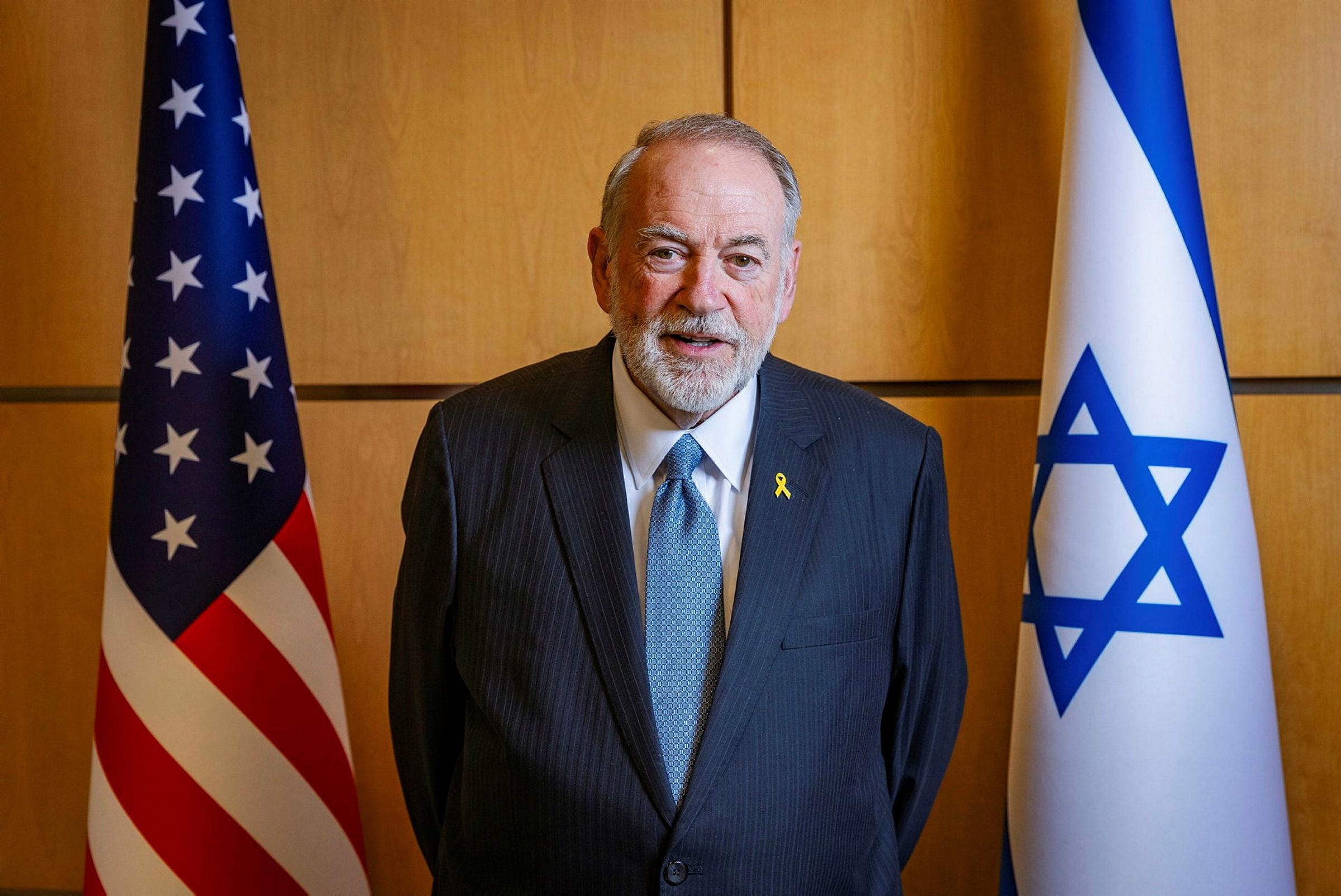
In 2026, the U.S. Ambassador to Israel receives a base salary typically ranging between $191,900 and $221,900 per year. This compensation is dictated by the Senior Foreign Service pay scale or the Executive Schedule. Total compensation increases significantly when including tax-free housing, cost-of-living adjustments, and potential hardship differentials for the Jerusalem post.
The role of a United States Ambassador is among the most prestigious and demanding positions within the federal government. When that role is stationed in a geopolitically sensitive and strategically vital location like Israel, the compensation package reflects both the seniority required and the unique challenges of the environment. While the base "salary" is often the focus of public inquiry, the total value of the appointment involves a complex architecture of federal statutes, diplomatic allowances, and non-monetary benefits that can effectively double the economic value of the position.
The Foundation of Diplomatic Pay: SFS and the Executive Schedule
The salary of the U.S. Ambassador to Israel is not a single fixed number, but rather a placement within a rigid federal hierarchy. In 2026, compensation for such high-level diplomats is primarily governed by two systems: the Senior Foreign Service (SFS) pay scale and the Executive Schedule (EX).
Senior Foreign Service (SFS) Classification
Most career diplomats who reach the rank of Ambassador fall under the SFS category. The SFS was established by the Foreign Service Act of 1980 and is designed to reward performance and experience rather than just years of service. For a post as critical as the Ambassador to Israel, the appointee is almost always at the highest tiers of the SFS:
- Career Minister (CM): The highest rank for career diplomats.
- Minister Counselor (MC): The second-highest rank.
The base pay for SFS members in 2026 is capped by law. Under 5 U.S.C. § 5382, the maximum rate of basic pay for the SFS cannot exceed the rate for Level II of the Executive Schedule ($221,900 in 2026) for those in agencies with a certified performance appraisal system.
Political Appointees and the Executive Schedule
It is common for the Ambassador to Israel to be a "political appointee"—an individual chosen by the President from outside the career foreign service. These individuals are typically paid according to the Executive Schedule. Under the current 2026 pay structures, a Chief of Mission (Ambassador) is usually placed at Executive Level III or Level II, depending on the specific terms of their appointment and the administration's budget directives.
Breakdown of Allowances: The "Hidden" Compensation
Base salary tells only half the story. Because living abroad as a representative of the U.S. government involves specific expenses and risks, the Department of State provides several "Post Allowances." For the Ambassador to Israel, these are governed by the Standardized Regulations (DSSR).
Post Allowance (Cost of Living Adjustment)
The cost of living in Jerusalem and Tel Aviv is historically high, often rivaling major U.S. cities like New York or San Francisco. The Post Allowance is a non-taxable payment intended to compensate employees for the higher cost of goods and services at a foreign post compared to Washington, D.C.
In 2026, if the cost-of-living index in Israel is 20% higher than in D.C., the Ambassador receives a percentage of their spendable income (not total salary) as a tax-free supplement. This ensures that the diplomat’s purchasing power remains stable regardless of local inflation or exchange rate fluctuations between the U.S. Dollar and the Israeli Shekel (ILS).
Post Hardship Differential
While Israel is a highly developed nation with modern infrastructure, the security environment often triggers a Post Hardship Differential. This is an additional percentage of the base salary (typically ranging from 10% to 25%) granted to employees at posts where conditions are significantly more difficult or dangerous than in the United States. Given the ongoing regional complexities in 2026, the Ambassador to Israel frequently qualifies for this differential, which is taxable income.
Danger Pay
Unlike Hardship Differential, Danger Pay (under DSSR Section 650) is established for locations where there is a clear threat of physical harm or imminent danger due to civil insurrection, civil war, or terrorism. Danger pay is also a percentage of base pay and is typically awarded in 15%, 25%, or 35% increments. This status is reviewed frequently by the State Department and can be triggered during periods of heightened conflict.
Non-Monetary Benefits and Operational Support
The economic value of the Ambassadorship is further bolstered by benefits that would cost a private citizen hundreds of thousands of dollars annually.
The Residence
The U.S. Ambassador to Israel resides in an official residence provided by the U.S. government. In the 2020s, this shifted from the traditional residence in Herzliya to facilities in Jerusalem following the embassy move. The government covers all costs associated with the residence, including:
- Rent/Lease or mortgage on government-owned property.
- Utilities (electricity, water, heating).
- Maintenance and landscaping.
- Household staff (funded via the representation allowance).
Representation Allowances
An Ambassador's primary duty is to build relationships. The Representation Allowance is a specific fund used to host official events, dinners, and receptions. This is not personal income; it is a reimbursement for expenses incurred during the "official residence" duties. It covers the cost of food, beverages, and temporary staff for diplomatic functions.
Security and Transportation
The Ambassador to Israel receives a 24/7 security detail provided by the Diplomatic Security Service (DSS). This includes armored vehicles, motorcade support, and residential security. In a private sector context, a security detail of this caliber would cost well over $500,000 per year, but it is provided as a mandatory operational requirement for the post.
2026 Compensation Table: Ambassador to Israel
The following table estimates the total compensation package for the U.S. Ambassador to Israel in 2026, based on a Senior Foreign Service (SFS) rank of Career Minister.
| Compensation Component | Estimated Annual Value (2026 USD) | Tax Status |
|---|---|---|
| Base Salary (SFS/Level II Cap) | $221,900 | Taxable |
| Post Allowance (COLA) | $15,000 – $25,000 | Non-Taxable |
| Hardship Differential (15%) | $33,285 | Taxable |
| Housing & Utilities | $120,000 – $200,000 (Market Value) | Non-Taxable |
| Education Allowance | Up to $35,000 per child | Non-Taxable |
| Danger Pay (If Active) | $33,000 – $55,000 | Taxable |
| Total Estimated Economic Value | $423,185 – $569,185+ | Mixed |
Note: Figures are based on 2026 federal pay caps and typical Israeli post-allowance indices. Actual "take-home" pay depends on the specific security environment and family status.
Prerequisites for the Position
The high salary reflects the extreme difficulty of obtaining the role. There are two primary paths to becoming the Ambassador to Israel:
- The Career Path: This involves 20–30 years in the Foreign Service, passing the Foreign Service Officer Test (FSOT), serving in multiple hardship posts, and rising to the rank of Minister Counselor or Career Minister.
- The Political Path: This requires a close relationship with the sitting President, significant expertise in Middle Eastern policy, or a background in high-level international law or business.
Regardless of the path, all nominees must undergo a rigorous background investigation by the FBI and receive confirmation by the United States Senate. The "cost" of the job often includes high legal and preparation fees during the confirmation process, which the appointee must usually bear personally.
Tax Implications for Diplomats in Israel
U.S. Ambassadors are required to pay federal income tax on their base salary and certain allowances like Hardship Pay and Danger Pay. However, they are generally exempt from local Israeli income taxes under the Vienna Convention on Diplomatic Relations.
A significant benefit for ambassadors is the Foreign Earned Income Exclusion, though this usually does not apply to federal employees. Instead, federal employees abroad benefit from the fact that their housing and cost-of-living allowances are not counted as gross income for tax purposes, which often keeps them in a lower tax bracket than their total "economic" income would suggest.
Comparing the Post: Israel vs. Other Missions
When looking at the salary of the Ambassador to Israel, it is helpful to compare it to other strategic posts:
- Ambassador to the UK (London): High base pay and COLA, but usually 0% Hardship or Danger pay.
- Ambassador to Afghanistan/Iraq (If Active): Maximum Danger Pay (35%) and Hardship Pay (35%), but housing may be restricted to "trailers" or secure compounds rather than luxury residences.
- Ambassador to Israel: Represents a "hybrid" post. It offers high-end urban living and a prestigious residence, combined with the salary boosters (hardship/danger pay) typically reserved for more developing nations.
Frequently Asked Questions
Does the Ambassador to Israel pay for their own food?
The Ambassador pays for their own personal and family groceries and meals. However, any food or drink served during official diplomatic functions (receptions, working lunches with Israeli officials) is covered by the Embassy’s representation funds.
What is the term limit for an Ambassador to Israel?
There is no fixed legal term limit. However, most ambassadors serve for three to four years. Political appointees usually resign when a new President takes office, while career diplomats may be rotated to another post or back to the State Department in Washington.
Are children's school fees covered?
Yes. Through the Education Allowance, the State Department pays for the Ambassador’s children to attend K-12 international schools in Israel (such as the Walworth Barbour American International School). This is a significant benefit, as tuition at these institutions can exceed $30,000 per year per student.
How has the salary changed since 2024?
Federal salaries have seen modest annual cost-of-living adjustments (COLAs) ranging from 2% to 4.5% between 2024 and 2026. While the base salary cap is tied to the Executive Schedule, the "total package" has increased primarily due to the rising cost of living in the Jerusalem area and adjusted hardship percentages.
Who pays the salary: the U.S. or Israel?
The United States government pays the entire salary and all allowances for the Ambassador. Israel, as the host nation, provides certain reciprocal benefits such as tax exemptions and diplomatic immunity, but no direct financial compensation.
Can an Ambassador earn bonuses?
Career SFS members are eligible for performance-based pay increases and "Presidential Rank Awards," which can result in a lump-sum payment of up to 35% of their annual salary for exceptional service. Political appointees are generally not eligible for these performance bonuses.
Practical Recommendations for Aspiring Diplomats
If you are targeting a high-level diplomatic career or an eventual ambassadorship, focus on the following actions:
- Master Strategic Languages: For the Israel post, fluency in Hebrew or Arabic is highly valued, though English is the primary language of diplomacy.
- Specialize in Security Policy: The Israel mission is heavily focused on defense and regional stability. A background in military affairs or international security is often a prerequisite for career officers.
- Understand the FAM: Familiarize yourself with the Foreign Affairs Manual (FAM), specifically Volume 3 (Personnel) and Volume 4 (Financial Management). This provides the exact rules for how every dollar of an ambassador's salary is calculated and disbursed.
- Network in Washington: Because the Israel post is so high-profile, the selection process is as much about political trust as it is about technical skill. Building a reputation as a reliable policy expert in D.C. circles is essential for both career and political paths.