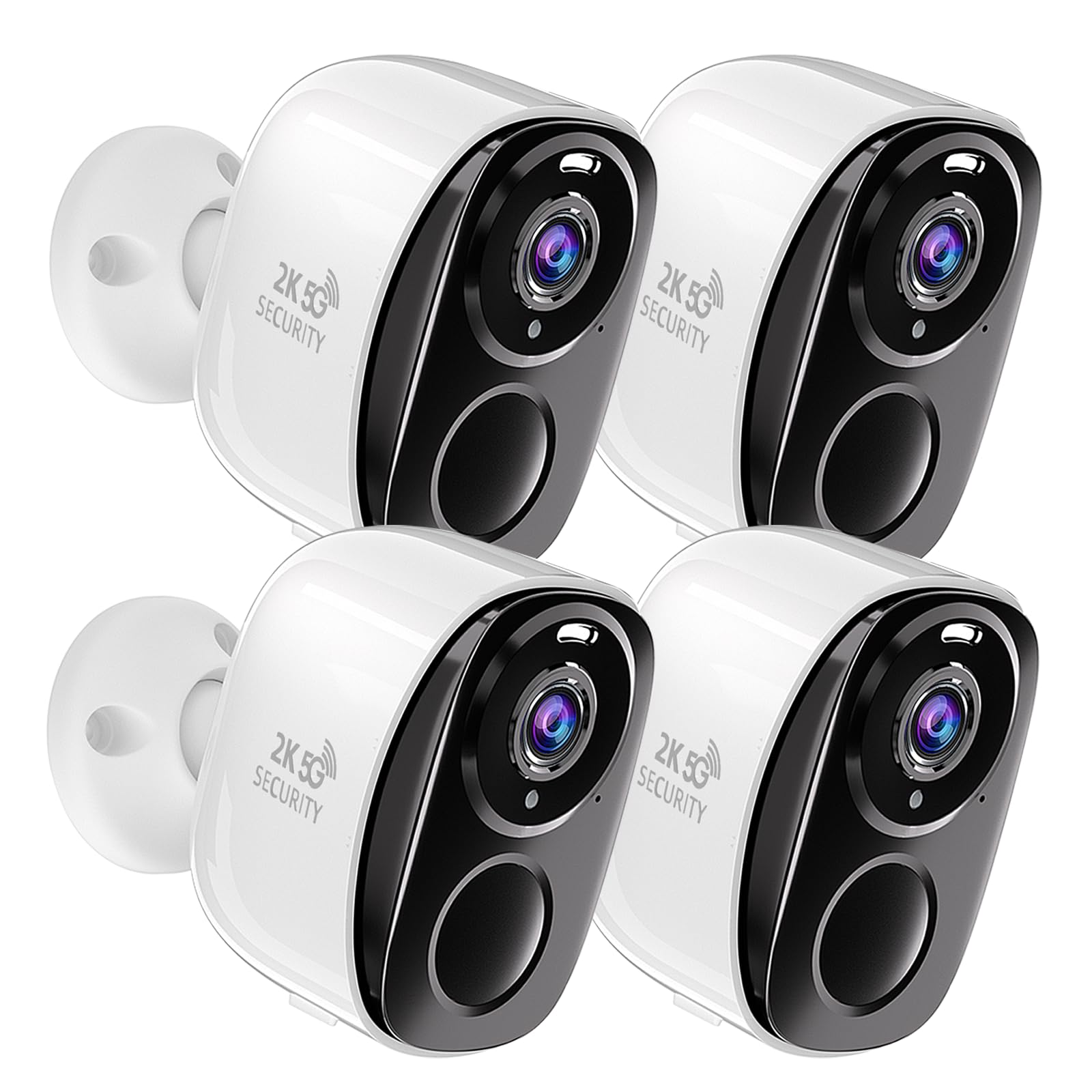
As of 2026, the Amazon Cloud Cam 1080p security camera is a legacy device that is no longer operational. Amazon officially discontinued the Cloud Cam service and shut down its supporting servers on April 7, 2023. Consequently, the hardware cannot be set up or used for monitoring, and owners should transition to modern Ring or Blink ecosystems for Alexa-integrated home security.
The Amazon Cloud Cam was once a flagship entry into the smart home security market, serving as the cornerstone for the Amazon Key service. While the physical hardware remains in the hands of many original purchasers, its reliance on proprietary cloud architecture means that without the back-end servers, the device is effectively "bricked." Understanding the history, technical specifications, and the eventual sunsetting of this device provides essential context for how the smart home industry has evolved toward the current 2026 standards of local processing and subscription-based cloud storage.
The History and Intent of the Amazon Cloud Cam
Launched in late 2017, the Amazon Cloud Cam was designed to be the premier 1080p indoor security camera for the Alexa ecosystem. At the time, Amazon was looking to consolidate its grip on the smart home market by offering a high-quality, affordable alternative to Nest and Arlo. The device was priced competitively at $119.99, often dropping significantly during Prime Day events.
The primary intent behind the Cloud Cam was not just security, but service integration. It was the exclusive camera required for the original "Amazon Key" program, which allowed delivery drivers to drop off packages inside a customer's home. The camera provided the visual verification necessary for homeowners to feel secure about a stranger entering their foyer. By 2026, this concept has evolved into the more sophisticated Ring-integrated "In-Garage Delivery," but the Cloud Cam was the pioneer of this "trust-based" logistics model.
Technical Specifications of the Legacy Hardware
Despite being a defunct product in 2026, the technical specifications of the Amazon Cloud Cam were impressive for its era and set the benchmark for what consumers expect from an indoor 1080p camera today.
- Resolution: 1080p Full HD at up to 30 frames per second.
- Field of View: 120-degree diagonal lens, which allowed for wide-room coverage.
- Night Vision: Eight infrared LEDs that provided clear visibility in total darkness up to approximately 20 feet.
- Audio: Two-way audio featuring a built-in microphone and speaker, allowing users to communicate through the Alexa app or Echo devices.
- Connectivity: Dual-band Wi-Fi (2.4 GHz and 5 GHz), which was a premium feature at a time when most competitors stuck to the more crowded 2.4 GHz band.
- Power: Micro-USB power input, requiring a constant 5V/2A power source.
The hardware was built with a sturdy, adjustable stand that could be wall-mounted or placed on a flat surface. Its minimalist aesthetic—a white circular body with a black face—influenced the design language of subsequent Amazon-owned brands like Blink.
Why the Amazon Cloud Cam No Longer Works in 2026
The demise of the Amazon Cloud Cam is a significant case study in the risks of cloud-dependent "Internet of Things" (IoT) devices. In late 2022, Amazon notified all Cloud Cam users that the product would reach its end-of-life on April 7, 2023.
The Server Shutdown
Smart cameras like the Cloud Cam do not store footage locally. When the camera detects motion, it encrypts the video and sends it to Amazon's servers. In 2023, Amazon decommissioned these specific servers to focus resources on the Blink and Ring product lines. Because the firmware on the Cloud Cam is hardcoded to communicate only with these defunct servers, the device cannot be redirected to a different cloud service or a local Network Attached Storage (NAS) system without significant, unauthorized hardware hacking.
The Fate of User Data
Upon the shutdown date, all existing video clips stored in the Cloud Cam accounts were deleted. Amazon provided a window of several months for users to download their historical footage via the Cloud Cam web portal. In 2026, there is no way to retrieve any data that was once associated with an Amazon Cloud Cam account.
Compensation and Transition
To mitigate customer frustration, Amazon offered original owners a free Blink Mini camera and a one-year subscription to the Blink Subscription Plus Plan. This transition marked Amazon’s strategic shift away from "Amazon-branded" cameras toward the dedicated Blink and Ring subsidiaries.
Comparing Legacy Cloud Cam to 2026 Security Standards
To understand where the Cloud Cam sits in the history of smart home technology, it is helpful to compare it to the current 1080p standards found in 2026 models like the Blink Mini 2 or the Ring Indoor Cam (2nd Gen).
| Feature | Amazon Cloud Cam (Legacy) | Modern 1080p Equivalent (2026) |
|---|---|---|
| Video Resolution | 1080p HD | 1080p HD with HDR (High Dynamic Range) |
| Field of View | 120 Degrees | 140 - 160 Degrees |
| Local Storage | None (Cloud Only) | Supported via Sync Module or SD Card |
| AI Detection | Person Detection (Paid) | Edge-AI (Person, Pet, Package Detection) |
| Connectivity | Wi-Fi 4 (n) | Wi-Fi 6 / 6E |
| Smart Home | Alexa Only | Alexa, Matter, and Thread Support |
| Privacy Hardware | No physical shutter | Built-in physical privacy covers |
While the raw resolution remains at 1080p for many entry-level cameras in 2026, the quality of the image processing, the wider field of view, and the inclusion of local storage options make modern alternatives far superior to the original Cloud Cam.
Alexa Integration: Then vs. Now
One of the primary selling points of the Amazon Cloud Cam was its "Works with Alexa" certification. Users could say, "Alexa, show me the living room," and the live feed would appear on an Echo Show or Fire TV device. This was a revolutionary convenience in 2017.
In 2026, this integration has become significantly faster and more secure. Modern cameras utilize the "Alexa Video Skill API" more efficiently, resulting in reduced latency (the time it takes for the video to appear). Furthermore, current Alexa-integrated cameras support "Person Detection" announcements. Instead of just a generic motion alert, your Echo speakers can now say, "A person has been detected in the backyard," a feature that was originally a paid "Cloud Cam Plan" upgrade but is now often included in standard subscription tiers.
Environmental Impact and Responsible Disposal
For users who still have an Amazon Cloud Cam in their drawer in 2026, it is important to address the environmental aspect of "bricked" hardware. Because the device contains a PCB (printed circuit board), a camera sensor, and various plastics, it should not be thrown into regular household trash.
Amazon Trade-In Program
While the Cloud Cam may no longer have a trade-in value for credit, Amazon's recycling program often accepts discontinued Amazon devices for responsible recycling. Users should check the Amazon Trade-In page to see if their specific model is eligible for a small credit or, at the very least, a free shipping label for recycling.
Local E-Waste Recycling
Most municipalities in 2026 have dedicated e-waste collection days. Since the Cloud Cam is a small-form-factor electronic device, it falls under the same disposal category as smartphones and tablets. Proper disposal ensures that heavy metals do not leak into groundwater.
Troubleshooting Common Questions for Legacy Users
Even though the device is officially dead, many users in 2026 find these cameras in "new-in-box" condition at garage sales or in storage. Here are the realities of trying to use them.
"Can I use the Cloud Cam with a third-party app?"
No. The Cloud Cam uses proprietary encryption that requires an authentic handshake with Amazon's servers. There are no third-party apps (like TinyCam or VLC) that can natively bypass this security to view the stream.
"Is there a custom firmware or hack available?"
While some enthusiasts in the "open-source hardware" community have attempted to flash custom firmware onto the Cloud Cam, it is not a practical solution for the average user. Most of these hacks require physical soldering to the motherboard and result in a device that lacks the polished features of a $30 modern camera.
"Why is the LED blinking red?"
On a Cloud Cam in 2026, a blinking red LED usually indicates a failure to connect to the server. Since the servers no longer exist, the camera will remain in this error state indefinitely after a factory reset.
Recommended Alternatives for 2026
If you are looking for a 1080p security camera that offers the same (or better) Alexa integration as the original Cloud Cam, the market in 2026 offers several robust options.
- Blink Mini 2: This is the spiritual successor to the Cloud Cam. It is significantly smaller, offers weather resistance for outdoor use with a proper power adapter, and includes a built-in LED spotlight. It is the most cost-effective way to stay within the Amazon ecosystem.
- Ring Indoor Cam (2nd Gen): For those who prioritize privacy, this model includes a physical swivel shutter that cuts off both the camera and the microphone. It integrates deeply with the Ring Protect plans, which are widely considered the gold standard for consumer-grade cloud storage.
- TP-Link Tapo C110/C200: For users who want to avoid subscriptions entirely, the Tapo line offers excellent Alexa integration while allowing for full 1080p recording onto a local microSD card.
Final Practical Recommendation
The Amazon Cloud Cam 1080p security camera was a pivotal device that helped define the modern smart home. However, its time has passed. If you currently possess a Cloud Cam, the most practical next action is to decommission the device and recycle it through an authorized e-waste facility. Do not attempt to purchase "new" units from secondary markets like eBay, as they cannot be activated. For continued home security, transition to a Blink or Ring device, which will provide the same Alexa-integrated experience with modern security patches and improved hardware capabilities.
Frequently Asked Questions
Is there any way to make the Amazon Cloud Cam work in 2026? No, there is no official or stable unofficial method to make the Amazon Cloud Cam work in 2026. The device depends on Amazon's proprietary cloud servers, which were permanently shut down in April 2023. Without these servers, the camera cannot process video or communicate with the Alexa app.
What happened to the videos I had stored on my Cloud Cam? All videos stored on the Cloud Cam servers were deleted shortly after the shutdown on April 7, 2023. Amazon provided users with several months of notice to download their clips before the deletion. In 2026, those videos are unrecoverable from Amazon’s systems.
Can I use the Cloud Cam as a webcam for my PC? No. The Cloud Cam does not support UVC (USB Video Class) standards. Its Micro-USB port is designed only for power delivery, not for data transfer to a computer. Therefore, it cannot be used as a standard USB webcam.
Does Amazon still provide support for Cloud Cam issues? Amazon's customer service can no longer provide technical support for the Cloud Cam hardware since the service is non-existent. They may only be able to assist with historical billing inquiries or provide information regarding the 2023 replacement program for eligible original owners.
Was the Amazon Cloud Cam replaced by a specific model? While not a direct one-for-one replacement, Amazon transitioned its camera focus to the Blink Mini and Ring Indoor Cam. Many Cloud Cam features, such as 1080p resolution and two-way audio, were incorporated into these more affordable and versatile product lines.