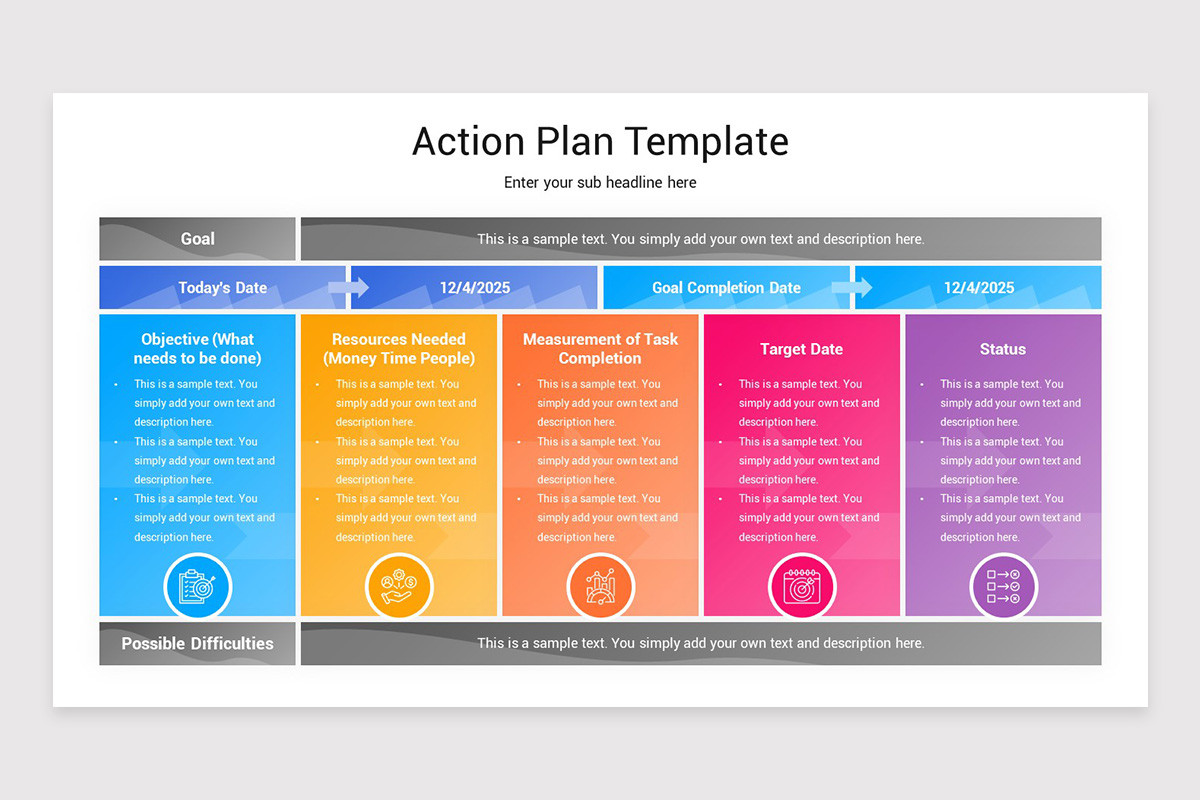
An Amazon Action Plan, or Plan of Action (POA), is a formal document submitted to the Amazon Seller Performance team to appeal an account suspension or listing deactivation. It must clearly identify the root cause of the issue, the immediate steps taken to resolve it, and the long-term preventative measures implemented to ensure the violation does not recur.
Receiving a notification that your Amazon Seller account has been deactivated or that a high-volume ASIN has been suppressed is one of the most stressful experiences an e-commerce entrepreneur can face. As of 2026, Amazon’s automated enforcement systems and Account Health Rating (AHR) thresholds have become increasingly sophisticated, requiring sellers to provide highly detailed, evidence-based responses to maintain their selling privileges. A generic or emotional plea is no longer sufficient; the modern Amazon Action Plan must be a data-driven business document that demonstrates a deep understanding of Amazon’s policies and a commitment to operational excellence.
The Anatomy of an Effective Amazon Action Plan
The structure of a successful POA is standardized, yet the content must be highly specific to your situation. Amazon’s investigators often have only a few minutes to review each appeal, so clarity and conciseness are paramount. The document is traditionally divided into three distinct sections: the Root Cause, Corrective Actions, and Preventative Measures.
Section 1: Identifying the Root Cause
The root cause is the most critical part of the document. Many sellers fail because they address the symptoms rather than the underlying problem. You must demonstrate that you have performed a thorough "5 Whys" analysis to understand exactly how the breakdown occurred.
For example, if your account was suspended for "Inauthentic" complaints, simply stating that your products are real is not a root cause. A proper root cause would explain that your quality control team failed to inspect a specific batch of inventory from a new supplier, or that your packaging was insufficient to prevent damage during transit, leading customers to believe the item was not new. You must take full responsibility; blaming customers, Amazon’s logistics, or "glitches" is a guaranteed way to have your appeal rejected.
Section 2: Immediate Corrective Actions
This section details what you have done right now to fix the damage. It is reactive in nature. If the issue was a policy violation regarding a specific listing, have you deleted that listing? Have you refunded disgruntled customers? Have you audited your remaining inventory for similar issues?
In 2026, Amazon expects these actions to be completed before you send the appeal. You should provide evidence, such as batch IDs of liquidated stock or transaction IDs for proactive refunds. This demonstrates that you are not just promising to fix things, but that the cleanup is already underway.
Section 3: Long-term Preventative Measures
This is where you prove to Amazon that this mistake will never happen again. This section should be the longest part of your POA. It should outline changes to your Standard Operating Procedures (SOPs), new software implementations, or staff training programs.
If the issue was related to Late Shipment Rate (LSR), a preventative measure might be migrating from a manual shipping process to an automated API-based system that syncs tracking numbers instantly. If the issue was Intellectual Property (IP) infringement, you might describe a new legal vetting process where every product is cleared by a trademark attorney before being listed.
Standard Amazon Action Plan Template (2026 Edition)
You can use the following structure as a foundation for your appeal. Ensure you replace the bracketed information with your specific business data and avoid using boilerplate language that Amazon’s AI filters might flag as "copy-pasted."
Subject: Plan of Action for [Account Name / ASIN] – Case ID: [Insert ID]
Introduction: I am writing to appeal the [suspension/deactivation] of my [Seller Account/Listing]. I understand that Amazon values customer trust and safety above all else, and I take full responsibility for the violation of [Specific Policy Name, e.g., Section 3 of the Business Solutions Agreement].
A. The Root Cause of the Issue:
- What happened: Provide a detailed chronological account of the error.
- Why it happened: Identify the specific failure in your SOPs or supply chain.
- The Policy Overlooked: Explicitly name the Amazon policy that was violated (e.g., the Restricted Products Policy).
- Acknowledgement: Confirm that you have reviewed the relevant help pages and understand where your previous process was deficient.
B. Corrective Actions Taken Immediately:
- Inventory Management: Describe how you have handled the affected inventory (e.g., "All remaining units of ASIN X were removed via Removal Order #12345").
- Customer Resolution: Detail refunds or replacements sent to customers who were negatively impacted.
- Account Audit: State that you have reviewed all other active listings to ensure no other violations exist.
- Communication: Explain if you have contacted rights owners or suppliers to resolve disputes.
C. Preventative Measures for the Future:
- New SOPs: Outline the step-by-step process now in place. For example, "Every new shipment will now undergo a 10-point inspection by our QC manager, [Name], before being sent to FBA."
- Training: Mention that all staff members have completed updated training on [Specific Policy].
- Software/Tools: List any new tools used for tracking, compliance, or inventory management.
- Ongoing Monitoring: Describe how you will monitor your Account Health Dashboard daily to prevent any metrics from slipping.
Conclusion: We are committed to providing the best possible experience for Amazon customers. We have implemented the changes above to ensure full compliance with Amazon’s policies moving forward. We respectfully request that you reinstate our [Account/Listing].
Technical Comparison of Common Violation Types
Different violations require different focuses within your Action Plan. The table below outlines how to shift your strategy based on the specific reason for deactivation.
| Violation Type | Primary Focus of Root Cause | Essential Evidence to Attach | Key Preventative Measure |
|---|---|---|---|
| Inauthentic Claims | Supply chain transparency and vetting failures. | Invoices from the last 365 days, LoAs (Letters of Authority). | Moving to authorized distributors or direct-from-brand sourcing. |
| IP Infringement | Failure to verify trademarks, patents, or copyrights. | Retraction notices from rights owners, licensing agreements. | Implementing a 3rd-party IP scanning tool before listing. |
| High Order Defect Rate (ODR) | Logical failure in shipping, packaging, or product quality. | Customer feedback logs, photos of improved packaging. | Switching to FBA (Fulfillment by Amazon) or faster carriers. |
| Related Accounts | Disclosure of shared links (IP, address, or bank info). | Legal separation documents, employment termination records. | Strict siloed management of business credentials. |
| Safety Concerns | Product design flaws or missing compliance labels. | Lab test reports (UL, REACH, CPC), updated manuals. | Quarterly third-party safety audits of the manufacturing facility. |
Essential Tips for Writing a Winning Appeal
Writing the POA is as much about psychology as it is about facts. The investigator reading your appeal is likely overworked and looking for reasons to either approve or deny quickly.
- Be Professional and Objective: Avoid using words like "unfair," "heartbroken," or "pleading." Use professional business language. Address the investigator as a partner in maintaining the marketplace's integrity.
- Use Bullet Points: Do not write long walls of text. Use bullet points and bold text for key terms to make the document easily scannable.
- Provide Verifiable Evidence: If you say you hired a new manager, attach their contract or a summary of their duties. If you say you have a new supplier, attach a valid, verifiable invoice that meets Amazon's strict requirements (e.g., includes the supplier's website, phone number, and physical address).
- Be Specific, Not Generic: Instead of saying "I will improve my shipping," say "I have integrated ShipStation with our Amazon API to automate tracking uploads within 2 hours of dispatch."
- Address Every Point: If Amazon’s deactivation notice mentioned three different ASINs, your POA must address all three. Ignoring one part of the problem will result in an automatic rejection.
Common Pitfalls That Lead to Rejection
Many sellers find themselves in a "rejection loop" where they receive the same automated response from Amazon multiple times. This usually happens because of a few common mistakes:
- Submitting Too Quickly: There is an impulse to reply within minutes of a suspension. This is a mistake. A rushed POA is usually a bad POA. Take 24 hours to actually fix the issues and gather evidence before writing.
- Attaching Altered Documents: Never, under any circumstances, "clean up" or edit an invoice using Photoshop. Amazon uses sophisticated image forensics to detect altered files. Even if the information you changed was minor, an altered document is a permanent "death sentence" for an account due to "forged and manipulated" documentation policies.
- Blaming the Customer: Even if a customer is clearly lying to get a refund, you must address why your system allowed that complaint to become a metric-damaging event. Amazon assumes the customer is right; your POA should reflect a solution that accounts for customer dissatisfaction regardless of its validity.
- Excessive Length: While detail is good, a 20-page document is too much. Aim for 2 to 4 pages of high-impact, relevant information.
The Role of Evidence and Documentation
In 2026, the "Plan" is only half the battle; the other half is the "Evidence." Amazon’s "Evidence Gate" is much higher than in previous years.
Invoices: These must be dated within the last 365 days and reflect your sales volume. If you sold 500 units but your invoice only shows a purchase of 50, the POA will be rejected for "insufficient inventory coverage."
Letters of Authorization (LoA): For brand name products, an invoice is often not enough. You need a letter from the brand owner explicitly stating that your company (matching the name in Seller Central) is authorized to sell their products on Amazon.
SOP Documents: Attaching a PDF of your new "Internal Quality Control Standard Operating Procedure" shows Amazon that your preventative measures are institutionalized and not just a promise made in an email.
Frequently Asked Questions
How long does it take for Amazon to respond to an Action Plan?
As of 2026, response times vary significantly based on the violation type. Account Health Support may provide an initial review within 24-48 hours, but complex issues like Section 3 (Code of Conduct) or IP violations can take 5 to 10 business days. If you haven’t heard back in two weeks, you can submit a polite inquiry through the "Check Status" button in Seller Central, but avoid resubmitting the same POA multiple times as this resets your place in the queue.
Can I use AI to write my Amazon Action Plan?
While AI can help structure your thoughts and correct grammar, you should never submit an AI-generated POA without heavy editing. Amazon’s investigators use detection tools, and "canned" or "robotic" responses that lack specific, human-verified evidence are often rejected. Use AI as a drafting tool, but ensure the core facts and the "voice" of the business are your own.
What should I do if my first appeal is rejected?
Do not panic. Read the rejection notice carefully. Amazon usually includes a phrase like "You have not provided enough information about [X]." This is your roadmap for the second attempt. Do not simply resubmit the same document; you must add new information, more evidence, or a more detailed root cause analysis to address the specific deficiency they identified.
Does deleting the suspended ASIN solve the problem?
Deleting the listing is a "Corrective Action," but it does not resolve the "Root Cause." Amazon wants to know why you listed the item in the first place and how you will prevent listing similar prohibited items in the future. Deleting the ASIN without a POA will leave the violation on your Account Health Dashboard for 180 days and could still lead to account deactivation.
What is the Account Health Rating (AHR) threshold for 2026?
In 2026, sellers are generally required to maintain an AHR of 200 or higher to stay in good standing. If your rating falls below 100, your account is at high risk of immediate deactivation. A well-written POA for a specific violation can often result in the removal of that violation from your dashboard, which immediately boosts your AHR back to a safe level.
Final Recommendation for Sellers
If you are facing a suspension, the best next action is to download your entire "Account Health" report and feedback history. Look for patterns that you might have missed—small comments from customers about packaging or slight delays in tracking uploads. Use these patterns to build a Root Cause that is so undeniably accurate that the investigator has no choice but to accept your preventative measures. Remember, an Amazon Action Plan is not a legal trial; it is a business negotiation where you must prove that you are a low-risk, high-quality partner for the Amazon marketplace.