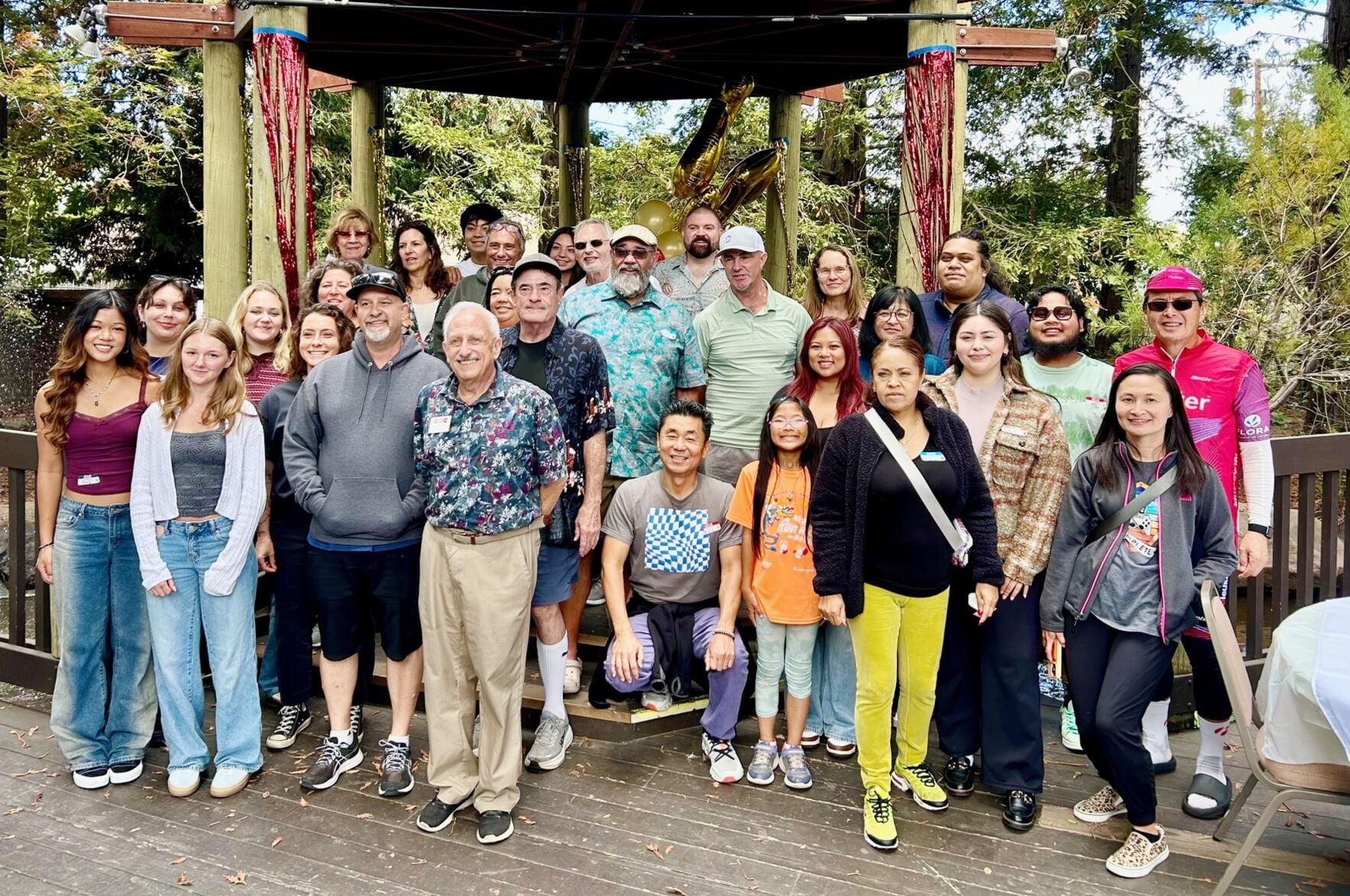
Alonso Mateo is a pivotal figure in Detroit’s grassroots movement, best known for his leadership at the Congress of Communities. He specializes in youth-led urban revitalization, neighborhood safety, and creative placemaking. His work focuses on transforming neglected spaces into community assets through collaborative, local-driven initiatives in Southwest Detroit.
The Roots of Advocacy in Southwest Detroit
To understand the impact of Alonso Mateo, one must first understand the landscape of Southwest Detroit. For decades, this area—specifically the 48209 zip code—has served as a vibrant cultural hub, primarily for the Latino community. However, it has also faced significant systemic challenges, including industrial pollution, aging infrastructure, and a lack of dedicated spaces for youth engagement.
Growing up in this environment, Mateo witnessed the disconnect between municipal planning and the lived reality of residents. His journey into community organizing was not merely a professional choice but a response to the immediate needs of his neighbors. By 2026, his work has become a blueprint for how legacy cities can leverage local talent to solve complex social issues. Mateo’s philosophy is rooted in the idea that those closest to the problems are also those closest to the solutions. This "inside-out" approach to advocacy distinguishes him from traditional urban planners who often enter communities with pre-packaged solutions.
Professional Leadership at the Congress of Communities
The Congress of Communities (CoC) has served as the primary platform for Mateo’s advocacy. As a long-standing leader within the organization, he has been instrumental in shifting the narrative of Southwest Detroit from one of deficit to one of abundance. The CoC operates on the principle of "Residents Leading Change," and Mateo has embodied this by fostering an environment where youth and elders work side-by-side.
His role has frequently involved bridging the gap between grassroots activism and institutional support. Under his guidance, the CoC expanded its reach, moving beyond simple advocacy to implementing large-scale physical and social infrastructure projects. Mateo’s leadership style is characterized by a "quiet intensity"—a focus on the work rather than the spotlight. This has allowed him to build trust with diverse stakeholders, including local business owners, city officials, and, most importantly, the skeptical youth who have often felt ignored by traditional institutions.
The Alley Project (TAP): A Case Study in Creative Placemaking
Perhaps the most recognized achievement associated with Alonso Mateo is The Alley Project (TAP). Originating in the early 2010s and maturing into a nationally recognized model by 2026, TAP transformed a series of neglected alleys in Southwest Detroit into an outdoor art gallery and community hub.
The Problem of Illegal Dumping and Graffiti
Before Mateo’s intervention, the alleys behind houses in the neighborhood were often sites of illegal dumping and "tagging" (unsanctioned graffiti). For many residents, these spaces represented a safety concern and a visual reminder of neglect. Traditional city responses—such as increased policing or painting over graffiti with "buff" paint—were largely ineffective and often led to increased tension between youth and the authorities.
The TAP Solution
Mateo and his team proposed a radical alternative: legalize the art. By working with neighborhood residents to secure permission, they designated specific garage doors and fences as canvases for local artists. This simple act of legitimization fundamentally changed the dynamic of the space.
- Safety Through Activation: By bringing artists, mentors, and spectators into the alleys, the spaces became naturally "policed" by the community.
- Youth Mentorship: TAP provided a pathway for young graffiti artists to transition into professional muralists, offering them workshops in technique, business, and community engagement.
- Environmental Stewardship: The project expanded to include landscaping and debris removal, turning a once-cluttered corridor into a clean, walkable space.
By 2026, TAP has served as a benchmark for "Creative Placemaking"—the practice of using art and culture to drive urban development. Mateo’s role in this was not just as a coordinator, but as a mediator who ensured that the needs of the older residents (who wanted peace and order) were balanced with the creative desires of the youth.
Community Organizing Methodologies and Technical Depth
Mateo’s success is not accidental; it is built on established community organizing frameworks, most notably Asset-Based Community Development (ABCD). This methodology focuses on identifying and mobilizing the existing strengths (assets) of a community rather than focusing solely on its needs or deficiencies.
The Youth Leadership Council Model
A core component of Mateo’s strategy is the implementation of formal Youth Councils. Unlike many "token" youth boards, the councils facilitated by Mateo have real decision-making power. This involves:
- Budgetary Oversight: Teaching youth how to manage project funds and understand the fiscal realities of non-profit work.
- Public Speaking and Advocacy: Training young leaders to present their findings to the Detroit City Council and other governing bodies.
- Conflict Resolution: Developing internal systems for managing disagreements within the community, reducing the reliance on outside intervention.
Sustainable Urban Development
Mateo also integrates environmental justice into his organizing. In Southwest Detroit, where air quality is a persistent issue due to heavy truck traffic and proximity to the Ambassador Bridge, his work often intersects with health advocacy. He has collaborated with environmental scientists to track local air quality and used that data to inform neighborhood design choices, such as the placement of green buffers.
Comparison of Development Strategies
To better understand why Mateo’s approach is effective, it is helpful to compare it to traditional urban renewal strategies often seen in major cities.
| Strategy Component | Traditional Urban Renewal | Mateo’s Community-Led Model |
|---|---|---|
| Origin of Initiative | Top-down (City Hall/Developers) | Bottom-up (Residents/Grassroots) |
| Primary Motivation | Economic growth and tax base | Community safety and social cohesion |
| Youth Involvement | Program participants (Passive) | Designers and decision-makers (Active) |
| Use of Space | Commercial or residential density | Functional art and public gathering |
| Longevity | Dependent on external funding | Maintained by local stewardship |
| Success Metric | Property value increases | Resident retention and civic pride |
Impact on Detroit’s Urban Landscape and Policy
By 2026, the ripple effects of Mateo’s work are visible across the city. His success with TAP and the Congress of Communities has influenced how the City of Detroit approaches "Community Benefits Agreements" (CBAs). These agreements, which require developers to provide specific benefits to a neighborhood in exchange for tax incentives, now frequently include provisions for creative spaces and youth programming modeled after Mateo’s initiatives.
Furthermore, Mateo has been a vocal advocate for "Resident-Owned Development." He argues that the biggest threat to a revitalizing Detroit is the displacement of the very people who stayed during the city’s leanest years. His work emphasizes the creation of permanent community land trusts and the protection of affordable housing in Southwest Detroit.
Recognition and Influence
His contributions have been recognized by organizations such as the Kresge Foundation and the Detroit Free Press, which have highlighted his ability to navigate the complex socio-political landscape of the city. While he remains focused on the neighborhood level, his expertise is increasingly sought after by urban planners nationally who are looking to replicate Detroit's "creative resilience."
Challenges and the Future of Organizing
Despite his successes, the work of a community organizer in 2026 is fraught with challenges. Funding for grassroots organizations remains precarious, often tied to the whims of philanthropic cycles. Additionally, the rapid gentrification of certain parts of Detroit creates a constant pressure on long-term residents.
Mateo has addressed these challenges by diversifying the revenue streams of the projects he leads. For instance, The Alley Project has explored social enterprise models, such as selling merchandise designed by local artists or charging modest fees for technical assistance to other cities. This move toward financial self-sufficiency is a critical evolution in the field of community organizing.
Looking forward, the focus for Mateo and his colleagues is the institutionalization of their methods. It is no longer enough to have one successful project; the goal is to embed these practices into the city's charter and its long-term master plan. This ensures that even as leadership changes, the voice of the resident remains central to Detroit’s growth.
Frequently Asked Questions
Who is Alonso Mateo in the context of Detroit?
Alonso Mateo is a prominent community organizer and leader in Southwest Detroit. He is best known for his work with the Congress of Communities and for spearheading The Alley Project (TAP), which focuses on youth development through creative placemaking and neighborhood revitalization.
What is The Alley Project (TAP)?
The Alley Project is a community-driven initiative that transformed neglected alleys in Southwest Detroit into legal art galleries and safe public spaces. It serves as a hub for youth mentorship, professional art training, and neighborhood engagement, reducing illegal dumping and improving local safety.
How does Alonso Mateo’s work affect local youth?
Mateo provides youth with actual leadership roles rather than just participation in programs. Through the Congress of Communities, young residents learn about urban planning, budget management, and civic advocacy, allowing them to directly shape the future of their neighborhoods.
Why is Southwest Detroit the focus of his organizing?
Southwest Detroit is a culturally rich but historically underserved area. It faces unique challenges such as industrial pollution and infrastructure decay. Mateo, having deep roots in the area, focuses his efforts there to ensure the Latino community and other local residents are not displaced by the city’s broader redevelopment.
How can other cities replicate Mateo’s community model?
Replication requires adopting an Asset-Based Community Development approach. This involves identifying local leaders, securing resident permission for public space transformations, and shifting decision-making power from city officials to neighborhood councils. It emphasizes building trust over long periods rather than quick-fix interventions.
What is the role of the Congress of Communities?
The Congress of Communities is a non-profit organization that acts as an incubator for resident-led change. It provides the legal, financial, and organizational framework necessary for leaders like Mateo to implement large-scale community projects and advocate for policy changes at the city level.
Final Recommendation for Residents and Advocates
For those looking to impact their own communities, the work of Alonso Mateo offers a clear path: start with the physical environment. By taking a neglected space—whether an alley, a vacant lot, or a boarded-up building—and reclaiming it through art or shared utility, organizers can build the social capital necessary for larger policy battles.
If you are a resident of Detroit, the next step is to engage with the Congress of Communities or similar neighborhood-based organizations. For those outside the city, studying the "Detroit model" of creative placemaking can provide the technical framework needed to transition from advocacy to tangible community development. The key lesson from Mateo’s career is that sustainable change is not built through outside investment alone, but through the consistent, organized effort of the people who call a neighborhood home.