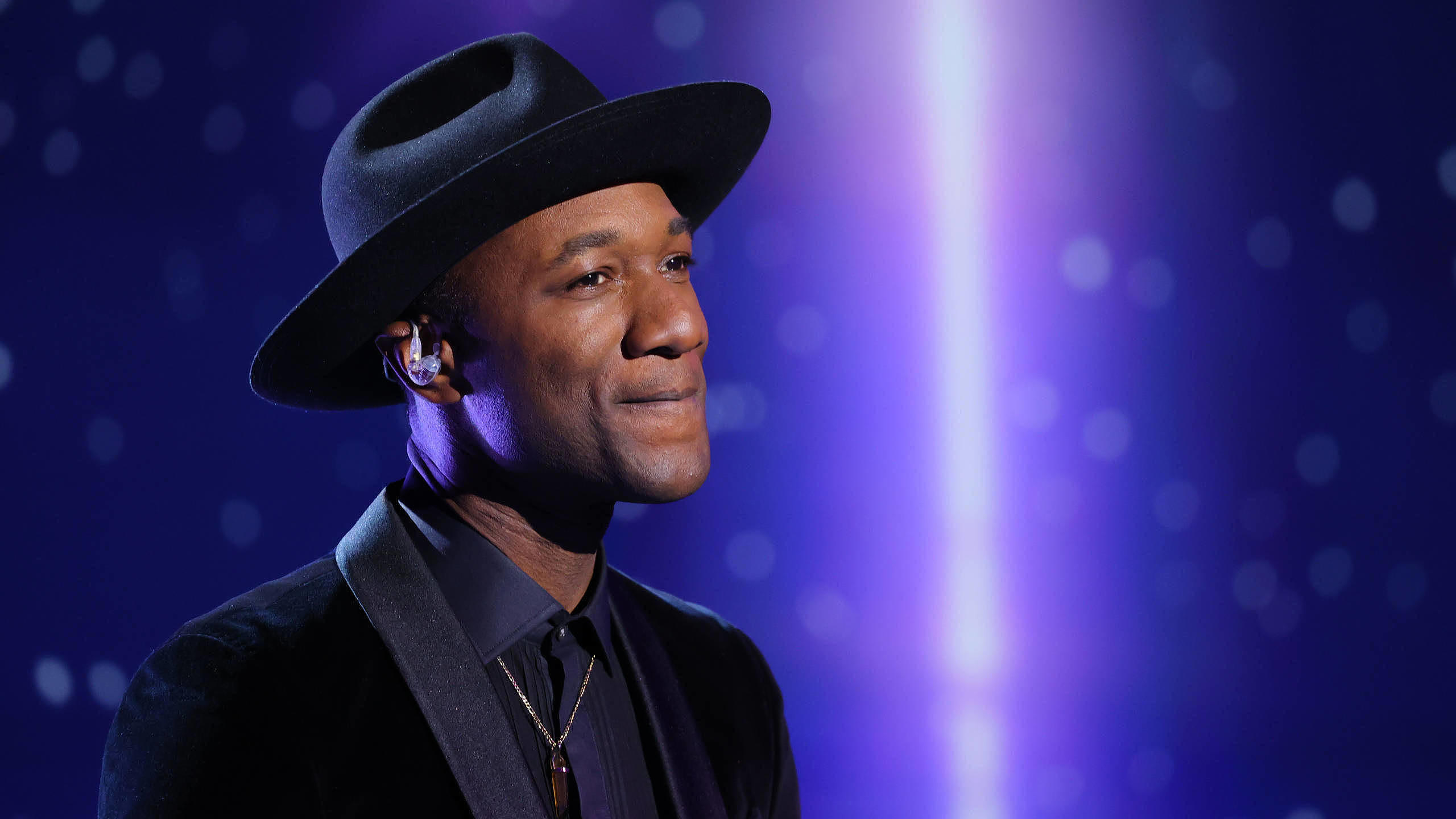
The collaboration between Aloe Blacc and the late Swedish producer Avicii (Tim Bergling) stands as a definitive moment in modern electronic dance music, centered on the production of the global hit "Wake Me Up." Their studio sessions were defined by a fusion of folk-inspired songwriting and high-energy electronic composition, bridging the gap between acoustic storytelling and club-oriented production.
The Origin of a Genre-Defying Collaboration
In 2013, the landscape of dance music was undergoing a rapid transformation. Avicii, already a dominant force in the progressive house scene, sought to evolve his sound by incorporating organic, live instrumentation and soulful vocal performances. Aloe Blacc, a singer-songwriter known for his neo-soul and R&B roots, provided the perfect vocal counterpoint to Avicii’s electronic arrangements.
The studio process began with a shared vision of creating a track that felt both nostalgic and forward-thinking. Contrary to the common perception that dance tracks are exclusively synthesized, the collaboration relied heavily on the foundational structure of a folk song. Blacc and Avicii focused on the melodic integrity and lyrical weight of the track before the electronic layers were fully applied. This approach ensured that the song could function in two distinct environments: the massive festival stage and an intimate acoustic setting.
Studio Dynamics: Merging Folk and EDM
When Aloe Blacc and Avicii worked together, the studio atmosphere was one of experimentation. Avicii utilized a methodical approach to sound design, focusing on crisp, punchy percussion and layered synths that could cut through the sonic density of a large venue. Blacc brought a raw, humanizing element to this process.
One of the most notable aspects of their studio work was the speed at which the core elements of their hits were developed. By starting with a guitar-led melody, they established a chord progression that adhered to traditional songwriting conventions. This allowed the listener to form an immediate emotional connection to the music, which served as the canvas for Avicii’s later production techniques. Their work proved that the "EDM" label was too narrow to categorize the complexity of the arrangements, as the songs often leaned closer to country and folk aesthetics than to standard house music.
Technical Elements of the Production
The studio sessions required a delicate balance between the fidelity of the vocal recording and the intense compression inherent in house music. Blacc’s performance had to be captured with a level of warmth that would not be lost under the high-frequency brilliance of the synthesizers.
The production utilized several key studio techniques to ensure the vocal sat perfectly in the mix:
- Layering: The use of multiple takes to thicken the vocal presence.
- Frequency Allocation: Ensuring the mid-range of the acoustic guitar did not conflict with the synthesizers, creating a clear space for the lead vocals.
- Dynamic Processing: Applying side-chain compression to the musical elements to allow the vocal to "breathe" through the rhythmic drive of the bassline.
| Component | Role in the Studio | Outcome |
|---|---|---|
| Acoustic Guitar | Foundation | Provides the folk-influence and melodic hook. |
| Vocal Tracking | Emotional Core | Delivers the lyrical message with soul-influenced phrasing. |
| Synthesizers | Energy Layer | Adds the progressive house textures and rhythmic momentum. |
| Percussion | Pulse | Anchors the song to a danceable tempo (124 BPM). |
The Philosophy of the Songwriting Process
For Blacc, the studio environment with Avicii was less about technical specifications and more about the power of the narrative. Avicii often arrived with a melody or a rough sketch, and Blacc would improvise lyrics that addressed themes of aspiration and the passage of time. This collaborative spirit relied on mutual trust. Avicii gave Blacc the freedom to push the song into emotional territory that was perhaps riskier than typical chart-topping dance music.
The result of this synergy was a track that resonated across multiple demographics. Because the song was born from a traditional songwriting perspective, it invited listeners who were not typically fans of electronic dance music to engage with the genre. This "crossover" effect was a direct consequence of the intentional decision to spend significant time in the studio focusing on the narrative arc of the lyrics rather than just the "drop" or the intensity of the beat.
The Lasting Impact on Electronic Music
The studio sessions between Aloe Blacc and Avicii set a template for future producers. Following their work, a surge of electronic artists began collaborating with singer-songwriters from the jazz, blues, and folk traditions. This shift proved that the longevity of a dance record is often tied to the strength of its underlying song structure.
While Avicii’s untimely passing in 2018 prevented further studio sessions, the music they created remains a case study in how to effectively bridge disparate musical worlds. The meticulous nature of their studio approach—where the melody and rhythm were treated as equal partners—continues to influence how vocalists and producers collaborate in modern music production.
Common Misconceptions About the Studio Sessions
Many fans believe that the electronic elements of their collaborations were the starting point for the compositions. In reality, the studio work often began with unplugged instruments. The "dance" version of the track was essentially a remix of a folk song that the pair had already perfected.
Furthermore, some critics initially argued that the combination of country-style acoustic guitar and house beats was a novelty. However, the studio documentation and anecdotal accounts from those present indicate that the decision was deliberate, intended to challenge the limitations of what was considered "club-ready" music. By prioritizing the song’s emotional resonance, they proved that a track did not need to be purely electronic to dominate the dance floors of the world.
Frequently Asked Questions
How did the collaboration between Aloe Blacc and Avicii start? The collaboration began when Avicii heard demos and was searching for a vocalist who could provide a soulful, human element to his new, experimental sound. They met to experiment with mixing acoustic song structures with high-energy electronic production, eventually settling on a direction that blended folk lyricism with dance-floor rhythms.
Did they record the instruments live in the studio? Yes. A significant portion of their work involved live instrumentation, particularly acoustic guitar and piano, to establish the base of the songs. These organic recordings were then carefully integrated with synthesizers and digital production elements to create a hybrid sound that maintained the warmth of a live performance.
What was the primary goal of their studio sessions? The main objective was to create music that could transcend the boundaries of electronic dance music. By focusing on songwriting, melody, and meaningful lyrical content, they aimed to produce tracks that functioned just as well on the radio or in acoustic settings as they did in large-scale music festivals.
How did Avicii’s production style change when working with Blacc? Working with Blacc pushed Avicii toward a more "song-first" production philosophy. While he retained his signature style of uplifting melodies and sharp percussion, he incorporated more space in the mix, allowing Blacc’s vocals to carry the emotional weight of the tracks rather than letting the electronic elements overwhelm the performance.
What is the legacy of these specific studio sessions? These sessions demonstrated that electronic music could successfully integrate traditional songwriting, paving the way for a more diverse range of vocalists in the EDM industry. The collaborative approach they used remains a benchmark for artists looking to blend organic storytelling with electronic textures.
Next Steps for Music Creators
To replicate the success of the sessions between Aloe Blacc and Avicii, producers and vocalists should prioritize the "song first" approach. Begin your project by stripping away the electronic layers and focusing solely on the vocal performance, the melody, and the chord progression on an acoustic instrument. Only once the narrative and the emotional arc of the song are solidified should you introduce the synthesizers, basslines, and rhythmic textures that define the electronic genre. This process ensures that your final work possesses the depth required for lasting appeal beyond the immediate trends of the dance floor.