Whether Allstate insurance covers the price of fixing a light depends on the cause of the damage and your specific policy selections. If a headlight or taillight is damaged in a covered accident or by road debris, Allstate typically pays the repair cost minus your deductible under collision or comprehensive coverage. For 2026 vehicles, replacing a modern LED or Matrix headlight assembly can range from $800 to $3,500, while a standard bulb replacement is a minor out-of-pocket expense usually not worth a claim.
Understanding How Allstate Categorizes Light Repairs
When you approach Allstate regarding a damaged light, the company does not view "fixing a light" as a single service. Instead, the "price" you pay—or the amount they reimburse—is dictated by the peril that caused the damage. It is essential to distinguish between mechanical failure and physical damage. Insurance is designed for sudden, accidental losses, not the natural expiration of a component.
Comprehensive Coverage for Light Damage
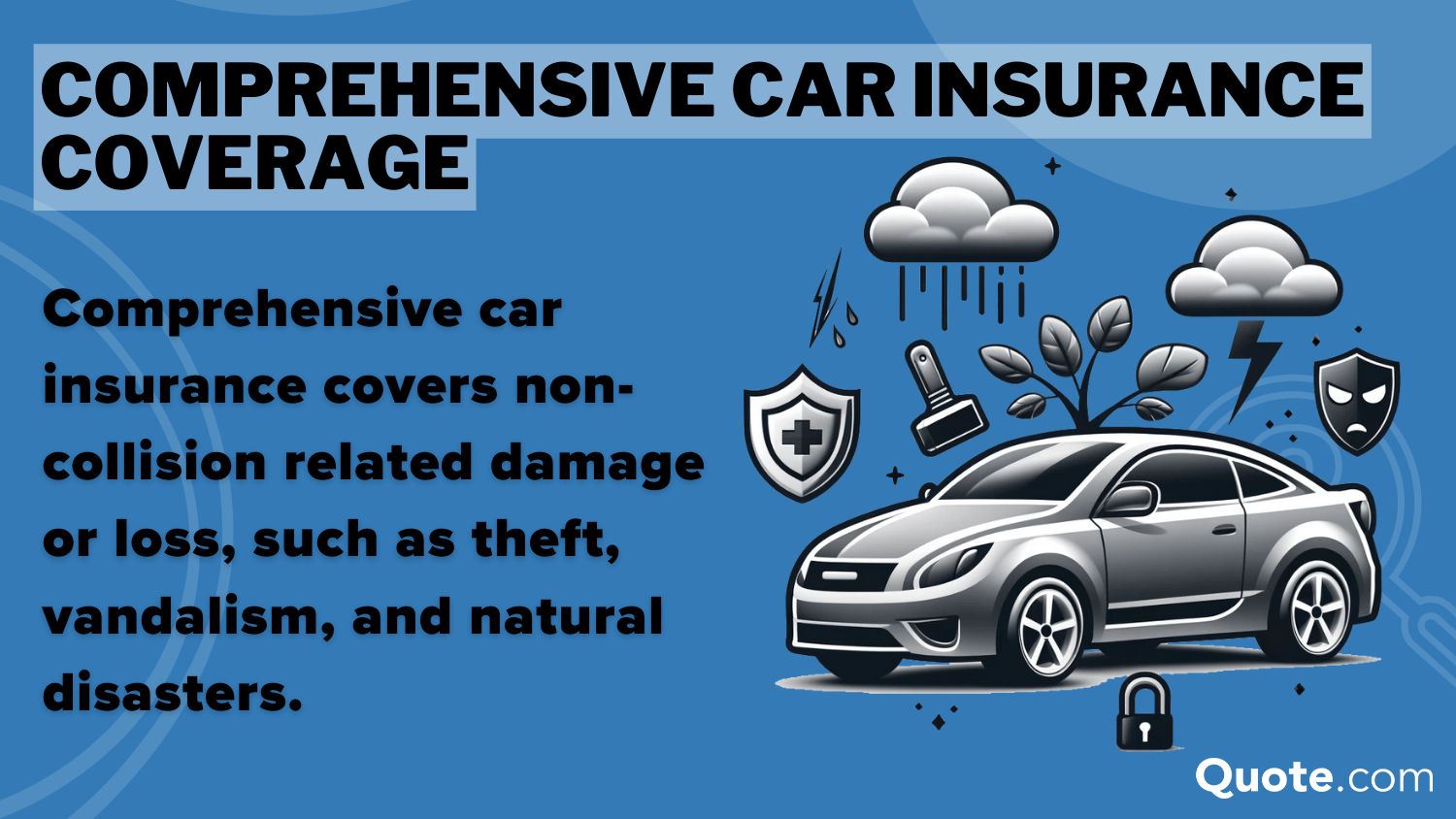
If your headlight was shattered by a rock kicked up by a truck, or if a vandal smashed your taillight, this falls under comprehensive coverage. In 2026, comprehensive claims for glass and lighting are common because modern "plastic" polycarbonate lenses are susceptible to pitting and cracking. If the cost of the light assembly exceeds your comprehensive deductible (often $100 to $500), Allstate will cover the remainder of the bill.
Collision Coverage for Light Damage
If you rear-ended another vehicle or backed into a pole, the broken light is covered under collision coverage. Because collision deductibles are typically higher ($500 to $1,000), many drivers find that fixing a single light does not reach the threshold for a payout. However, if the light damage is part of a larger body repair, it will be bundled into the total estimate provided by an Allstate claims adjuster.
Maintenance vs. Insurance Claims
Allstate, like all standard auto insurers, does not cover "burnt-out" bulbs. If your halogen or LED bulb simply stops working due to age or electrical wear, this is considered a maintenance issue. You will be responsible for the full price of the part and labor. For 2026 model-year vehicles, many lighting systems are integrated into the vehicle's computer (CAN bus), meaning a "fix" might involve a software reset rather than a physical part replacement.
The Evolution of Light Repair Costs in 2026
To understand the price of fixing a light through Allstate, one must look at the current state of automotive lighting technology. The days of the $20 sealed-beam headlight are long gone. In 2026, headlights are sophisticated electronic components.
Types of Lighting and Their Price Points
- Halogen Systems: Found mostly on older or base-model vehicles. Replacing a bulb costs $15–$50, while a full housing replacement is $200–$500. These are rarely worth filing an Allstate claim for.
- HID (High-Intensity Discharge/Xenon): These require ballasts and igniters. A single bulb can cost $100, and a full assembly can reach $1,200.
- LED and Matrix LED: Standard on almost all 2026 vehicles. These units are often "non-serviceable," meaning you cannot replace a single diode. If one part fails, the entire housing (costing $1,500 to $3,500) must be replaced.
- Adaptive Lighting: Lights that "turn" with the steering wheel contain motors and sensors. These are the most expensive to fix, often requiring Allstate to approve high-dollar estimates.
Labor and Calibration Requirements
In 2026, fixing a light is no longer a simple "plug and play" task. Many headlights are integrated with Advanced Driver Assistance Systems (ADAS). If a headlight is replaced, the vehicle's sensors—such as lane-departure cameras or radar—may require re-calibration to ensure the light beam does not blind oncoming traffic or interfere with the car's automated braking system. This calibration labor can add $250 to $500 to the total repair price, making an insurance claim through Allstate more justifiable.
Calculating the Allstate Payout: Deductibles and Limits
The actual "price" you pay when using Allstate is your deductible. It is a common misconception that insurance covers the "whole" fix. You are essentially self-insuring for the amount of your deductible.
The Deductible Math
Imagine your 2026 SUV has a cracked LED headlight assembly. The Allstate-approved repair shop quotes $1,800 for the part, labor, and ADAS calibration.
- Scenario A ($500 Deductible): You pay $500; Allstate pays $1,300.
- Scenario B ($1,000 Deductible): You pay $1,000; Allstate pays $800.
- Scenario C ($2,000 Deductible): You pay the full $1,800 out of pocket because the repair is "under deductible."
Claim-Free Rewards and Surcharges
Before filing a claim for a broken light, you must consider Allstate’s specific policy features. If you have the Claim-Free Rewards or a "Safe Driving Bonus," filing a small claim for a $900 light might cause you to lose a $100 or $200 annual credit. Furthermore, even if the accident wasn't your fault (comprehensive), some states allow for minor rate adjustments upon renewal. For a repair that only marginally exceeds your deductible, the long-term price of your insurance might increase more than the value of the payout.
Allstate’s Good Hands Repair Network
If you decide to move forward with a claim, Allstate encourages the use of their Good Hands Repair Network. These are shops that have pre-negotiated labor rates with Allstate and use integrated estimating software to speed up approval.
Benefits of the Network
When you use a certified shop, Allstate often provides a Lifetime Repair Guarantee on the workmanship for as long as you own or lease the vehicle. This is particularly important for 2026 lighting systems, which are prone to moisture ingress (fogging) if not sealed correctly during installation. If you fix the light yourself or use an uncertified "corner shop," and the light fails three months later due to a poor seal, Allstate will not cover the secondary repair.
OEM vs. Aftermarket Parts
Allstate’s policy language usually states they will pay for "parts of like kind and quality." On a brand-new 2026 vehicle, this almost always means Original Equipment Manufacturer (OEM) parts. However, if your car is several years old, Allstate may price the repair based on high-quality aftermarket or recycled (used) parts to keep premiums lower. If you insist on a brand-new OEM light for an older car, you may have to pay the "price difference" out of pocket.
Step-by-Step Guide to Fixing a Light with Allstate
If you have sustained damage and want to use your coverage, follow this process to ensure the highest payout and lowest stress.
- Document the Damage: Take clear, high-resolution photos of the light, the surrounding body panels, and the cause of the damage (e.g., the rock that hit it or the debris on the road).
- Check Your Policy via the App: Use the Allstate Mobile app to verify your specific deductible for comprehensive or collision.
- Get a Preliminary Quote: Visit a local mechanic to see if the "fixing price" is $300 or $3,000. This determines if a claim is even viable.
- File the Claim: You can file directly through the Allstate app. For minor light damage, you may be eligible for QuickFoto Claim, where you upload photos and receive a payment estimate within hours.
- Choose Your Shop: Decide between the Good Hands Repair Network for the guarantee or your preferred dealership.
- Verify Calibration: Ensure the shop includes "aiming and calibration" in the line-item estimate. This is a safety requirement for 2026 vehicles that Allstate is obligated to pay for.
Comparison of Light Repair Costs by Vehicle Category (2026 Estimates)
The following table outlines the estimated market price for replacing a full light assembly compared to the likely Allstate involvement.
| Vehicle Type | Light Type | Estimated Total Cost (Parts + Labor) | Recommended Action |
|---|---|---|---|
| Economy Sedan | Halogen / Simple LED | $350 – $600 | Pay out of pocket; likely under deductible. |
| Mid-Size SUV | Full LED Assembly | $900 – $1,500 | File claim if deductible is $500 or lower. |
| Luxury / Electric | Matrix LED / Laser | $2,500 – $5,000+ | Always file a claim; cost far exceeds deductible. |
| Work Truck | Heavy-Duty Halogen | $250 – $450 | Pay out of pocket to preserve claim-free status. |
| Vintage/Classic | Sealed Beam / Rare Glass | $100 – $800 | Check "Collector Car" rider status with Allstate. |
Technical Factors: Why "Just a Light" Costs So Much Now
To justify the price to Allstate adjusters, it helps to understand the technical complexity of 2026 hardware. Modern lights are no longer just illumination devices; they are nodes on the vehicle's internal network.
Integrated Cooling Systems
High-output LEDs generate significant heat at the circuit board level. Modern assemblies include heat sinks and, in some high-performance models, small internal fans. If these cooling elements fail, the light will burn out prematurely. Allstate covers these internal failures only if they result from an external impact.
Communication Modules
Most 2026 headlights contain a dedicated control module (often called a "ballast" or "driver"). This module communicates with the car's Engine Control Unit (ECU). When "fixing a light," the shop may need to "marry" the new module to your car's VIN using specialized software. Allstate’s labor allowance usually covers the "diagnostic time" required for this software handshake.
The "Averaging" of Insurance Estimates
Allstate uses databases like CCC Intelligent Solutions or Audatex to determine the "fair price" for a light. These databases track the average price of parts across the country. If your local dealership charges a 20% markup over the national average, Allstate may refuse to pay the difference, leaving you to cover the gap.
Common Pitfalls to Avoid
- Waiting Too Long: In many states, you have a limited window to file a comprehensive claim. If you wait months to fix a cracked light and it eventually causes an electrical short that fries your wiring harness, Allstate may deny the larger repair for "failure to mitigate damages."
- Ignoring Small Cracks: A small hairline fracture in a 2026 light housing allows moisture to enter. Moisture can destroy the expensive LED controllers inside. It is cheaper for Allstate (and you) to fix it immediately rather than waiting for total electronic failure.
- DIY "Cheap" Fixes: Applying resin or tape to a cracked lens might pass an inspection, but it can distort the beam pattern of modern precision optics. This can lead to a failed state safety inspection or, worse, a liability issue if you are involved in a nighttime accident.
Frequently Asked Questions
Does Allstate cover a headlight bulb that just burned out?
No. Standard bulb replacement is considered routine maintenance. Auto insurance policies specifically exclude wear and tear, mechanical breakdown, and electrical failure unless they are the direct result of a covered peril like an accident, fire, or animal strike.
Will my Allstate premium go up if I file a claim for a broken light?
If the damage is covered under Comprehensive (e.g., a rock hit it), premiums usually do not increase, or the increase is negligible. However, if the light was broken in an at-fault accident covered by Collision, you will likely lose your accident-free discount, which can lead to a significant premium hike.
Can I choose to get a cash settlement instead of fixing the light?
Yes. After an adjuster or the QuickFoto app provides an estimate, Allstate can issue a check directly to you (minus your deductible). You can then choose to buy the part yourself or postpone the repair. Note that if you have a lienholder (a car loan), the check may be made out to both you and the repair shop.
What is the "Safe Driving Bonus" impact?
Allstate’s Safe Driving Bonus rewards customers with a check or credit every six months for accident-free driving. Filing a claim for a light—even a small one—usually resets this clock, meaning the "real price" of the fix includes the loss of those future bonuses.
Does Allstate cover "foggy" or yellowed headlights?
Generally, no. Yellowing or oxidation of the polycarbonate lens is a result of UV exposure over time. This is classified as "gradual deterioration," which is an exclusion in almost every auto insurance policy. You would need to pay for a restoration kit or new housings yourself.
Does Allstate pay for "aftermarket" LED upgrades?
If you had standard halogen lights and you installed expensive aftermarket LEDs yourself, Allstate will generally only pay to replace them with the original factory-spec halogen parts unless you specifically added "Custom Parts and Equipment" (CPE) coverage to your policy.
Final Recommendation for Allstate Policyholders
Before contacting Allstate to fix a light, perform a cost-benefit analysis. First, obtain a professional estimate from a shop in the Good Hands Repair Network to see the "true" 2026 price of the assembly and calibration. If the total cost is less than $200 above your deductible, it is almost always financially wiser to pay out of pocket. This preserves your claim-free status and protects your "Safe Driving" bonuses. However, if you drive a modern luxury or electric vehicle where a single Matrix LED unit costs upwards of $2,500, filing a claim is the most logical path to restoring your vehicle's safety and value.