As of 2026, Allen Pinkett’s net worth is estimated to be between $4 million and $6 million. This valuation is the result of a diverse professional journey that includes a standout collegiate career at Notre Dame, six seasons in the National Football League (NFL), and a multi-decade career in the financial services and broadcasting industries.
While many professional athletes struggle to maintain their wealth after retirement, Pinkett transitioned into a successful secondary career in the insurance sector and became a prominent voice in sports media. His financial stability in 2026 reflects a disciplined approach to post-athletic professional development and long-term asset management.
The Foundation of Wealth: Collegiate Success at Notre Dame
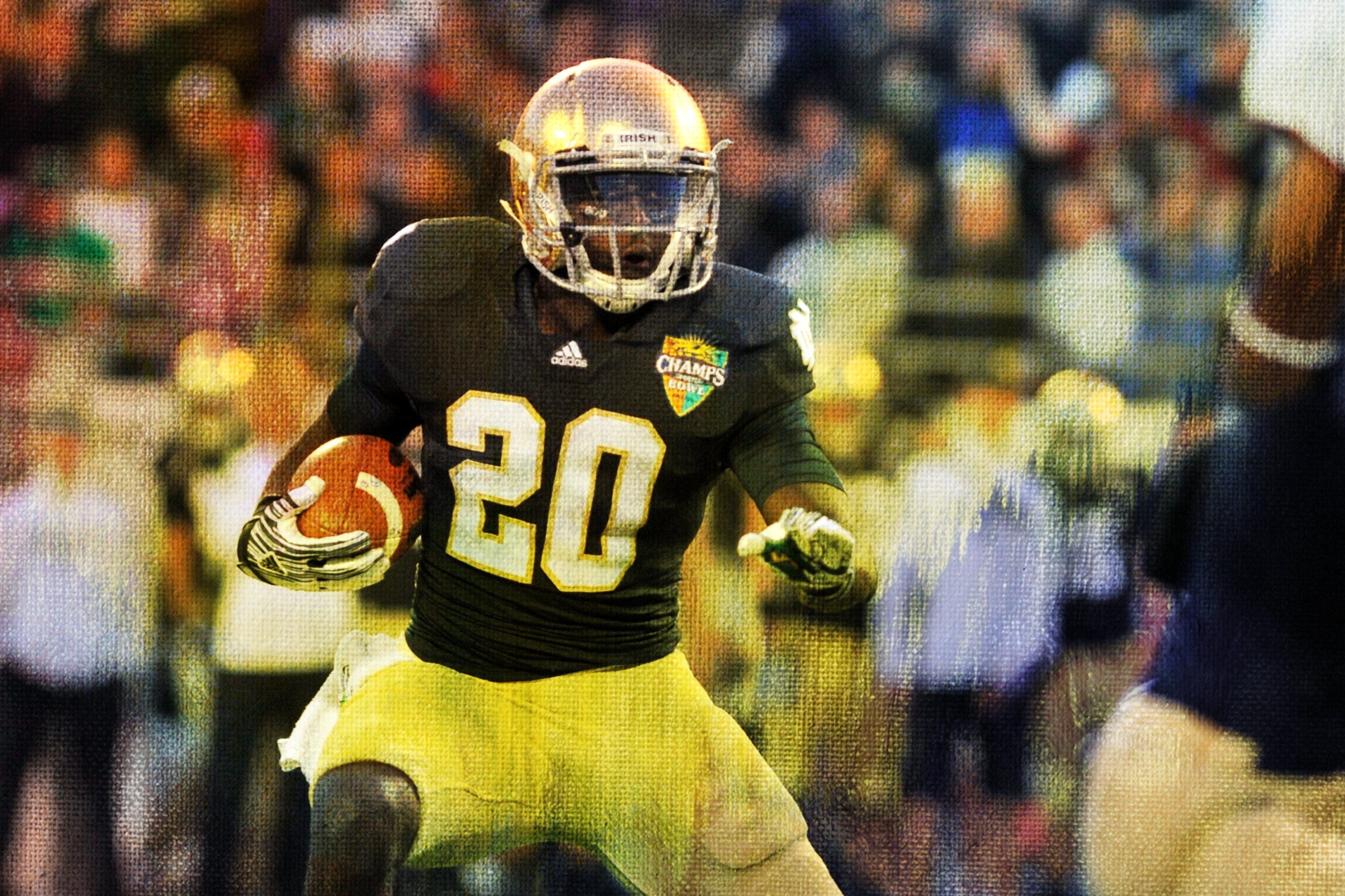
Before Allen Pinkett ever earned a professional paycheck, he established himself as one of the most prolific players in the history of college football. Playing for the University of Notre Dame from 1982 to 1985, Pinkett became a household name for Fighting Irish fans.
During his tenure in South Bend, Pinkett broke numerous records. He was a three-time All-American and finished his college career as Notre Dame's all-time leading scorer with 320 points (52 touchdowns and four two-point conversions). At the time of his graduation, he was also the school's all-time leading rusher with 4,131 yards, a record that stood for years before being surpassed by Autry Denson.
The Value of the Notre Dame Brand
In the 1980s, there was no Name, Image, and Likeness (NIL) compensation for college athletes. However, the prestige of being a star at Notre Dame provided a different kind of "social capital." This visibility allowed Pinkett to build a personal brand that would later facilitate his entry into both the NFL and the high-stakes world of corporate sales and broadcasting. The alumni network at Notre Dame is notoriously strong, and Pinkett’s status as a legend in South Bend opened doors in the business world that might have remained closed to players from less storied programs.
NFL Career and Contract Earnings (1986–1991)
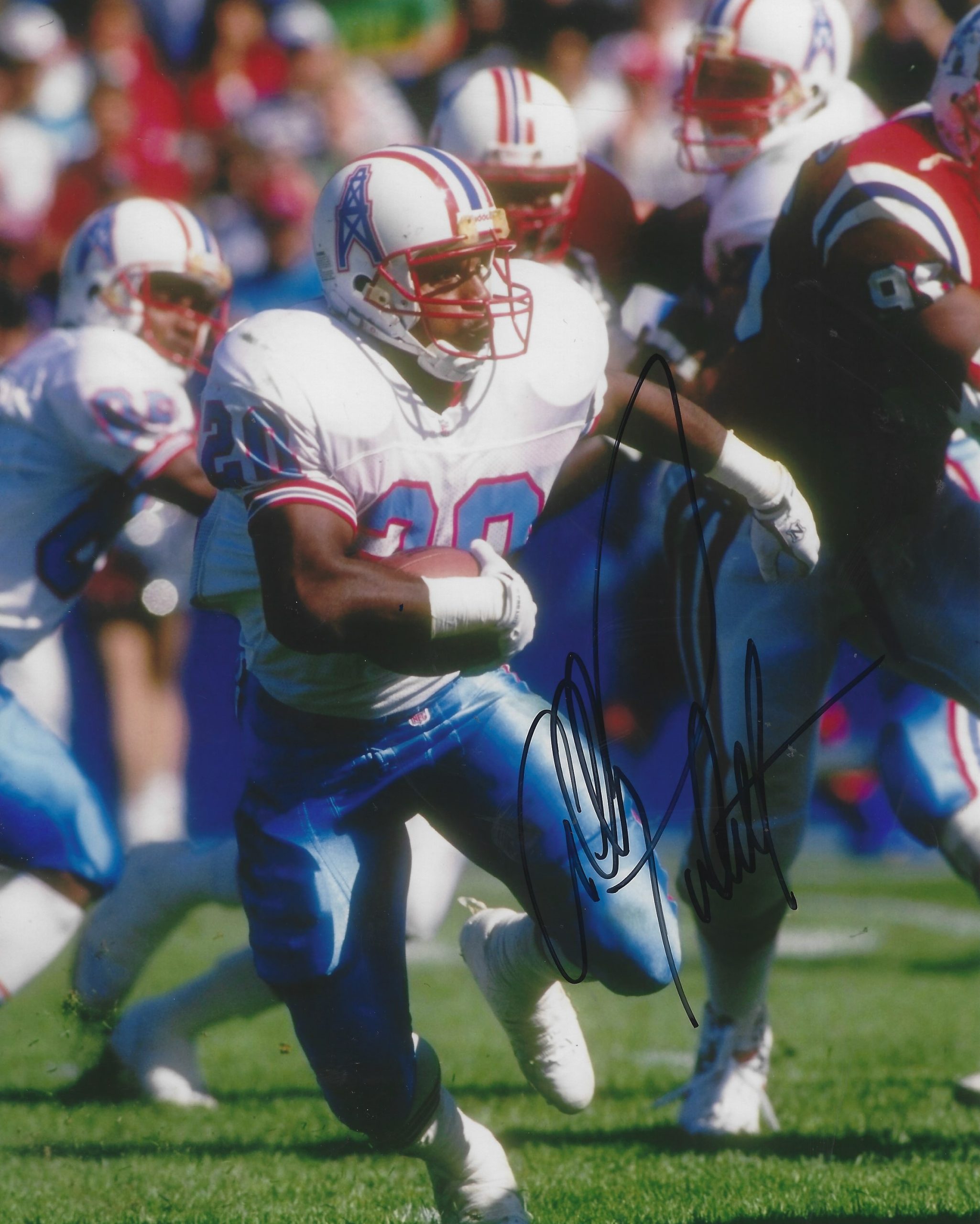
Allen Pinkett was selected by the Houston Oilers in the second round (32nd overall pick) of the 1986 NFL Draft. His professional career spanned six seasons, during which he primarily played for the Oilers before a final stint with the New Orleans Saints.
Salary Evolution in the Late 80s
To understand Pinkett's net worth, one must contextualize the salary landscape of the NFL during his era. In the mid-to-late 1980s, rookie contracts for second-round picks typically ranged from $100,000 to $250,000 per year, often including a modest signing bonus. Unlike the massive multi-million dollar rookie deals seen in 2026, Pinkett’s earnings were substantial for the time but required careful management to last a lifetime.
During his peak years with the Houston Oilers (1988–1990), Pinkett was a reliable contributor in a "Run and Shoot" offense that utilized his versatility. He recorded 10 rushing touchdowns in 1988 and 7 in 1990. By the time he reached his veteran years, his annual salary likely climbed toward the $400,000 to $600,000 range.
Total Estimated Career Earnings
Over his six active seasons in the NFL, Pinkett is estimated to have earned approximately $1.8 million to $2.5 million in total gross salary and bonuses. While taxes, agent fees, and living expenses would have reduced this amount significantly, these earnings provided the "seed capital" for his future investments and business ventures. Furthermore, as an NFL veteran with at least three credited seasons, Pinkett is eligible for the NFL Player Pension, which provides a steady stream of income in his later years.
Post-NFL Professional Career: Insurance and Financial Services
Perhaps the most significant contributor to Allen Pinkett's current net worth is his success in the corporate sector. Following his retirement from professional football in 1991 at the age of 27, Pinkett did not settle into a sedentary life. Instead, he leveraged his disciplined athletic background to pursue a career in insurance.
Success at MetLife and Independent Practice
Pinkett spent several years working with major firms, most notably MetLife. In the insurance industry, particularly for high-net-worth individuals and corporate accounts, top-tier agents can earn mid-six-figure annual incomes through commissions and renewals. Pinkett’s name recognition served as a powerful tool in lead generation, allowing him to build a substantial book of business.
By 2026, a significant portion of his wealth is tied to the long-term residuals of his insurance career and potential equity in specialized financial service practices. This career path allowed him to accumulate wealth steadily over three decades, far outlasting the relatively short duration of his football career.
The Broadcasting Era and Media Income
For many years, Allen Pinkett was the "voice" of Notre Dame football. He served as the color commentator for the Notre Dame Radio Network, working alongside play-by-play announcers to bring the games to millions of listeners nationwide.
Broadcasting Compensation
The roles of lead color commentators for major independent programs like Notre Dame are lucrative. While not reaching the heights of national television contracts (like those of Tony Romo or Tom Brady), these radio positions typically pay between $75,000 and $150,000 per season, depending on the scope of the work and syndication. Pinkett held this role for over a decade, providing a consistent secondary income stream alongside his insurance work.
The 2012 Controversy and Professional Resilience
In 2012, Pinkett faced a significant hurdle when he was suspended and eventually replaced following controversial comments made during a radio interview regarding the need for "bad boys" or "criminals" on a football team to ensure success. While this incident briefly sidelined his broadcasting career and impacted his public standing, it did not result in a total financial collapse. Pinkett’s primary income at the time was derived from his business ventures, and he eventually returned to various media platforms in more limited capacities.
Asset Allocation and Investment Strategy
By 2026, a man of Pinkett's age and professional background likely employs a diversified investment strategy. While specific private portfolio details are not public record, standard wealth management for former athletes with his profile typically includes:
- Real Estate: Ownership of a primary residence in high-value markets (typically in the Illinois or Indiana region, given his ties to Notre Dame and Chicago).
- Equity Markets: A balanced portfolio of stocks and bonds managed to preserve capital and provide dividends.
- NFL Pension and Benefits: The NFL’s "Bert Bell/Pete Rozelle NFL Player Retirement Plan" provides monthly payments to vested veterans. For a player from the 80s, these payments are a reliable inflation-adjusted component of their monthly cash flow.
- Business Equity: Residual value from his years in the insurance and consulting sectors.
Career Timeline and Financial Milestones
| Period | Primary Activity | Estimated Financial Impact |
|---|---|---|
| 1982–1985 | Notre Dame RB | Scholarship value; established "brand equity" |
| 1986–1991 | NFL (Oilers/Saints) | $1.8M - $2.5M in gross career earnings |
| 1992–2010 | Insurance (MetLife/Private) | High six-figure annual commissions/residuals |
| 2000–2012 | ND Radio Color Analyst | Consistent seasonal media income |
| 2013–2026 | Financial Consulting & Media | Wealth preservation and dividend growth |
Comparison with Peers of the 1980s
To understand if Pinkett’s $4 million to $6 million net worth is "standard," it is helpful to compare him to other running backs of his era. Many players from the 1980s who did not transition into stable post-career professions struggled financially due to the lower salary caps of the time.
Pinkett’s net worth places him in the upper tier of "successful transition" athletes. He is often cited as an example of a player who used his degree and collegiate reputation to build a sustainable life after the cheering stopped. Unlike some of his contemporaries who relied solely on their NFL earnings, Pinkett’s "second act" in the insurance industry became his primary engine for long-term wealth.
Key Factors Influencing His 2026 Valuation
Several variables contribute to the current estimate of Pinkett's wealth:
- Longevity of Professional Life: Pinkett has been working continuously for over 40 years, from his start at Notre Dame through 2026. This length of time allows for the powerful effect of compound interest on his early investments.
- Brand Loyalty: Despite the 2012 controversy, Pinkett remains a legendary figure in the Notre Dame community. This allows for ongoing opportunities in public speaking, memorabilia signings, and guest appearances at "Old Timer" events.
- Fiscal Discipline: Throughout his public life, Pinkett has avoided the high-profile legal or financial scandals that often deplete the fortunes of former stars.
- Market Growth: The period from 2010 to 2026 has seen significant growth in both the real estate and stock markets, which would have benefited any well-managed portfolio.
Frequently Asked Questions
What was Allen Pinkett's highest NFL salary?
While exact contract details from the 1980s are often private, records suggest that Pinkett likely earned his highest annual salary in 1990 or 1991, with base pay and incentives totaling approximately $500,000 to $600,000. This was considered a high-level veteran salary for a running back in that era.
Why was Allen Pinkett suspended from broadcasting?
In August 2012, Pinkett made comments on a Chicago radio show (WSCR-AM) suggesting that a football team needs a certain number of "bad guys" or "criminals" to be successful and have "an edge." He later apologized, stating he used poor word choices to describe the need for toughness, but the comments led to his suspension from the Notre Dame Radio Network and his eventual departure from the role.
Does Allen Pinkett still hold records at Notre Dame?
As of 2026, many of Pinkett’s records have been challenged by modern players who play more games per season. However, he remains near the top of the list for career rushing yards and total touchdowns. His 52 career touchdowns remain a benchmark of excellence for the program.
What is Allen Pinkett doing in 2026?
Allen Pinkett continues to be involved in the financial services sector and makes occasional appearances at Notre Dame-related events. He remains a respected figure in the world of college football history and contributes his expertise to various sports discussions and alumni initiatives.
How much did the 2012 controversy affect his net worth?
The controversy likely cost Pinkett several hundred thousand dollars in lost broadcasting wages and potential endorsement deals over the following years. However, because his primary income was already established in the insurance and financial services industry, the long-term impact on his total net worth was manageable.
Practical Takeaway: The Importance of a Second Act
Allen Pinkett’s financial journey illustrates a vital lesson for professional athletes and high-earners alike: the "seed money" earned during a period of peak performance is most effective when paired with a sustainable, long-term career. By pivoting to the insurance industry and leveraging his collegiate brand, Pinkett ensured that his net worth would continue to grow long after his last carry in the NFL. For those tracking athlete wealth, Pinkett stands as a testament to the power of professional diversification and the enduring value of a degree from a top-tier institution like Notre Dame.