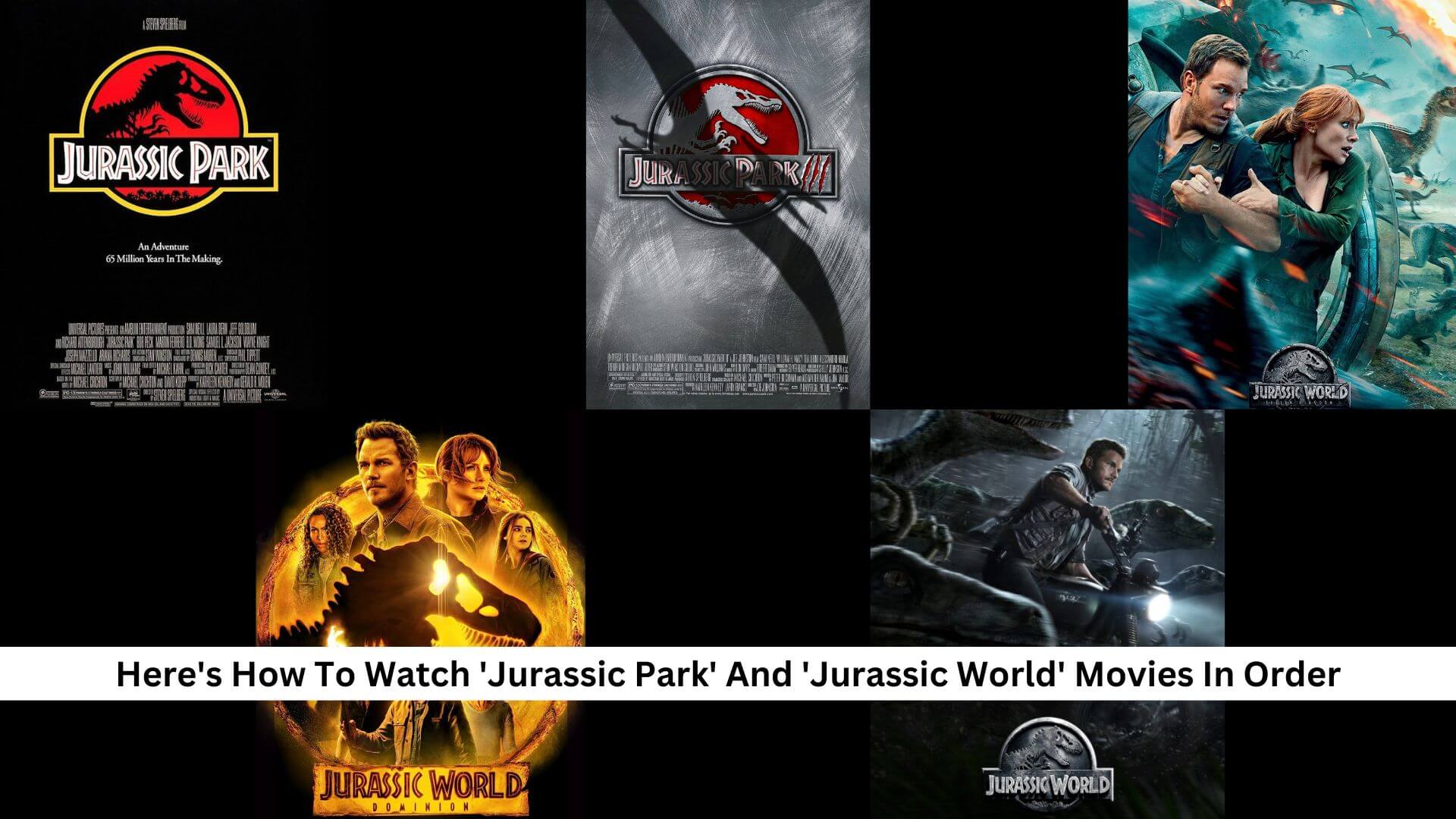
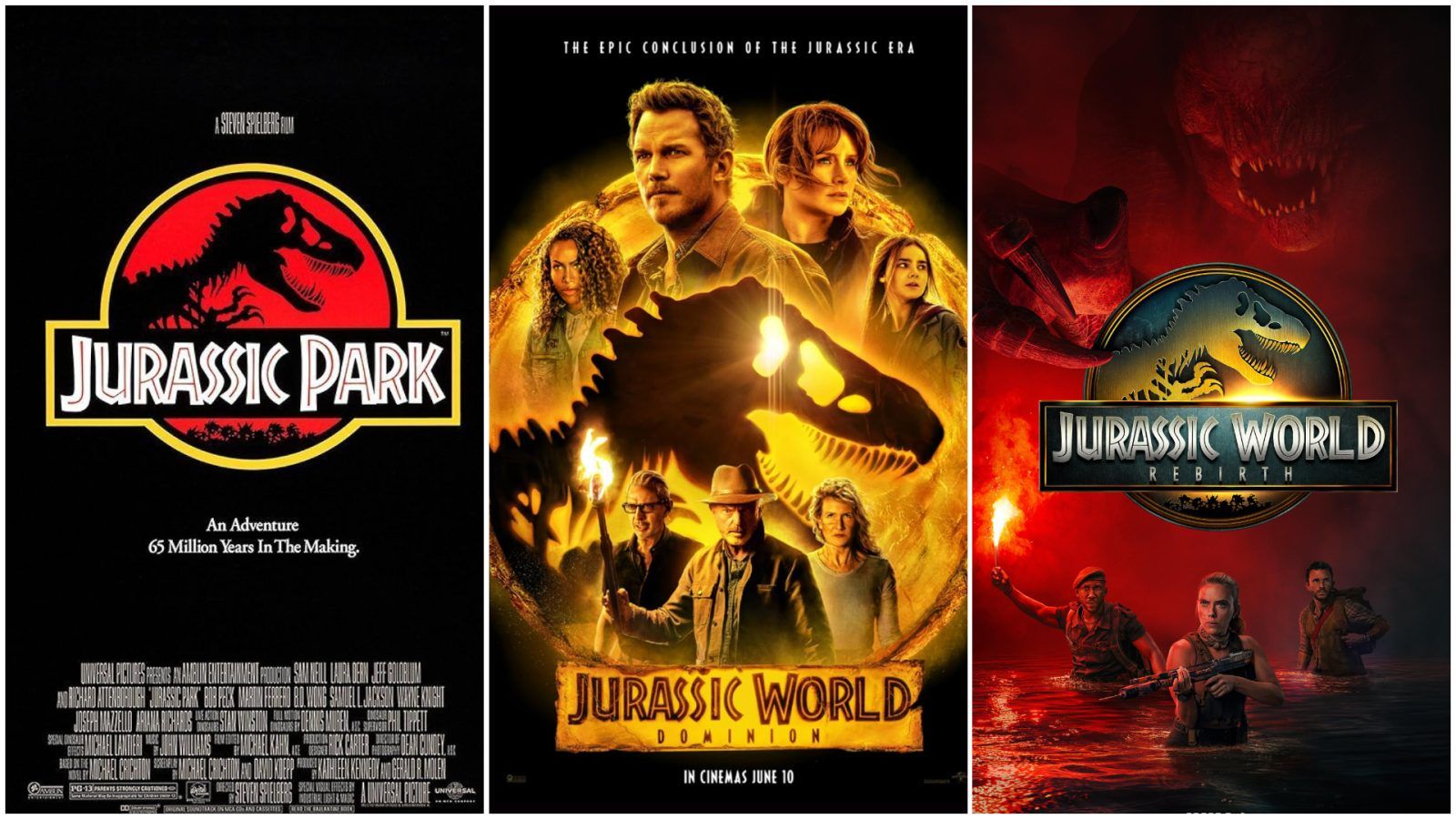
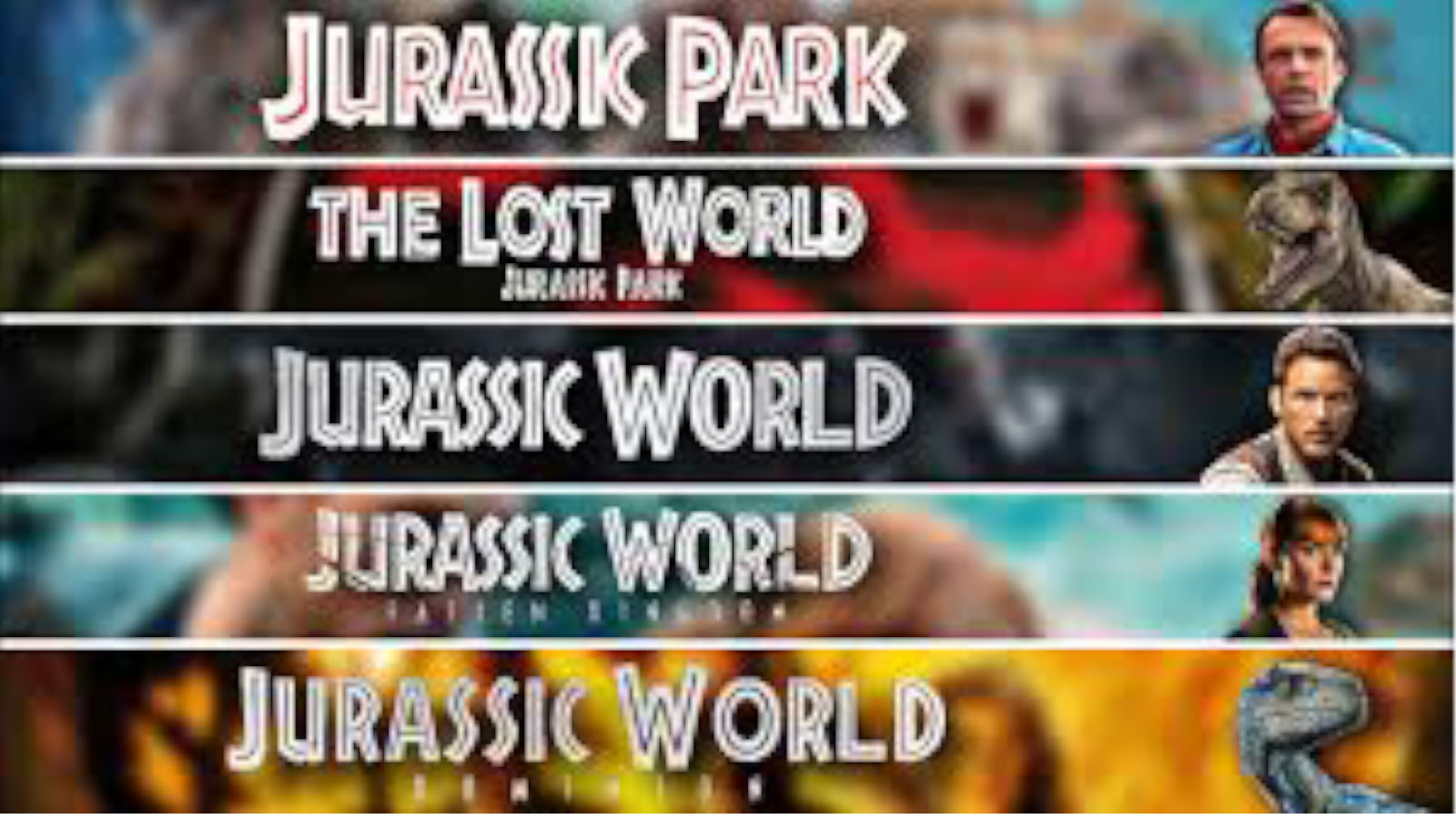
To watch the entire Jurassic saga, you must follow two distinct trilogies: the original Jurassic Park trilogy (1993–2001) and the Jurassic World sequel trilogy (2015–2022), followed by the 2025 entry, Jurassic World Rebirth. This guide details all seven feature films in release and chronological order as of 2026.
The Evolution of the Jurassic Franchise
The Jurassic Park franchise remains one of the most significant pillars of modern cinema, blending ground-breaking visual effects with cautionary tales about scientific hubris. Based on the 1990 novel by Michael Crichton, the series has spanned over three decades, evolving from a contained "disaster on an island" premise into a global epic involving the coexistence of humans and prehistoric creatures.
What began under the visionary direction of Steven Spielberg in 1993 has expanded into a multi-billion-dollar brand encompassing theme parks, animated series, and seven feature-length films. The franchise is categorized into three eras: the original trilogy that focused on the initial failure of the park, the "World" trilogy which saw the park finally open and eventually collapse, and the current "Rebirth" era which explores the long-term consequences of dinosaurs living among modern civilization.
Understanding the timeline is essential for new viewers. While the films generally follow a linear release schedule, the narrative gaps between them involve significant off-screen developments, such as the rise of the Masrani Global Corporation and the ecological shifts that allowed dinosaurs to populate the mainland.
The Original Jurassic Park Trilogy (1993–2001)
The first three films established the foundational lore of the series, introducing the concept of "de-extinction" through DNA extracted from prehistoric mosquitoes trapped in amber. This era is characterized by its heavy use of practical animatronics and its exploration of the ethical limits of genetic engineering.
Jurassic Park (1993)
Directed by Steven Spielberg, the first film is a masterclass in suspense and technical innovation. The story follows paleontologist Dr. Alan Grant (Sam Neill), paleobotanist Dr. Ellie Sattler (Laura Dern), and mathematician Dr. Ian Malcolm (Jeff Goldblum) as they are invited to Isla Nublar by billionaire John Hammond. Hammond, the CEO of InGen, has created a theme park featuring cloned dinosaurs.
The film serves as the moral compass for the entire franchise. It introduces the concept that "life finds a way," a theme that recurs in every subsequent movie. Technically, it was a turning point for Hollywood, utilizing Stan Winston’s life-sized animatronics alongside Industrial Light & Magic’s (ILM) pioneering CGI. The T-Rex breakout sequence remains one of the most celebrated moments in film history, setting a standard for realism that many modern films still struggle to match.
The Lost World: Jurassic Park (1997)
Following the massive success of the original, Spielberg returned to direct the sequel, loosely based on Crichton’s second novel. This film shifts the focus to "Site B" on Isla Sorna, where dinosaurs were bred before being moved to the main park on Isla Nublar. Jeff Goldblum returns as Ian Malcolm, leading a team to document the animals in their natural habitat, while a rival InGen team attempts to capture them for a park in San Diego.
The Lost World is notably darker and more action-oriented than its predecessor. It explores the corporate greed associated with genetic technology, culminating in the infamous sequence where a Tyrannosaurus Rex is loose in the streets of San Diego. This film expanded the creature roster, introducing the Pachycephalosaurus and the Compsognathus, while emphasizing the maternal instincts of the T-Rex.
Jurassic Park III (2001)
Directed by Joe Johnston, the third installment moved away from the philosophical underpinnings of the first two films toward a more straightforward survival-horror format. Sam Neill returns as Dr. Alan Grant, who is tricked into visiting Isla Sorna by a couple searching for their lost son.
This film is famous—and somewhat controversial among fans—for introducing the Spinosaurus as a new apex predator that could defeat a T-Rex. While shorter than the previous entries, Jurassic Park III utilized advanced animatronics and featured the first major appearance of the Pteranodons in a terrifying bird-cage sequence. It effectively closed the first era of the franchise, leaving the islands in a state of wild abandonment for over a decade.
The Jurassic World Trilogy (2015–2022)
After a 14-year hiatus, the franchise was revitalized with the "World" trilogy. This era moved the story into the 21st century, focusing on the commercialization of dinosaurs and the dangers of weaponizing genetic technology.
Jurassic World (2015)
Directed by Colin Trevorrow, Jurassic World finally realized John Hammond’s dream: a fully functional, highly successful theme park on Isla Nublar. However, to keep attendance high, the corporate owners demand a "new attraction"—the Indominus Rex, a genetically modified hybrid.
The film introduces Owen Grady (Chris Pratt), a dinosaur behaviorist who has trained a pack of Velociraptors, and Claire Dearing (Bryce Dallas Howard), the park's operations manager. Jurassic World explores the theme of desensitization, suggesting that in a world where dinosaurs are a common tourist attraction, humanity will always push for something "bigger, louder, and with more teeth." The film was a massive commercial success, re-igniting global "dino-mania."
Jurassic World: Fallen Kingdom (2018)
Directed by J.A. Bayona, the second chapter of the sequel trilogy takes a gothic-horror turn. Three years after the park's destruction, a volcanic eruption threatens to extinguish the remaining dinosaurs on Isla Nublar. Owen and Claire return to save the animals, only to discover a conspiracy to sell them as biological weapons.
The second half of the film takes place in the claustrophobic Lockwood Manor, introducing the Indoraptor—a creature designed specifically for combat. The film ends with a status-quo-shattering twist: the dinosaurs are released into the wilds of North America, marking the end of the "island era" and the beginning of dinosaurs living among humans.
Jurassic World Dominion (2022)
The concluding chapter of the "World" trilogy serves as a bridge between the two eras of the franchise. Directed by Colin Trevorrow, it features the return of the original trio—Grant, Sattler, and Malcolm—alongside Owen and Claire. The story deals with the ecological consequences of dinosaurs in the wild and a global conspiracy involving a biotech giant, Biosyn, using prehistoric genetics to control the world’s food supply.
Dominion expanded the scope to global locations, from the streets of Malta to the snowy mountains of Italy. It introduced the Giganotosaurus and emphasized the need for humanity to find a balance with the natural world. While it concluded the narrative arc started in 2015, it left the door open for a world where dinosaurs are a permanent part of the Earth's ecosystem.
The New Era: Jurassic World Rebirth (2025)
By 2026, the franchise has entered its most recent phase with Jurassic World Rebirth. Directed by Gareth Edwards and starring Scarlett Johansson, this film represents a "soft reboot" of the series. Set several years after the events of Dominion, the film explores a world where the planet's ecology has become increasingly inhospitable to dinosaurs, forcing them into specific tropical environments that resemble the world as it was millions of years ago.
The plot focuses on a covert team attempting to secure genetic material from the three largest remaining dinosaurs to create life-saving medical breakthroughs. This film moves away from the "theme park" tropes entirely, focusing on survival and the medicinal potential of de-extinction science, grounding the franchise in a more grounded, gritty tone reminiscent of the original 1993 film.
Comprehensive Comparison of All Jurassic Movies
The following table summarizes the key details of the seven films released through 2026.
| Film Title | Release Year | Director | Lead Protagonist | Primary Antagonist (Dino) |
|---|---|---|---|---|
| Jurassic Park | 1993 | Steven Spielberg | Alan Grant | Tyrannosaurus Rex / Raptor |
| The Lost World | 1997 | Steven Spielberg | Ian Malcolm | T-Rex (Pair) |
| Jurassic Park III | 2001 | Joe Johnston | Alan Grant | Spinosaurus |
| Jurassic World | 2015 | Colin Trevorrow | Owen Grady | Indominus Rex |
| Jurassic World: Fallen Kingdom | 2018 | J.A. Bayona | Owen Grady | Indoraptor |
| Jurassic World Dominion | 2022 | Colin Trevorrow | Owen / Alan | Giganotosaurus |
| Jurassic World Rebirth | 2025 | Gareth Edwards | Zora Bennett | Various / Apex Predators |
Recommended Viewing Orders
For those new to the series or looking for a refresher, there are two primary ways to experience the saga:
1. The Release Date Order
This is the most common way to watch the series. It allows you to see the progression of visual effects technology and how the filmmakers’ approach to the subject changed over time.
- Jurassic Park (1993)
- The Lost World: Jurassic Park (1997)
- Jurassic Park III (2001)
- Jurassic World (2015)
- Jurassic World: Fallen Kingdom (2018)
- Jurassic World Dominion (2022)
- Jurassic World Rebirth (2025)
2. The Narrative Chronology
Because the films follow a linear timeline, the release order and chronological order are identical. However, fans often include the animated series Jurassic World: Camp Cretaceous (2020–2022) and Jurassic World: Chaos Theory (2024–) to fill in the gaps.
- Jurassic Park (The 1993 Incident)
- The Lost World (1997 Expedition)
- Jurassic Park III (2001 Rescue Mission)
- Jurassic World (2015 Park Failure)
- Camp Cretaceous (Events during and after 2015)
- Jurassic World: Fallen Kingdom (2018 Destruction of Nublar)
- Chaos Theory (Events leading to Dominion)
- Jurassic World Dominion (2022 Global Crisis)
- Jurassic World Rebirth (2025 Scientific Expedition)
The Science of Jurassic Park: Fact vs. Fiction
The franchise has always walked a fine line between scientific plausibility and cinematic spectacle. While the core premise—extracting DNA from amber—is considered impossible by modern geneticists due to the degradation of DNA over millions of years, the series has inspired a generation of paleontologists.
- Feathers: In the original trilogy, dinosaurs were depicted as lizard-like and scaly. Recent paleontological discoveries have proven that many theropods, including Velociraptors, had feathers. Jurassic World Dominion and Rebirth have addressed this by introducing feathered species like the Pyroraptor, explaining that previous iterations were "anatomically inaccurate" due to the filling of DNA gaps with frog DNA.
- The "Monster" Factor: The Jurassic World trilogy explicitly states that the dinosaurs in the park are not 100% authentic animals but "theme park monsters" designed to meet public expectations. This narrative choice allowed the filmmakers to maintain the iconic look of the T-Rex while acknowledging real-world scientific advancements.
Frequently Asked Questions
Which Jurassic movie is the best to start with?
You should always start with the original Jurassic Park (1993). It establishes the rules of the world, the history of the InGen corporation, and the moral dilemmas that drive the entire seven-film narrative. Skipping it will make the emotional payoffs in Dominion and the world-building in Rebirth much less impactful.
Are the Jurassic World movies sequels or a reboot?
The Jurassic World movies are direct sequels to the original trilogy. They take place in the same timeline, approximately 22 years after the events of the first film. The events of the original movies are referred to as historical facts within the Jurassic World universe, and several characters from the 90s films appear in the sequels.
Is Jurassic World Rebirth a continuation of the previous story?
Yes, but it is designed as a "new era." While it exists in the same world where dinosaurs have been released into the wild, it features a new cast of characters and a shift in tone. It moves away from the Grady/Dearing storyline to focus on how a different sector of humanity (military and scientific) deals with the prehistoric threat.
Why did the dinosaurs change appearance in later movies?
In the lore of the films, the geneticists at InGen and later BioSyn used DNA from modern animals (like the West African Bullfrog) to patch holes in the ancient DNA sequences. This resulted in dinosaurs that looked more like reptiles. In the later films, as technology improved, the "creations" became more varied, eventually including more scientifically accurate feathered dinosaurs.
Can I watch Jurassic World without seeing the Jurassic Park trilogy?
While Jurassic World (2015) is designed to be accessible to new audiences, you will miss significant subtext regarding John Hammond, the disaster of the first park, and the significance of the "re-opened" island. It is highly recommended to at least watch the 1993 original first.
Final Recommendation
For the best experience in 2026, we recommend watching the films in their original release order. Start with the 1993 classic to understand the "soul" of the franchise, then proceed through the "World" trilogy to see how the stakes escalated to a global scale. Finally, watch Jurassic World Rebirth to see the newest direction the series is taking. For those who want more depth, the animated series Chaos Theory provides excellent context for the political and social state of a world inhabited by dinosaurs between the major films.